
Geneva’s Nations district in half a day: a walk and one visit
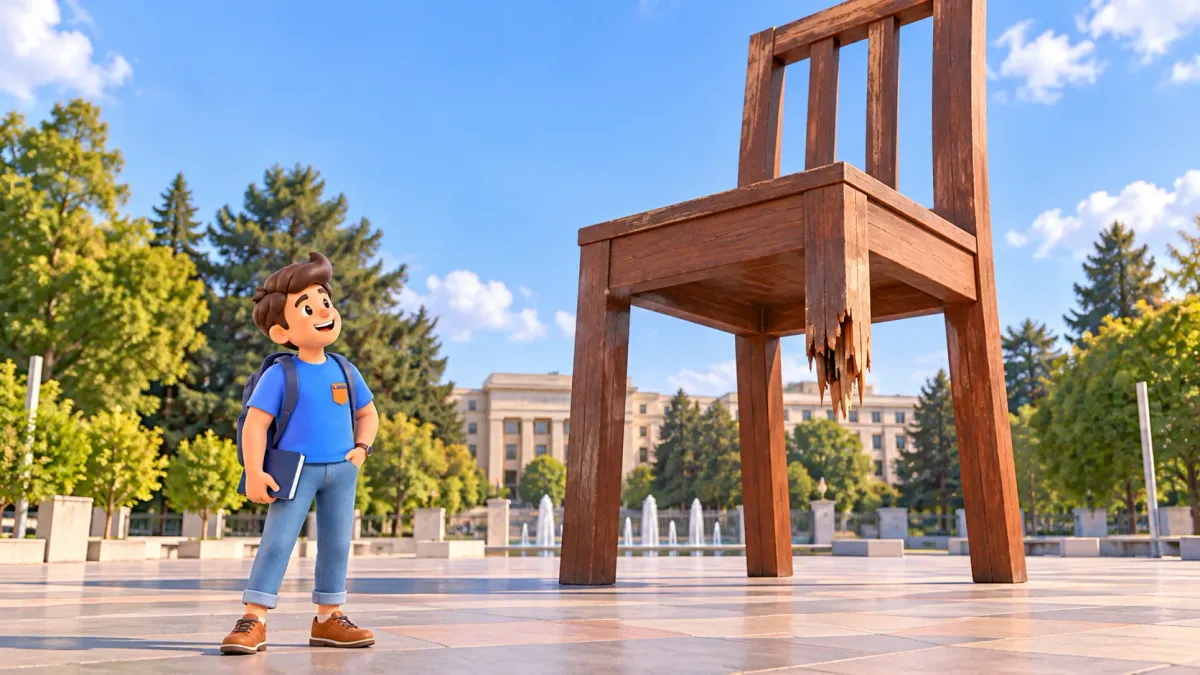
A half day in Geneva’s Nations district works best as an outdoor walk followed by one carefully chosen visit. See Place des Nations and Broken Chair, continue towards the public side of the Ariana Museum, then choose ceramics and glass, humanitarian history, the immersive Together experience, or a confirmed guided tour of the Palais des Nations. These are alternatives, rather than four consecutive attractions.
The district shows a different Geneva from the Old Town: broad public spaces, international institutions and cultural venues with distinct entry arrangements. Their proximity does not make them one freely accessible visitor complex. Decide what you want to see inside before setting out. With that choice made, you can enjoy the architecture and public art without spending the outing trying to locate the correct gate.
Give the half day one main purpose
Choose the Ariana Museum for ceramics, glass and an unhurried cultural visit. Pick the International Red Cross and Red Crescent Museum for humanitarian history and human stories. Together at Portail des Nations offers an immersive exploration of international cooperation. A Palais des Nations tour suits visitors interested in the historic building and the workings of an active international institution.
Try RoadMe to work out a personal trip plan around your interests and preferred pace. It makes it more convenient to connect your Nations district visit with the rest of the day, rather than planning each part in isolation.
If you have a timed session or guided tour, let the booking confirmation determine your schedule. The outdoor walk can come before or afterwards. Do not calculate the day solely from the apparent distance between the square and a building: access to UN premises involves specific entrances and security arrangements. For a museum visit, the sequence is more flexible: square, sculpture, Ariana surroundings, then your chosen collection.
Nations is a useful public transport starting point for the square. Appia is another practical reference towards the northern part of the district, closer to the Red Cross Museum and Pregny entrance. Choose your arrival point around the actual first stop, particularly if a tour comes first. Roadworks can affect approaches, so check the journey and leave some room in your schedule.
Walk from the square to the public side of Ariana
Begin at Place des Nations by taking in the whole setting. The scale of the square, the monumental chair, the UN entrance and the flags are more revealing together than as separate photographs. This is public urban space, but events, temporary barriers and the operation of the fountain can change the available views and routes. Keep your approach flexible rather than relying on one precise photo position.
Broken Chair was created by Daniel Berset and installed here in 1997 through the initiative of Handicap International. Its damaged leg recalls people harmed by antipersonnel mines; its meaning has broadened into an appeal for the protection of civilians. Step back to understand the whole silhouette, then look more closely at the wood. The familiar shape becomes unsettling through its scale and apparent vulnerability.
The sculpture is not simply a UN emblem or a decorative landmark. It brings a humanitarian voice into the public space outside an international institution. That relationship gives the location much of its meaning: a powerful appeal stands in front of the place where international decisions are discussed. You do not need a long historical lecture to appreciate the contrast between the damaged everyday object and the formal setting beyond it.
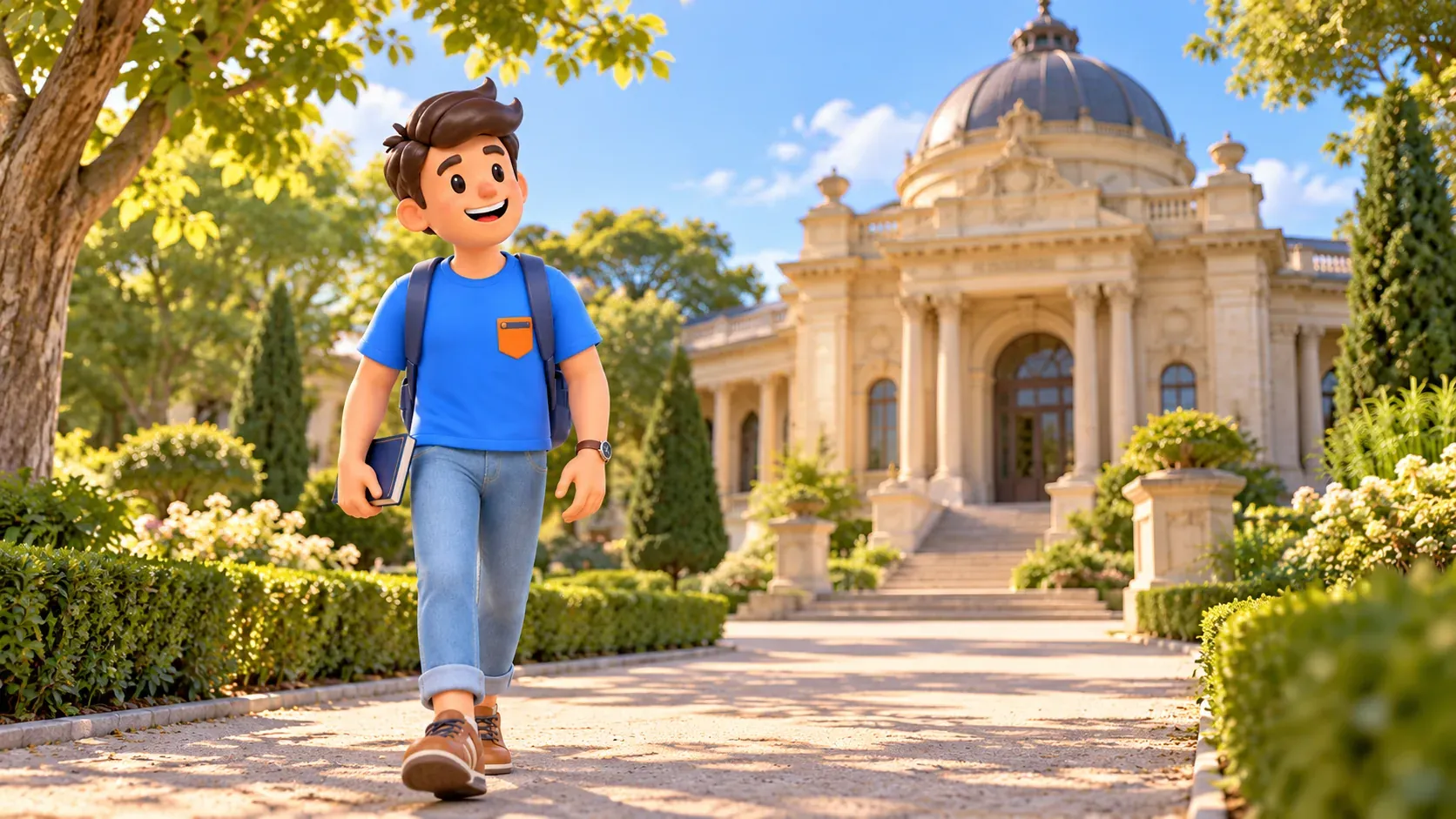
Continue along available public paths towards the Ariana Museum. Greenery and its palatial facade provide a change from the open square. Before looking for the entrance, notice the dome, columns and proportions. Even when you choose another indoor visit, this exterior stop offers a useful architectural contrast and introduces the quieter museum side of the district.
Keep the museum’s public surroundings separate in your mind from Ariana Park within the UN perimeter. You cannot assume that an open path beside the museum continues through a security gate to the Palais. Follow the public routes and signs on site. A map pin marking the Palais des Nations may identify the building rather than the visitor entrance; heading straight towards it can lead you to the wrong boundary.
Choose Ariana for a slower look at objects and materials
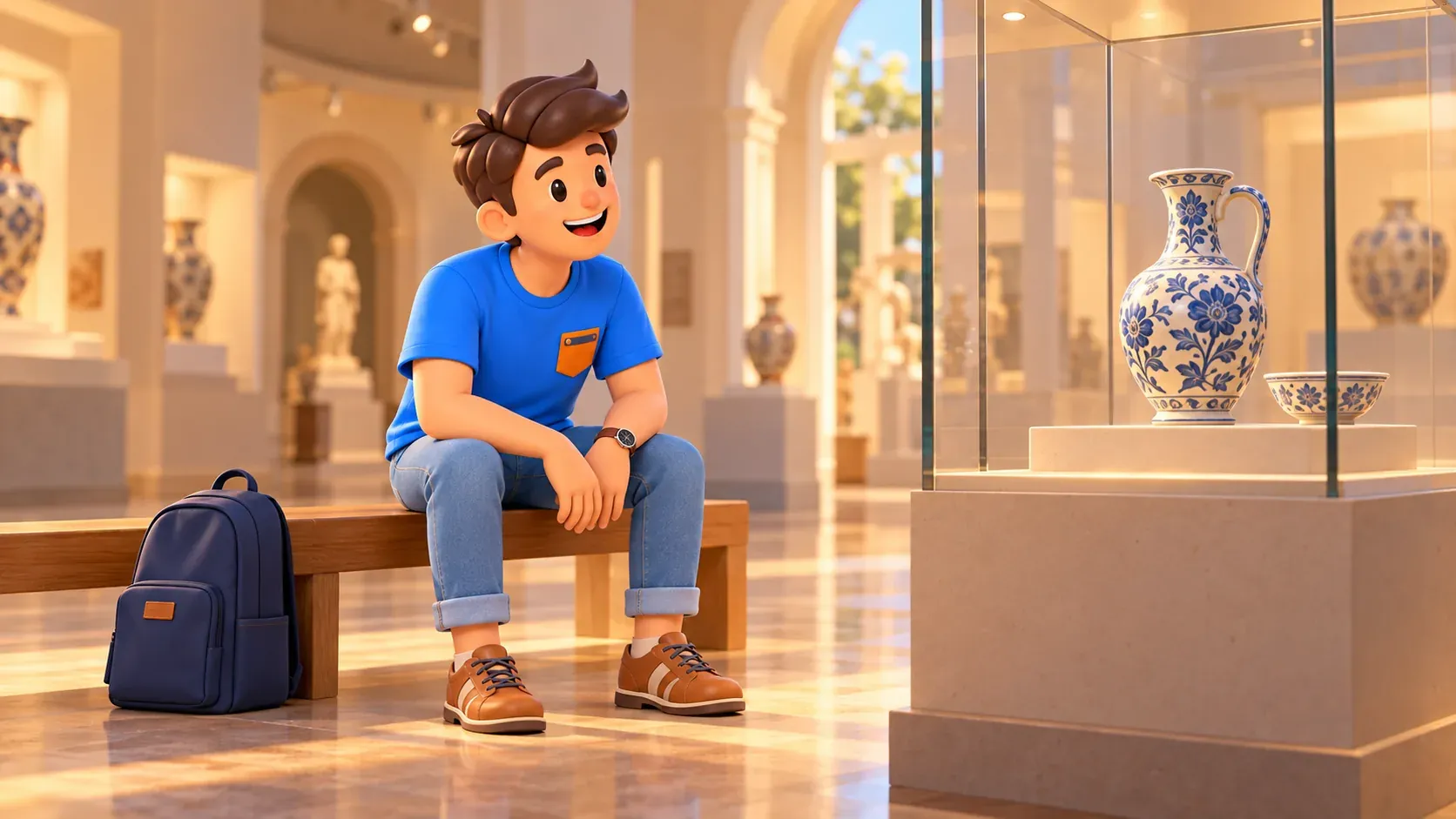
The Ariana Museum is a good continuation when you want an indoor visit built around looking closely. Its collections focus on ceramics and glass, with interest extending well beyond decorative porcelain. The outline of a vessel, the finish of a glaze and the transparency of glass connect artistic choices with practical techniques. Select a few displays rather than trying to inspect the whole collection.
Start with something that catches your attention. Look at its overall shape, then its surface, handles or painted details, before reading the label. This gives you a way into the collection without prior knowledge of workshops or periods. Compare two objects with a similar purpose and notice how differently that purpose has been interpreted. A display case becomes a conversation rather than a list of unfamiliar names.
The building deserves attention too. Look at the central space and the way you move between rooms, noticing how the architecture frames relatively small objects. The museum grew from the collecting initiative of Gustave Revilliod, a useful background to its grand character. There is no need to study his entire biography for this visit: the combination of architecture, materials and a few memorable pieces is enough.
Admission to the reference collections is free; temporary exhibitions have separate conditions. That does not make every event or programme free of charge. The museum is normally closed on Mondays, so choose another day or another continuation. If Ariana is your main indoor stop, finishing afterwards makes a complete outing. Another museum is an additional decision, not something required by its position nearby.
Choose the Red Cross Museum for humanitarian history
The International Red Cross and Red Crescent Museum lies further along Avenue de la Paix towards Appia. Choose it to explore Geneva’s humanitarian role through people, organisations and the work of helping others. It offers a different emotional experience from Ariana: the subject concerns dignity and circumstances in which assistance becomes essential. Allow yourself the attention that this material deserves.
A short gap between two fixed bookings is not an ideal place for it. Even a selective visit benefits from pauses and time to discuss what you have encountered. Families should consider the subject and their children’s sensitivities as well as the practical approach. The nearby ICRC headquarters is a working institution; a museum ticket does not establish access to its offices.
The museum is also normally closed on Mondays. Check the arrangements for your date, especially around holidays or when a particular exhibition matters to you. Keep the outdoor framework of the walk, then approach the museum through public streets and paths. Nearby buildings on a screen do not create a route across the secured UN grounds.
Together is an immersive experience with its own entrance
Together at Portail des Nations is an immersive visit about international cooperation. It suits visitors who prefer a contemporary way of exploring collective decisions to a tour of historic rooms. It operates through booked sessions. A Together booking is not a Palais des Nations guided tour and does not, by itself, promise entry to the rooms used for diplomatic meetings.
Together uses Nations Gate beside the Alley of Flags, near the square and Broken Chair. Read your confirmation for the exact arrival point, accepted identification and required arrival margin. A ticket, identity document and security check form part of the visit. Do not plan to reach the gate only when the session begins, and do not substitute the instructions for a Palais tour: its entrance arrangements are different.
An immersive presentation is not necessarily light entertainment. The organiser warns of real images of humanitarian crises and human suffering. Consider this when choosing for children or sensitive visitors. Afterwards, continuing gently through the outdoor district or taking a break may be more rewarding than going straight into another substantial exhibition.
Visit the Palais only with a confirmed guided tour
The Palais des Nations was built for the League of Nations and later became an important UN centre. A guided tour is the relevant choice when the building, institutional history and an active diplomatic workplace are your main interests. It does not function as a palace museum with ordinary unrestricted entry. Include the interior only once you have an available date and a confirmed booking.
Palais tour visitors are directed to Pregny Gate on Avenue de la Paix. This is different from Nations Gate for Together. Follow the instructions attached to your own reservation: registration for an access badge may be required after purchase, and visitors need accepted identification and security screening. Complete the requested steps before travelling rather than assuming a payment email alone will satisfy every requirement.
Renovation and the operation of the institution limit the tour offer and can affect the route. Avoid making one particular room or park view the essential reason for going. The value lies in understanding the complex and its role through what is available that day. Without a confirmed place, choose another indoor option in advance and keep the square and Ariana exterior as your outdoor foundation.
Decide beforehand how the outing will end
Write down a simple sequence before leaving: arrival point, outdoor walk, one visit and the direction home. An Ariana visit can end by the museum; the Red Cross Museum may make Appia the more useful finishing area. With Together or a Palais tour, the booking determines when to walk outside. “Half a day” is a planning framework for an unhurried visit, not a measured duration shared by every option.
With RoadMe, it is more convenient to develop a personal plan for the whole trip around your interests and pace. You can give a thoughtful Nations district visit its place in the journey and plan a gentler continuation afterwards.
Leave space for a break before the return journey. A bench and a moment with a notebook can help you decide whether you want more sightseeing or have already gathered enough impressions. Do not automatically assign another demanding visit to an unexpected gap. For the wider balance between districts, the two-day Geneva itinerary helps give the international quarter and Old Town their own parts of the trip.

A few checks before setting out
Confirm the date, entrance and booking arrangements for your chosen visit. For controlled access, check the document and belongings requirements in the confirmation. Plan for the weather: the square and approaches remain outdoors. If mobility is a concern, ask about both the route to the entrance and the visit itself. Close map points do not demonstrate an easy approach or the same physical demands inside every venue.
On a normal Monday, neither Ariana nor the Red Cross Museum provides the usual museum continuation. Together and Palais tour availability must be checked separately against real bookings. If no suitable interior visit is available, the outdoor walk still has a clear purpose, although it will be shorter than the intended half day. The square, Broken Chair and Ariana facade already reveal the district’s public, humanitarian and cultural sides.


