
A family day on the Golden Horn: around the Rahmi M. Koç Museum
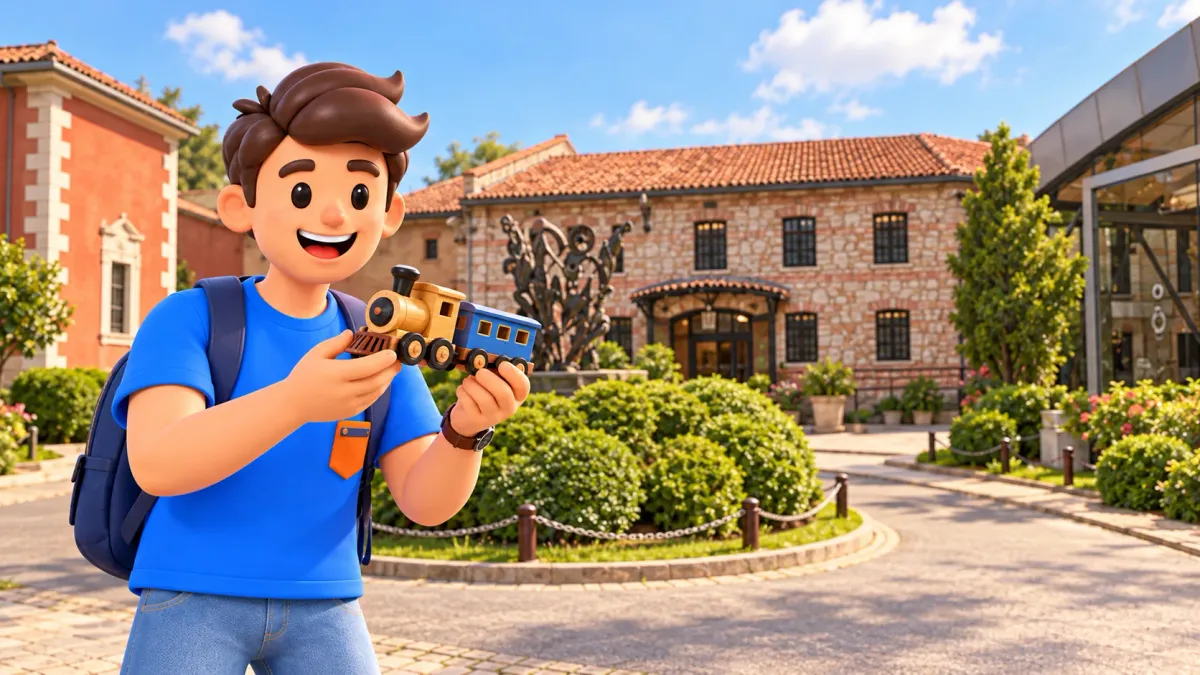
A family day on the Golden Horn can centre on the Rahmi M. Koç Museum in Hasköy. Transport, machinery, communication and everyday technology offer several ways into Istanbul’s story. Instead of a long succession of monuments, choose subjects your children enjoy and leave room to rest. A large vehicle, a small model and a familiar telephone do not demand the same kind of attention. This day suits families who want to investigate how things work together, without turning another museum into an obligatory checklist completed after everyone has lost interest.
Allow approximately five and a half to six hours after reaching the museum. The plan includes selected displays, a break during the visit, lunch after leaving and a short outdoor finish. Travel from your accommodation and back is additional. All timings are editorial estimates, not measured journeys. Workshops, boat outings, special-object visits and rides are outside the basic calculation. Confirm their availability, age requirements, booking and charges separately. The main day remains worthwhile without an extra attraction, so a child does not spend the whole visit waiting for an activity that may not be available.
Build the day around your family’s interests
Begin with fifteen minutes to orient yourself and choose two or three subjects from the current museum plan. Give the first selection 105–120 minutes, then take twenty minutes to rest in a permitted place during the visit. Allow sixty to seventy-five for a second selection. After your final exit, leave forty-five minutes for lunch, thirty for an accessible public waterfront section or quiet outdoor pause, and fifteen to reach onward transport. Keep another thirty as general margin. This sequence does not assume you can leave for lunch and return on the same ticket.
RoadMe makes planning the whole trip much more convenient by working out a personal itinerary around your family’s interests, available days and comfortable pace. Bring technology, walks and other experiences into a coherent Istanbul journey with a suitable level of activity for adults and children.
Ask each person what appeals most: cars, railways, ships, aircraft, instruments or communication. Two main directions and a small extra are enough. A large collection does not require choosing everything. With different ages, alternate an overall look at a big object with a short detail that older children can investigate. The youngest need not listen to a long explanation, while an older child should not always leave before asking a question. Agreeing a simple order of preferences can help more than searching for one exhibit guaranteed to fascinate everyone equally.
The museum closes on Mondays. Ordinary opening begins at 09:30, and weekends offer a slightly longer day. Check current hours, final ticket sales and holiday exceptions beforehand. The operator lists closure on the eve and first day of religious holidays, plus December 31 and January 1. Do not transfer another museum’s holiday rules here. Establish ticket categories and extra-service conditions for your date. If arriving by car, allow for paid parking with limited spaces. A convenient road approach does not guarantee a vacant space or eliminate the need to plan the return journey.
The former industrial site is part of the story
The museum opened in 1994 and focuses on industry, transport and communication. Its setting includes the historic Lengerhane, the old Hasköy Shipyard and outdoor display areas. It is more than a neutral container for a vehicle collection. An industrial environment helps explain the technology now shown within it. Start with a simple family question: how does a workshop differ from a home? Large volumes, materials and the relationship with water offer ways to consider it. You do not need a lengthy introductory lecture or a full account of every rebuilding phase before starting to look.
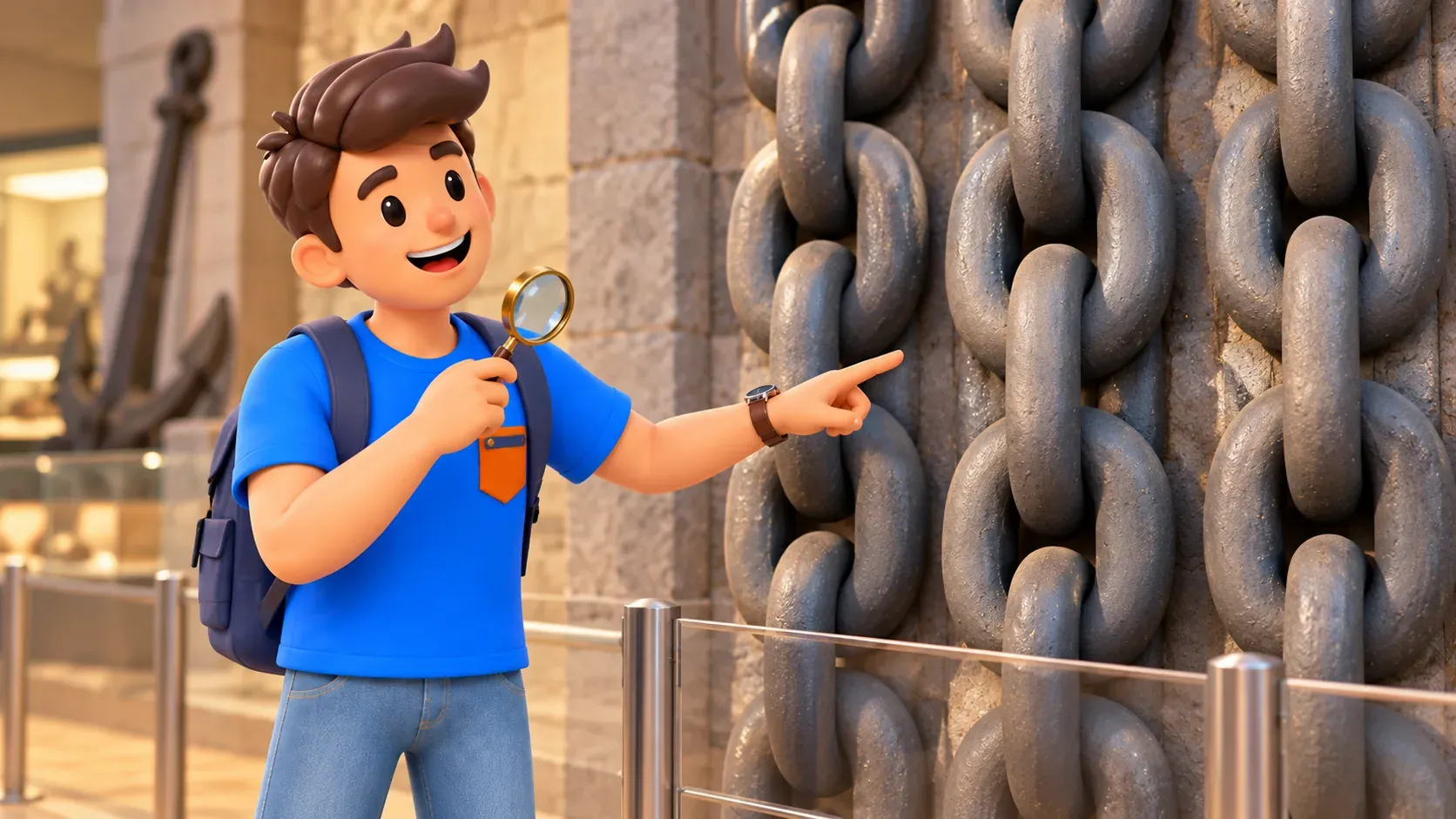
The Lengerhane’s history is associated with making anchors and chains, while the shipyard was associated with servicing vessels. That brief context is enough. Do not assume every old object in the museum worked on this particular site or that each building had one unchanging function. Separate the history of the place from an exhibit’s origin. A car, instrument or model may have reached the collection through another route. Older children can consider a useful distinction: a museum brings objects together, but each has its own biography rather than one shared factory, owner or date.
Parts of the site relate to a present-day street. Follow current visitor routes and staff instructions when moving between them; a visible exit is not necessarily an internal shortcut. Locate rest areas and the facilities your family needs before beginning a long section. With a pushchair or difficulty using stairs, establish accessible approaches and spaces beforehand. Historic buildings, outdoor displays and particular transport objects can have different arrangements. The word “family” does not mean equal access to every cabin, deck or floor. Choose a visit that works for the actual people accompanying you.
First selection: transport and one clear question
Start with the family’s most anticipated subject while attention is fresh. With road transport, compare wheel size, the driver’s position or how people were carried. With models, look for differences between a reduced copy and a full-size object. Do not promise a particular car or aircraft based on an old photograph: accessible displays and viewing arrangements can change. The useful goal is an understandable observation, not a specific exhibit name. Ask a child to choose one thing they want to learn more about, rather than requiring them to remember everything they pass.
A transport collection does not automatically offer a ride. Seeing a vessel, carriage or cockpit from outside is different from permission to enter, turn a wheel or press a button. Follow current signs and instructions. Where an interactive feature is provided, use that feature rather than treating a neighbouring historic object as a toy. Discuss how older controls differ from a familiar modern device. Shape, scale and construction remain interesting even when a driver’s position is inaccessible. This protects the day from depending on an unconfirmed expectation of boarding every appealing vehicle.
After several large objects, turn to something small. Asking why adults need models can be more interesting than another complete circuit of similar vehicles. Compare what becomes easier to understand at a smaller scale and what is lost. Invite older children to identify a clue to function, younger children to choose a shape or colour. There is no need to award a winner. Several different answers are enough. The first 105–120 minutes include these stops and ordinary movement, not continuous label reading and a photograph of every technical description.
A break, then a different kind of technology
Take a twenty-minute break in an authorised place while still on the museum visit. It need not become a full lunch. Establish where sitting or permitted refreshments are available, and do not eat beside exhibits simply because someone is hungry. If you need to leave the ticketed area, ask about return conditions first. Use the pause to reconsider the remaining plan. A child may already have received enough from the first subject. Shortening the second preserves a calm finish better than insisting on every previously selected case and turning the visit into an argument about the timetable.
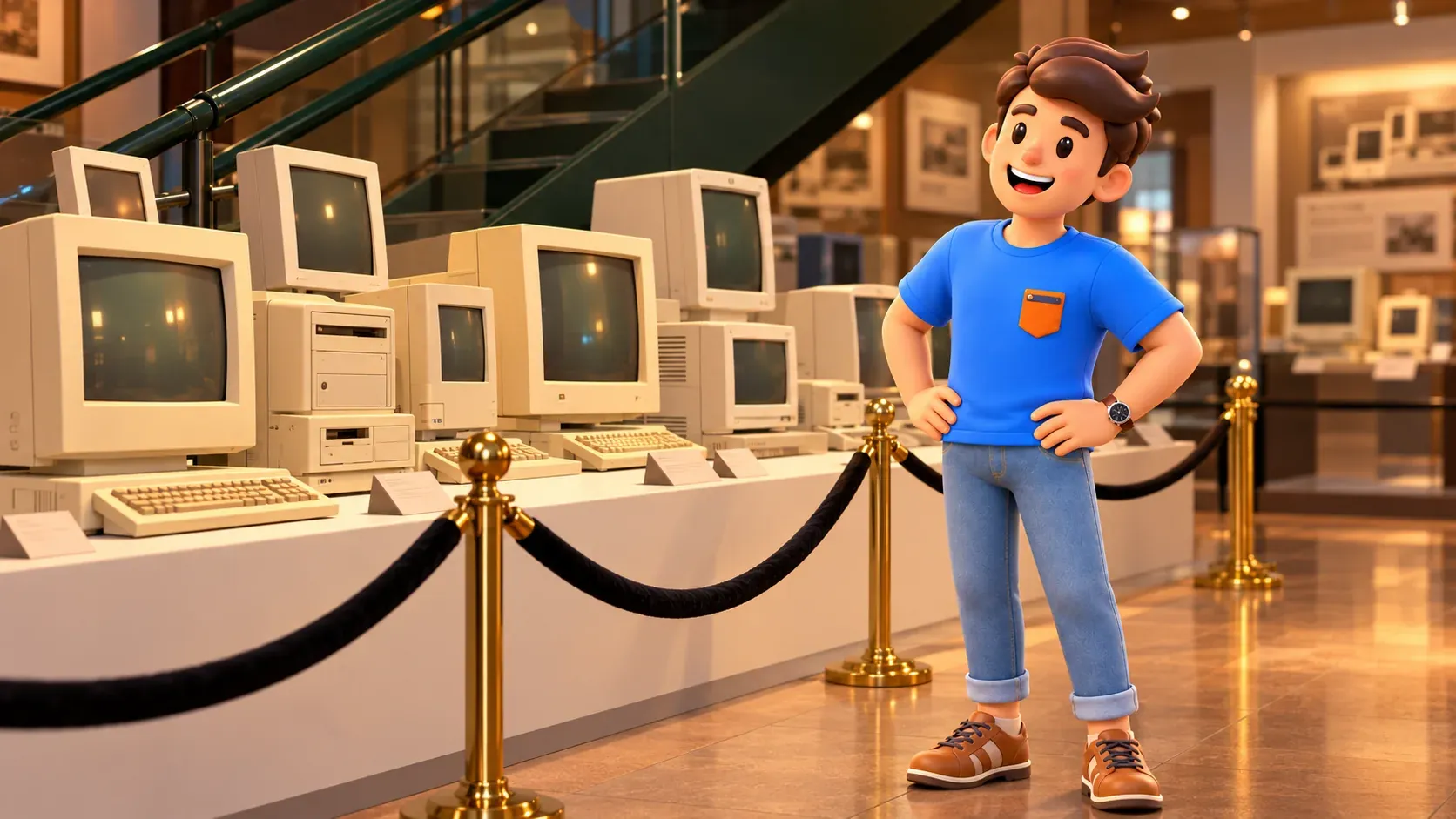
For the second selection, choose communication, instruments, models or another available subject different from the first. An older telephone or computer can begin a conversation through a familiar device. What does it do, how does a person give a command, and where does the response appear? Do not claim every machine works or can be tested independently. Compare form and interaction through the available display. Adults may recall their own childhood, but avoid making the stop a long monologue. Ask what the child noticed and what question emerged, then decide whether to stay longer.
Sixty to seventy-five minutes does not require covering every remaining department. Keep one general idea rather than a full inventory: technology changes movement, communication or measurement, and familiar things become history too. If a new interest appears, save it for another outing. Today does not need to satisfy every direction immediately. A large museum allows choice rather than demanding completion. Different family members can find something personal without spending equally long beside each object that fascinates only one of them. That flexibility is a strength of the day, not evidence that the museum was left unfinished.
Confirm extra activities before making them essential
The museum’s family pages present play opportunities, activities and Golden Horn boat outings. Treat them as separate offers, not free additions to every admission ticket. Ask about schedules, age conditions, reservations and the relevant charge. Boat outings depend on weather and have a separate price. A photograph of a special transport object does not establish current interior access either. If an extra experience matters, confirm it before travelling and redistribute the main visit. Do not add a long wait and another programme to the same five and a half to six hours as if time and energy expanded automatically.
Choosing no extra can be a good decision. One child may be satisfied by a large vehicle and models, while another wants longer with instruments. Someone else’s family report does not tell you your children’s ages, energy or preferences. A return for a workshop can have its own purpose. On the first day, a positive overall experience is more useful than making one special object a compulsory final prize without which every earlier discovery becomes inadequate. Explain expectations simply: today you will explore selected subjects, with extras decided according to current conditions and how everyone feels.

Lunch after leaving, then a short Golden Horn finish
After completing the museum visit, leave about forty-five minutes for lunch at an open place with a clear menu. Check prices before ordering and avoid depending on one guaranteed table or an old recommendation. This order lets you finish the museum without assuming readmission after an external meal. If younger children need a substantial meal earlier, change the sequence beforehand and establish ticket conditions. They should not have to wait merely to preserve an editorial framework. A plan helps the family; it should adapt when the written timetable no longer matches actual needs.
Allow around thirty minutes for an accessible public waterfront area or a quiet place near your chosen exit. This does not promise continuous access to museum quays and the entire shore. Where an approach is closed, use a permitted place to pause and continue towards transport. Another large museum or crossing to the opposite bank is unnecessary. For a different day, choose the separate Eyüp and Pierre Loti programme or a Rami Library outing if its format and rules suit your family. Today, recall one mechanism, one unexpected object and a question worth exploring later.
Bringing these interests into a coherent trip is easier and more effective in RoadMe, which works out a personal itinerary with suitable days and a comfortable pace for your family. Download Istanbul beforehand while online to use maps and navigation offline afterwards.


