
Ewha and Sinchon: campus architecture, a museum and neighbourhood streets
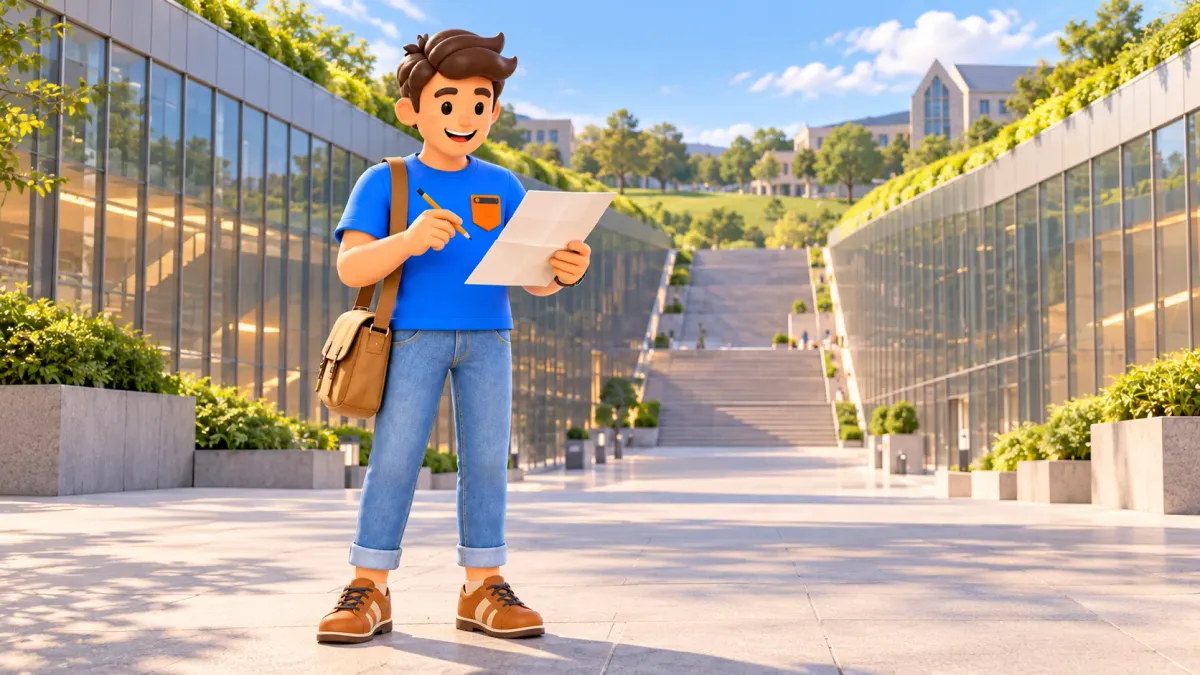
Ewha and Sinchon suit three to four hours of architecture, a museum and an easy neighbourhood pause. Start at Ewha Womans University station on Line 2, observe permitted outdoor areas around ECC, visit the university museum and continue along public streets towards Sinchon on the same subway line. Add travel from your accommodation separately. Choose a weekday for the museum version and check its calendar beforehand.
The walk offers several ways of learning to look. ECC reveals space through terrain and light; the museum reveals an object through material and work; the neighbourhood reveals everyday urban relationships. The university remains a place of study. This programme uses permitted visitor areas and museum access, without assuming entry into classrooms, research spaces or every campus building.
One architectural anchor, one museum, then the neighbourhood
Make Ewha’s museum the main cultural stop, then leave room for Sinchon. Adding several university museums changes both pace and geography. Observe ECC before the galleries or around the museum’s opening window, rather than leaving the indoor stop until late afternoon. Follow current campus directions and public connections instead of shortcuts through service courtyards or apparently open study buildings.
Plan this half-day much more conveniently with RoadMe: the app develops a complete personal route or trip around your interests, dates and pace. Architecture, art, neighbourhoods and rest receive suitable space in a programme that is easier and more effective to follow.
| Part | Suggested allowance | Focus |
|---|---|---|
| Approach and orientation | 20–30 minutes | Permitted entrance and current layout |
| ECC outdoors | 35–45 minutes | Valley, glass and planted surface |
| Ewha museum | 60–90 minutes | A selection of Korean art |
| Streets towards Sinchon | 25–35 minutes | City beyond the campus |
| Break | 30–40 minutes | Food or coffee and rest |
These are editorial estimates, not measured connections. Three to four hours requires selection rather than every staircase, building and shop. If the exhibition absorbs you, shorten the street section while keeping a sensible return. A date when the museum closes creates a different outdoor version, with less depth at the cultural stop. Free admission does not make those two programmes identical in what they offer.
Names and transport references
Ewha Womans University station on Line 2 provides the starting reference towards the main university approach. Save 이화여자대학교 ECC and 이화여자대학교박물관: complex and museum have different entrances and functions. Follow university signs and current visitor access. An ECC marker does not mean the museum sits inside the glass valley or that any complex doorway leads to an exhibition.
Finish at Sinchon, 신촌, on Line 2. A separate railway station carries a similar name, so select the intended line when arranging the return. The neighbourhood is larger than one subway exit. For this outing, public streets between the university surroundings and that transport reference are enough. A full Yonsei campus visit, Hongdae and every adjacent student district need their own time.
On weekdays, allow for ordinary student movements and working university life. A narrow entrance should not become a prolonged photo position. Nor does the city section assume a continuously pedestrianised street: use pavements and crossings according to current arrangements. This leaves more attention for architecture and objects rather than repeatedly guessing where visitor space ends and an institution’s daily working area begins.
Ewha’s educational history behind the buildings
The institution traces its origins to 1886, when Mary F. Scranton began modern education for women in Jeong-dong. Ewha moved to the present Sinchon campus in 1935. Founding date and the age of a particular nearby building therefore differ. The campus developed over time, with ECC belonging to its twenty-first-century expansion rather than the first school’s original setting.
This gives the visit more depth than a single striking view. Ewha’s history involves widening women’s opportunities in education, research and professional work. The continuing purpose matters alongside façades. Classes and scholarship take place here. Respecting those activities means seeing a living institution rather than an empty backdrop for photographs. The architecture is interesting partly because it supports real daily use, not simply because it can be visited.
ECC reads as a valley
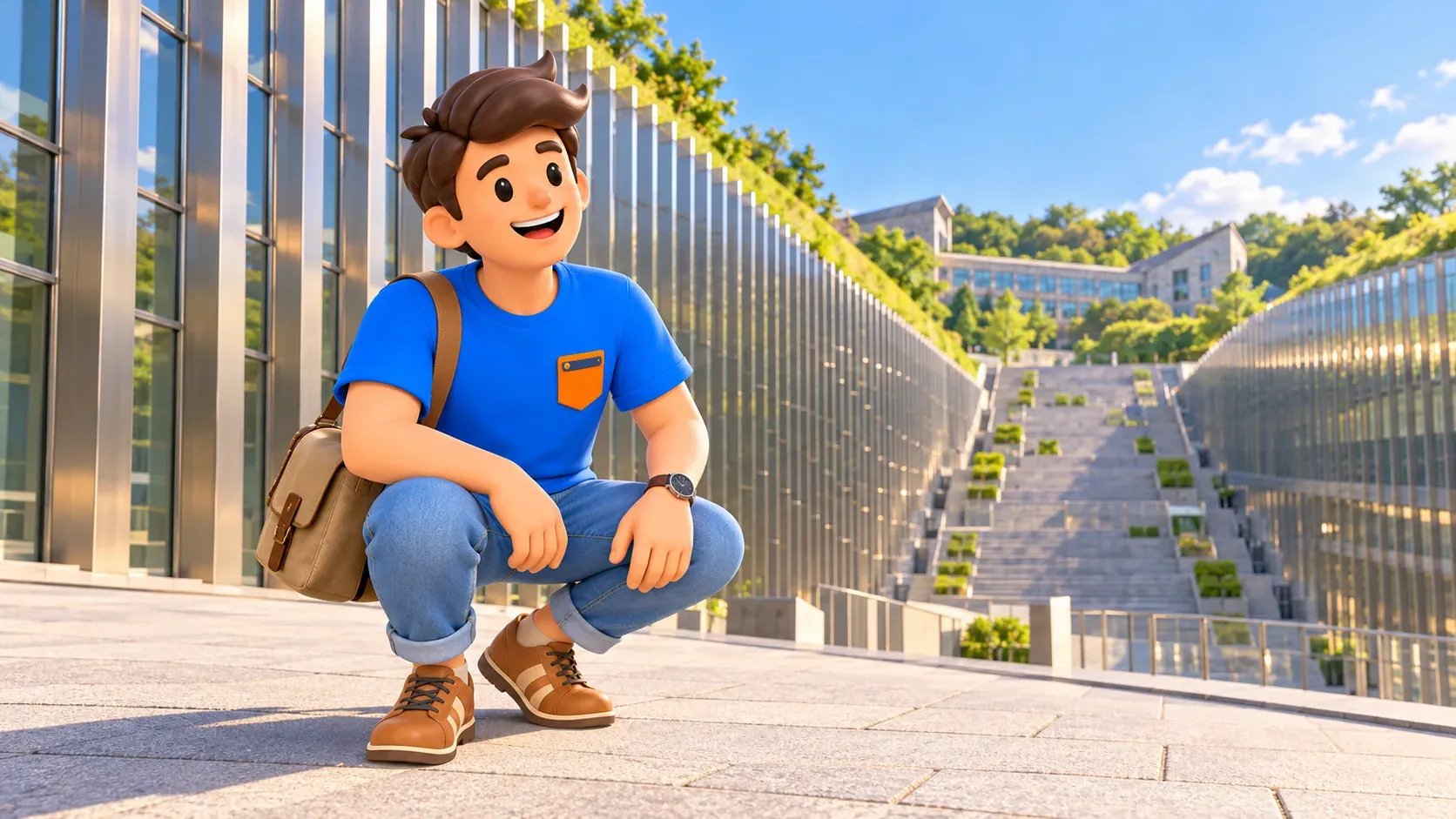
Dominique Perrault designed Ewha Campus Complex, which opened in April 2008 after an international competition and construction in the mid-2000s. A broad cut between opposing glass walls creates its main image. Much of the university programme sits below ground while a planted surface remains above. Architecture becomes a change in terrain, legible before entering an interior or learning the names of its rooms.
From a permitted outdoor position, look along the valley perspective. One approach descends gradually, while broad stairs return movement towards the upper level. Opposing façades reflect light and sky. Rather than simply taking the whole scene, notice direction: where the surface is cut, where depth appears and how the building retains its relationship with open campus space. Those observations explain the project’s distinctive organisation.
The planted roof offers another way of increasing useful area. A large complex need not stand as a tall separate mass; it can occupy the landscape while maintaining a sense of open surface above. This is an architectural principle rather than permission to walk on every lawn or roof area. Permitted paths and current barriers determine the actual visitor route, regardless of how accessible a surface appears in a photograph.
Choose one detail to understand the design
After the broad view, select the rhythm of the glass wall’s vertical elements. Repetition emphasises depth, while reflections change as you move slightly. Then notice the meeting of glass, paving and planting. A few relationships explain more than a long sequence of identical stair photographs. Independent observation needs neither a technical plan nor specialist architectural education, only time to compare a detail with the whole.
If you sketch, use a few lines on your own sheet: two façades, the lower plane, stairs and sky. The drawing helps observation without becoming a navigation map. The illustrations convey atmosphere and design ideas, not a verified access route for your date. Follow the real layout, keeping entrances clear and avoiding long pauses where people are moving between classes or other university commitments.
Understand the current visitor conditions
The university states that general public campus tours are discontinued until further notice. That is a condition of an organised programme, rather than a promise of free guiding or proof that every exterior approach is permanently closed. Individual visits remain subject to permitted spaces and current arrangements. If access is refused, respect staff directions instead of looking for another route through an adjacent building.
Classrooms and research areas are closed to ordinary visitors. University rules prohibit photography that infringes students’ rights and commercial filming, and outside visitors may not enter after 22:00. Choose daylight and observe from a permitted position. An old tourism leaflet naming a particular door is not a standing pass to every current ECC interior, even when the document remains available online.
Ewha museum: look closely at an object
Founded in 1935, the museum developed within university research into cultural heritage. Its collection includes archaeology, ceramics, painting, calligraphy, dress and textiles. Collection scope does not mean every category appears simultaneously. Check the current exhibition programme and select an interest: a vessel’s form, the construction of a seam, or the relationship between an image and its material. One clear question helps a short museum window remain satisfying.
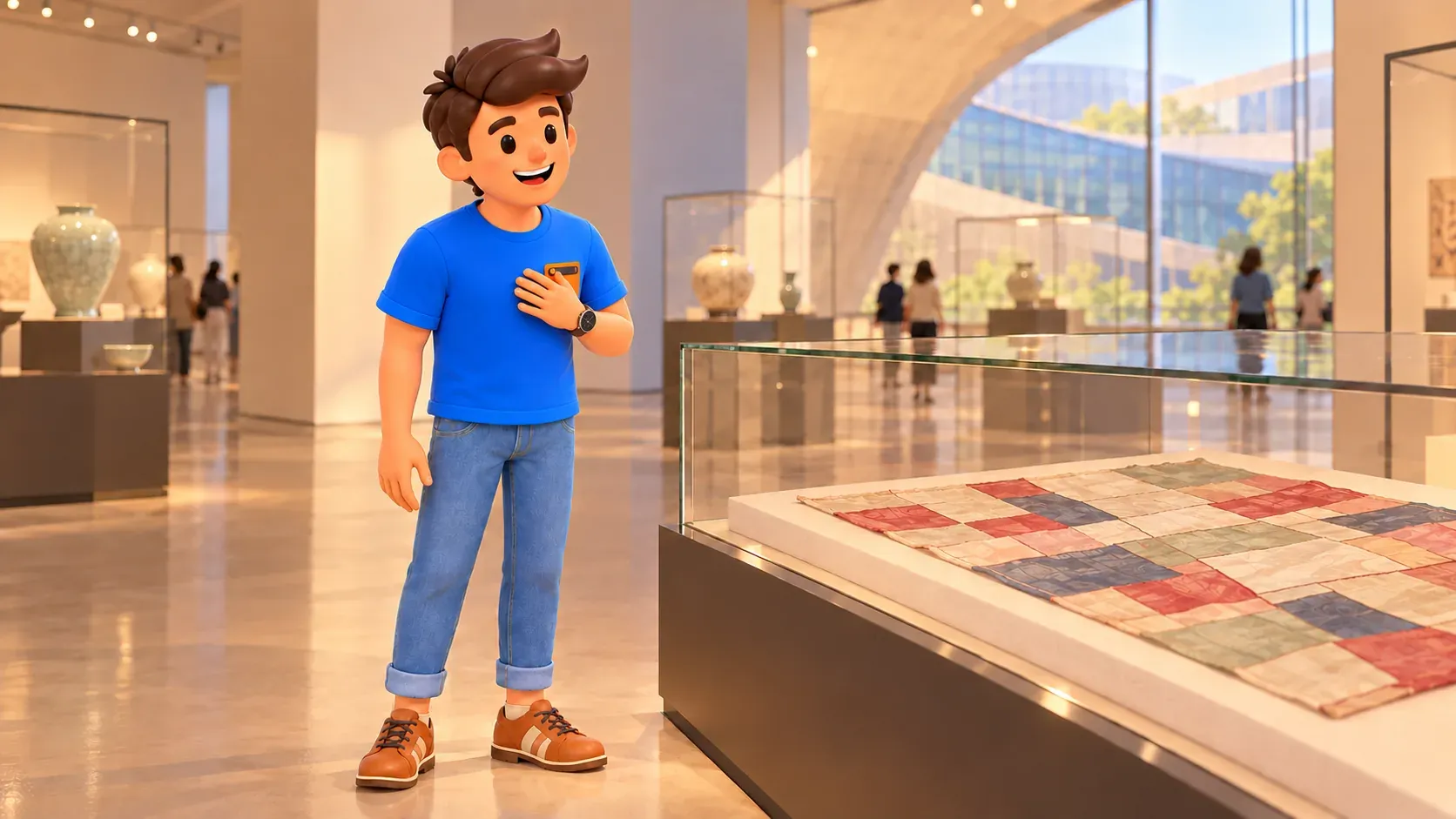
With ceramics, compare silhouette, rim and surface through the available interpretation. Glaze and proportion connect technique with intended use. Textiles offer a different scale of attention through seams, repeated patterns and joined pieces. The illustration presents an imagined Korean patchwork cloth, not a promise of a specific object in today’s gallery. Exhibitions remain the museum’s changing selection rather than an unchanging set of compulsory examples.
Ask what work a finished object usually hides. Its apparent unity comes from successive actions, material knowledge and the maker’s decisions. Choose one visible trace of that work and compare it with the whole. Reading every label or knowing every dynasty is unnecessary. A brief visit can leave a few concrete observations that help you recognise related forms in other Korean museums later in the trip.
The museum date matters
Current museum information lists Monday to Friday, 09:30–17:00, with free admission. Saturdays, Sundays and public holidays are closed. The last Wednesday of the month has extended hours until 19:00, but the short route need not depend on that evening exception. This differs from older guides listing Saturday opening. Use the museum’s present notice rather than repeating a convenient schedule from an earlier campus brochure.
January and February, as well as exhibition changes, can bring closure periods whose dates vary. A weekday alone does not guarantee entry. Check the programme and arrangements for your date beforehand. Keep food outside the galleries, leave objects untouched and follow photography signs. The museum stop does not include professional library access or participation in an educational activity without that programme’s separate conditions.
Continue into Sinchon’s public streets
After the museum, return to the permitted exit and head west along public streets towards Sinchon. The connection relates campus architecture to ordinary urban life. Notice shopfront scale, main streets and side passages, meeting places and pedestrian movement. No list of particular businesses is required. The purpose is to change setting and choose a comfortable break according to what is available when you arrive.
The area is associated with universities, but not every passer-by is a student and apparent age is not permission for a portrait. Façades, street movement and your own pause provide enough material for an impression. Do not expect a concert, book talk or identical atmosphere at every hour. Everyday Sinchon changes with academic calendars, weather and time while remaining a living neighbourhood rather than a permanent staged event.
Choose food or coffee after the galleries, outside spaces with drink restrictions. Let the pause take its planned place rather than becoming another compulsory photo stop. A continuation towards Yonsei is a separate decision based on remaining time and campus conditions. For these three to four hours, finishing at Sinchon on Line 2 is already coherent and does not require a second museum programme.

Arrange the whole stay more conveniently with RoadMe: the app prepares a complete personal plan around your interests and distributes architecture, museums, neighbourhoods and rest across your days. A developed programme helps you choose suitable activity levels and use time effectively while leaving room for your own discoveries.
The walk works through three scales: ECC’s built landscape, an object in the museum and Sinchon’s street life. Retain selected observations rather than trying to complete all university Seoul in one half-day. A clear subway finish makes the next step easy. If museum or campus access changes, move the full version to an appropriate date and keep the public neighbourhood section as a separate shorter walk.


