
Ekkamai with children: a science-centre half-day while the planetarium is closed

A family outing in Bangkok does not need a long list of attractions. In Ekkamai, the Science Centre for Education offers a reason to spend a few hours following children’s questions rather than moving from one landmark to another. Choose a small amount of science, make room for a proper break and finish before curiosity becomes exhaustion. That is a more useful goal than trying to see every exhibition in the complex.
First, a change that matters to the plan: the centre announced the temporary closure of the Bangkok Planetarium building from 30 March 2026 for renovation expected to take approximately eight months. That estimate is not a confirmed reopening date. While the closure applies, do not build the day around a dome show. The announcement says science exhibitions in other buildings continue; establish which sections are accessible on your date before travelling.
Is this the right family outing?
This idea works best when someone in the family enjoys asking how things work and the adults are happy to explore a limited selection together. It is not a promise of unrestricted play in every room or a complete indoor substitute for all weather conditions. The complex has different buildings, and the walk from transport, approaches and meal arrangements still belong in the day’s practical planning.
With RoadMe, it is much easier to build a personal Bangkok trip around your family’s interests, available time and preferred pace. Let the app work out a coherent plan with room for discoveries and breaks, rather than organising each outing from scratch.
Ask children to choose one broad interest before you go: everyday science, ideas about future technology or the kinds of work people might do. You do not need to promise a particular experiment to create anticipation. A question such as “What would you like to understand today?” leaves room for the exhibitions actually available. It also avoids disappointment when an online photograph shows something that is not operating during your visit.
If the only reason for the journey is a planetarium performance, postpone that particular outing until a reliable reopening announcement and a current programme are available. A science exhibition and a seated show under a dome are different experiences. One does not automatically replace the other for a child who has been expecting stars overhead. Explain the change before leaving the hotel, not at the ticket desk.
What the centre adds to a Bangkok trip
The planetarium opened in 1964, giving the complex a place in Bangkok’s history of public science education. Its appeal is therefore different from another decorative building or shopping stop: it introduces the city as somewhere people learn, experiment and imagine their future. The current renovation is part of the practical context, not a reason to suggest that a historic reputation guarantees access to every part of the site.
A useful recent point of reference is the centre’s SCIENCE TOPIA announcement from April 2026. It presents science through questions, basic principles, future technology and possible careers. Treat those as themes for choosing what interests the family, rather than a list of guaranteed working devices. You can have a worthwhile visit by following one idea carefully, even if you do not attempt every advertised area.
For a wider holiday, put this half-day among different kinds of experiences. Our three-day Bangkok outline offers a way to think about variety across a stay. Ekkamai belongs on a day when you want to give children’s interests real space, rather than squeeze a science visit between a demanding temple morning and a late evening elsewhere.
Before leaving: access, calendar and language
Check the current visitor notice, open exhibition sections and admission arrangements. The centre’s general exhibition calendar closes on Mondays and public holidays; special notices can change an individual date. Office hours are not the same as public exhibition access. Older planetarium timetables, booking pages or references to an English show do not override a building closure. Choose an exhibition visit only when its current conditions suit you.
Language deserves a realistic assessment. Do not assume that every label, activity or staff explanation will be available in your family’s language. Younger children may enjoy looking and discussing with an adult, while older children can find a text-heavy subject less rewarding if they cannot follow it. Check the support that matters to you, and choose visual or conversational ways of exploring without promising that reading will be unnecessary.
Plan a practical approach from Ekkamai rather than treating a station name as the whole journey. Allow for the actual exit, pavements, crossings and entry point, especially with a pushchair. If stairs or walking distance matter, establish suitable access beforehand. This article does not certify a continuously step-free route through the station, streets and all exhibition floors. A convenient location still needs a route that works for your group.
Buy admission for the experience that is available, and ask which spaces it covers. If you intend to leave for food and return, establish whether re-entry is allowed first. A simple alternative is to complete the exhibition visit, then have the meal afterwards. No ticket price or payment assumption is needed to make this choice; the important point is to avoid promising two visits on one admission without checking.
The first forty-five minutes: follow one question
Allow roughly fifteen minutes on arrival for orientation, tickets and finding the appropriate starting area. Then give your first interest about forty-five minutes. These are estimates, not a required timetable. Begin with something the child notices rather than the most advanced subject in the building. A familiar question is often a better way into a scientific idea than an adult’s determination to start at the beginning of every display.
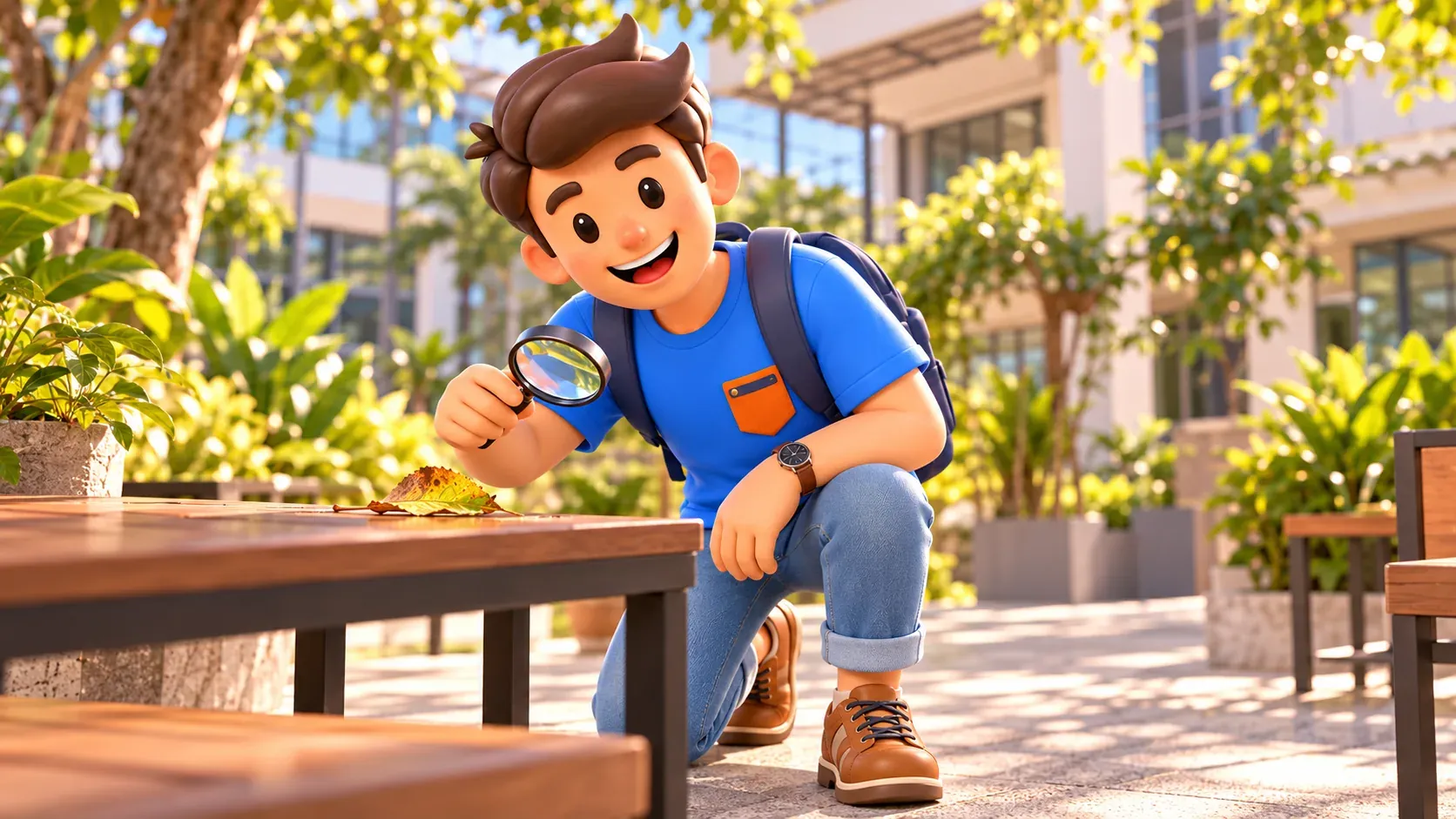
Try a simple sequence: look, make a prediction, then compare it with the explanation or permitted demonstration. Ask what seems different, what might be causing it and what you would want to try next. Do not invent an answer when the material is unclear. Saying “Let’s see what the explanation says” keeps the experience collaborative and gives children permission to be curious without immediately being correct.
Where an exhibit is intended for interaction, use it according to the instructions and wait your turn. Where it is a model or display, looking may be the correct activity. The word “science” does not mean every object can be handled. If something is unavailable, move towards another question without turning the afternoon into a hunt for the same machine seen in somebody else’s video.
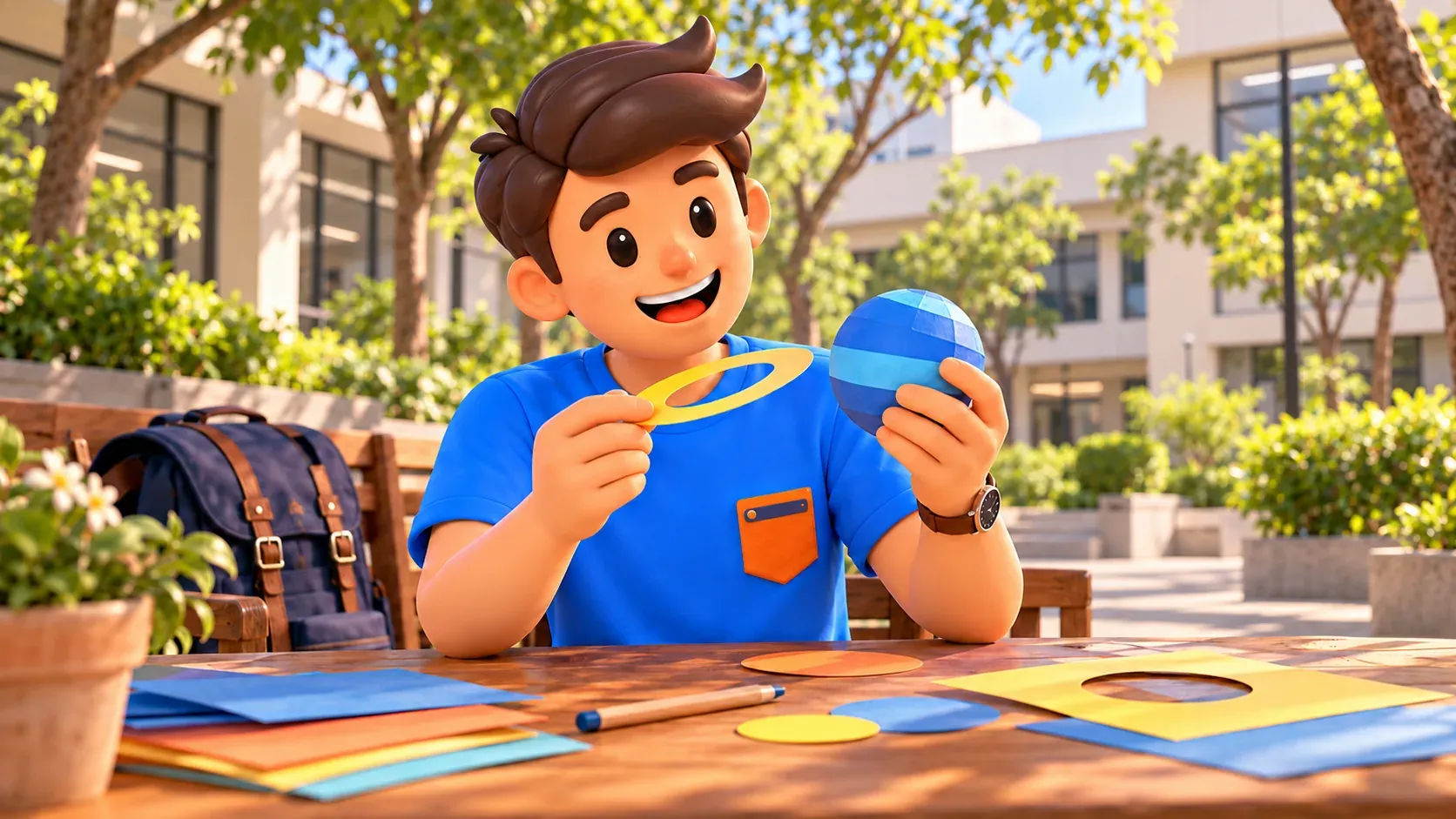
For siblings, agree that each gets to select an idea, not that everyone must enjoy exactly the same thing. One can describe what they noticed while another chooses the next observation. If their needs are very different, a shorter shared visit may work better than insisting on a complete route. The aim is a good family outing, not identical learning outcomes or a photograph beside every display.
The break is a decision point
After the first section, allow about twenty minutes to rest in a permitted place. Keep food and drink within the centre’s rules and ask where you may pause if the arrangement is unclear. This is not automatically a trip outside the paid area. If the only suitable break requires leaving, decide whether to finish the visit rather than assume you will be able to re-enter.
Ask a practical question instead of announcing the next compulsory stop: does everyone want one more topic, or would food and the journey home be better? A child who has become quiet may be concentrating, tired or simply finished. You do not need a diagnosis to make the day shorter. The plan has succeeded if one idea remains interesting enough to talk about later.
A second interest, if there is still energy
If the group wants more, use another forty-five minutes for a contrasting theme among the open sections. A child drawn to everyday explanations might now enjoy considering a future invention. A teenager may prefer a discussion of careers or technology to another simple demonstration. These are ways to select from the programme available, not guarantees that a particular activity or workshop will run when you arrive.
For younger children, make the second section shorter and keep expectations concrete: one more thing to look at, then food. School-age children may enjoy comparing two explanations, while older ones can ask who develops a technology and what problem it is meant to solve. These are flexible suggestions based on interest and attention, not official age bands or a claim that every exhibition is suitable for every child.
When adults are interested too, say what you find surprising and let the discussion go both ways. You do not have to behave like a guide delivering a lesson. A shared question can make the visit more memorable than a succession of facts. If attention has faded, finish at a natural point rather than saving the most demanding topic for the final minutes.
Food, a calmer finish and the way back
Allow around thirty minutes for a meal or snack after the exhibition visit, using a suitable place and the centre’s food rules. Choose somewhere practical for the onward journey, with the seating and food your family needs. There is no essential restaurant built into this route. A familiar meal can be a sensible choice after a busy visit, particularly when the children have already made plenty of new discoveries.

Keep the end uncomplicated. Confirm the pickup point or station approach before everyone is hungry or tired, and leave an extra twenty-five minutes for exit arrangements and small delays. This reserve is not a measured return journey to your hotel. If the family is ready to leave earlier, use it that way. An afternoon does not become more valuable simply because every available minute is occupied.
RoadMe makes the whole trip easier to organise by developing a personal itinerary around your family’s interests and pace. Use the app to balance this science half-day with the rest of Bangkok, leaving useful space for meals, rest and experiences you genuinely want.
A three-hour plan that can shrink
The working allowance from arrival is about three hours: fifteen minutes to settle in, forty-five on the first topic, twenty to rest, forty-five on a second interest, thirty for food and twenty-five for leaving and contingency. Travel from your accommodation and back is additional. Actual queues, open sections and your children’s attention determine how much of this outline you use.
If only one section is enough, skip the second. If the current exhibition offer does not suit your family, choose another outing instead of going merely because Ekkamai appears convenient on a map. And while the dome remains closed, keep its future show as a separate possibility requiring a new check. The renovation estimate is not an appointment you can rely on.

A successful Ekkamai half-day can end with a single good question and enough energy for the rest of the holiday. That modest goal makes room for children to lead, adults to enjoy the visit and the city to feel like more than a sequence of famous buildings. Confirm what is open, choose a small amount and let curiosity determine when it is time to stop.


