
Dubai before skyscrapers: what the places around the Creek reveal
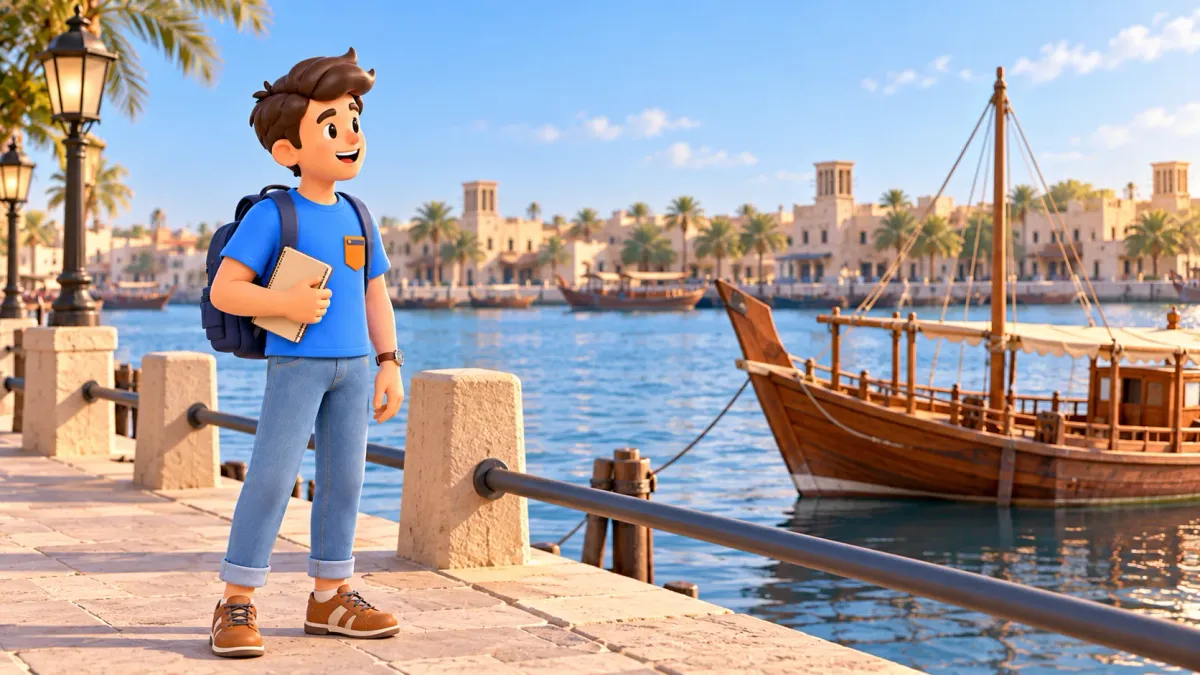
Before the skyline, Dubai was already a town of movement, skilled work and exchange. The Creek helps make that history understandable. Boats, markets, domestic courtyards and places of authority belonged to a connected system rather than a collection of isolated monuments.
A historical outing becomes more rewarding when you follow those relationships. You can choose one museum subject and one stretch of the surrounding urban environment, then look for the links between water, goods and everyday life. This approach gives the older city a story without requiring every historical address in one day.
Read the Creek as the organising thread
The Creek was a working waterway and a connection to maritime trade. Its banks help explain why commercial activity and settlement developed around access to water. Looking at a waterfront as infrastructure changes the questions you ask: what arrived, who handled it and where did it go next?
RoadMe develops a personal Dubai itinerary around your interests, dates, pace and budget, making it much easier to turn historical curiosity into a coherent trip. Use the app to balance the Creek’s stories with museums, neighbourhoods and the rest of your journey.
Start with the relationship between the two banks rather than a list of unrelated stops. Bur Dubai and Deira offer different parts of the trading environment. Do not mistake their shared historical subject for a single uninterrupted walking route.
Choose the part you want to understand and confirm the practical connections for your date. A waterside view, a museum visit and a crossing are separate activities with their own access and operating arrangements. The historical thread connects them intellectually before your itinerary connects them physically.
Al Shindagha: history through homes and working lives
Al Shindagha Museum occupies a restored environment of historical houses near the entrance to the Creek. Its approach connects maritime trade, family life, crafts and the formation of the city. The setting matters because the building is part of what the museum explains.
Courtyards, walls and passages make the scale of earlier domestic life more tangible. A photograph or an everyday object can then connect that space with a person’s experience. The story moves between urban change and the choices, skills and memories of individual households.
The renewed museum complex opened in 2023. Its heritage setting includes restoration and adaptation, so it should not be read as an entirely untouched town. Understanding the work of preservation helps distinguish the historical source from the way it is presented today.
Choose one theme that genuinely interests you: maritime work, domestic life or a particular craft. Follow how it relates to other activities rather than trying to absorb every subject in a single visit. A focused chapter often gives a stronger memory than a rapid inventory.
Before going, confirm the current museum offer, entry conditions and the parts available to visit. A description of the wider complex does not establish access to every house. Build your outing around the actual visit you select.
The Al Maktoum Residence: authority at domestic scale
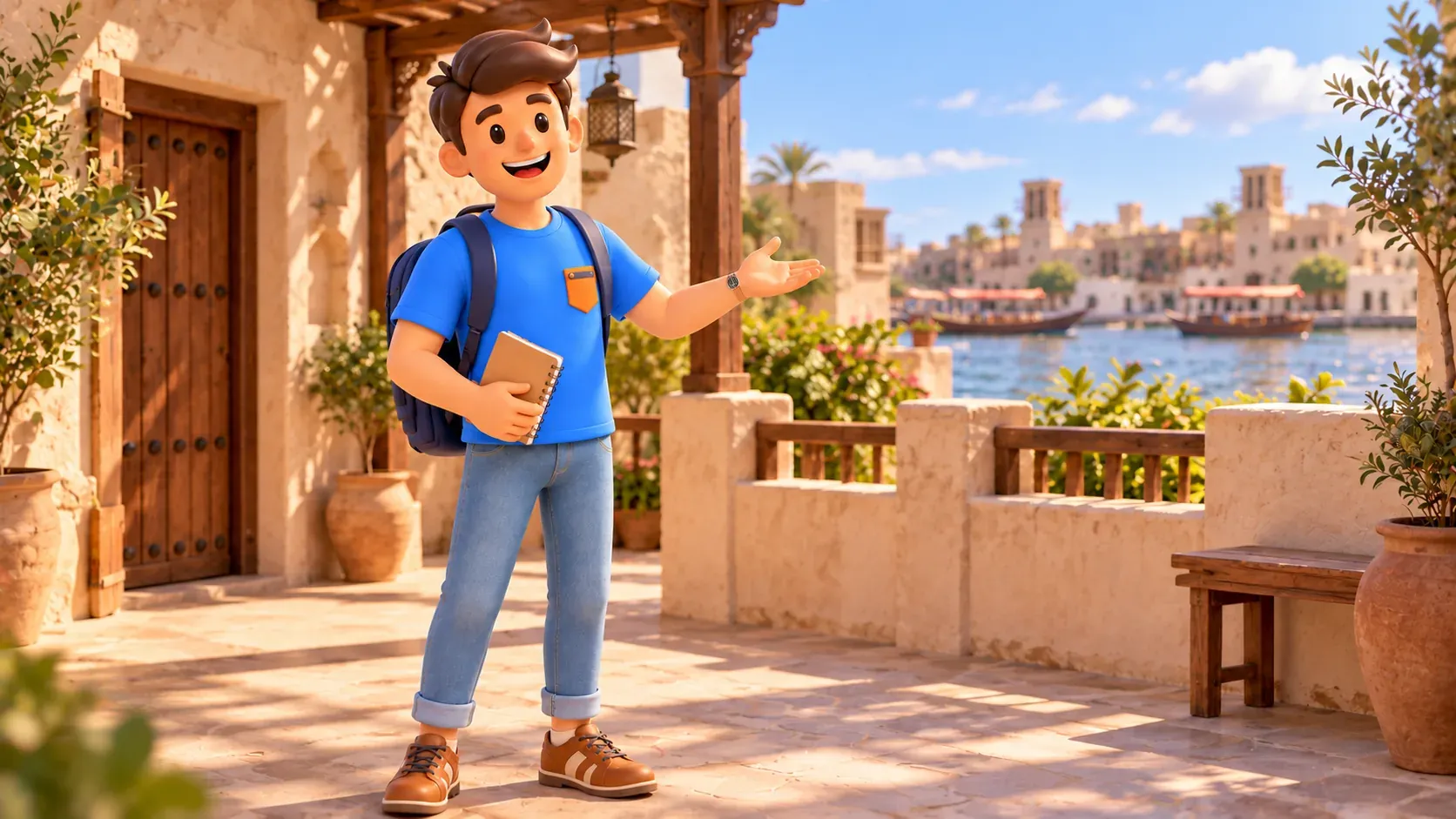
The Al Maktoum Residence, also known as Sheikh Saeed Al Maktoum House, belongs to the Al Shindagha museum setting. Dating from 1896, it connects the ruling family’s history with the spatial organisation of a traditional house beside the Creek.
Its significance is not limited to an impressive façade. Courtyards, reception areas and more protected domestic spaces show how a residence could combine public and private responsibilities. The relationship with the waterfront places political life within the town’s wider maritime economy.
Sheikh Saeed bin Maktoum ruled from 1912 to 1958, a period spanning major changes in the pearling economy and trade. The house gives those broad processes a human scale. Family history, documents and the building’s arrangement can be considered together rather than as separate subjects.
Notice the transition between enclosed edges and internal open space. It helps explain why an outwardly restrained building can contain a complex sequence of uses. The architecture is evidence of social relationships as well as construction.
Keep this house within the current organisation of the museum visit. Do not count a historic name and a modern pavilion label as automatically different attractions with separate admissions. Check the actual presentation and access before planning multiple entries.
Al Fahidi Fort: a different kind of historical evidence
Al Fahidi Fort dates to the late eighteenth century and is associated with several roles, including defence, residence and administration. Dubai Museum opened there in 1971. The history of the fort therefore extends beyond one function or one modern exhibition.
Its low walls and towers offer a different relationship with scale from the modern skyline. They help bring attention to enclosure, protection and the concentration of authority. A fort is not simply an old house with thicker walls; its form answers a different set of needs.
Separate the existence of the historic structure from access to the museum or interiors. The story of a museum opening in 1971 is not a statement that its galleries are available on your travel date. Confirm the current status of any interior visit before including it.
If your interest is in the building, consider what can actually be observed under current access conditions. Do not make a historical outing depend entirely on an assumed exhibition. A museum chapter elsewhere and a carefully chosen urban walk can still support the subject.
This distinction also improves how you read heritage generally. A monument, its restoration and the institution using it belong to related but different timelines. Recognising those layers makes the older city more understandable.

Markets: goods make the trading story visible
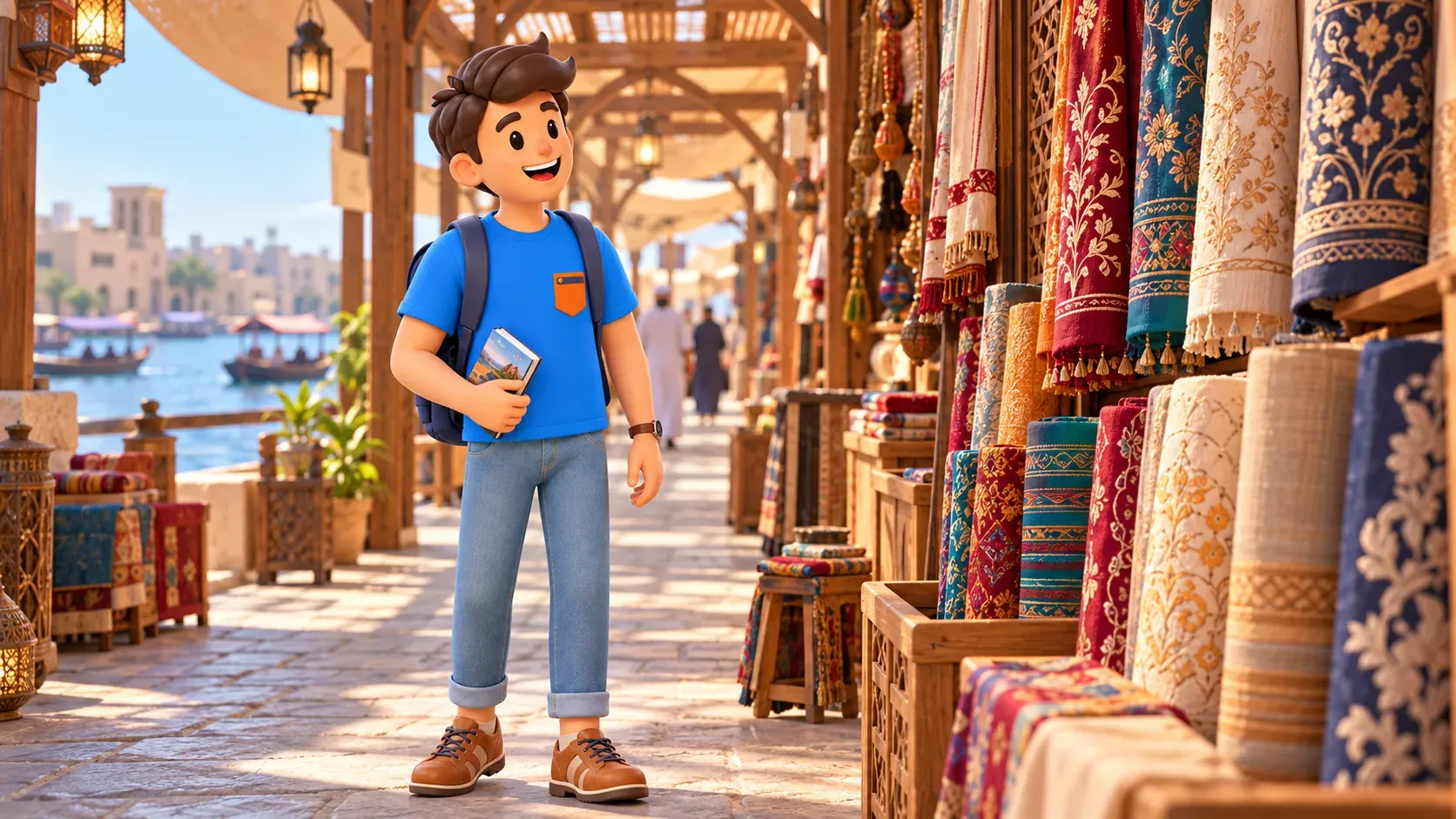
The souks turn maritime exchange into something material. Deira’s spice market and gold trade, and the textile market on the Bur Dubai side, show different relationships between specialised knowledge, small shops and wider commercial networks.
At the spice market, seeds, bark, dried leaves and resins invite attention to the raw material. The category includes more than cooking ingredients: aromatic materials also belong to domestic and hospitality traditions. Ask permission before photographing people or goods closely, and avoid handling products without agreement.
The Gold Souk adds a different kind of skill. Metalwork, jewellery forms and the concentration of specialist traders connect visible objects with knowledge and commercial relationships. A window is the final display of a much larger sequence of making, transport and exchange.
The Textile Souk offers another useful comparison. Cloth moves from a traded material toward clothing and other uses through additional work. Differences in weave, shine and surface decoration can reveal techniques that a general label such as “fabric” conceals.
Market canopies and shopfronts also deserve attention, but their traditional appearance does not mean every visible element is original. These are trading environments that have changed and been renewed. Continuity can lie in activity and scale as well as in surviving material.
You do not need to shop to understand the historical connection. Equally, the markets remain places of work. Keep doorways clear, follow requests and distinguish a respectful visit from treating everyday business as a stage set.
Look for connections instead of a single old-Dubai image
A waterfront, a house and a shop answer different questions. The water explains movement, the house gives domestic and social structure, and the market makes exchange visible. Their relationship is more informative than expecting every place to display one identical heritage style.
Pearling, fishing, boatbuilding and trade were connected with life on shore. They required skills and shaped family and community relationships. A historical account becomes clearer when economic activity is linked to the people who carried it out.
Keep the idea of an international trading town in view. Connections with India, Iran and other maritime regions belong to the earlier city’s story. Modern international Dubai has a different scale, but the presence of exchange did not begin with its skyscrapers.
RoadMe turns your priorities into a personal day-by-day programme, so the whole trip is more convenient and effective to organise. Let the app give history the time it deserves while balancing your other interests and preferred pace.
Use one question to guide the outing. How did a household relate to the water? How did a material become a product? Where did public and private life meet? A question can connect a few well-chosen places without requiring an exhaustive route.
Build a modest historical chapter
Choose a main museum interest, then one compatible section of the surrounding town. Confirm access, the real entrance and the practical journey between them. Add a pause that gives you time to compare what you saw.
If the two banks are both important, check the actual crossing or transport option rather than treating the Creek as a decorative line on the map. The transition is part of the outing and needs its own place in the day.
Keep ambitious additions for another date if they would reduce attention to the main subject. An earlier-Dubai chapter can be complete with a small number of places when their connections become clear.
The earlier city remains a useful perspective
Read the Creek through movement, homes, authority and goods. Al Shindagha, the residence, the fort and the souks offer different evidence, and current access determines the visit you can actually make.
The value is more than a contrast with the skyline. These places reveal a city shaped by working knowledge, households and exchange — a history that makes the wider Dubai journey more interesting.


