
Dahlem in half a day: estate, museum or Botanical Garden
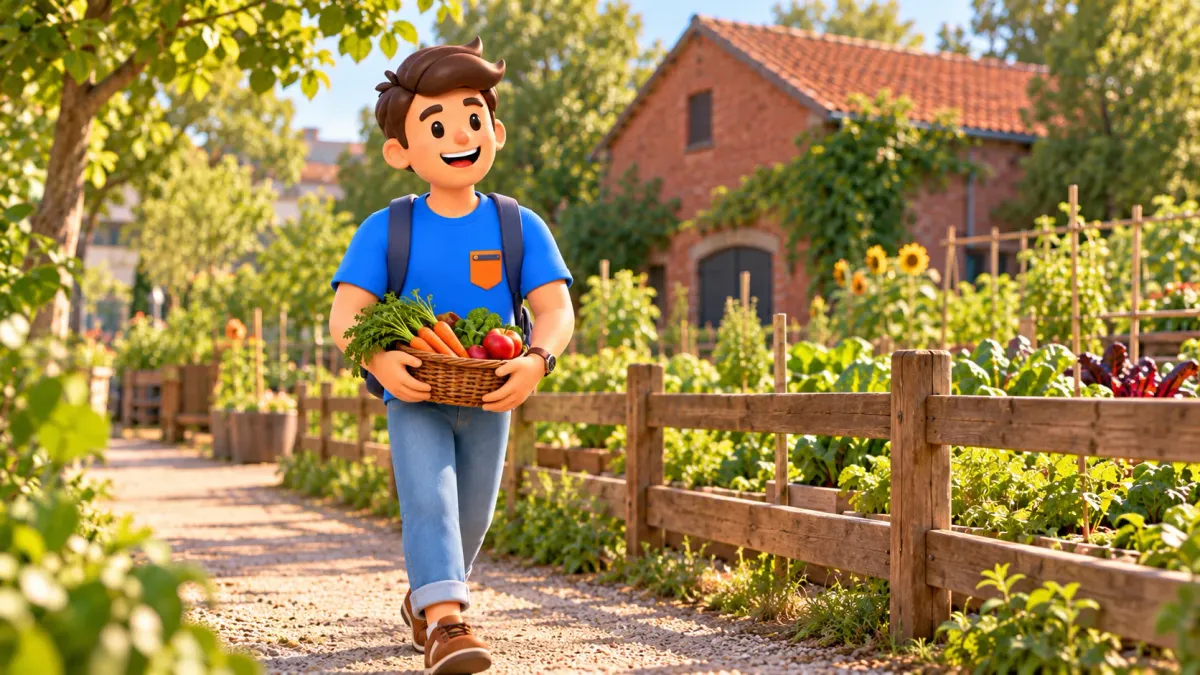
A half day in Dahlem works best when you choose between two ideas: a working estate followed by one museum, or a separate visit to the Botanical Garden. Allow four hours for either, plus your journey across Berlin. For the estate option, start at Domäne Dahlem and continue to the Museum of European Cultures. If food history interests you more, substitute the estate's Culinarium for that museum. For the botanical option, give the outdoor collections and accessible greenhouses their own afternoon rather than squeezing them between other stops.
This is a quieter way to explore Berlin, with everyday life as the connecting thread. A farm asks where familiar food comes from; a cultural museum asks what ordinary objects reveal about people's lives; a scientific garden makes familiar leaves worth another look. You do not need to collect every institution with Dahlem in its address. Choose the question that appeals to you, leave room for a break, and let the visit develop around it. The reward can be a small observation rather than a famous view.
Choose one four-hour plan
RoadMe makes it easier and more efficient to work out a personalised plan for your whole trip around your interests, dates and preferred pace. Try planning your Berlin days in the app so that Dahlem's museums or plants fit naturally alongside your other experiences and proper time to rest.
For the estate and museum combination, begin at U3 Dahlem-Dorf, approach Domäne Dahlem's main entrance at Königin-Luise-Straße 49, and later use public streets to reach Museum Europäischer Kulturen at Arnimallee 25. Finish by returning towards the U3. The alternative starts and ends at the Botanical Garden's Königin-Luise-Platz entrance. These are separate outlines, without a measured walking distance or a promise that every courtyard connects directly. Your arrival journey is additional to the four hours described here.
The estate combination assigns 15 minutes to the approach, 60 to the outdoor grounds, 45 to food and rest, 20 to the museum connection, 75 to a selected exhibition and 25 to the return. That makes 240 minutes, including movement within each section but no separate contingency. A queue or longer lunch means shortening something or extending the visit. Start around 10 on a suitable weekday or 11 at the weekend, while respecting the chosen museum's opening days. This is an editorial budget, not a timed guided tour.
Domäne Dahlem: a farm that still works
Use the main entrance on Königin-Luise-Straße rather than assuming the nearest gate will be open. Inside, the combination of farm buildings, yard and outdoor spaces changes the scale of a Berlin visit. Agricultural work remains part of the place, so visitor paths do not provide access to every enclosure or working room. Look at how the different spaces relate to one another. Even without an organised activity, the estate offers a useful setting for thinking about the work and seasons behind ordinary meals.
Pick one familiar example, such as bread or eggs, and consider what happens before it reaches a shop. You do not need to invent an expert explanation or pretend to have attended a farm demonstration. A question can be enough: which stages are visible, and which remain hidden? Children may start with an animal they recognise, while adults notice tools, storage or the organisation of a working yard. Let each person contribute an observation rather than turning the walk into an improvised lesson with answers nobody has checked.
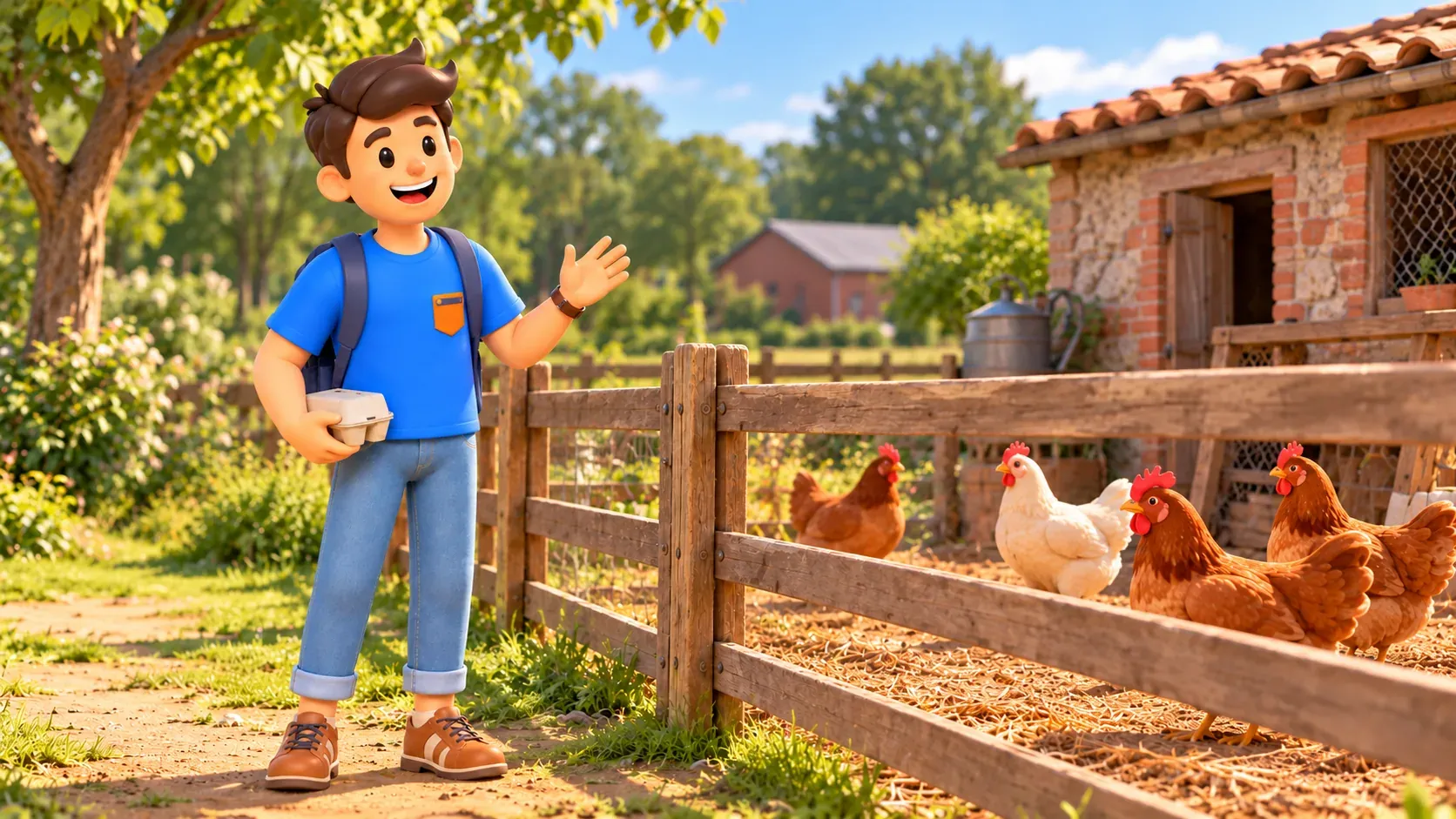
The estate combines organic farming with the preservation of rare livestock breeds. Watch animals from permitted visitor areas and do not feed them your own food. Their presence beside a fence is not guaranteed, and a working farm is not an unrestricted petting zoo. If a particular animal is elsewhere, respect that rather than entering a staff area for a photograph. A calm visit does not require constant entertainment: a little patient observation can make the agricultural setting more meaningful than a hurried search for something to stroke.
Understand what your estate visit includes
On ordinary days the outdoor estate is free, with donations welcome; museum admission and market festivals have separate conditions. Avoid treating the word free as a promise covering every building and date. The Pacelliallee gate is permanently closed, so it is not a useful fallback entrance for this plan. Our daytime visit does not rely on late access. Before setting out, check whether a special event changes the normal arrangements and decide whether that event is actually the experience you want.
The Herrenhaus has its own changing exhibition programme and opening arrangements; this route does not depend on visiting all its interiors. Food history has a dedicated home in the Culinarium, housed in a former farm building. Its field-to-plate exhibition explores food culture from 1850 to the present. That gives a different perspective from observing the outdoor farm. If it becomes your main interest, choose the Culinarium instead of the Museum of European Cultures, rather than adding a second full museum visit to an unchanged four-hour budget.
The Culinarium normally opens Wednesday to Sunday from 10 to 17 and charges admission. Keep roughly 75 minutes for a selective visit, using the saved street connection for a longer pause or more time outdoors. This allocation does not promise enough time to read every panel. Follow a particular question about a product, a habit or a change in food culture. If you want to read much more, expand the day instead of allowing the timetable to turn curiosity into pressure.
Leave a real break before the next museum
With the MEK option, take the planned 45-minute food and rest break before changing sites. At the estate, use designated tables and seating for a picnic, or choose an available establishment if it suits you. Neither a particular menu nor an empty table is guaranteed. Then follow public pavements and current crossings towards the visitor entrance at Arnimallee 25. Do not improvise shortcuts through working farm areas or assume that a museum's postal address is its visitor door. The connection is part of the visit, not time that disappears from the calculation.
At the MEK, everyday objects become questions
Museum Europäischer Kulturen explores everyday culture and the worlds of European lives from the eighteenth century to the present. That makes it a thoughtful continuation of the estate visit, rather than another grand art collection to rush through. Choose an available exhibition theme and a few objects or stories within it. Cultural contact and changing habits matter more here than searching for one representative object from every country. You are looking for something to understand, not completing a miniature checklist of an entire continent.
Try three questions: who used this, how did its meaning change, and what does the museum's explanation add? Something resembling an object at home can start a conversation, but resemblance alone does not establish a shared history. Read the label before filling in the story from memory. Different companions may notice a material, a domestic routine or an account of movement between places. Those differences make a selective visit richer, without requiring the article to reproduce the exhibition or tell you in advance what you must think.

The MEK normally opens Wednesday to Friday from 10 to 17, and Saturday and Sunday from 11 to 18; it closes on Mondays and Tuesdays. Admission is paid. Check holiday exceptions and the exhibition you intend to see. Seventy-five minutes allows a focused introduction rather than exhaustive reading. If the museum is closed, the outdoor estate can still make a worthwhile shorter visit, but seeing the museum facade does not replace the planned exhibition. Adjust the outing honestly to the experience that is actually available.
The botanical alternative needs its own four hours
For a plant-focused day, start at Königin-Luise-Platz and allow 15 minutes to orient yourself, 75 for selected outdoor paths, 60 for accessible greenhouses, 45 for a break, 30 for the return and 15 in reserve. This separate 240-minute outline includes short movements within the sections. Choose your internal loop from the current garden plan rather than trying to cover every collection. Returning to the same entrance keeps the outline understandable; travelling there from your accommodation remains additional. Domäne Dahlem and the MEK are not included.
The Botanical Garden is a living scientific collection, which makes looking closely as rewarding as enjoying the greenery. Compare leaf shape, branching or surface texture, using the relevant explanations to guide you. An outdoor section and a greenhouse can make the same simple question feel quite different. There is no need to learn every botanical term in one afternoon. Observe from visitor paths without touching or picking plants. A few carefully noticed differences offer a stronger memory than a long list of unfamiliar names photographed without context.

Distinguish the greenhouses from the Botanical Museum: the museum is closed for modernisation, provisionally until 2027, and the upper part of the Victoria House is also closed for repairs. That does not mean the whole garden or every greenhouse is shut. The garden charges admission. In October–March it normally opens from 9 to 19, with greenhouses and ticket offices closing at 18; in April–September the garden runs from 10 to 20, with greenhouses until 19. Holiday and weather exceptions still matter when choosing your date.
Keep the scale comfortable
Historic paving affects parts of Domäne Dahlem; the Culinarium has a lift, while the Herrenhaus is not step-free throughout. The MEK describes its accessibility as partial. Garden paths and greenhouses have their own conditions, so check the particular spaces your group needs rather than assuming a green district is uniformly easy to navigate. If tiredness arrives early, reduce the number of sections and keep the break. One well-observed theme can justify the outing without requiring every planned stop to be completed.
With RoadMe, you can more conveniently develop a personalised plan for the whole trip, balancing museums, greenery and rest around your interests and pace. Try building your days in the app so this quieter half day has a useful place in your Berlin itinerary.
For the rest of your stay, use our first-time Berlin plan by interests. In Dahlem, a working estate and one museum, or a separate botanical visit, are enough for this half day. Leave time for the actual return to transport. A new question about food, a familiar object or an ordinary leaf can be a satisfying result: it gives the quieter part of the city a connection with life after the trip.


