
Chicago with a Child: Two Days of Parks, Animals and Pauses

Two days in Chicago with a child work best when the city leaves room for play. A memorable trip might contain one curious reflection, a favourite animal and a long enough pause to enjoy lunch. It does not need the adult version of a sightseeing list with the same stops squeezed between playground visits. This plan gives the central parks one day and Lincoln Park a separate northern day.
The first day combines a short look at Millennium Park with play at Maggie Daley Park. The second centres on a focused Lincoln Park Zoo visit, with the Peggy Notebaert Nature Museum or Lincoln Park Conservatory as alternatives according to interest and conditions. These are choices, not three full visits to complete in one afternoon. Plan around the youngest traveller's usual rhythm.
Build the days around one main experience
Choose the part of each day that your child is most likely to enjoy, then protect time for it. For the first day, that may be the playground rather than a skyline photograph. For the second, it may be animals, nature exhibits or plants. Put a meal, a seated pause and the journey back alongside that main experience before adding optional sightseeing.
For a family trip, RoadMe makes personal planning much more convenient. The app develops a day-by-day itinerary from your interests, dates and preferred pace, so a city visit can have a coherent shape around the experiences you choose rather than an overloaded collection of separate recommendations.
- Day one: a short Millennium Park visit, a proper break and age-appropriate play at Maggie Daley Park.
- Day two: travel north for a focused zoo visit, or choose one of the nearby indoor alternatives instead.
- Every day: allow meals, toilets, pauses and the return journey their own time.
This is a framework for the trip, not a claim that every path or activity suits every child. Check the rules and actual access arrangements for your selected facilities. With a stroller or mobility needs, look at specific entrances and internal routes rather than assuming that a large green area is equally easy throughout. Keep enough flexibility to finish after the main visit.
Day one morning: a small piece of Millennium Park
Begin with one clear destination in Millennium Park, usually Cloud Gate. Anish Kapoor's reflective sculpture turns the surrounding buildings and visitors into changing images. For a child, a simple question can be enough: where does the reflection change most when you move? Walk around it together without turning the stop into a lesson that must cover the whole history of the park.
Keep photographs brief and let looking be part of the visit. A familiar image may matter more to the adult than to the child. Choose a quieter place to pause afterwards rather than moving immediately to the next famous object. If the park is busy, a shorter stop can be more enjoyable than waiting a long time for an imagined perfect family portrait.
Crown Fountain can add another short encounter. Jaume Plensa's work combines faces, screens and the public space between its towers. Water effects depend on season and operation, so do not promise water play before checking current conditions. The fountain can still be an observation stop without turning a dry or cold day into a disappointment about an activity that was never guaranteed.
You do not need to add every garden and pavilion to this morning. The main outdoor play block still lies ahead. End the central-park section while attention remains available, have a snack where permitted and check the route to the next part. These parks are nearby, but finding the appropriate path and entrance still takes real walking time.
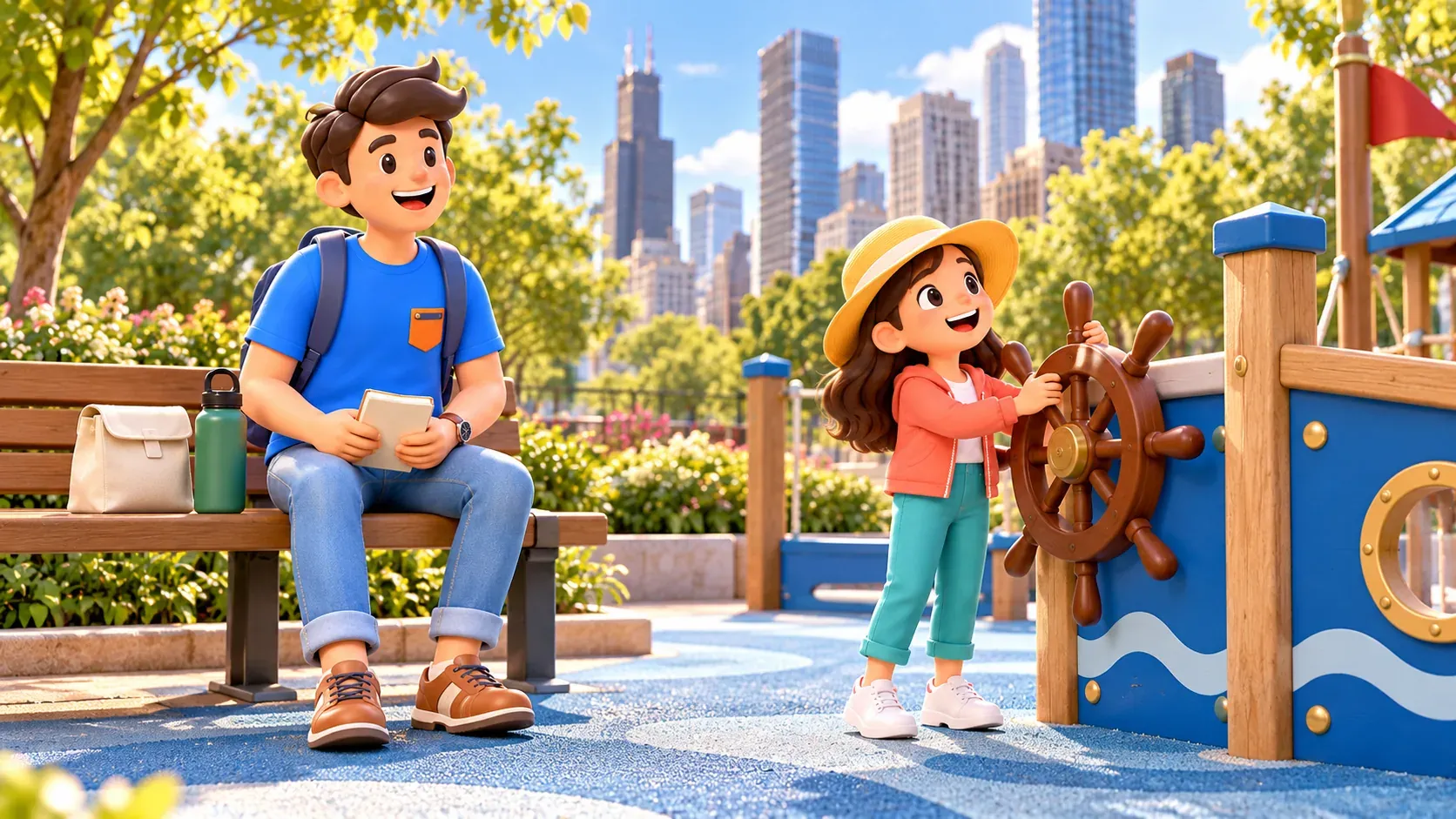
Maggie Daley Park: choose play for the child's age
Move to Maggie Daley Park with the Play Garden as the main idea. Its imaginative landscape and different play settings offer a change from simply looking at buildings. The park is especially useful in a family itinerary because play can be the experience itself. You do not have to describe it as a reward for completing a sequence of adult attractions first.
Read the signs for each play area. The Play Garden is intended for children under twelve, and individual equipment has additional limits. Large slides are designated for ages five to twelve, while some settings are designed for younger children. Do not treat a park's broad family appeal as permission to use every piece of equipment at every age.
Choose a suitable section and give it enough uninterrupted time. A small child may prefer repeating one activity rather than progressing through the whole garden. Older children may enjoy a different area, but that does not make the younger section a failed choice. If siblings need different settings, agree how the adults will manage that rather than expecting everyone to follow the same exact sequence.
Other activities in the wider park can have separate hours, seasonal operation, fees or reservations. They are optional additions, not part of a promised all-inclusive playground visit. You do not need skating, climbing and every other facility to make the day worthwhile. Keep the practical focus on what is open, appropriate and genuinely appealing on your date.
Lunch is the turning point, not a spare gap
Pause for a proper meal before deciding what to do next. Choose somewhere convenient to your current location and the journey back. A seated lunch can help you notice whether everyone wants another small outing or has already had enough. Avoid making an elaborate cross-city restaurant journey an extra obligation after a morning of walking and play.
After lunch, choose one modest continuation: return to a favourite nearby park detail, take a short walk or finish the day. The lake does not have to become another compulsory destination just because it looks close on a city map. If your child needs a regular rest, preserve it. A successful first day should leave room to enjoy the second morning.
For younger children, an early finish may be the best full programme. With an older child who still has interest, ask them to choose one detail to revisit. This gives the afternoon a purpose without multiplying stops. You can compare what looked different on a second look, then leave before the outing becomes an exercise in endurance.
Day two: a separate trip north to Lincoln Park Zoo
Use the zoo as your arrival point for the northern day and check the actual journey from your accommodation. Do not add the transfer to the end of the previous day's walk. Decide which small group of areas you want to see before entering. A clear starting interest is more useful than a promise to find every animal shown on a map.
General admission to Lincoln Park Zoo is free. Parking and additional experiences have separate conditions, and some activities may require their own arrangements. Free entry is useful for a family because you can keep the visit focused without feeling obliged to stay until every section is complete. Check the calendar for your date rather than relying on one general opening time for all buildings and events.
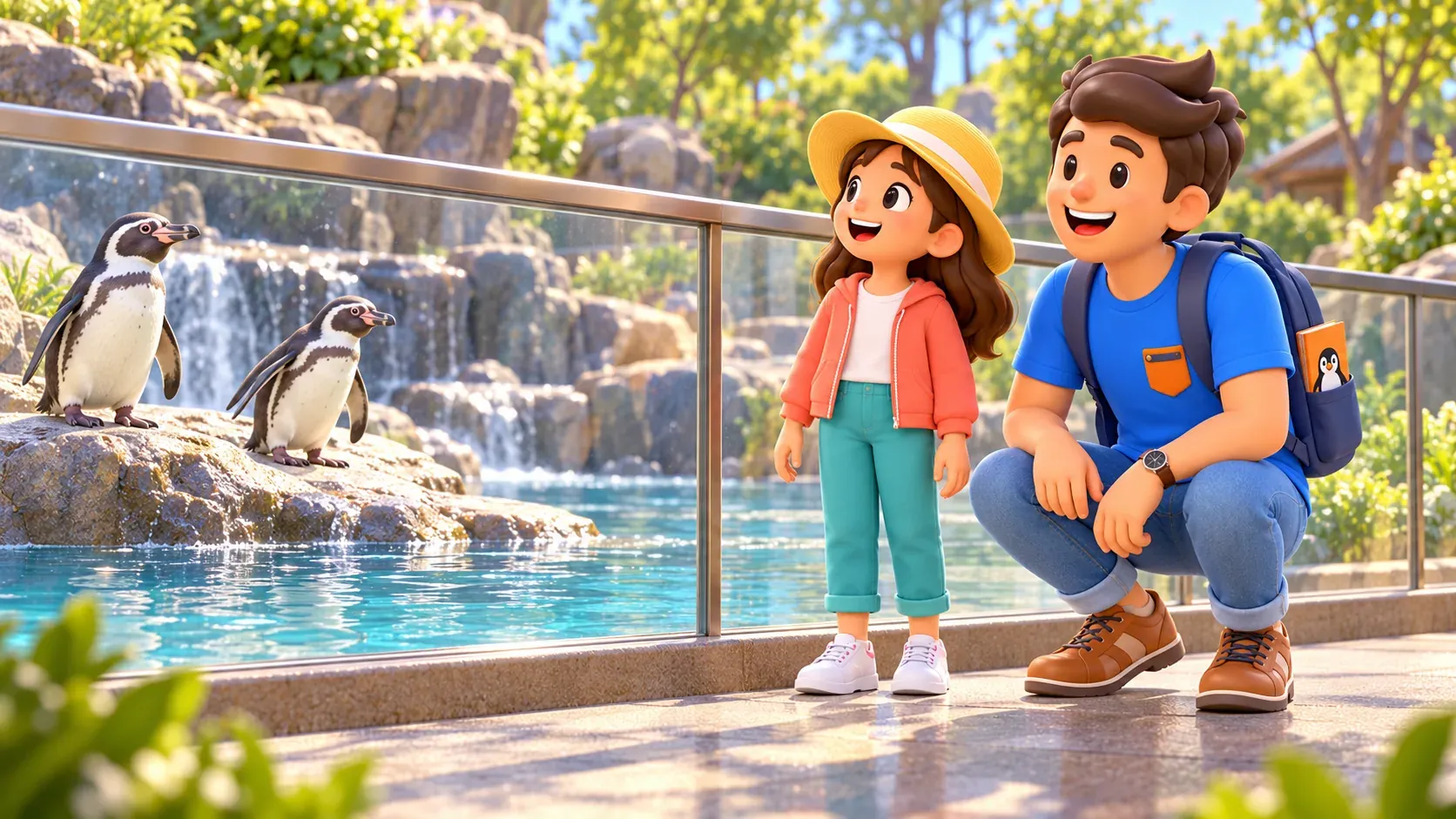
Let the child set one observation task: notice how an animal moves, where it chooses to rest or how its habitat is arranged. Do not promise a particular appearance or interaction. Animals may be out of sight, and a good visit should not depend on a guaranteed performance. Stay in public visitor areas and follow the zoo's rules rather than trying to obtain a closer encounter.
Build in a pause before attention disappears. A seat, water and a meal where permitted can divide the morning into manageable sections. If one area has already been absorbing, you can stop there. The best memory may come from watching carefully for several minutes, not from completing the longest possible route through the grounds.
Indoor alternatives: choose one, rather than adding everything
Peggy Notebaert Nature Museum for a nature-focused day
If your child is especially interested in the natural world, or you prefer an indoor main visit, use the Peggy Notebaert Nature Museum instead of the full zoo programme. It is another location within the broader Lincoln Park area, so allow the actual route between entrances. Plan the museum first, with an optional small outdoor section afterwards if conditions suit.
Read the ticket description carefully. Basic museum admission and access to the Butterfly Haven are not the same product; the butterfly area has separate admission arrangements. If that is the reason for your visit, select it explicitly rather than assuming it is included. Strollers are not permitted inside the Butterfly Haven, with parking provided nearby, so make a practical plan for that part.
Keep the visit about curiosity rather than collecting every exhibit. Choose a subject your child can describe afterwards: a shape, a habitat or something newly noticed. You do not need to promise a specific butterfly encounter. The point of the alternative is a different kind of focused day, not a way to attach another full attraction after a long morning at the zoo.
Lincoln Park Conservatory for a shorter plant encounter
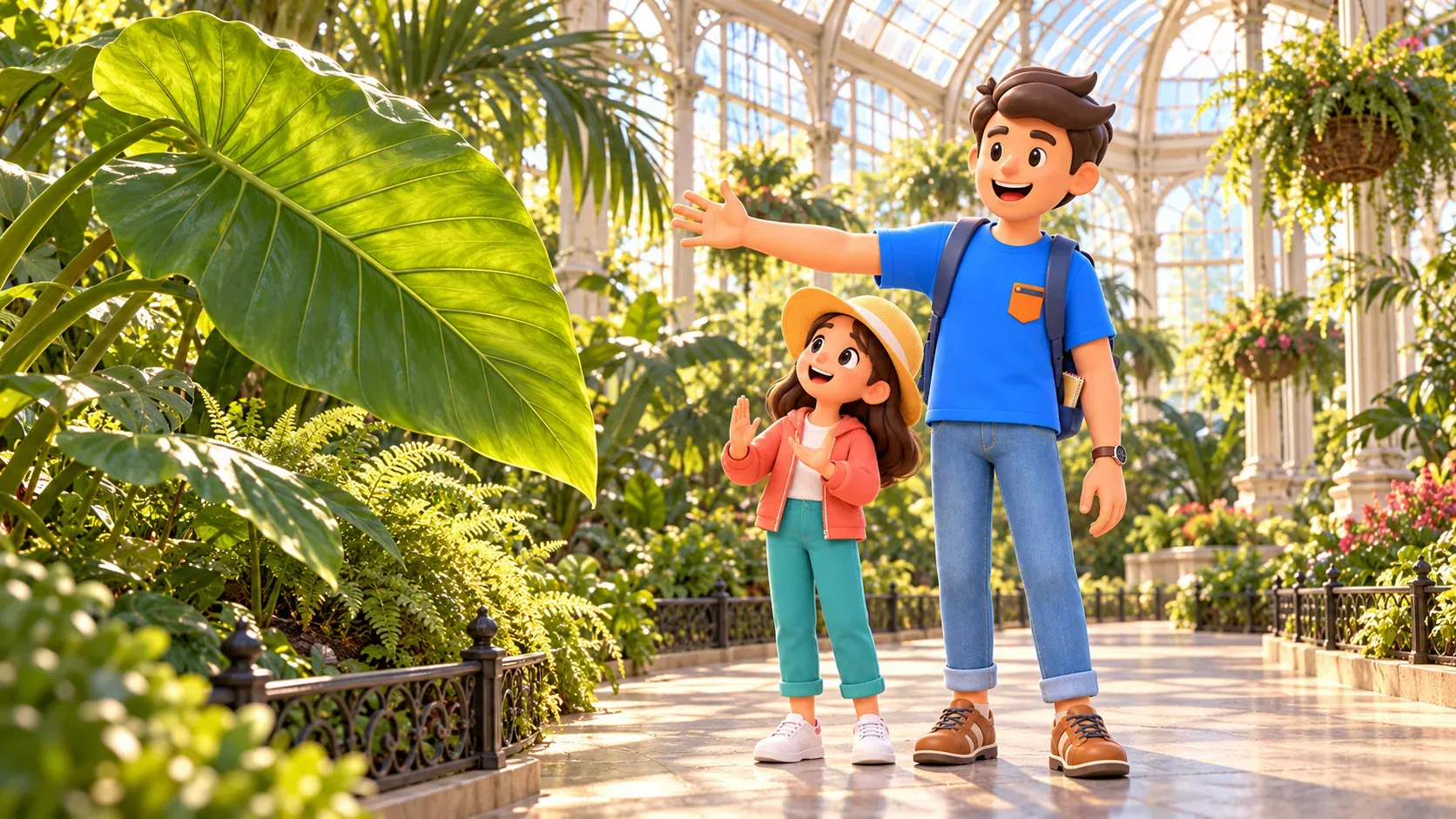
The conservatory suits a family interested in leaves, growing forms and a sheltered plant environment. Arrange the required timed-entry ticket before relying on it. General entry is free, with donations optional, but availability still matters. A free institution is not automatically a walk-in backup whenever weather changes or the family decides to arrive.
Choose a short looking task, such as comparing leaf sizes or finding different shades of green. Keep it an observation visit and follow the conditions for paths and plant protection. The conservatory is only partly accessible, with steps affecting the Fern Room, so check your actual needs before making it the stroller solution for the day. It need not follow a full museum and zoo visit.
Leave space for the family's own Chicago
Before each day, name the one experience that matters most and the optional part you can comfortably drop. A younger child may spend longer playing and less time looking at architecture. An older child may choose animals or nature exhibits as a main theme. Neither family needs to borrow every element of the other's trip, and a shorter route can still feel complete.
Try RoadMe to turn those preferences into a personal day-by-day trip plan. The app makes it easier to organise the experiences and pace you want into one coherent route, so you can spend less effort combining lists and more attention enjoying Chicago together.
If your family wants a broader first-visit structure, the two-day Chicago itinerary with one museum offers another starting point. Adapt the number of stops to the people travelling. Two days are enough for a first connection with the city when curiosity, play and pauses are allowed to share the programme.


