
Chicago in Five Days: Famous Views and City Neighbourhoods

Five days in Chicago give you something a shorter visit rarely has: room for the city between its attractions. You can spend a morning looking at art, keep another day for science, explore a green northern district and still make an independent neighbourhood outing. The key is to give those experiences different days rather than making every day a longer version of the first.
This plan starts with the familiar central skyline, then moves through a museum-and-lake day, Lincoln Park and Hyde Park. The final day belongs to a district chosen for its character: Pilsen for Mexican art and neighbourhood life, or Pullman for the relationship between industry, homes and urban planning. Choose one final outing and keep some freedom to exchange days.
Arrange five days by geography and interest
Start by checking the visits that need the most preparation. A large museum may have particular ticket products, a house tour may depend on an available slot, and a conservatory can use timed entry. Place those visits on suitable dates, then fit the open-air sections around them. The programme below is a sequence of ideas, not a guarantee that every interior opens every day.
For a longer trip, try preparing the whole itinerary in RoadMe: the app develops a personal day-by-day plan using your dates, interests and preferred pace. It makes combining museums, neighbourhoods and time by the lake much more convenient than adapting several separate lists yourself.
- Day one: a first look at downtown parks, streets and river.
- Day two: one major museum, with the Art Institute as the default, followed by a gentle outdoor break.
- Day three: Lincoln Park, choosing a main nature or plant visit.
- Day four: Hyde Park, with science as the main day or an architectural alternative.
- Day five: Pilsen or Pullman, plus room to absorb a change elsewhere in the trip.
Each district outing includes an additional journey from your accommodation. Lincoln Park, Hyde Park, Pilsen and Pullman do not form a single compact walking circuit. Choose an actual arrival point for each day and check your onward route. The time estimates here describe the intended pace; they are not measured walking promises or transport guarantees.
Day one: recognise Chicago without trying to finish it
Begin in Millennium Park. Walk around Cloud Gate, the reflective sculpture often called the Bean, and notice how the skyline bends across its surface. Anish Kapoor's work makes the city part of the artwork rather than simply placing an object in front of the buildings. A few minutes of changing position can be more interesting than finding one familiar photograph.
Continue to Crown Fountain and choose a short loop around the garden or pavilion area. Water effects depend on season and operation, while paths can change with temporary works. Allow a relaxed morning with a pause. If the nearby Chicago Cultural Center is accessible and you want an interior, add a short look rather than assigning it a full separate programme.
After lunch, follow Michigan Avenue towards DuSable Bridge and compare the views from both banks. Wrigley Building and Tribune Tower provide distinctive forms to look for. This is an exterior architectural stop; private entrances and interior tours have separate conditions. The aim is to understand the river's role in the centre before pursuing individual buildings in detail.
For the afternoon, choose a manageable riverside walk. A booked architecture cruise or a tower ascent can replace that block if it is your priority, with arrival arrangements and transfers checked separately. Keep dinner near the place where the afternoon ends. Five days allow you to stop while the centre is still enjoyable, rather than using the first evening to empty a checklist.
Day two: one large museum and a change of air
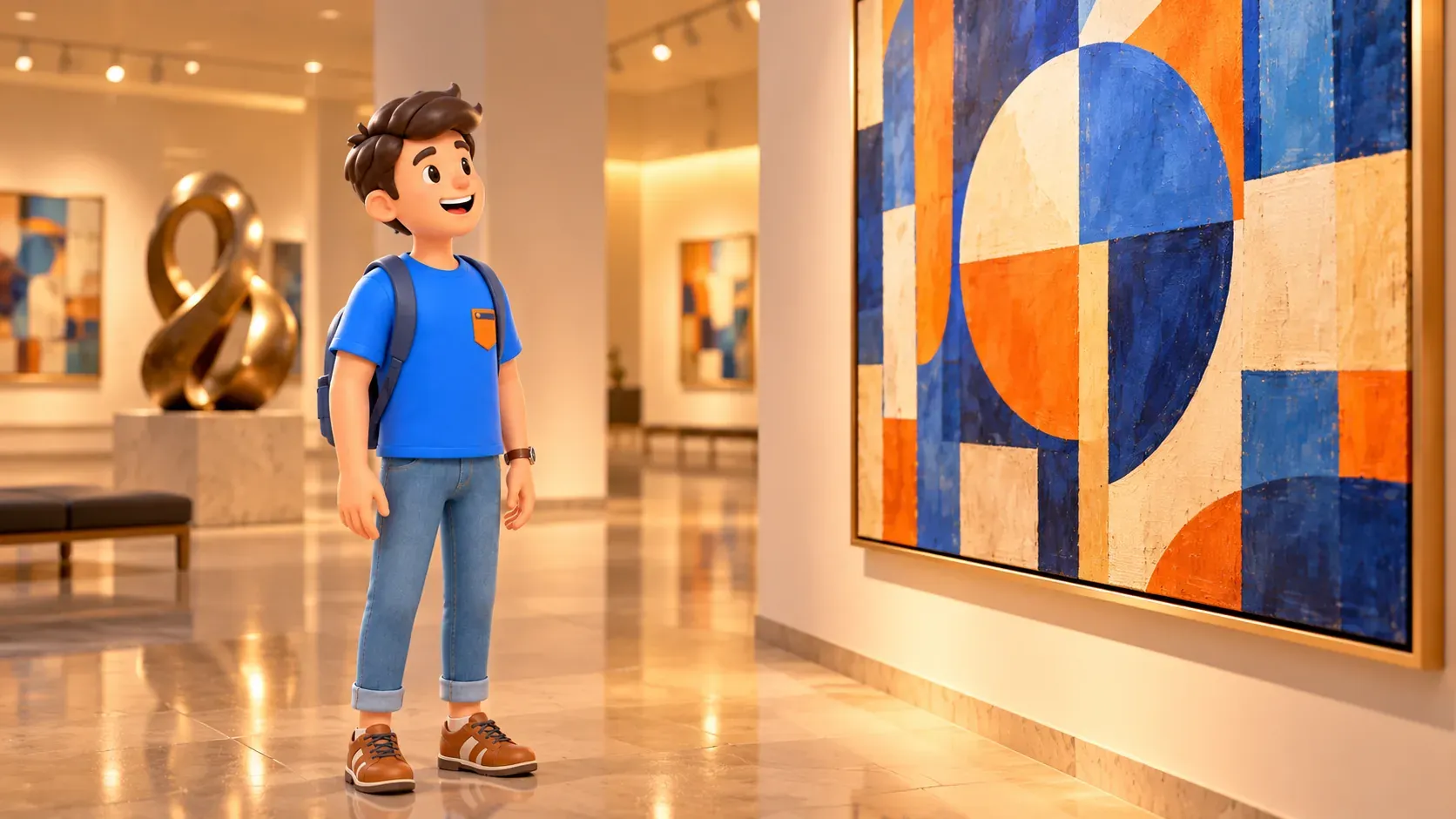
The Art Institute is the default choice for this day if visual art is one of your interests. Give the collection a substantial block, including entry and a proper break. Before arriving, choose a few areas you especially want to see. Leave room for an unexpected discovery rather than trying to treat a large museum as a complete room-by-room task.
The useful value of this day is sustained attention. You can compare a few works, return to something that caught your eye and leave without feeling that an entire other attraction is waiting immediately outside. A museum visit does not become better simply because it contains more rooms. Let your interest set the route through the collection.
Afterwards, have a meal and choose a short nearby park or lakeward walk according to your energy and the weather. The Art Institute lies beside the central park area, so the outdoor break can remain local. You do not need to travel south to Museum Campus solely because the lake is the day's second theme.
If natural history or aquatic life interests you more, substitute Field Museum or Shedd Aquarium for this day's main visit. In that version, use Museum Campus for the outdoor continuation. Do not add the replacement to the Art Institute: it changes the location and subject of the day. Check the actual admission product and calendar for whichever institution you choose.
Day three: let Lincoln Park be the main experience
Travel north to the area around the zoo and conservatory, using the main visit as your arrival point. Decide whether animals or plants matter more to you before moving between entrances. The wider park then becomes the setting for a slower day, not simply the distance between several compulsory indoor stops.
General admission to Lincoln Park Zoo is free; additional experiences and parking have their own conditions. Choose a few areas to explore and allow time for observation. Animal visibility varies, so the pleasure of the visit should not depend on a promised appearance or a fixed list of encounters. A focused morning can be enough.
The conservatory offers a different rhythm, with leaves, growing forms and the atmosphere of a sheltered plant environment. Its timed-entry arrangements need separate checking. If this is your main interest, organise that visit first. Keep the zoo as an optional alternative or a limited extra only when time and energy genuinely allow it.
Have lunch before deciding how much walking to add. A seat in the greenery, a small loop and an early finish are all legitimate uses of the afternoon. If you want more outdoor time, extend within the area before introducing another distant neighbourhood.
Day four: give Hyde Park a full southern day
Make a separate trip south for the Griffin Museum of Science and Industry. This is the museum also commonly known as the Museum of Science and Industry, not a second institution to visit as well. Let it be the main event of the day, with the time required for arrival, entry, the exhibits that interest you and a real pause.
Choose your experiences before arranging the rest of the afternoon. General admission and special experiences are not interchangeable; a particular tour, show or additional activity may require its own ticket or time. Read the conditions for the product you select. This itinerary does not promise that every activity is included or that you can simply join all of them on arrival.
Science can make a useful contrast with the art-led second day. Instead of expecting the same kind of museum experience twice, look for the different questions each visit encourages. You may want to spend longer with one subject or leave another part untouched. That is a good reason to preserve the museum's own day rather than attaching a second major visit.
If there is comfortable time afterwards, take a short outdoor break in the surrounding park area, using open routes and current conditions. Do not make a long garden itinerary an obligation after a substantial museum visit. A nearby pause is enough; you can also finish indoors and return without feeling that the day needs another attraction.
An architectural alternative in Hyde Park
If science is not your priority, use the day for Robie House and the university area instead. Frank Lloyd Wright's house offers a different architectural scale from downtown towers. Its horizontal lines give you something specific to look at from public space. If you want an interior visit, arrange the guided tour and check-in conditions in advance.
Continue with a compact university-street walk and an exterior look at Rockefeller Memorial Chapel, entering only when public access permits. The contrast between lower horizontal forms and a more vertical university setting gives the day a theme. This alternative replaces the long science-museum day; it is not a second full programme to squeeze in after it.

Day five: choose a neighbourhood with a different story
Pilsen for art and neighbourhood life
Choose Pilsen if you want a day connected to Mexican art and a neighbourhood beyond the central skyline. The National Museum of Mexican Art gives the outing a clear anchor. Its general admission is free, but its calendar still matters: a free visit is not the same as a place that opens on every possible day.
Give the museum the attention that interests you, then walk the nearby streets and leave time for a meal. The value lies in seeing a cultural institution as part of an inhabited neighbourhood, rather than collecting a catalogue of murals or restaurant names. Stay on public routes and treat homes and everyday spaces with the same care you would in any district.
Pullman for industry, homes and urban planning
Choose Pullman if you are more interested in how work and housing shaped a district. Begin at the Administration-Clock Tower Building visitor centre, then look at the surrounding historic streets. The relationship between the industrial landmark and the residential setting is more useful here than treating each building as an isolated monument.
Allow a separate outing with meaningful travel time, rather than placing Pullman between two central appointments. A half-day on site can be a useful planning starting point, with the journey added. Check any exhibition or guided activity you want to include. You do not need to book every available interior to appreciate the structure of the neighbourhood.
Pick one of these districts, not both. If weather or a booking has changed another part of the trip, the fifth day can absorb a rearrangement. That does not create a sixth day: exchange the order or reduce an optional part. The benefit of a longer visit is room to make a better choice, not an obligation to fill every hour.

Keep the five-day plan yours
Before committing to the final sequence, ask which two experiences you would most regret missing. Give those the strongest time blocks and let other stops remain flexible. Someone interested in buildings may choose the architectural Hyde Park option; someone travelling for collections may preserve both museum days. Neither needs to borrow the other's entire programme.
For that kind of personal planning, RoadMe prepares a day-by-day route around the interests and pace you choose. Try it to give major visits, quieter neighbourhood time and the journeys between them a suitable place in one coherent trip.
If you have only three full days after arrival and departure are counted, use the three-day Chicago itinerary instead of compressing this entire plan. Five days should feel broader and more relaxed, with enough time to recognise the city beyond its best-known views.


