
Bulgakov’s Moscow: Patriarch’s Ponds to Bolshaya Sadovaya
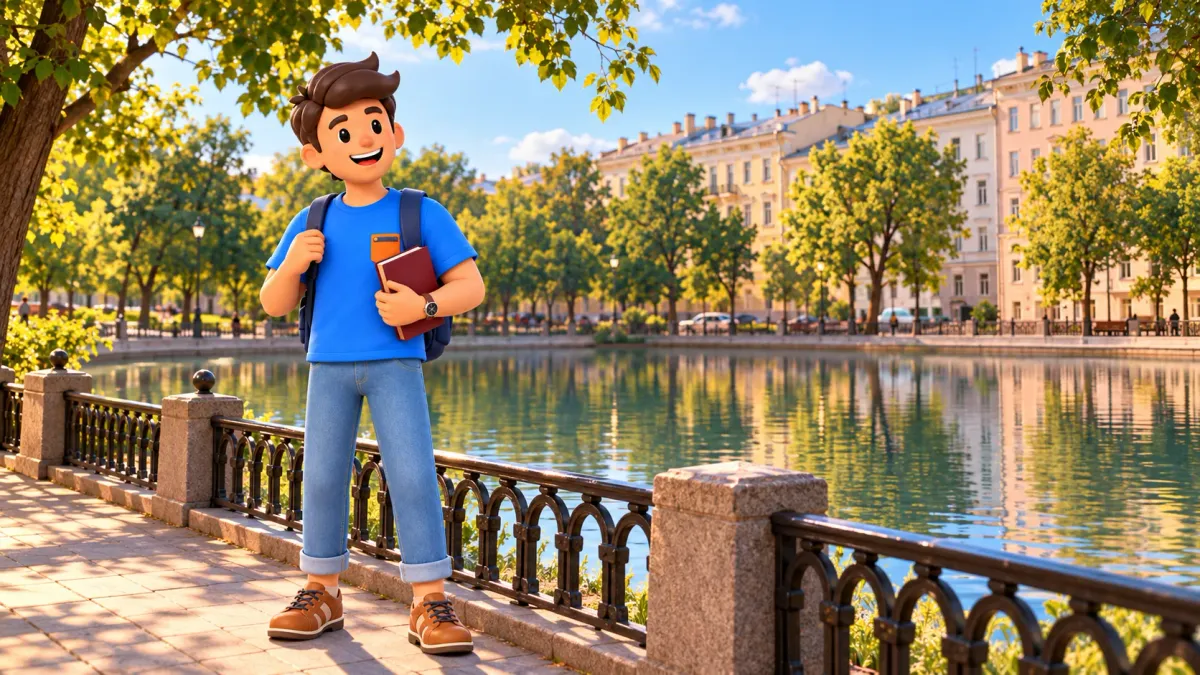
Bulgakov’s Moscow works best when you distinguish a writer’s real addresses from the city imagined in his fiction. This short outing connects two particularly useful places: Patriarch’s Ponds, where The Master and Margarita begins, and the house on Bolshaya Sadovaya where Bulgakov actually lived. You can enjoy the outdoor walk without buying a ticket. The museum in apartment 50 is a possible final chapter, rather than a condition for understanding the neighbourhood.
Allow roughly one and a half to two hours for the outdoor version, including pauses and your approach from public transport. Around three hours gives more room for a museum visit. These are planning estimates, not measured walking times. The aim is to notice a small area carefully, with enough context to understand its literary importance. You do not need to have finished the novel, memorised its characters or collected every proposed location to enjoy the day.
Choose a literary walk or a museum afternoon
For an atmospheric introduction, make the pond, surrounding lanes and exterior of 10 Bolshaya Sadovaya your core. For a more biographical visit, check museum availability first and arrange the walk around your entry. An early booking may make the reverse order more practical: apartment, lanes, pond. The relationship between the stops remains clear whichever direction you choose, while your available time determines how long you spend outside.
To turn this idea into a personal day out, try RoadMe: the app plans a walk or trip around your interests, dates and pace. A museum visit, literary stops and a quiet break can take the space that suits your own journey.
Resist adding every place labelled “Bulgakov’s Moscow” to the same afternoon. The phrase covers addresses across the city, and a thematic connection does not establish walking proximity. A compact route gives you time to compare the broad view over the water with the closer scale of the lanes. It also leaves room for a conversation or a meal, instead of making transport between distant pins the main activity of your visit.
Patriarch’s Ponds: begin with the setting
Despite the plural name, there is one pond here today. Its most useful literary connection is straightforward: The Master and Margarita opens at Patriarch’s Ponds. You can begin with that fact and let the present surroundings make their own impression. There is no need to identify a supposedly perfect spot immediately or to decide whether the place matches a film adaptation before you have looked around.
Start on an available public path and notice the relationship between water, trees and surrounding buildings. Walk a manageable section of the bank rather than treating a complete circuit as a requirement. If you want to discuss the book, stop where you leave room for other pedestrians. With someone who has not read it, a brief introduction followed by a few quiet minutes can work better than a detailed account of the opening chapters.
Compare a view across the pond with the narrower perspective towards a lane. The shift gives a simple sense of how an ordinary city can change character within a few steps. Contemporary cafés, traffic, lighting and benches belong to the neighbourhood you are visiting now. They should not automatically be presented as surviving scenery from a particular fictional conversation, even when a popular map label makes that connection feel very precise.
Keep literary associations separate from evidence
The novel’s connection with Patriarch’s Ponds is secure. A claim that its fictional characters occupied a particular present-day bench is a different kind of statement. A modern meeting point can be enjoyable for readers without becoming documentary evidence. Take a photograph if you like the association, but do not judge the visit by whether you found a uniquely authentic piece of street furniture.
Trying to retrace every movement of a fictional episode can create similar confusion. The city has changed, interpretations differ, and fiction is not a promise of a navigable itinerary. Do not expect visible tram tracks to provide a required exhibit or step into traffic to reproduce a scene. The useful distinction is between what you can observe today, what the writer describes and what later readers have proposed.
A more rewarding question is how a normal conversation in a familiar public space might begin to feel unsettling. Look at the openness around the water and the sudden possibility of disappearing into a lane. This does not require specialist literary vocabulary. It simply lets you read the setting actively, while preserving the freedom to disagree with a familiar interpretation or discover a detail that matters personally to you.

Link the pond with Bolshaya Sadovaya through the lanes
Leave the pond towards 10 Bolshaya Sadovaya using open streets and official crossings; Malaya Bronnaya and Ermolaevsky Lane are useful names for orienting this connection. Choose the precise route from a current map and what is open on the day. An inviting archway is not proof of a public through route, and a residential courtyard should not become an improvised shortcut merely because a screen suggests a shorter line.
Allow approximately twenty to thirty minutes for this link with small pauses, depending on your chosen approach. That is an estimate, rather than a timed survey. Establish the next direction while standing still, walk a clear section, and check again when necessary. This keeps the neighbourhood visible around you. It also avoids turning every crossing into an exercise in reading a phone while moving through unfamiliar traffic.
The change from the pond’s enclosed atmosphere to the Garden Ring is part of the experience. Close to the larger road, decide where you are heading before reading another passage about the writer. Search for the specific house and apartment as well as the museum name. Bulgakov has several museum addresses in Moscow, so a general search result can point to the right writer in a completely different neighbourhood.
Number 10: move from fiction to biography
At this house the biographical connection becomes concrete. Bulgakov lived with Tatyana Lappa in apartment 50 between 1921 and 1924. The address belongs to his early Moscow years, rather than being a convenient façade later attached to his name. However, that does not mean the whole of The Master and Margarita was written here. Avoid compressing a much longer writing life into one famous apartment.
Pause outside and change the scale of the story in your mind. A fictional apartment can acquire extraordinary properties; an actual home brings questions of space, work and everyday life. You do not need to turn every former neighbour into a firmly identified character or every window into a memorial object. Museum interpretation can explore these relationships more carefully than a short caption or an enthusiast’s location pin.
The house is also part of a living city. Access towards a museum does not give visitors permission to explore every doorway or floor. Keep voices low, do not add messages to walls, and avoid blocking residents or other visitors. You can appreciate a literary address without hunting for an unusual photograph in each apparently accessible stairwell. Respect for the building makes the visit easier for everyone who uses it.
Apartment 50: choose the right museum visit
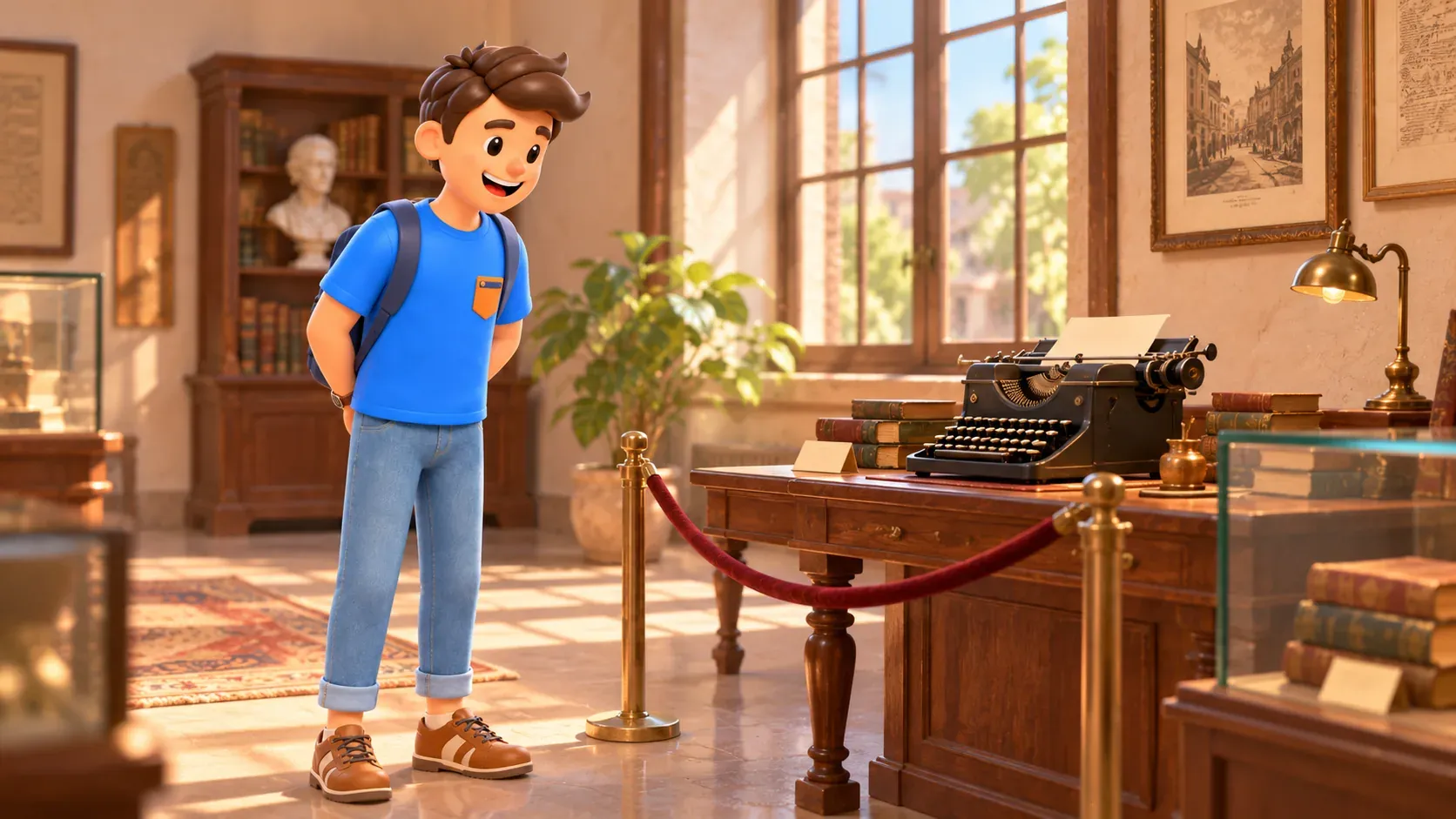
The state Mikhail Bulgakov Museum gives the following approach for its Bolshaya Sadovaya site: number 10, through the archway, entrance six, fourth floor, apartment 50. Check the current visitor instructions before travelling. Different Bulgakov names and cultural programmes can appear at the same house, so a booking for one institution is not a general ticket to every space associated with the writer there.
When checked on 23 October 2026, the museum listed Monday as its closed day. Check the selected date for opening times and available visits, especially around special events. A guided programme may require separate booking. If you need a particular tour language, child arrangements or information about reduced mobility, ask the museum directly. A fourth-floor address alone does not establish whether there is a suitable lift or a step-free way in.
Choose the interior because you want documents, objects and biographical interpretation, rather than simply to complete a list. If the right visit is unavailable, finish outside and keep the museum for another day. The outdoor route still forms a coherent introduction. Conversely, if the museum is your main reason for coming, protect enough time for it and shorten the pond section instead of arriving rushed after an overfilled walk.
Adapt the afternoon to weather and interests
In dry weather, give the pond more time and allow some silence between explanations. On a cold or wet day, reduce long outdoor stops and consider a confirmed museum visit as the main activity. Do not assume the museum will always be available as a spontaneous shelter. A shorter walk ending at transport is also a sensible plan, especially when comfort matters more than completing every possible observation.
If museum timing does not work, you can change the stops in your personal RoadMe plan and make more room for walking or rest. Try shaping the day around what interests you, with the app taking your dates and preferred pace into account.
With children, one clear question may be enough: how does a real house differ from a house in a story? There is no need to explain every adult storyline to justify visiting the area. Photographers might choose two contrasting images, an open view of the pond and a small urban detail. Readers can compare their imagined setting with the current neighbourhood, recognising that disagreement is part of the pleasure rather than a failed visit.
Finish locally and save distant addresses for later
After Bolshaya Sadovaya, Mayakovskaya metro is a sensible finishing direction; check the current safe approach. If you reversed the walk for a museum booking, finish at the pond and choose convenient transport from there. Do not extend the day automatically because more literary pins appear nearby on a screen. A food stop needs time too and may be a more satisfying final event than another rushed address.
If your saved literary lists include the Rukav art space on Zemlyanoy Val, remember that it belongs to another part of Moscow. It should not be presented as the next neighbouring stop between the pond and Sadovaya. If it interests you, verify present access with the venue and allow for a separate journey. A shared theme is a reason to consider an additional outing, rather than evidence that all its locations form one compact walk.
Before setting out, check the weather, your chosen museum visit, phone battery and return journey. These small decisions leave space for the two central experiences: a literary setting beside the water and a real address from the writer’s life. Reading, a later museum visit or a return to the lanes can deepen both, without requiring this single afternoon to explain every part of Bulgakov’s Moscow.


