
A Day in the Bronx: Botanical Garden or Zoo?
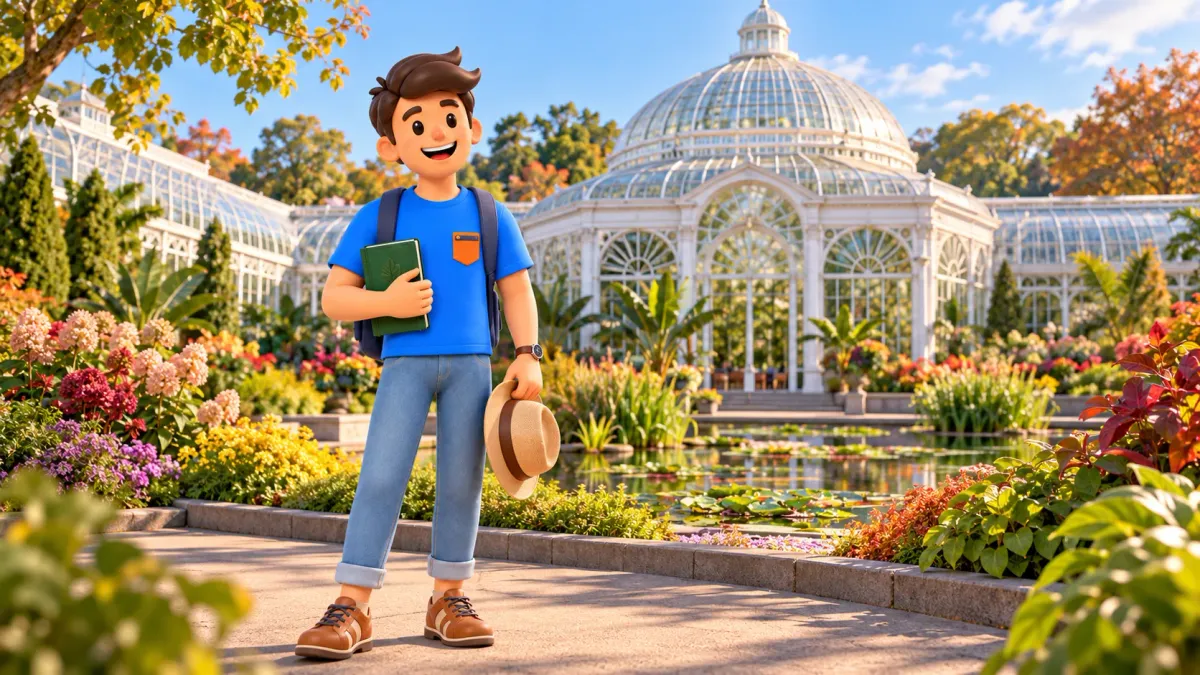
A day in the Bronx can feel very different from a day among Manhattan’s towers. The Bronx Zoo offers the changing, sometimes unpredictable experience of watching animals. The New York Botanical Garden offers landscapes, plant collections and the great glasshouse of the Enid A. Haupt Conservatory. Both reward time. Choosing one as the main purpose of the day usually produces a richer visit than trying to collect both names before closing.
This is a choice between two outings, not a compulsory route through every attraction in Bronx Park. The zoo and garden have separate entrances, tickets and internal paths. Their neighbouring locations do not turn them into a single attraction. The Conservatory, meanwhile, belongs to the botanical garden: it can be the centrepiece of that version without becoming a third major destination.
Choose what you want to notice during the day
Choose the zoo if your interest is animal behaviour, habitats and conservation. Choose the garden if you would rather look at plants, landscape design and glasshouse architecture. These are preferences, not age categories: adults can spend an absorbed day at the zoo, while children who like leaves, textures and unusual plant forms may enjoy the garden. Ask everyone which experience they would be sorry to miss.
For a personal New York or trip plan built around wildlife, gardens and your preferred pace, try RoadMe: the app works out a programme according to your interests. It is much more convenient to use a coherent plan with meaningful visits and proper breaks than to assemble unrelated attraction lists yourself.
Allow roughly four to six hours locally for one focused outing with a meal or a substantial rest. This is an editorial planning allowance, not a timed test or a promise that every collection fits. Add the actual journey from your accommodation and the return separately. Someone interested in a particular exhibition may spend longer; someone who wants only a gentle introduction should select a smaller part of the grounds.
Before buying, connect the choice with the calendar. A garden exhibition, a zoo’s seasonal attraction and an evening event each have their own conditions. A familiar photograph does not establish what will be available on your date. Keep one main interest, one comfortable break and a clear point at which you are happy to finish.
The zoo version: observe rather than chase a checklist
The Bronx Zoo opened in 1899, and its appeal extends beyond seeing a collection of named animals. A good visit gives you time to notice movement, social behaviour and the relationship between an animal and its surroundings. Pick a few experiences that interest you instead of treating the entire grounds as a sequence of boxes to tick.
Congo Gorilla Forest is one possible focus. Opened in 1999, it connects a rainforest setting with the subject of conservation in Central Africa. Watching a gorilla quietly can be more memorable than hurrying away because you have found the species on a list. The animals’ position, activity and visibility vary; neither a photograph nor an attraction description guarantees a particular encounter.
Use the zoo’s current visitor information to see which exhibits are available that day, then arrange a manageable group of interests. Do not cross the grounds repeatedly just to follow an old online ranking. A short list should also leave room for an unexpected moment: an animal resting, a detail in a habitat or a question raised by the interpretation.

Keep your expectations appropriate to a public zoo visit. Viewing an animal is different from booking a special encounter, and a photograph of someone close to an animal does not make that experience part of an ordinary ticket. Follow barriers and staff instructions, leave animals undisturbed and avoid turning patient observation into an attempt to make something happen.
Read the zoo ticket and closing times separately
The ticket product matters. Bronx Zoo Admission includes the available Star Attractions, while Limited Admission does not include them in the same way. Check the actual product and conditions before deciding that a particular experience belongs in your plan. An inclusive ticket also cannot make a seasonal attraction operate outside its season.
As checked on 17 October 2026, the zoo’s published hours through 31 October are 10:00–17:00 on weekdays and 10:00–17:30 on weekends and federal holidays. From 1 November into March 2027, the published daily hours shorten to 10:00–16:30, subject to the listed closed holidays. These are planning conditions to reconfirm for your chosen date, rather than a permanent timetable.
Last admission is 45 minutes before the park closes, and animal exhibits close 30 minutes before the park. A queue may close earlier when waiting time is substantial. Arriving before the final admission time therefore does not create a worthwhile final hour for every animal area. Put your main interest earlier, while there is room for both observation and a pause.
The zoo currently treats visits as single entry: do not build lunch around leaving the grounds and then returning on the same admission. Advance purchase of a dated ticket is recommended for availability. If you are using a pass, voucher or special admission offer, read its own reservation and inclusion rules rather than assuming it works like another ticket you have used elsewhere.
The garden version: choose a landscape and a glasshouse
The New York Botanical Garden is a different kind of living collection. Here the interest can be the structure of a leaf, a contrast between planted spaces or the way a path reveals a building. It is not simply a background for flower photographs. A visit can be satisfying even when the plant you recognise from a summer image is not flowering.
Choose a modest outdoor section and, if it interests you and your ticket includes it, the Haupt Conservatory. This gives the day a useful contrast between landscape and enclosed collections. It also prevents the common mistake of treating every garden area as something that must be reached before you are allowed to sit down.
Use what is actually available in the season rather than trying to reproduce a picture. Spring blossom, summer planting, autumn foliage and winter structure produce different experiences. None is a promise of a particular display on a particular afternoon. Look for form, texture and light as well as colour; that approach works better than arriving with only one expected photograph.
Why the Haupt Conservatory deserves unhurried attention
Completed in 1902, the Enid A. Haupt Conservatory makes glasshouse architecture part of the experience. Its white framework, central dome and connected galleries give the garden a memorable architectural centre. From outside, look at how the structure frames the planted setting before entering. You do not need a specialist architectural vocabulary to notice the contrast between delicate-looking glazing and large living plants.
Inside, the collections introduce different environments, including tropical rain forests and cactus-filled deserts. The change in plant forms is a useful subject in itself: compare broad leaves with the shapes associated with dry conditions. Treat this as a suggestion for looking, not an instruction to touch plants or collect samples. Follow the visitor paths and the guidance in the galleries.

A Conservatory visit is not an all-weather replacement for the whole garden. You still have to reach it and may want outdoor sections before or afterwards. Exhibitions, installation work or special events can affect access. Check the particular visit you are booking, and leave enough time for the glasshouse rather than using it as a rushed shelter between ambitious outdoor circuits.
Match garden admission to the experience you chose
The garden’s All-Garden Pass includes daytime exhibitions, the Haupt Conservatory, the Tram Tour and outdoor collections under the published conditions. A grounds-only admission does not include the Conservatory, special exhibitions or the Tram Tour. If the glasshouse is the reason you are travelling, confirm that inclusion before treating a cheaper or special-access ticket as equivalent.
The current general hours are 10:00–18:00 from Tuesday to Sunday and selected holiday Mondays. Particular exhibitions and events can cause areas to close earlier. Check your date and any separate event conditions; an evening ticket should not automatically be read as permission for a full ordinary daytime visit. The day you choose can matter more than shaving a little time off the journey.
In exhibition areas such as the Haupt Conservatory, the garden asks visitors to wear backpacks facing forwards. That small adjustment makes sense around living collections and other people. Keep your belongings manageable, and check the current visitor guidance for any specific support you need. A tram appearing in a ticket description is not proof that every route, stop and garden surface will suit every visitor.
Let weather and walking shape the version
Neither choice is entirely indoors. At the zoo, wind, cold and operational conditions can change which animals and amenities are available. Some attractions, including the Monorail and Butterfly Garden, are seasonal. At the garden, rain can change the appeal of a long outdoor walk even when the Conservatory is part of your plan. Dress for the actual forecast and reduce the outdoor ambition when necessary.
Plan the arrival to the selected attraction’s actual entrance, not simply to a broad Bronx Park label. Check the current journey from where you are staying, including the final approach and return. A station name, an entrance name and the building you want to visit are different pieces of information. There is no single reliable travel time for every visitor starting somewhere in New York.
Use RoadMe to turn the interests you chose into a personal city or trip plan with a comfortable pace. Having the day worked out as a whole is more useful and convenient than trying to force the zoo, garden and another long outing into the same afternoon.

Finish one good outing before adding another
If you still have energy, extend the experience you are already enjoying before automatically buying another major visit. Stay longer with a collection, take a proper break or leave with time for a relaxed evening. A day in the Bronx does not need to represent the entire borough. One chosen attraction can provide enough variety when you allow yourself to notice it.
The two outings remain alternatives even though combining selected parts is physically possible for some visitors. Making that combination work would require deliberate omissions, suitable opening hours and separate ticket decisions. For a first visit, the simpler question is more productive: do you want to remember animals and their behaviour, or landscapes and the world inside a great glasshouse?


