
Beyazıt to the Grand Bazaar: Books, Courtyards and Trade

The walk from Beyazıt Square to the Grand Bazaar can be about more than shopping. Along the way, Sahaflar book market offers another side of commercial Istanbul: covers, paper, conversations and a courtyard. The setting then changes to covered streets, vaults and the windows of the larger bazaar. Those two scales make a worthwhile outing without an essential souvenir list.
Allow approximately three hours, including a pause. Beyazıt is the starting area and a useful finish; travel from your accommodation is additional. These are planning estimates, not measured times. Looking carefully for books or other purchases needs extra allowance. The basic idea remains simple: square, book courtyard, a small piece of covered market and an unhurried return.
Choose a working day and one personal theme
This itinerary needs a day when the covered Grand Bazaar and the bookshops you want are trading. Check the calendar, holiday changes and closing arrangements before setting out. Individual shops can differ from the access arrangements for the complex. If the spaces you need are closed, move this outing: walking around shut gates offers a different experience from the one described here.
Creating a personal plan is much more convenient in RoadMe, which develops your route or complete trip around your interests and available time. Choose books, architecture or shopping streets as the main theme, so the day becomes a connected experience rather than a succession of accidental stops.
Give the square around thirty minutes, Sahaflar thirty to forty-five and the covered streets forty-five to sixty. Leave another half-hour for rest, with the remaining margin for finding entrances and orientation. These are editorial estimates. A purchase requiring discussion becomes another part of the day; add that time deliberately rather than trying to fit it into every walking pause.
Decide why you are going. You might look for one book, study market architecture or simply notice its rhythm. Each is a complete purpose. Understanding your aim makes it easier to finish on time without feeling that you should have bought more. The value of a visit need not be measured by bags, particularly before transport and evening plans.
Beyazıt: begin with open space
Beyazıt–Kapalıçarşı stop on the T1 provides a useful start. Identify the direction of the square and save a reference for returning. Beyazıt works as an open space before the denser markets. Look around, find somewhere appropriate to pause and agree on a meeting place if travelling together. The name of the entire district is too broad for that arrangement.
Notice Beyazıt Mosque's silhouette and the relationship between large buildings and moving people. A substantial interior visit is outside this itinerary. The square introduces the neighbourhood's scale. Later you can compare that openness with the book courtyard and then the vaulted passages. Your surroundings change several times over a few hours without a long journey between each setting.
Do not hurry to take the first photograph. A few minutes of observation may reveal a clear image and help you remember directions better than immediately searching your phone for the perfect viewpoint. In strong sun, choose suitable pauses and keep water handy. An enjoyable start leaves energy for looking at books and details, rather than merely reaching them.
For a group, choose one recognisable reference near the square that everyone can find again. “Somewhere by the bazaar” is vague around a large complex with many approaches. An entrance name, photograph and specific time work better. This helps when one person wants longer with books while others prefer shop windows or a comfortable pause nearby.
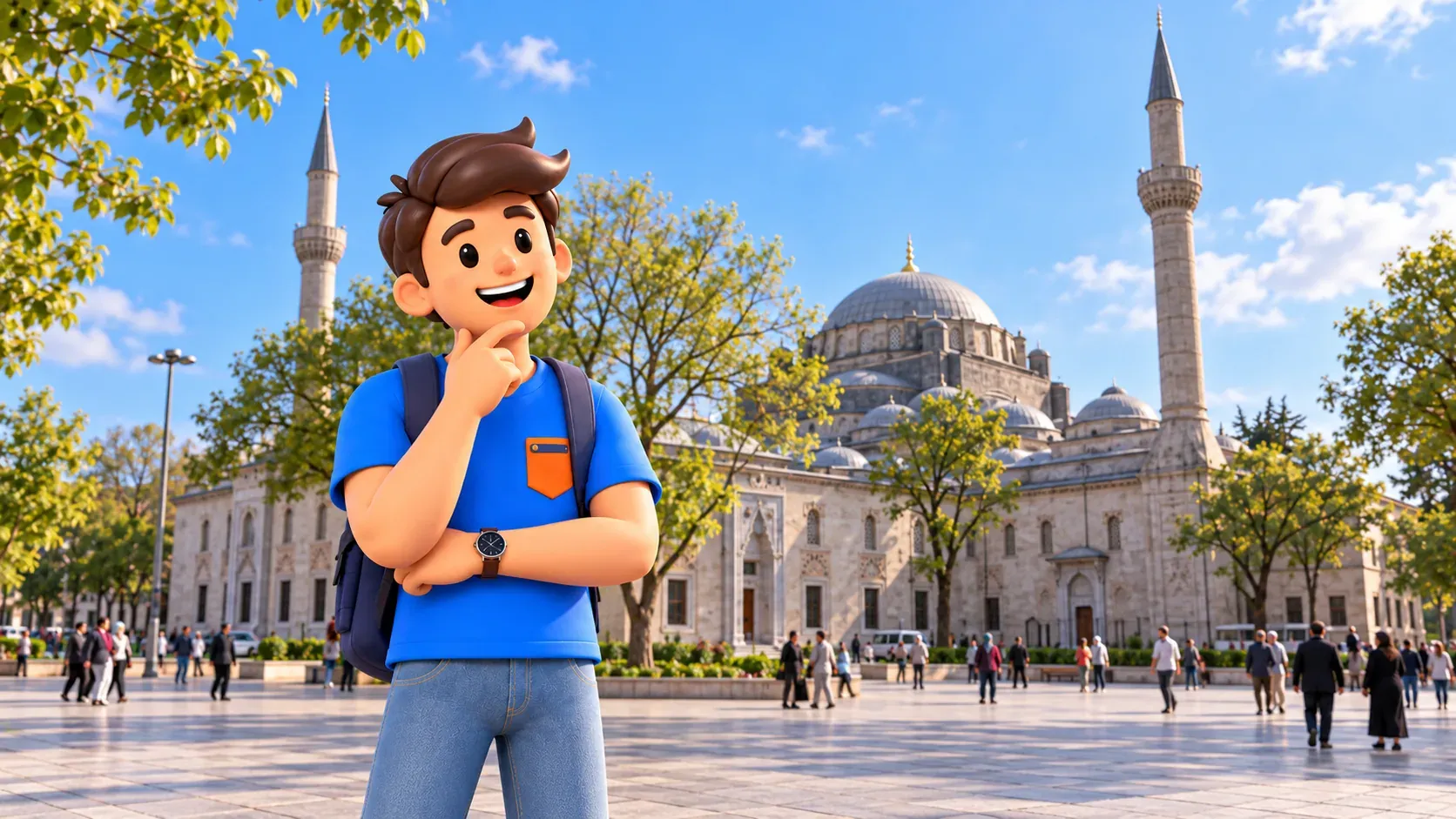
Sahaflar: the bookish side of a trading city
Sahaflar stands near Beyazıt Mosque and the Grand Bazaar. Bookselling here forms part of Istanbul's cultural life, with different kinds of publications in today's market. Arrive with open expectations. These are working shops rather than a museum arranged for visitors. Stock changes, and discovering the place can be interesting without a guaranteed rare find waiting on a particular shelf.
First notice the courtyard's rhythm: shelves, people browsing and different displays. Then choose one shop or subject. If Turkish is unfamiliar, illustrated publications, design, covers and paper still offer things to examine. Ask before picking up a book or opening a fragile copy. Simple permission makes the encounter more comfortable and helps the object receive the care appropriate to it.
For a specific title, prepare the name and author in a clear form. A cover photograph can help but does not establish that the same edition is available. Check language, year and condition when choosing a copy. Careful comparison works better than a quick conclusion from a similar spine. Searching can become the outing's main pleasure when you have allowed enough time.
Avoid making one essential discovery the condition of a successful visit. Bookselling depends on the particular shop and day. A conversation or unexpected subject on the next shelf can be the most memorable part. If you want a small keepsake, follow your own interests and the object's condition rather than a need to leave with proof of having visited Sahaflar.
Thirty to forty-five minutes gives a first introduction without a prolonged search. Readers may easily want more; shorten the covered section accordingly. In a group with different interests, settle a meeting time beforehand. Someone examining editions need not feel constantly hurried, while a companion satisfied with the courtyard and a few displays can choose a pleasant pause instead.
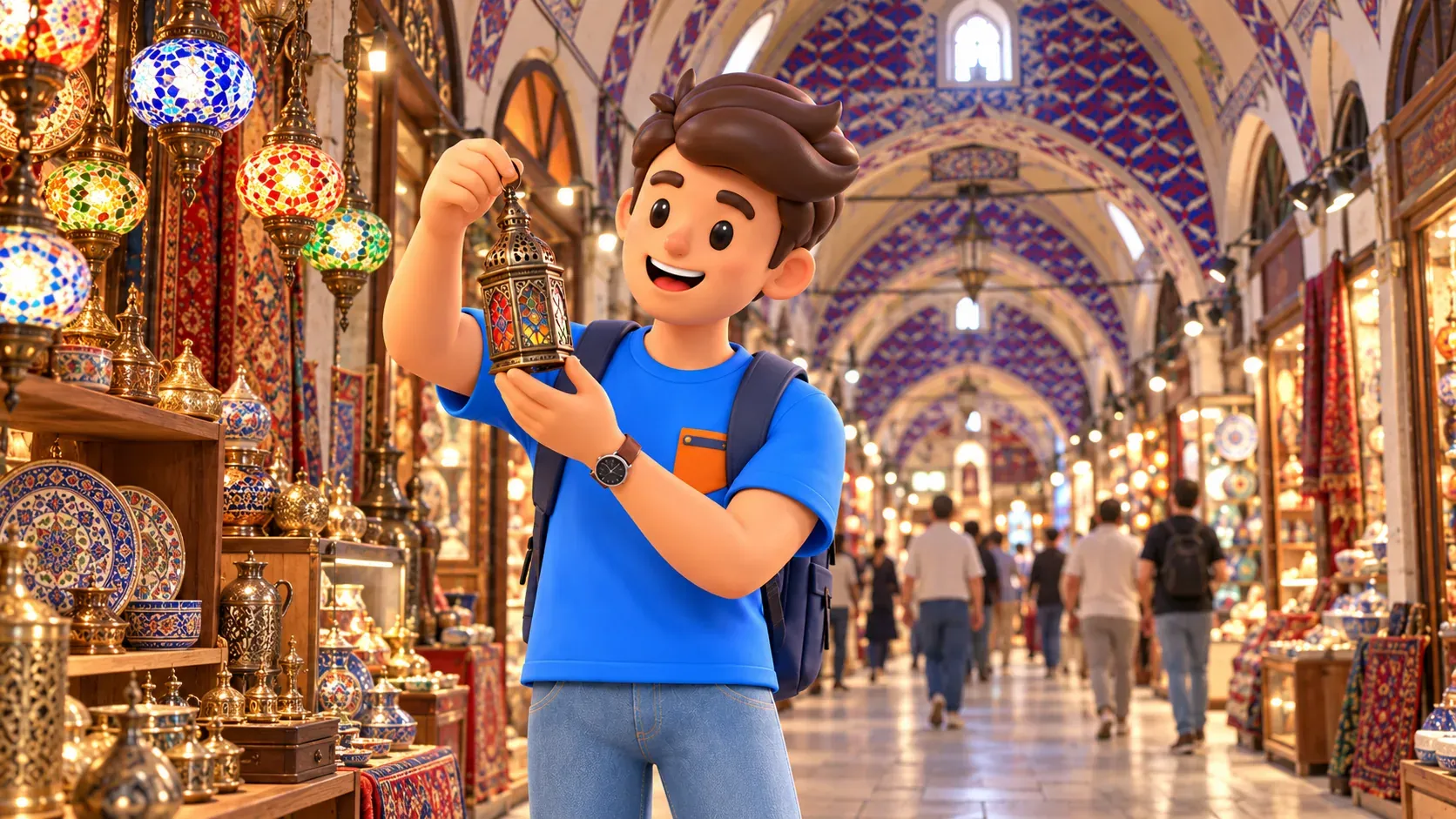
Before the Grand Bazaar, save an entrance
From the book market, approach a suitable public entrance to the covered Grand Bazaar. Save its name and take a straightforward reference photograph for returning. Knowing the exit before vaults, stalls and side passages take over your attention is useful. One modest loop with a clear return is enough for a first introduction to a substantial trading complex.
The Grand Bazaar developed from the commercial core of Ottoman Istanbul, with roots in the fifteenth century. Think of it as a network of covered streets rather than a single shop beneath one roof. Notice how architecture connects movement, trade and places to pause. That relationship gives the walk substance even when the organisation of space interests you more than particular merchandise.
Large totals of shops and lanes can distract from the actual experience. You do not have to verify the scale with your feet. Choose a small section and a few details: a vault pattern, changing light or a window displaying an interesting material. Compare this with the book courtyard. Observation makes the difference between the trading settings more apparent than memorising every street name.
Allow forty-five to sixty minutes in the covered section when purchases remain optional. If you want longer to choose, enlarge that block and reduce other tasks. Return to the saved entrance earlier if tired. There is no required number of turns. A short considered section can be more satisfying than another hour once details have stopped feeling distinct.
Looking and buying are different decisions
You can simply be interested in an object. If choosing to buy, establish what it is, its material and the price of that particular version. Compare similar pieces according to features that matter to you. A conversation does not have to end in a purchase. Thanking the seller politely and continuing helps preserve your own pace and attention for the rest of the day.
Bargaining belongs where a seller is willing to discuss a price. Treat it as a conversation rather than a contest with a predetermined discount. There is no universal percentage for every product. If the price does not suit you, decline calmly. A small purchase benefits more from a clear understanding and comfortable exchange than the feeling that you must win negotiations.
Before buying something bulky, imagine the remaining day carrying it. You can leave a final decision until nearer the exit and save a shop reference if you may return. Returning is not a promise to purchase. Avoid giving yourself several large choices simultaneously. One object you actually like fits a trip more comfortably than bags that reshape all your later plans.
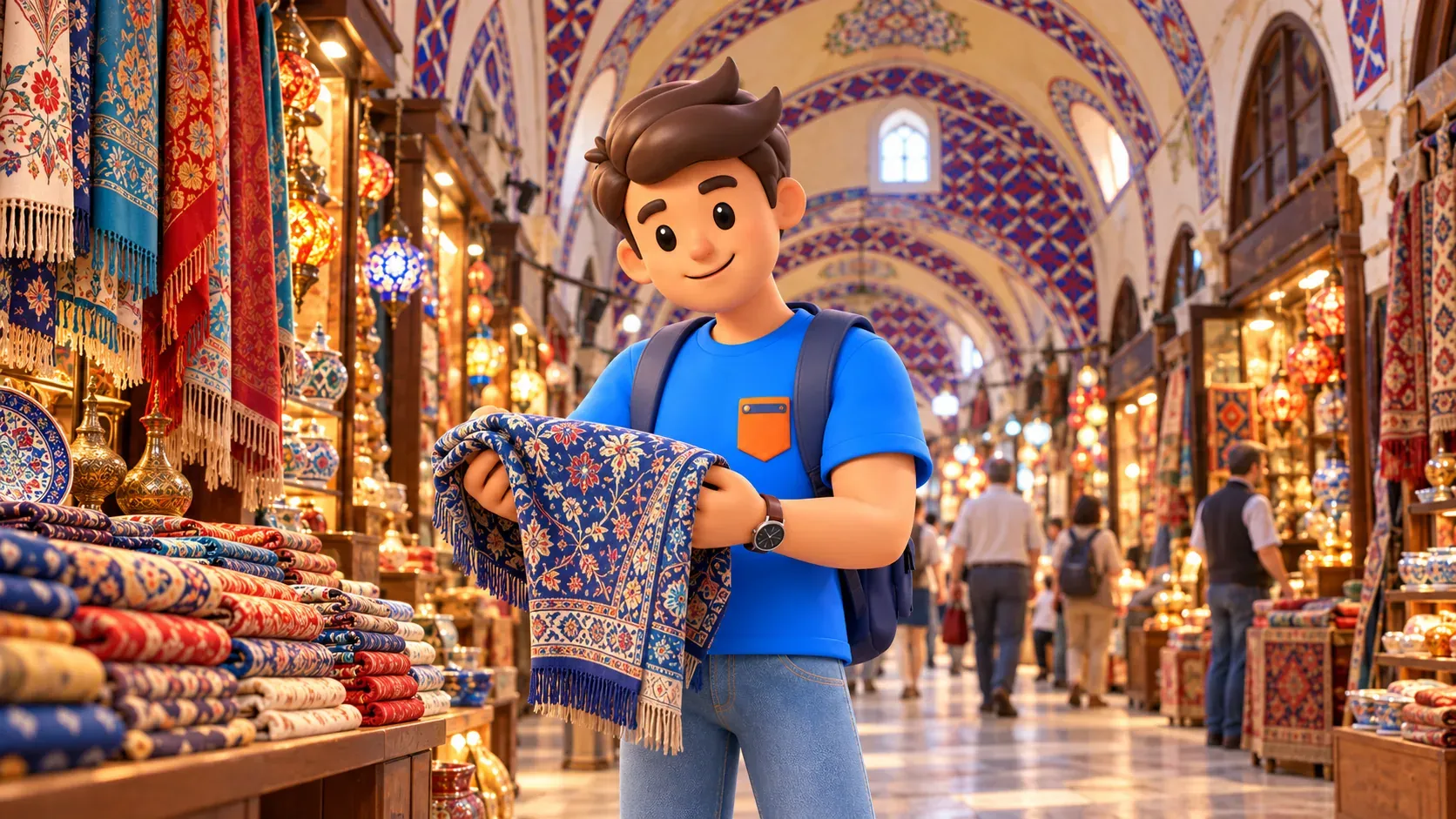
Ask permission when appropriate before photographing merchandise, people or the inside of a shop. Keep customer passages clear. A building detail or general sense of activity can work instead of directing the camera at every seller. This is a working space. Attentive observation can respect the people for whom the market is part of daily business and conversation with regular customers.
A pause that helps preserve the impression
Allow approximately half an hour for a drink or light food somewhere suitable. Check the menu, current prices and position relative to your exit first. Rest gives you time to compare both markets and decide what comes next. A few quiet minutes may reveal which object or image actually stayed with you, rather than what only caught your attention briefly.
The day is complete even if you buy nothing. Shelves, vaults and different scales of commerce already show another side of the city. Save an interesting address or a question for returning. On a longer trip, that can be more useful than finishing every curiosity immediately. Istanbul can retain subjects worth revisiting without becoming an unfinished list of obligations.
After resting, return towards your chosen Beyazıt reference. Check the direction of the transport you need, especially if you left through another part of the complex. The hotel journey lies beyond the three-hour estimate. Leave extra margin before a meeting, train or evening reservation: crossing a busy area may demand more attention than its short distance suggests on a map.
Fit the market walk into your own trip
This outing works alongside larger themes on other dates: a palace, waterfront walk or residential neighbourhood. Combining everything immediately can turn the book market into a token stop before another journey. Give each free block one main theme. The neighbourhood then has a chance to become a memory rather than merely a name between two transport connections.
Using the complete personal plan is more convenient in RoadMe, where your interests, days and selected places become one trip itinerary. Download Istanbul beforehand with an internet connection to use maps and navigation offline afterwards.
With children, choose one observation in each setting: an interesting cover, a vault colour or an unusual object shape. For companions with different stamina, keep a short shared version and a flexible pause. Check particular entrances and surfaces if accessibility matters. Nearby points on a map do not describe every passage inside a large covered trading complex.
From Beyazıt through Sahaflar to the Grand Bazaar, a small distance reveals several ways to see a commercial city. The square offers scale, books encourage attention to individual objects, and vaults frame movement and light. Leave some open time between those impressions, and the walk becomes interesting in itself, whatever happens to be in your bag on the way back.


