
Berlin with kids: build a day around one big experience
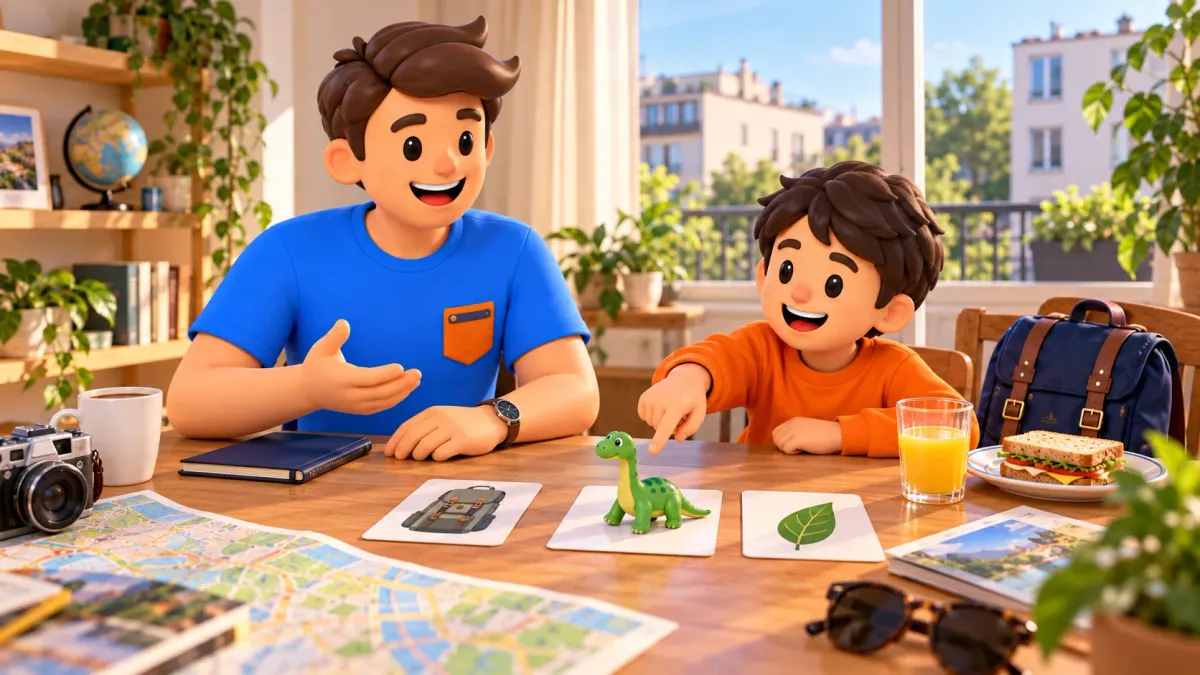
A family day in Berlin is easier to shape around one big experience. In this plan, that experience is the Museum für Naturkunde: dinosaurs first, a proper pause, then one smaller theme. Afterwards, take a short walk if the weather suits and return to a familiar station. Allow about four hours from U Naturkundemuseum and back, with travel from your accommodation added separately. The Technikmuseum and Futurium appear below as alternative main experiences, not compulsory continuations after the same museum morning. Choose one centre of attention and give it enough room.
The example particularly suits a school-age child interested in animals, the ancient world and big questions. That is an editorial suggestion, not a museum age restriction. With younger children, shorten the programme; with teenagers, allow more independent choices. The essential factors are curiosity and available energy rather than one exact age. If a child wants longer with one skeleton, you need not lead them away to complete three more addresses. Berlin will still offer possibilities tomorrow, while today’s discovery is already happening in front of you.
Choose something your child wants to ask about
RoadMe makes developing a personalised plan for the whole family trip much more convenient, bringing interests, dates and your pace into one programme. Try planning in the app so big experiences, walks and breaks fit together and your travel time works more efficiently.
Instead of asking which sights children must see, ask what your child currently wants to understand. How did an enormous animal move? How does an aircraft stay up? What might a future city look like? The first points towards natural history, the second towards technology, the third towards Futurium. Offer two or three ideas and let the child help choose. The outing then gains a purpose before arrival. A museum need not feel like an adult obligation with a reward promised afterwards; the attraction can be the question itself.
One focus helps adults, too. You do not begin by coordinating several tickets, changes of transport and last-admission times. You know the main purpose and can adapt secondary details. Avoid promising delight in advance, however. A child who expected dinosaurs might remember a small display or a conversation on the way more clearly. Let the place surprise you and let the family become tired. One new question, a funny drawing or an unexpected observation can be a worthwhile result. Completing every gallery is not necessary for that to happen.
Why natural history makes a strong starting point
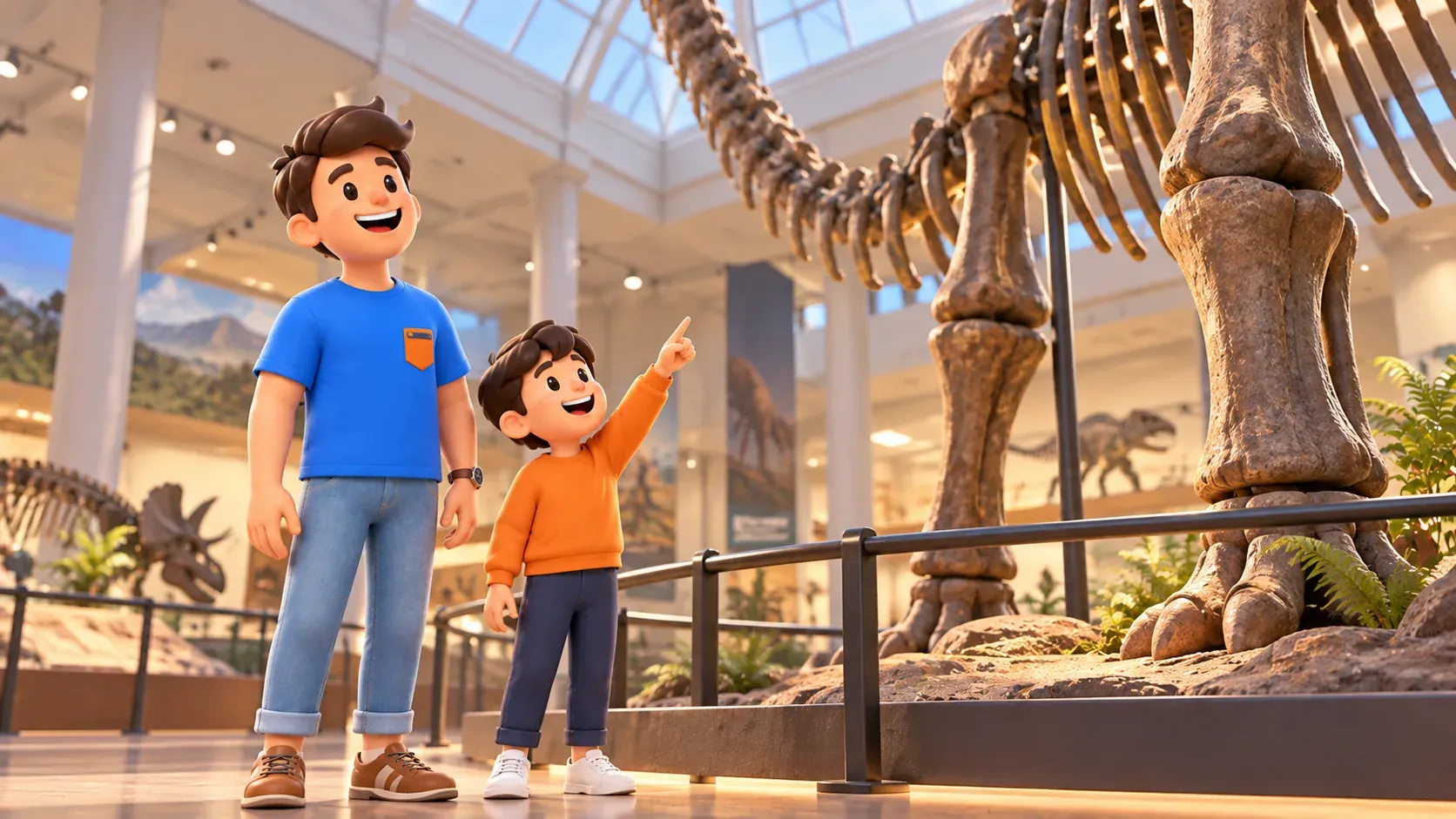
The Museum für Naturkunde at Invalidenstraße 43 offers an immediately understandable change of scale. In the dinosaur hall, the long neck of Giraffatitan draws the eye upwards. The larger value lies in asking how researchers use surviving evidence to understand vanished life. Separate what you can see, a scientific explanation and an imagined image of the animal. That is enough to begin a shared conversation without making a child learn a long introduction first. A clear idea that can be revisited later is more useful than many disconnected facts recited at once.
Before entering, say that you will see how people investigate ancient animals rather than promising to learn everything about dinosaurs. Do not promise living creatures or permission to touch every object. Follow the rules around exhibits and use interactive elements only where allowed. If skeletons or some natural-history displays trouble your child, that subject need not be compulsory. Choose another available section or a different main experience. The purpose is to support curiosity, not to test how successfully a child can endure an adult’s completed itinerary. Comfort and interest belong in the plan.
Try a small observation task: compare head and body, follow the direction of a neck or ask what you noticed first. It need not become a quiz. Instead of correcting every guess immediately, ask why your child thinks that and look for an explanation together. Adults are allowed not to know. The museum becomes a shared investigation rather than a stream of instructions. The memorable moment comes partly from the object’s scale and partly from being able to look independently and suggest an idea. Leave enough silence for that looking to happen.
A four-hour framework from the station and back
Start at street level outside U Naturkundemuseum. Allow 15 minutes to approach, 20 for admission and belongings, 70 for the first selected theme, 20 for a break, 30 for a smaller second theme, 20 to gather things and leave, 15 towards Invalidenpark, 20 for an outdoor pause, 15 back to the station and 15 in reserve. The total is 240 minutes, approximately 11am–3pm. These are editorial estimates, not a measured route or a promise about queue length. Your journey from accommodation is additional.
The museum portion contains 100 minutes of selected displays and a separate 20-minute break. The first theme might combine dinosaurs with related observations; the second could concern animal diversity. You need not stop an important conversation precisely after 70 minutes. The budget protects energy rather than enforcing minute-by-minute control. At a slower pace, reduce the second theme. If fatigue appears, leave earlier. A full lunch and a separately booked educational activity require their own time. Do not hide either inside a short rest allowance simply to keep the finish looking tidy.
Match arrival to an available admission window. The example begins at the station, not the first display, so do not select a ticket for the minute you expect to leave the train. The museum normally closes on Mondays. Exhibition rooms are additionally closed on 1, 24 and 25 November 2026 for events. If your date falls on a closure, change the main experience in advance rather than attempting several chance alternatives on arrival. Holiday exceptions also need the actual date. This small calendar decision protects the entire outing without requiring an elaborate backup list.
After a large object, make a small observation
Change scale during the second part. After a huge skeleton, look at variety in animal forms. Suggest comparing two visible features or distinguishing what you notice immediately from what appears only after looking closely. This is a family observation idea, not a promised museum workshop. You need not record every species name. A comparison invented by your child can mean more than a long collection of information read aloud at each case. Let interest determine the stopping point instead of insisting every display deserves the same time.
The museum investigates the origins and contexts of collections as well as presenting remarkable objects. With older children, a short question about where finds came from and who studied them can add depth. Tendaguru material connects with present-day Tanzania and Germany’s colonial history. Avoid reducing that complex background to a story about one heroic explorer. You can continue the subject at home if it catches interest. A family visit can include serious questions without turning each one into a lengthy lecture in the middle of a gallery. Leave space for age-appropriate discussion.
Let attention rest during the break. A child eating or sitting quietly does not need a continuing commentary on every specimen. Use a designated place for snacks; a gallery does not become a dining room because the family is tired. Twenty minutes means a short pause, not guaranteed table service. If your party needs a substantial meal or longer customary rest, extend the plan. A later finish or shorter second theme is preferable to preserving an attractive schedule at the expense of basic comfort. That adjustment is part of planning, not its failure.
A short outdoor ending
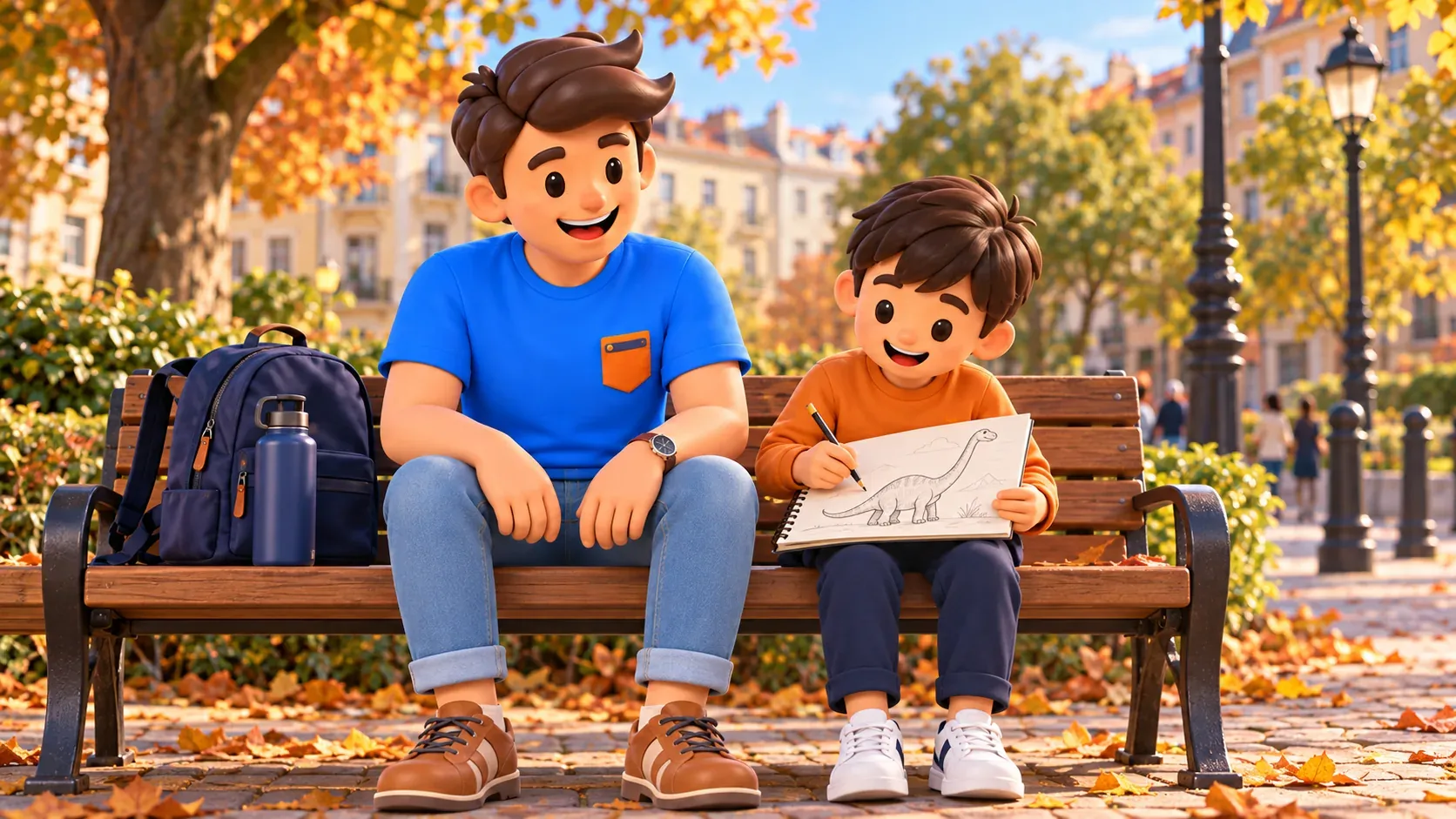
Invalidenpark provides a nearby outdoor epilogue when it is dry and everyone wants air. It is a green pause rather than another attraction demanding a detailed visit. Use permitted paths, find an appropriate stopping place and recall one object. A child might draw a dinosaur or compare a museum image with their own sketch. Do not promise a particular operating playground, water play or an available table. The point is a change of surroundings and a calm ending. The drawing can also wait until your accommodation if a bench or the weather does not suit.
Invalidenpark and Invalidenfriedhof are different places with different visiting contexts; this plan does not require entering a cemetery. In rain or unpleasant wind, omit the outdoor section and finish earlier or rest in a suitable open indoor place. The programme does not promise museum re-entry after leaving. Returning to the familiar station reduces decisions at the end. If another district follows, treat that journey as a separate part of the day rather than another effortless stop within the same four-hour budget. Children experience travel time as part of the outing too.
If machines or the future are more interesting
The Deutsches Technikmuseum with Spectrum can replace the main experience entirely. Choose an available technical subject or experiments, keeping the same principle: one substantial encounter, rest, then a smaller section. The ordinary ticket covers both on the selected day, but using every possibility is optional. Under-18s need the appropriate free ticket, and backpacks are not allowed in Spectrum. Our rainy-day museum plans explain that pairing. Do not append it to a completed natural-history morning simply because both places appeal. A different day preserves time for the interest.
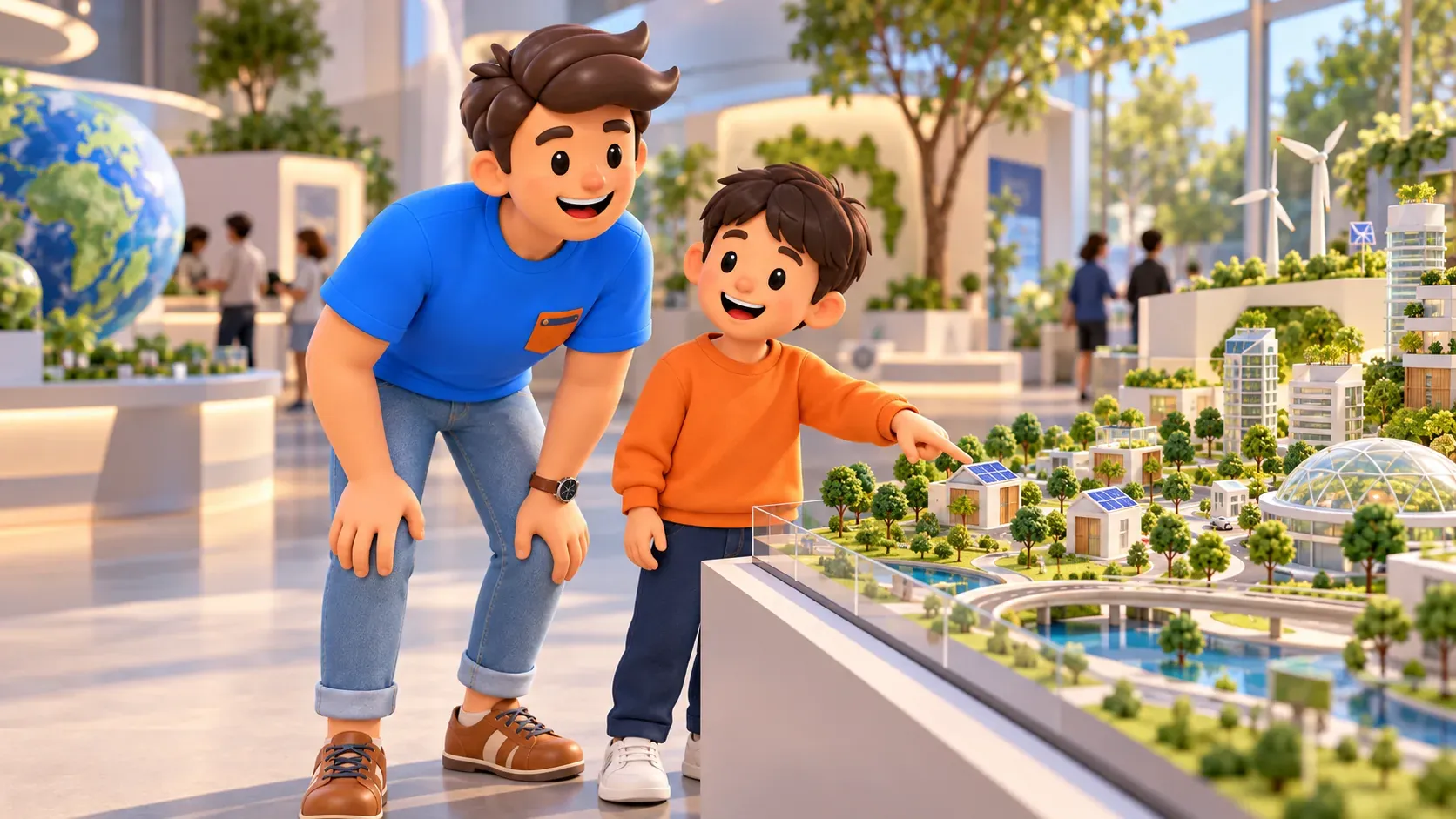
Futurium at Alexanderufer 2 offers another alternative: asking how we want to live in the future. Choose one question about a city or technology and discuss it through available interactive elements. Ordinary entry is free, individual activities have their own conditions and Tuesdays are closed. Do not promise a daily workshop without checking its booking. The children’s audio guide is available in German and English, so other language tracks should not be assumed. This is a different subject for the same family rhythm, not an extra destination after natural history and technology.
Prepare enough for a comfortable day
Choose the correct admission category: at the natural-history museum, under-sixes enter free, but school age does not mean every Berlin museum is free. Family combinations depend on party size and ages. Large exhibition bags are restricted and suitcases cannot be stored here. Strollers are allowed; the accessible entrance is to the right of the main entrance. Establish the appropriate approach and assistance beforehand if important to your family. Carry fewer things so the visit centres on discovery rather than transporting possessions between doors. Individual access needs deserve a practical plan suited to your party.
RoadMe helps you prepare a personalised plan for the entire trip more conveniently and efficiently, distributing major experiences and calm breaks around the family’s interests and pace. Start in the app so each day has a clear shape that suits you.
Afterwards, ask what your child would like to remember rather than how much you completed. The answer may differ from adult expectations. One chosen museum, a real break and a gentle ending leave room for that answer. Berlin’s many possibilities need not fit into one day. A wish to return to an interesting subject is a better starting point for the next outing than the feeling that a city consists of an endless queue of compulsory entrances.


