
Bellagio in Two Hours: Glass, Gardens and Fountains
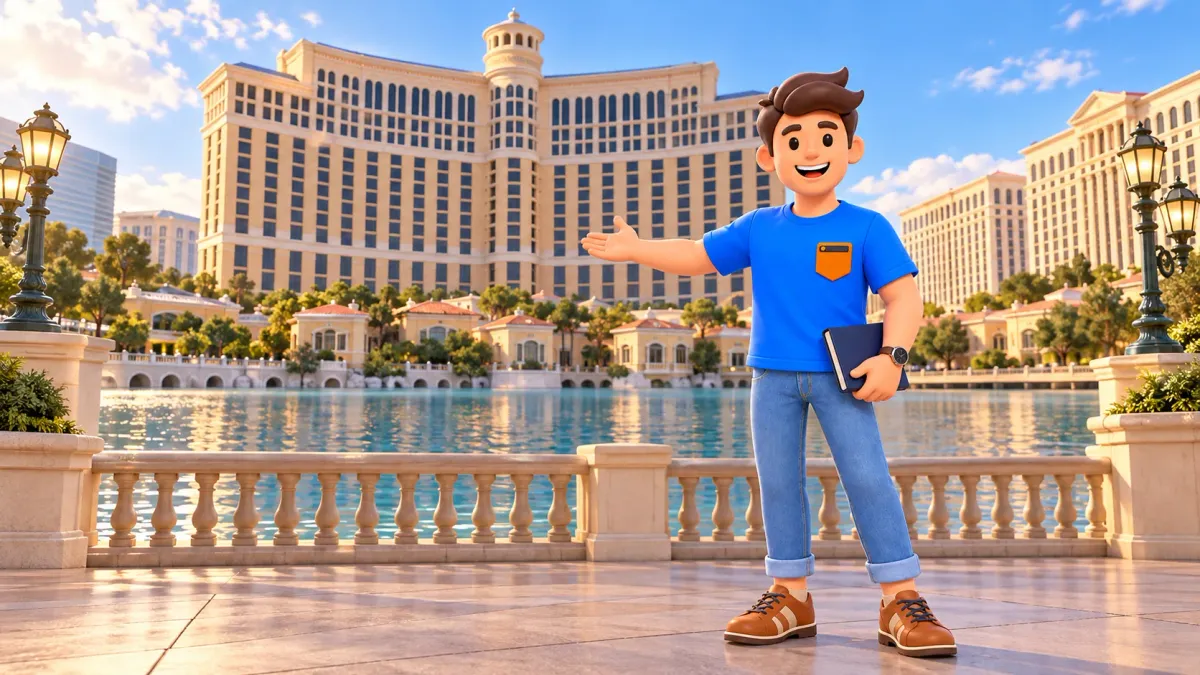
Two hours at Bellagio can become a small route with three distinct experiences: the glass ceiling of Fiori di Como, the seasonal Conservatory and the fountains outside. The pleasure lies in changing how you look. Glass holds a colourful composition in place, plants create an immersive setting, and water continually redraws the scene to music. You can enjoy that contrast within one resort.
This route begins in the lobby, continues through the garden and finishes beside the lake. The two-hour allowance starts when you reach Bellagio. Your journey from another hotel, a full meal and additional attractions need separate time. Treat the duration as an editorial estimate for an unhurried visit, with adjustments when the Conservatory is changing displays or weather affects the fountains.
Give each stop a different purpose
Start by deciding what draws you here. Someone interested in decorative art may stay longer beneath the glass, while a traveller who enjoys colour and planting may favour the garden. If music and evening light are the main attraction, organise the indoor portion around a suitable fountain performance. The same three stops can support different visits without requiring a longer list of places.
For a more convenient way to turn this idea into a personal outing, try RoadMe: the app works out an itinerary around your interests and available time. Prepare your plan before arriving so you can spend the visit looking, talking and enjoying the places that matter to you.
| Stop | Suggested allowance | What to notice |
|---|---|---|
| Fiori di Como | 15–25 minutes | The complete pattern and individual glass forms |
| Seasonal garden | 30–45 minutes | Composition, colour and smaller details |
| Lake and fountains | 30–45 minutes | Water, reflections and musical rhythm |
These are estimates rather than measured visit times. The remaining room is for moving between spaces, waiting and taking a brief break. Keep it free when you plan. That margin is what lets you linger beneath the ceiling or look at the garden from another position without feeling that a longer visit has become a mistake.
If you arrive well before the fountain programme, start later or let the lake itself be the final view. Do not assume the water show operates at every hour. You can also reverse the route after a suitable performance, provided the garden is accessible. The sequence should fit your day, especially if you are working around another booking.
Begin by looking up in the lobby
It is easy to register Fiori di Como as an attractive hotel decoration and keep walking. Instead, approach it as a work with its own visual questions. Stop where you leave the circulation clear and look at how separate shapes become one field of colour. Then follow the edges and spaces between them, where the installation's depth becomes more apparent.
Dale Chihuly created the installation for Bellagio's lobby in 1998. That brief history changes the encounter: the artwork belongs to this arrival space. Look at it with the room around it in mind, including the scale of the entrance and the movement of people underneath. Its setting is part of what makes the work memorable.
The title connects with Bellagio on Lake Como in Italy, a reference behind the resort's identity; fiori means flowers. You do not need a botanical answer for each form. Notice instead how the suggestion of a flower can survive in glass through a curved edge, a centre and a repeated shape.
Choose a small part of the ceiling and give it your attention. Follow one wavering edge, the meeting of warm and cool colours, or a darker centre beside a lighter shape. Then return to the complete view. Moving between the whole and a fragment makes a short stop more rewarding than searching only for the widest possible photograph.
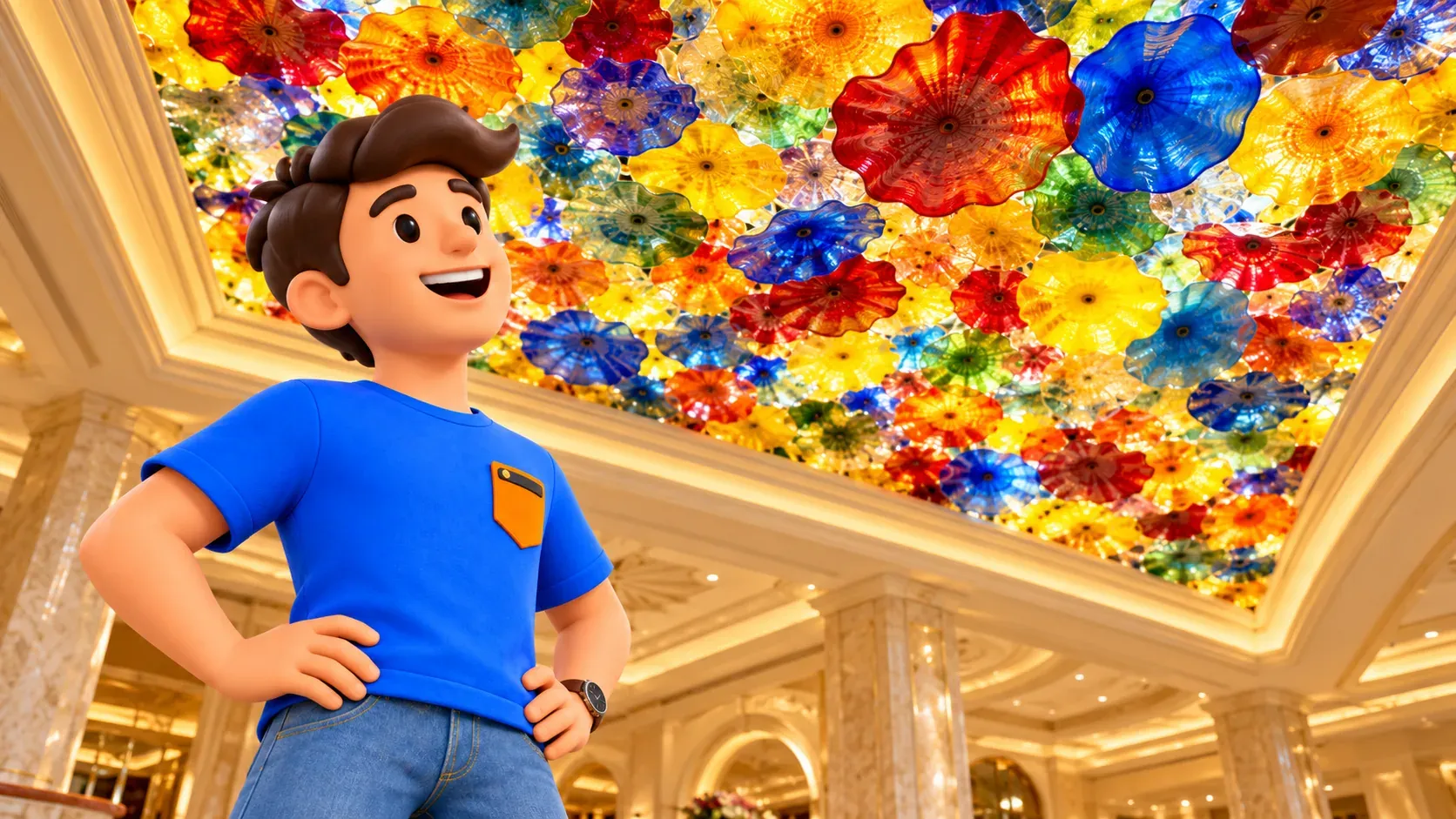
For pictures, a broad view and a single detail are usually enough to express two different impressions. Stop before looking upwards rather than walking with your head tilted back. The lobby remains a working hotel space, so a considerate position helps both other visitors and your own ability to look calmly.
You do not need to understand every part of the installation to enjoy it. A useful personal question is which colour you noticed first and whether that changes when you move. The answer makes the encounter specific to your visit. It also gives you something to compare with the planted colour in the next space.
Continue from glass to the garden
The transition into the Conservatory is part of the route's appeal. Colour and repeated forms matter in both places, yet the way you experience them changes. Under the ceiling, your attention gathers separate elements overhead. In the garden, planted areas, larger decorative features and available paths lead your gaze through a scene at a different scale.
The garden uses seasonal displays. Pictures from another visit therefore suggest the setting rather than guarantee the same decorations. Check changeover dates before travelling: the published calendar lists November 8–13, 2026 as a closure for installation work. A two-hour plan should leave room for that practical exception.
Begin with an overall look instead of trying to capture every detail immediately. Notice the main focus, where colour is concentrated and what lies between the foreground and the farther part of the scene. Follow the available visitor paths. Once you have understood the general composition, smaller features become easier to appreciate.
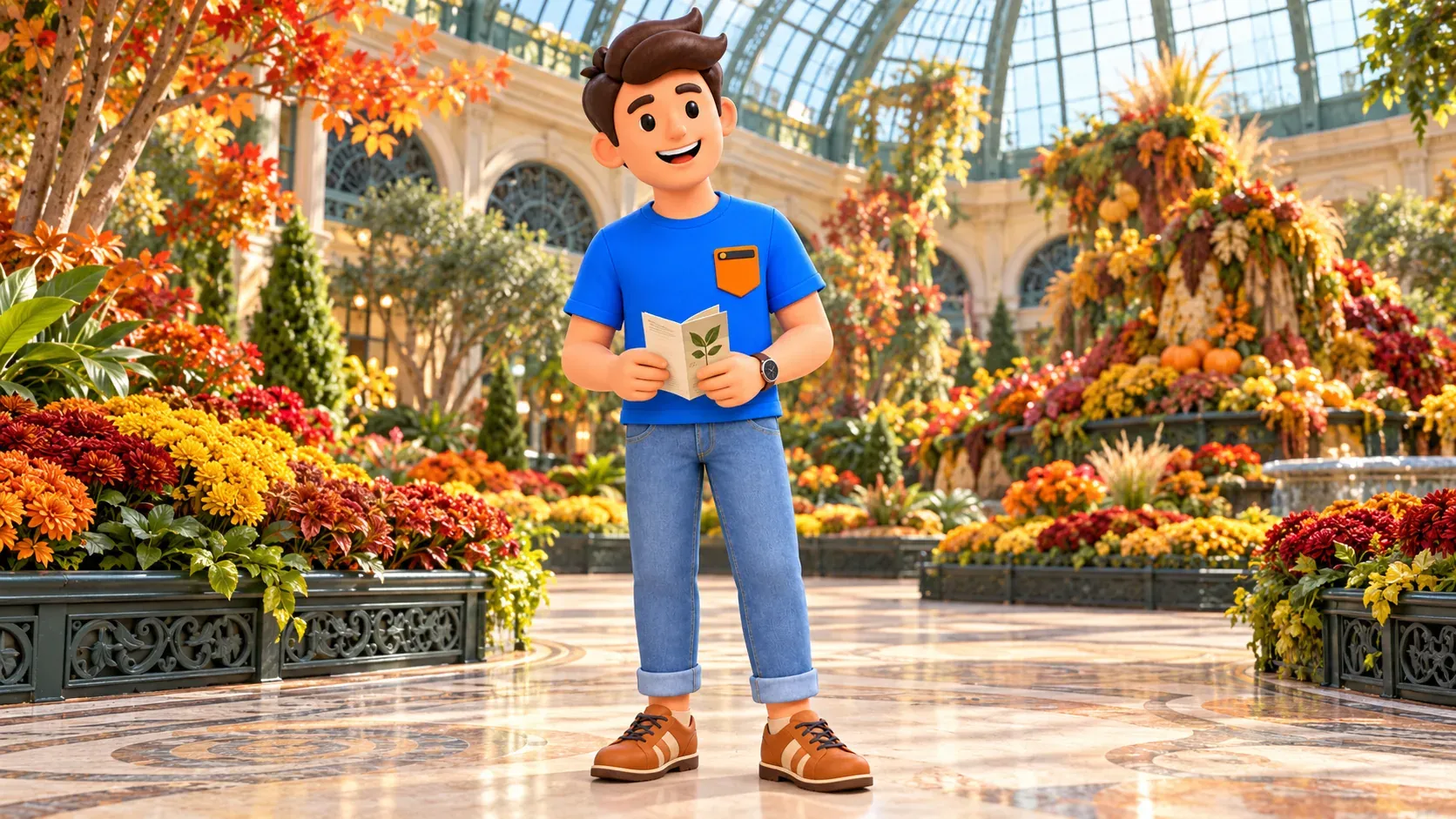
For the next part of your visit, choose a subject of your own: the texture of leaves, two colours used together, or the relationship between a plant and a decorative object. You can learn something through observation without trying to identify every species. One clear discovery is often more memorable than a rushed catalogue of things seen.
If photography interests you, alternate between an overall image and a close detail. Stay in visitor areas and respect the edges of planted displays. There is no need to move foliage or touch decorations to improve a photograph. A different camera position or a patient pause can give you a clearer picture without disturbing the setting.
Leave space for different interests within your group. One person may enjoy planting combinations, another may prefer the arrangement of the scene, and someone else may simply want to pass through slowly. A short period to look independently, followed by a clear meeting point, can make the same visit enjoyable without requiring everyone to study the same details.
Keep a little room between experiences
Before going outside, check your remaining time and the next suitable performance. This is a planning moment rather than a signal to rush. If the garden has taken longer than expected, shorten a pause or consider a later show when that suits your plans. The two-hour format helps shape the visit; it does not need to turn into a test of punctuality.
Coffee or a snack can take longer than the act of ordering. Waiting and finding a place to sit also matter. If a proper meal is important, give it a separate block instead of squeezing a restaurant visit between two stops. A short route feels more comfortable when ordinary needs have a realistic place in the day.
With children, compare a glass flower with a living one as seen from a distance. With adults, discuss the colour or detail each person remembers most. A simple conversation links the spaces without a lecture. It also turns movement between attractions into part of the experience, rather than an empty interval between photographs.
On the approach to the lake, use the available signs and exits rather than assuming the nearest visible outside space is the right one. Resort buildings are large, and a route through them needs its own attention. If anyone needs an accessible path or a shorter transition, establish that before leaving the indoor stop and ask staff about the current arrangement.
Finish with water and music
At the fountains, the scale changes again. After glass overhead and plants close by, a broad surface of water opens in front of the hotel. Spend a minute taking in the complete setting before filming. Reflections and the quieter spaces between movements are part of the impression, even when the highest jets initially command your attention.
The fountains are free to watch. The previously checked weekday programme has performances every half hour from 3 pm to 7.30 pm, then every 15 minutes from 8 pm to midnight; weekends and holidays start at noon. Check the current schedule before visiting. Weather and operational changes can affect whether a performance takes place.
One show is enough to complete this compact route. Find a position with a view while leaving space for other people to pass. During the music, follow changes in the pattern across the lake rather than watching only one jet. Individual movements become more interesting when you see how they contribute to the whole.

The ending connects naturally with the beginning. At the ceiling, still forms can suggest movement; here, moving water repeatedly creates a different pattern. Both reward looking at how separate elements form a composition. That is an observation you can make for yourself without needing the full technical history of either installation.
If art, gardens or evening views appeal most, RoadMe can work out a personal plan around those interests. The app makes it more convenient to prepare this short visit and the following days of your trip as an itinerary suited to the way you like to explore.
Know when two hours are enough
This outing suits a gap between other plans, a quieter introduction to the Strip or a day when you want fewer transfers. It does not require buying a ticket at each stop. Extra spending depends on transport, food and any separate visits you choose beyond the three experiences described here.
If the garden is closed for a changeover, glass and the lake can still make a coherent shorter visit. Leave the spare time for a break. If weather cancels the fountains, the water and frontage remain a view, although they should not be confused with having seen a performance. Keep the distinction clear when deciding whether to return another day.
Finish where it makes sense for the rest of your day: return to your hotel, continue to dinner or stay by the lake for a little longer. The value of two hours is three distinct memories with different materials, scales and moods. You leave with something more specific than a general impression of another large resort.


