
From Factory to Art: The New Life of Industrial Barcelona
In Barcelona, a former factory may become a painting museum, an exhibition centre or a place where art is still being made. Brick walls and large windows remain part of the encounter. Behind the appealing phrase “once textiles, now art”, however, lie different histories, different architectural changes and different arrangements for visiting.
Three examples provide a useful introduction: Can Framis in Poblenou, CaixaForum at the foot of Montjuïc and La Fabra Centre d’Art Contemporani within the Fabra i Coats complex in Sant Andreu. They do not form one short walking route. Their shared question is what changes when an industrial building receives a cultural job.
A new function is more than an attractive shell
Preserving a factory does not always mean leaving it as it was. A different purpose requires suitable entrances, light, display space, circulation and technical arrangements. Sometimes a new element looks clearly different from the old; sometimes a surface treatment brings several periods together. Contrast alone proves neither a failed conversion nor an especially sensitive one.
Look instead at what the result does. Where can you still read the rhythm of former windows? How do people enter? What remains of a large working space, and what has been introduced for an exhibition or contemporary activity? These questions make the building a functioning place rather than an industrial backdrop.
Distinguish the present functions too. A collection museum, a centre with changing exhibitions and a place for artistic production do not offer identical experiences. A shared factory past does not guarantee the same kind of visit. Decide whether the attraction is the art, the architecture, an exhibition theme or a chance to encounter a creative process.
To combine art with unusual architecture, try RoadMe: the app prepares a personal plan around your interests, dates, pace and budget. It makes distributing cultural experiences across your trip much more convenient than gathering every former factory into one overloaded day.
Can Framis: old walls with a museum’s purpose
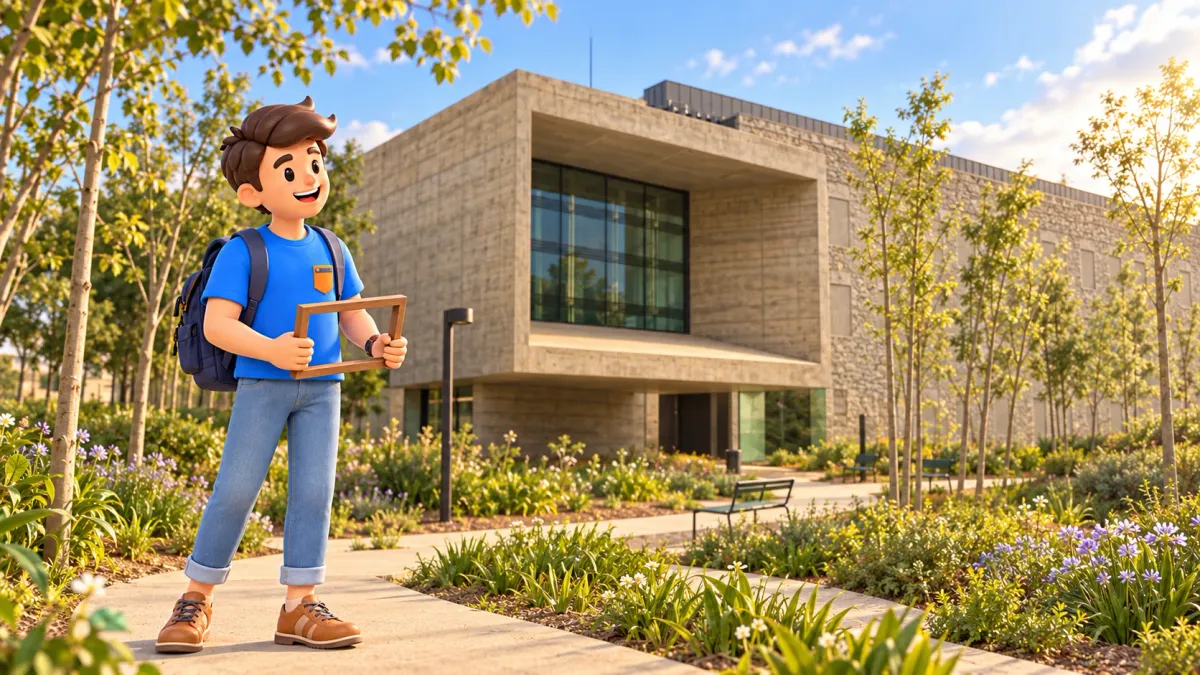
Can Framis belongs to Poblenou’s textile past. The Fundació Vila Casas museum opened here in 2009, following a transformation by BAAS led by architect Jordi Badia. Surviving factory elements received a new connection and a contemporary organisation. The result should not be imagined as an untouched industrial building with paintings simply brought inside.
Outside, compare the rough surface of older walls with the clearer geometry of the new element. Grey does not necessarily signal abandonment; it can help different fragments read together. Some former window openings appear differently within the wall from functioning glazing. A painting museum has a different relationship with light from a factory.
Begin with the overall volume, then find a meeting between textures. There is no need to assign an exact age to every stone immediately. Notice where a surface changes and what that does to the impression of the building. A contemporary element can help an older part become legible without literally copying its material and pattern.
Inside, the emphasis shifts to paintings from the 1960s onwards by artists born in Catalonia or resident there. That is a useful framework, rather than an expectation of a complete textbook of international contemporary art. Architecture provides the setting for encountering works, but should not entirely displace them from the visit.
If the factory conversion is your main interest, an exterior look already offers useful observations. If you want the collection, choose a museum visit in its own right. Walking around and entering the galleries are separate opportunities. Accessible outdoor surroundings do not make the museum itself free or open at any hour.
CaixaForum: a modernist factory and a new entrance
CaixaForum Barcelona occupies the former Casaramona textile factory, associated with Josep Puig i Cadafalch and 1912. It belongs to the world of industrial Modernisme. That makes it a useful example of architectural expression in a working building, rather than only in a prestigious urban home.
The factory did not turn instantly into a cultural centre. After its original operation ended, the building went through other uses. CaixaForum opened here in 2002 following recovery and adaptation. This sequence avoids an overly smooth story in which art immediately replaced machinery without a substantial intervening chapter.
On arrival, notice the threshold between the historic complex and the contemporary entrance arrangement. Arata Isozaki designed the new access plaza and entrance. Pale stone and clear geometric planes do not belong to Puig i Cadafalch’s original factory design. Different authors and periods can remain distinguishable within the same cultural place.
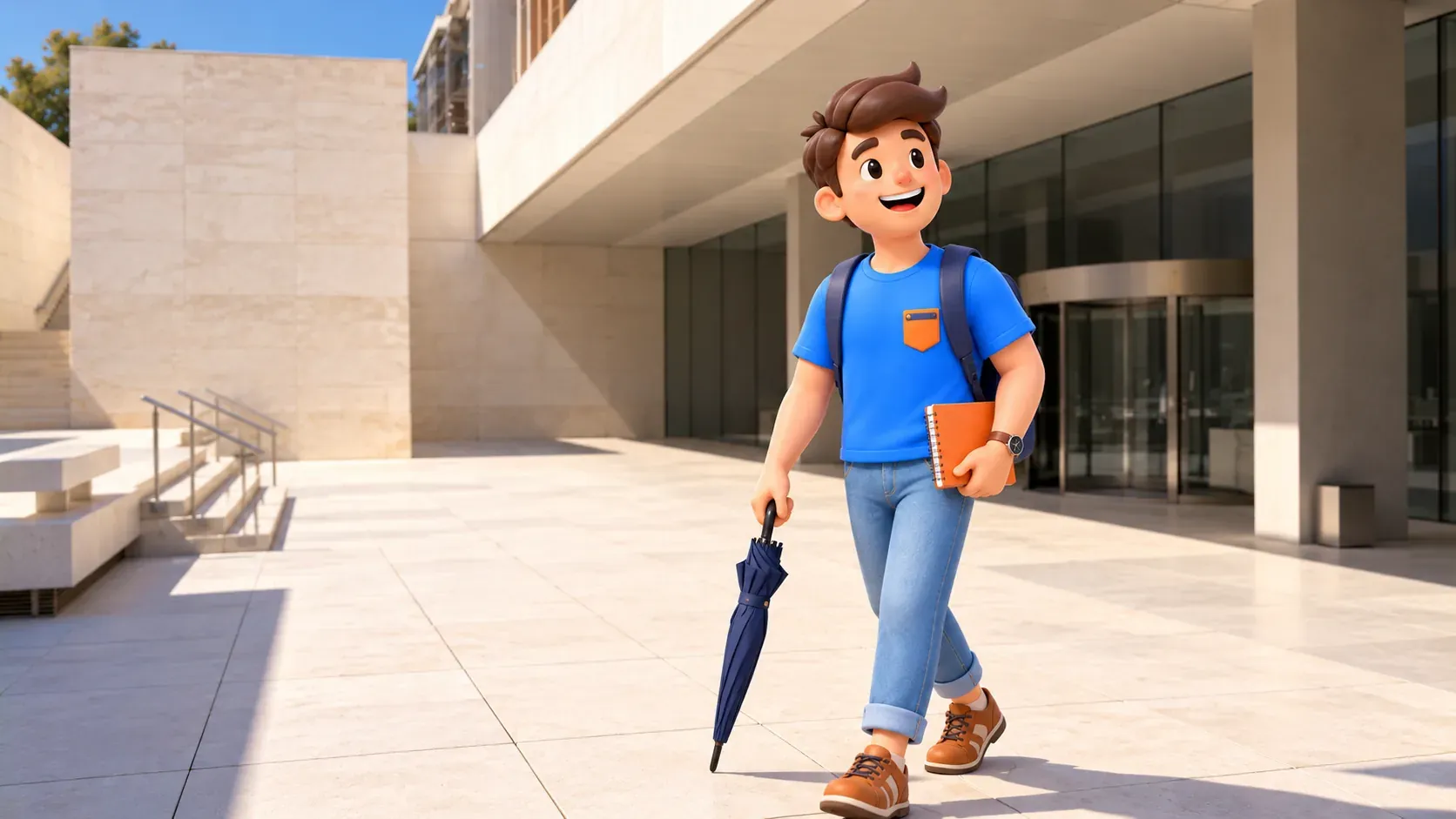
This is a good moment to set aside the question of which style is prettier and ask how the entrance guides a visitor. Where does the level change? How does daylight appear? Where does open space give way to the building? The cultural encounter starts before the first artwork, although the new entrance is not the whole historic factory.
Choose a reason for the visit beyond the exterior too: an exhibition theme, an event or an interest in the building itself. Programmes change, so an older temporary-exhibition photograph does not guarantee that the display can be seen now. Nor should a separate workshop or architectural tour automatically be assumed to accompany every admission.
La Fabra: the factory still involves work, of a different kind
The Fabra i Coats complex in Sant Andreu is connected with the production of thread and textiles. Its name reflects the coming together of the Fabra family’s industrial history and the Coats company. Here especially, the past should not be reduced to the colour of brick: the enterprise formed part of the neighbourhood’s daily life, labour and skills.
Following the end of production and a reconsideration of the site, new public and cultural functions emerged. The Fàbrica de Creació opened in 2012, and the contemporary art centre La Fabra also dates its activity from 2012. They are related parts of one complex, not one interchangeable institution with identical access throughout.
For a visitor, the distinction is practical. An art-centre exhibition is one encounter; artists’ working spaces, rehearsals and residencies are another. The word “art” on a website does not give permission to enter every studio. Choose public events and organised visits from the relevant programme instead of treating a working place as an unrestricted gallery.
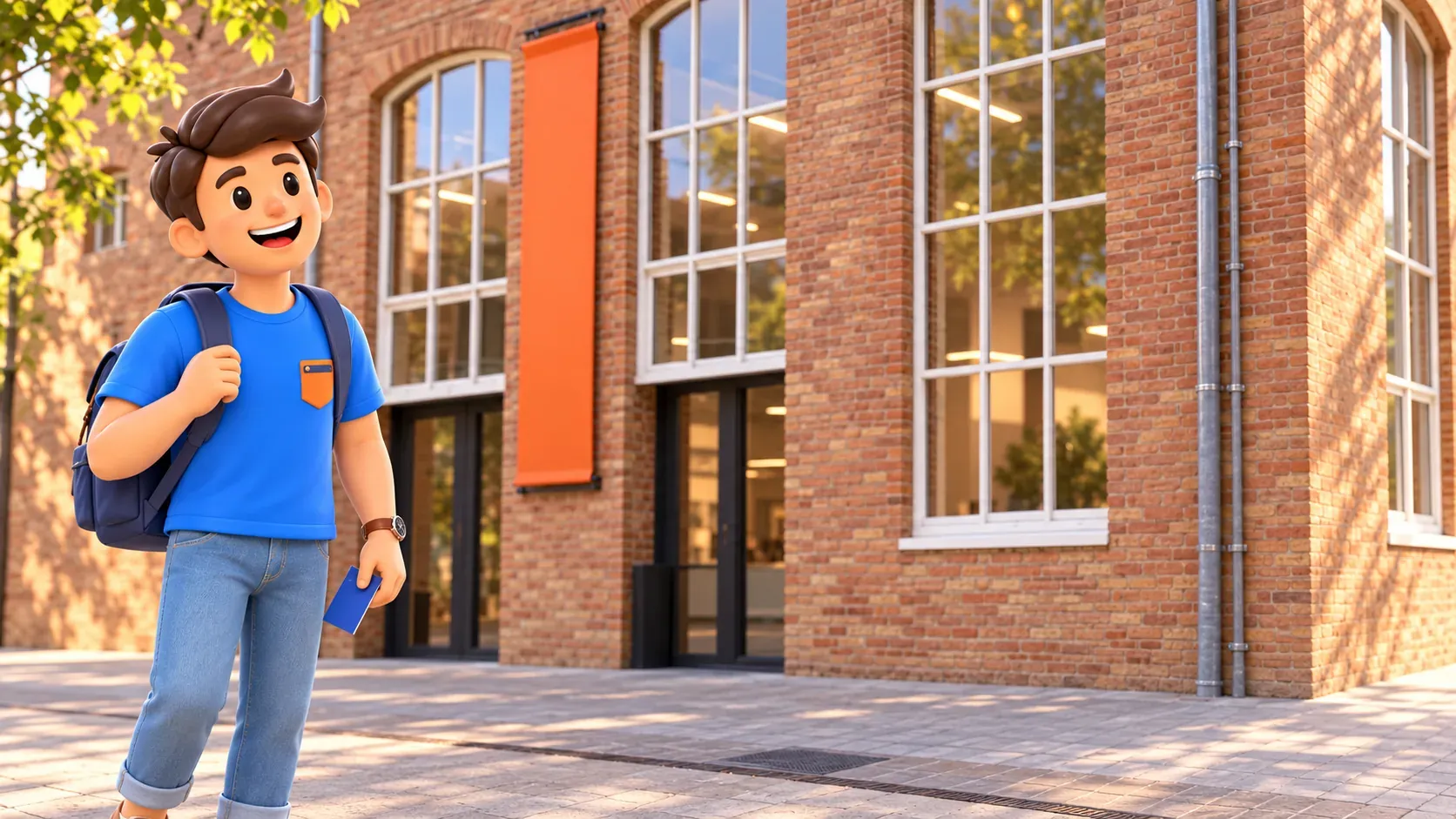
Outside, look at tall windows, repeated openings and the length of a brick wall. This architecture has another rhythm from a single ceremonial façade. A cultural sign changes the first reading without eliminating the impression of a substantial working building. The difference between an older shell and its present purpose is especially visible at the entrance.
Keep the art centre distinct from other institutions within the site, including museum activity about labour. Nearby addresses do not make their programmes interchangeable. For one visit, choose the place you need and understand what its current format involves, rather than trying to cover everything bearing the name Fabra i Coats.
Three ways to notice old and new
First, look at materials. Compare brick, stone, concrete, glass and surface treatments. A rough patch is not necessarily older than a neat one, and a smooth wall is not necessarily entirely new. Observation raises a question; historical interpretation helps answer it. Colour alone cannot securely date a whole fragment of construction.
Second, look at windows. Their size, repetition and relationship with interior light can suggest an earlier logic. A new purpose may change openings or how much they admit. A museum does not have to reproduce factory daylight exactly if displaying works requires different conditions. Change can be explained by the work of the space, as well as a designer’s taste.
Third, notice movement. Where do people enter, pause and separate into different directions? What connects the parts? That makes a conversion easier to appreciate without specialist vocabulary. Stay on permitted routes as you observe: an open technical-room door is not an invitation to explore on your own.
A small personal sketch only needs two or three patches and lines. One colour can represent an older surface, another a contemporary volume, with a gap suggesting the entrance. It is a drawing of your impression, not a technical building plan. It can preserve differences when many cultural façades have started to blur together.

What “new life” should not leave out
Industrial heritage involves people, not only shapes. Former workshops contained labour, skills, routines and relationships with the surrounding neighbourhood. A visitor does not need to turn a short stop into a major social study. It is enough not to picture an empty factory that had somehow always been waiting to become an exhibition hall.
The cultural present involves work too: artists, collection staff, organisers, technicians and many others. A building does not acquire life simply because white walls and a poster appear. Reuse becomes easier to understand when you notice that the kind of activity has changed, while the need for people to work has continued.
You can ask open questions without demanding one verdict. What was retained? What became accessible? How does the cultural function relate to neighbourhood life? The three examples do not require identical answers. Their differences are part of the interest: one industrial biography does not provide a universal model for the whole city.
This approach does not oblige you to admire every conversion or reject contemporary additions. You can prefer one architectural result while understanding another. A concrete observation is more useful than judging only by how old-fashioned a place appears or how well it works as a photograph.
Choosing one visit
Start with the experience you want. Can Framis suits an interest in painting within a transformed industrial setting. At CaixaForum, the chosen cultural programme and encounter between architectural periods matter. La Fabra offers another view of contemporary art within a site where cultural production has become a new kind of work.
Then relate the choice to the geography of your day. Poblenou, the foot of Montjuïc and Sant Andreu do not become a short stroll because they share a theme. One thoughtful visit with a little time in its neighbourhood can offer more than three hurried admissions linked by repeated transport journeys.
Let RoadMe work out a personal trip plan around your preferences and pace, giving different interests room on suitable days. It is a more convenient and effective way to organise a cultural trip than manually squeezing every appealing place into one dense programme.
For an outdoor continuation of the industrial theme, see our guide to industrial Poblenou. Here, the important distinction is already useful: a factory can become a place to collect and display art, a setting for a changing programme or a place for artistic work. Its new life is defined by what happens there, as well as how it looks.


