BACC, MOCA or Dib Bangkok: where to start with contemporary art

Contemporary art can give a Bangkok trip an unexpected direction. A material, an image or a room can stay with you after the better-known monuments begin to blend together. For a first outing, BACC, MOCA and Dib Bangkok offer three useful possibilities. Start with the kind of curiosity you have and the part of the city you can reasonably reach, then give one place enough time.
This is a choice between outings. BACC is in Siam, MOCA is farther north on Kamphaeng Phet 6 Road, and Dib Bangkok is around Sukhumvit 40 and Rama IV Road. They do not form a small walking circuit. Visiting all three would change the scale of the day considerably. One good selection and a real pause can offer more room to look and think than a succession of hurried arrivals.
Choose a starting point, not a ranking
BACC is a useful beginning if a changing cultural programme in the Siam area fits your day. MOCA suits a more deliberate interest in Thai contemporary art and a collection-led museum visit. Dib offers an international contemporary-art perspective in a converted industrial setting. These are differences of emphasis, not rigid boundaries. Check the actual programme: the name of a venue alone cannot tell you whether the works available today will interest you.
With RoadMe, it is much easier to turn your interests, available time and comfortable pace into a personal Bangkok trip. Let the app develop the whole itinerary so an art visit fits the experiences you want, with sensible journeys and useful pauses.
Ask what you would enjoy discussing afterwards: one striking image, the relationship between Thai artistic traditions and new forms, or the way space and materials shape your attention. You do not need specialist knowledge to begin. A clear interest is more useful than choosing the longest list of artists or the building most frequently photographed. Companions can also agree on a small shared theme while leaving room for different responses.
BACC: a changing programme in Siam
The Bangkok Art and Culture Centre is a city cultural venue with exhibitions and other activities across several levels. Its appeal for a first visit is the possibility of selecting something that catches your attention within an area you may already be exploring. Choose a current exhibition or a manageable part of the programme. A previous visitor’s photographs are a record of their day, not a promise that the same works await you.
Allow about ninety minutes for your selected art visit. Begin with the introduction, make a first circuit and return to one work that made you stop. Colour, material, humour or an unfamiliar association can all provide an entry point. You do not have to see every floor to have a meaningful encounter. If one part proves absorbing, spend time there rather than protecting a checklist of spaces you had imagined beforehand.
The centre describes a third-floor connection with BTS National Stadium. That is a helpful access feature, though it does not certify every approach from every exit as covered or step-free. Establish the route that suits you. Before the main galleries on floors seven to nine, BACC requires backpacks and umbrellas to be stored in the fifth-floor lockers. Include that practical step rather than planning to carry everything through the exhibition.
Give the Siam visit its own ending
A useful local allowance is roughly three hours: ninety minutes of selected art, fifteen for orientation and belongings, forty-five for seated rest and thirty for leaving and small delays. Actual transport from your accommodation comes separately. These are estimates, not appointments. A café or another permitted place to sit can let the encounter settle before you decide whether you want any further walking.
Use food and drink areas appropriately, keeping them separate from the galleries. You might choose to describe a work to your companion from memory rather than immediately search for a better photograph of it. What feature remains when you put the camera away? That question can make a small exhibition visit feel personal. There is no essential café or purchase built into the outing.
Our Siam walking idea describes a different combination for another day. You can consider it separately. BACC does not need to become one stop in a long compulsory cultural sequence simply because other places appear nearby. The convenience of its location is most useful when it gives the selected art more time rather than makes the afternoon busier.
MOCA: make room for Thai contemporary art
MOCA Bangkok places Thai contemporary art and its collection at the centre of its programme. The museum’s own account connects its foundation with Boonchai Bencharongkul’s interest in art and the legacy of Silpa Bhirasri. That offers a useful starting context: a visit can follow artistic expression and cultural change, rather than seek only the most recognisable image. Let current exhibition information determine which subjects you follow.
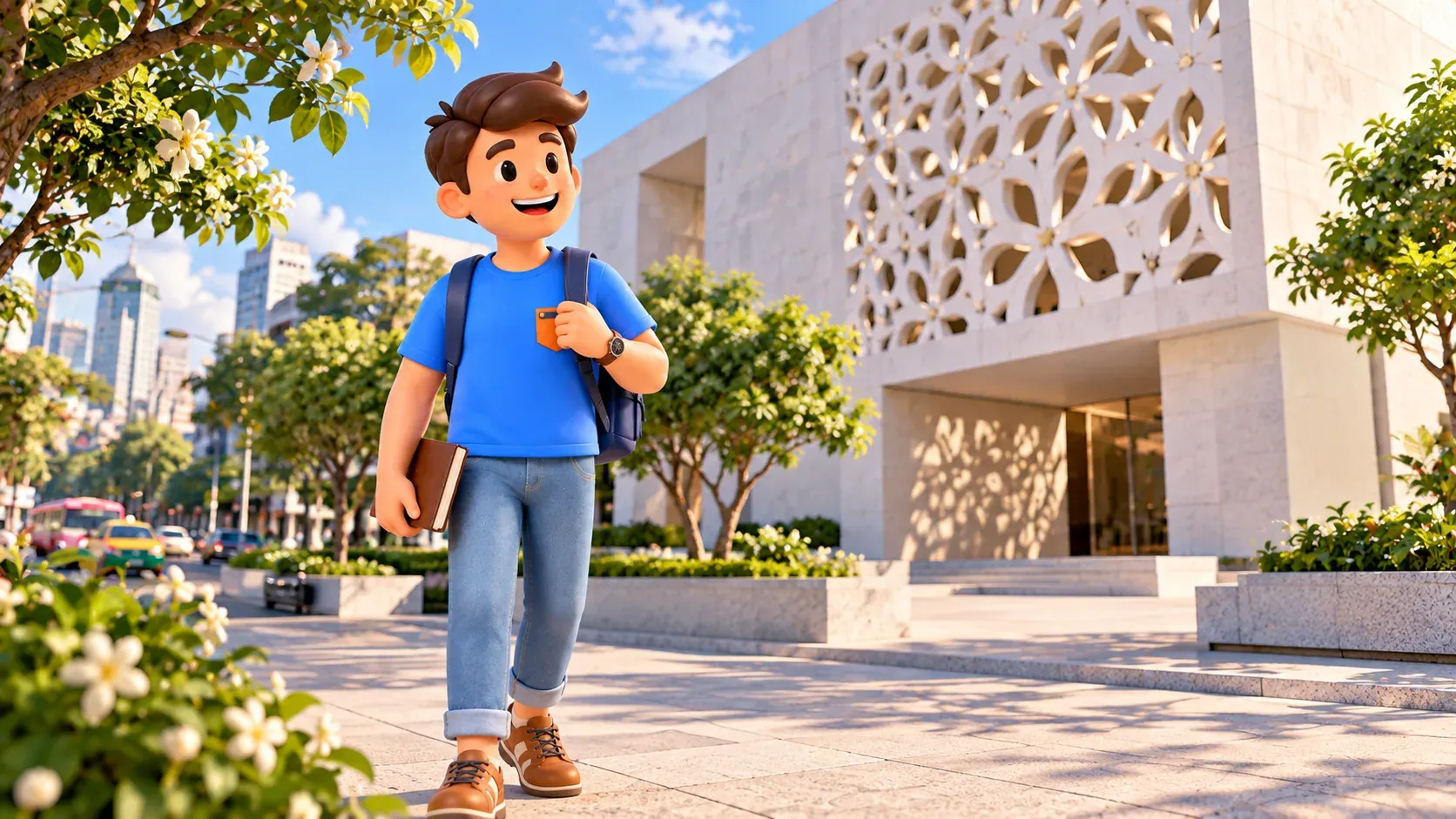
The architecture also gives you something to notice. MOCA describes its building as a sculpted block of granite with jasmine motifs filtering light through the façade. Looking at a pattern outside, then noticing how light changes the atmosphere, can prepare a slower kind of attention. The building’s story adds context without requiring you to treat each room as an architectural exercise or agree with every interpretation offered.
Give the selected visit around two hours. Choose a thread such as the relationship between an image and belief, a material and a story, or a familiar form used in an unfamiliar way. Look before reading, then look again. You can leave with one connection that changes how you notice the city. A small focused selection is still a genuine museum visit, even when the collection contains much more.
The northward journey is part of the MOCA choice
MOCA is on Kamphaeng Phet 6 Road, away from Siam. Do not assume that the word Chatuchak makes it a short continuation from the market or the park. Establish your actual final connection. The museum lists several approaches, including rail and onward transport options. The useful question is the entire journey from your address, with the entrance and return included, rather than the name of the nearest well-known district.
Its regular schedule is Tuesday to Sunday, with Monday closed. Special notices still matter. A local planning window of about three and a half hours can include two hours of looking, fifteen minutes of orientation, forty-five of rest and thirty for departure and small delays. Add your actual city transport. If the art is your main interest, the journey can be worthwhile; it should be a conscious part of the decision.
Check the rules for the rooms you enter. MOCA generally permits personal photography, with restrictions such as flash, tripods and video in most galleries; individual instructions take priority. A guide for your group needs arrangements in advance. If mobility or assistance matters, clarify the suitable route. A museum’s general facilities information should support practical planning rather than become a promise that every experience works identically for everyone.
Dib Bangkok: global art and a transformed warehouse
Dib Bangkok presents contemporary art from local and international perspectives in a reflective setting. Its building is a repurposed steel warehouse from the 1980s, redesigned by Kulapat Yantrasast’s WHY Architecture with A49. The industrial structure, concrete and retained details form part of the experience. Choosing Dib can therefore mean interest in both an exhibition and the way an existing urban building has been given a new cultural use.
Visit for the programme actually available. An opening exhibition, a past workshop or an event announced for another location does not establish today’s main museum display. Dib26 is a separate venue, so confirm which site an event refers to. You can enjoy the museum’s broader approach without a promise to see a particular famous artist. Current availability matters most if one work is the sole reason for your journey.

The main museum is at 111 Soi Sukhumvit 40, with access from Rama IV Road. Do not confuse it with Sukhumvit 11. The operator describes a walk from BTS Ekkamai rather than an entrance immediately beside the station; choose the practical connection for your needs. Allow about two hours for a selected visit, then give entry arrangements, a proper pause and departure their own room.
Check Dib’s visiting format before you set off
Confirm the actual date and time through the current booking arrangements, particularly for a Tuesday visit. The museum’s planning page and FAQ differ on that day. Advance booking is recommended, and capacity can affect entry, so avoid building an outing around an assumed walk-in space. A useful local allowance is about three and a half hours: two for art, thirty for arrival, forty-five for rest and fifteen for leaving, plus actual transport.
For a family visit, check the age conditions. The planning page specifies a minimum age of seven for the galleries, with an adult accompanying children under twelve; confirm the exact boundary if your child is seven. It is therefore not an automatic option with very young children. Payment also needs preparation: the museum lists credit card or bank transfer and does not accept cash. Establish a method that works for you before travelling.
James Turrell’s Straight Up Sunset Light Program requires a separate ticket; it is not an automatic inclusion in the main-gallery visit. Specific access, steps and capacity should be checked if that is your interest. Follow current guidance for belongings, photography and individual spaces. The art visit is worth choosing for what you can actually experience, without treating every named activity as part of one universal admission.
One art encounter and a good pause are enough
After any of the three, reserve seated time to let your attention change pace. Food and drink belong in appropriate areas, and an ordinary nearby café can serve the purpose. You might sketch an original shape in your own notebook or write down one question the visit left you. These small acts can turn looking into a personal memory without reproducing a gallery or needing another exhibition immediately.

If the wider day needs a different shape, our two museum and art plans offer separate ideas for rainy conditions. Keep them separate from today’s selection. Three venues spread across Bangkok should not become a default programme simply because contemporary art links them. Compare the admission that applies to you and include travel, food and rest before deciding how much the outing needs.
RoadMe makes organising the entire stay more convenient and effective by developing a personal plan around your interests and pace. In the app, a selected art space can fit among the Bangkok experiences you want, with enough time for discovery, journeys and rest.
Begin with the place that makes you curious
Choose BACC for a changing programme within a Siam day, MOCA for a dedicated interest in Thai contemporary art, or Dib for global perspectives and a transformed industrial setting. Confirm your date, selected programme and practical conditions. Let one visit become the day’s artistic centre. The most useful beginning is the place where you want to look a little longer, not the one that makes you feel obliged to finish all three.