
Autumn Tokyo: Rikugien and Kyu-Furukawa Walk
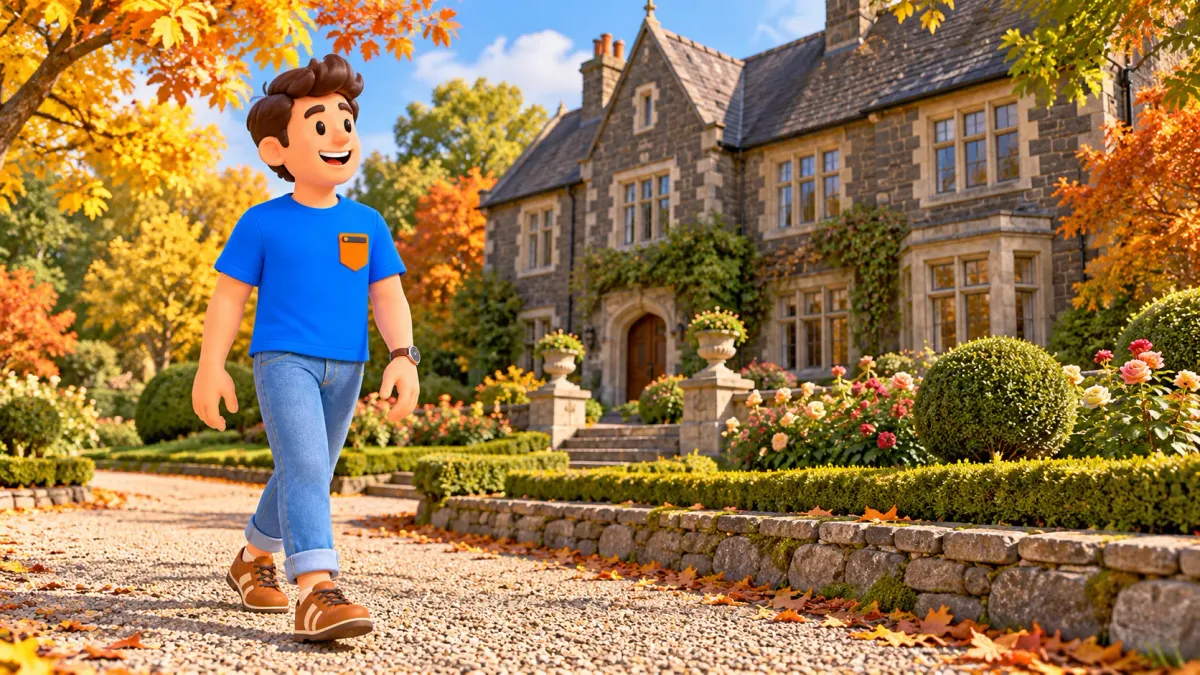
An autumn walk linking Rikugien and Kyu-Furukawa works through two different ways of looking at gardens. Kyu-Furukawa moves from a Western-style mansion and formal composition to a Japanese landscape lower down the slope. Rikugien offers a broader waterside scene, winding paths and changing foliage. This is a specific pair for one day rather than a general survey of every garden in Tokyo.
A practical sequence is Kyu-Furukawa in the morning, lunch around a convenient connection and Rikugien afterwards. Allow roughly four to five hours for both gardens, food and local walking, adding travel from your accommodation separately. This is an editorial estimate, not a measured duration. Peak foliage and roses are not guaranteed by a chosen date; read current updates from both gardens before setting out.
Choose a daytime or evening version first
The core outing is by day. Both gardens normally open from 9:00 to 17:00, with last admission at 16:30 and regular closure from December 29 to January 1. A late start and long first visit leave only final minutes for the second. Last entry is not a promise of enough time: arrive substantially earlier and keep part of the day for food and the connection.
RoadMe helps develop a personal programme around your interests, giving more time to architecture or concentrating on Rikugien's water and foliage. Try preparing the walk at your own pace, with a break between experiences and a separate check for any evening admission.
For autumn 2026, Rikugien has announced special evening viewing from November 25 to December 6, 18:00–20:30, with last entry at 19:30. The garden closes at 17:00 and reopens at 18:00. A special evening ticket is required; ordinary daytime admission does not allow you simply to remain after closure. Choose this as a separate version rather than an accidental addition after two already substantial garden circuits.
Identify Kyu-Furukawa correctly
Save 旧古河庭園 and its address, Nishigahara 1-27-39 in Kita. The destination is this particular garden rather than another mansion with a similar family name. Choose an approach from a suitable station using the current official map; Kami-Nakazato, Nishigahara and Komagome provide different options. You do not need all three in sequence. A straightforward entrance and understandable onward route matter more than using every named station.
At admission, look at the plan and define an internal route. The site has noticeable terrain: mansion and Western area above, Japanese landscape below. With someone who finds slopes or steps difficult, use the accessible-route map and ask about the approach. Do not promise every branch of a historic garden will be equally easy. Comfort can shape the circuit without removing the contrast that makes the site worthwhile.
Garden admission and mansion access are separate. The park explicitly warns that the building has different hours and an additional admission charge. The basic walk is complete with an exterior view. If interiors matter most, include them as a separate visit and shorten the grounds or alter the overall plan. Rooms cannot simply be added to a full morning without allowing actual time for them.
Look at the mansion and Western composition
The operator connects the present mansion and Western garden with architect Josiah Conder. Begin with the building's relationship to planting and the higher part of the site. Specialist style terminology is unnecessary. Notice how dark facade material, path lines and open space guide the view, then compare that with the later transition into a more enclosed Japanese setting rather than treating them as unrelated photo backgrounds.
Roses can provide a distinct autumn interest, but do not promise a perfect rose peak and maximum red foliage in every area at once. Plants and seasons develop differently. If a favourite flower is not at its best, observe overall structure, the bush's form and its contrast with stone. The garden does not lose its interest because it differs from one promotional picture selected before the trip.
Photograph from permitted paths and leave room for others. Do not enter planting to obtain a straight view of the building. At busy times, one wide scene and one closer detail may be more useful than waiting for a completely empty picture. The day involves attention to two different gardens rather than a collection of photographs without people achieved at any cost, regardless of the remaining time.
Choose mansion entry separately
Otani Museum, the building's operator, lists ordinary hours of 10:30–16:30, with last admission at 16:00 and a separate calendar. Monday is the usual closing day, moving to Tuesday after a holiday Monday, with additional seasonal or maintenance closures possible. The garden being open does not by itself establish that the mansion rooms are available at your intended time or on your selected day.
Check current self-guided and guided formats when actually arranging the visit, since conditions can change. Interior photography is restricted by the published rules; do not transfer outdoor habits into the house. For access to the first floor using a suitable entrance arrangement, the operator asks visitors to contact it beforehand. A separate interior visit remains optional here rather than necessary for the garden combination to work.
Slow down in the lower Japanese garden
Descend by a permitted route and change pace. The operator associates the Japanese composition with Ogawa Jihei VII. Water, trees and stone now matter, along with the way the earlier facade yields to another organisation of space. Compare an open view from higher ground with a quieter close detail below. This is a reason to spend time at Kyu-Furukawa rather than stopping only for mansion and roses.
Observe autumn colour in relation to water and shade instead of searching only for the reddest leaf. Select a small area and look at green, yellow and foliage already changing. A transitional phase can be expressive in itself. The outing is not insufficiently autumnal when the whole garden has not been recoloured from its first tree to its last. Different stages can coexist in one useful view.
Consider steps and slopes on wet surfaces. Do not leave paths for the water or use stones as improvised camera platforms. If the lower section is demanding, shorten it along a suitable available route. One clearly observed transition between Western and Japanese spaces can offer more than attempting every path before lunch and losing the energy that was intended for Rikugien later in the day.
Pause and connect between the gardens
After the first visit, choose an open place to eat according to its current menu, price and queue. A connection through the Komagome area is a useful broad orientation, but build the actual route from your exit using a current map. Ordinary streets and crossings separate the gardens; this is not an internal path through one park. Food, signals and finding the second entrance need their own allowance.
Rikugien's Somei Gate is close to Komagome but opens seasonally and through particular announcements. Do not make the route depend on the nearest station-side door always being open. Check your date and use the main gate when necessary. The evening event has its own admission instructions; a habit of using one entrance during the day should not be carried over to night without checking.
Use RoadMe to develop a personal plan in which both gardens, lunch and the connection get time according to your interests. The app helps prepare the right intensity: a calm daytime route or a separate evening version with the required confirmed ticket.
Begin Rikugien with the broad water view
On arrival, give yourself an overall look at the pond and banks. Do not repeat the same method used by the mansion: here the main interest is movement through a landscape rather than one facade. The operator describes a pond garden with artificial hills. Choose a clear circuit on open paths, keeping distant or difficult branches optional instead of making every rise another mandatory task.
Start where the relationship of water, island forms and trees is visible, then move towards a closer shaded section. Changing scale helps explain the design of the view. Historical and poetic names can be followed according to interest, but you need not decipher the entire list. The walk remains complete without an examination in Japanese poetry or exact identification of every cultural reference embedded in the landscape.
Do not automatically climb every hill. Energy changes after the first garden and food, and steps may be inconvenient. Use the official accessible route when needed. A shorter circuit can retain water, one foliage area and a pause. Giving those time matters more than completing the full outline while constantly thinking about the closing gate and the final train connection after an unnecessarily long circuit.
Observe autumn colour without racing
Compare a few different conditions: lit foliage, similar colours in shade and a reflection beside the water. You need not collect every colourful tree. A few observations explain seasonal light better than continuous travel between recommended markers. If one position is busy, another branch or nearby bank can provide a worthwhile view without waiting for the only image you decided in advance would count.
Peak colour changes with weather and differs between plants. Current condition reports are more useful than one rigid universal date. Plan a walk that works during transition: water, forms and shade still matter when red has not yet become dominant. An evening event on the calendar also does not guarantee identical peak foliage on every date within the announced period. Event scheduling and living plants are different things.
Rikugien's special evening in 2026
For November 25 to December 6, 2026, check actual ticket sales and remaining availability. Announced hours are 18:00–20:30, with last admission at 19:30. The garden closes between daytime and evening operation. Only a special evening ticket provides admission and numbers are limited. Do not expect to stay after 17:00 using a daytime ticket or buy any desired admission at the final moment without checking.
If choosing illuminations, begin the first part later or keep Kyu-Furukawa and a longer rest before evening entry. A full daytime Rikugien circuit followed by leaving and repeating everything at night is unnecessary. Light, available sections and movement rules change perception. Follow event routes and do not promise access to every path that was convenient during daylight, since the night version has its own practical boundaries.
Choose the return connection and weather-appropriate clothing beforehand. Waiting and slow movement can feel different from a daytime walk. Do not remain so long at one point that others lose the view, and check equipment-based photography rules. The night visit is a separate seasonal experience rather than compulsory proof that an autumn day was spent correctly. A daytime-only version already has a coherent and worthwhile ending.
Finish comfortably or keep one garden
Select the actual available exit and suitable station using the map. Komagome or another approach must match entrance, line and onward route rather than an attractive theoretical loop. If weather deteriorates or energy ends after the first garden, save Rikugien for another day. One attentive visit is better than two when the last becomes a rushed effort to reach everything before closing.
The useful result is the transition from mansion and two garden traditions at Kyu-Furukawa to Rikugien's broad waterside landscape. Autumn colour strengthens that experience without replacing its content. Confirmed gates, separate mansion access, a real break and the clear distinction between daytime and evening entry make the walk practical without promises that living foliage, weather and current rules are not obliged to fulfil.


