
Astoria in Half a Day: Film or Sculpture?
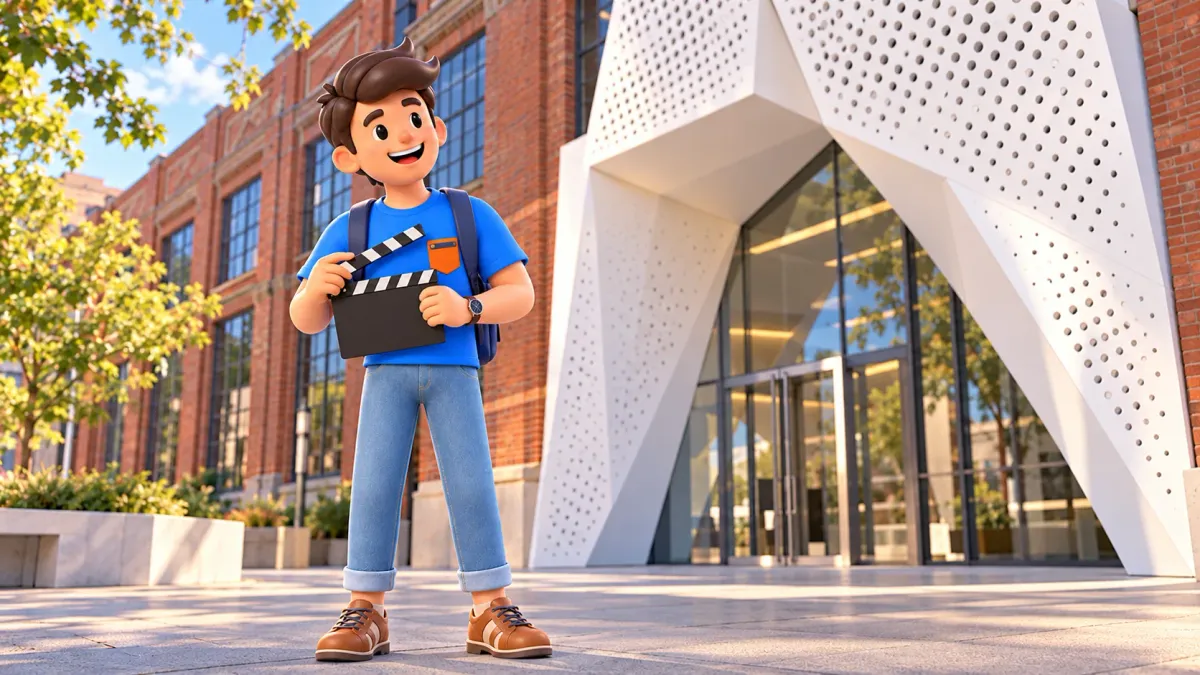
Astoria offers two satisfying half-days with very different ways of looking. At Museum of the Moving Image, the subject is how films, television and digital entertainment are made. Near the East River, the Noguchi Museum and Socrates Sculpture Park turn attention towards objects, materials and the space around them. Choose the version that interests you most instead of trying to fit every cultural address into one short visit.
The film museum sits farther inland, while Noguchi and Socrates form the closer geographical pair. Their being in the same area of Queens does not make all three a compact museum circuit. This plan keeps the alternatives distinct: one museum with a neighbourhood pause, or a museum-and-park sculpture outing. A screening or a longer meal can deepen either day without adding another destination.
Choose film-making or sculpture before choosing a route
Allow roughly three to four hours locally for a focused half-day with a proper break. This is an editorial planning allowance, not a timed walking test. The amount of walking depends on your arrival point, museum time and the outdoor paths you choose. A film screening adds its actual running time and arrival arrangements, rather than fitting invisibly into the same short interval.
Choose Museum of the Moving Image if you enjoy understanding the machinery, sound and decisions behind what appears on a screen. Choose the Noguchi-and-Socrates version if looking slowly at form, surface and setting appeals more. If your group has different preferences, agree on one main experience and leave the other for a separate visit. Two worthwhile museums do not need to become two rushed museums.
For a personal New York or trip plan shaped around film, sculpture and your preferred pace, try RoadMe: the app works out a programme according to your interests. Using a coherent plan with meaningful visits and real breaks is much more convenient than arranging a stack of unrelated recommendations yourself.
Match the day to the chosen venue before planning travel. Museum hours, a booked screening, garden access and an outdoor park’s closing time are separate conditions. Check the actual journey from your accommodation and the return you expect to use. A short line between places on a city map does not include waiting, crossings, food or the attention that a good exhibition deserves.
The film version starts at Museum of the Moving Image
Museum of the Moving Image is at 36-01 35 Avenue, by 37 Street. Its location beside the historic Kaufman Astoria Studios places film history within a working media neighbourhood. The studios were established in 1920 as Paramount’s East Coast hub. That background adds meaning to the location, but this museum outing does not include entering a production facility or visiting an active film set.
At the 17 October 2026 check, the museum listed regular hours of Thursday 2–6pm, Friday 2–8pm, and Saturday and Sunday 11am–6pm. It also publishes special holiday openings. Use the current calendar for your date rather than treating every weekday as interchangeable. A Thursday plan, for example, should allow for an afternoon opening rather than assume that a morning museum visit is available.
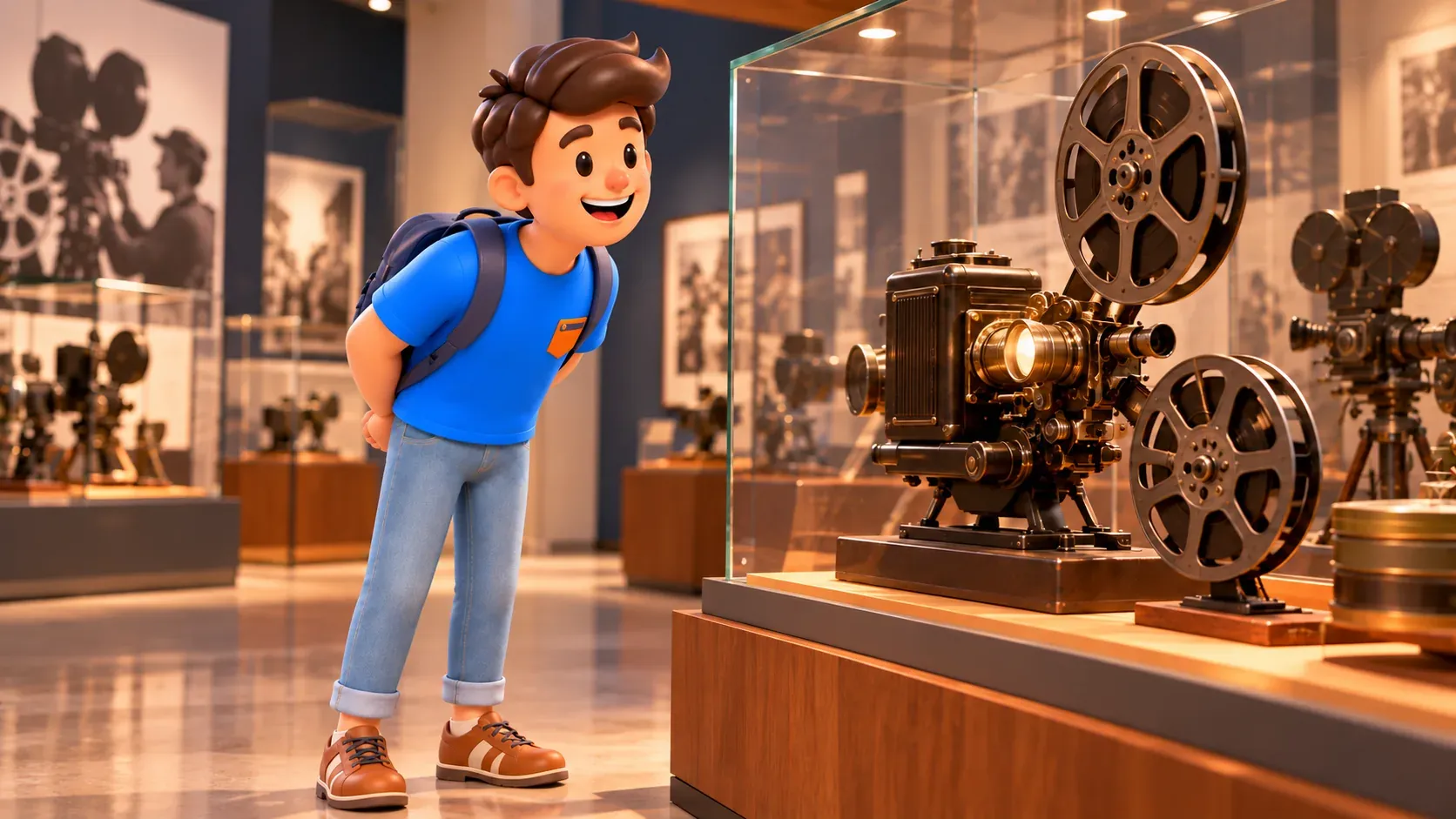
The museum’s core exhibition, Behind the Screen, explores the work of producing, promoting and presenting moving images. Historic cameras and projectors sit within a wider story involving sound equipment, design, costumes and the decisions that shape what an audience sees. Instead of trying to remember an entire collection, choose a question: what happens between an idea and the finished sequence on a screen?
Follow one connection between objects and experience. A camera relates to framing and movement; sound choices change how the same image feels; design helps establish a convincing world. You do not need technical training to notice those relationships. Give a few examples enough attention that they become more than nostalgic equipment, while leaving space to discover something you had not expected to find interesting.
Where interactive experiences are available, choose those that help your question rather than using every station in succession. The museum describes activities involving animation, dialogue, sound effects and music, but an individual station’s availability can change. Museum objects are not automatically handling objects. Follow the instructions for each experience and leave protected artifacts behind their boundaries, even when the subject itself is practical film-making.
A screening is a choice with its own time and ticket
The film programme can turn a gallery visit into a longer outing, but choose a film because you actually want to see it. Check the title, language, subtitles where relevant, duration and admission conditions. The museum requires a ticket for each individual screening; read what your selected ticket or gallery package covers instead of assuming that every film is included or that a seat is automatically available.
Decide whether the galleries or the screening receive your freshest attention. With an afternoon film, arrive early enough for a considered exhibition visit or keep the galleries smaller. Without a film that interests you, the museum and a proper neighbourhood break can be a complete half-day. You do not need to replace a skipped screening with a journey across Astoria simply to keep every hour occupied.
Use the public streets nearby for a short change of setting and choose food according to time and appetite. A seated meal and a quick drink are different commitments. Keep the finish near the journey you intend to take afterwards. This version does not promise a studio tour, an encounter with performers or a particular workshop running whenever you arrive.
The sculpture version begins with the Noguchi Museum
The Noguchi Museum is at 9-01 33rd Road, at Vernon Boulevard. Isamu Noguchi opened the museum in 1985, bringing his work into a setting of galleries and a sculpture garden. The relationship between the objects and their surroundings is part of the reason to come. This is more than a room containing sculpture, and the garden is more than an extra green stop after the indoor section.
Choose a few works that draw your attention and notice material, scale and the space between them. A rough surface and a polished one ask for different kinds of looking; moving to another permitted viewing position can change a form more than reading another paragraph about it. You do not need a clever interpretation of every piece. A slower encounter with a small selection is enough for this outing.
Before committing to the day, confirm the museum’s current opening dates, ticket arrangements and which galleries and garden areas are available. Installation work can affect the scope of a museum visit. Do not assume that every floor or a temporary exhibition seen in an older article remains accessible. Shop hours and shop access are also not a substitute for the museum’s actual visitor arrangements.
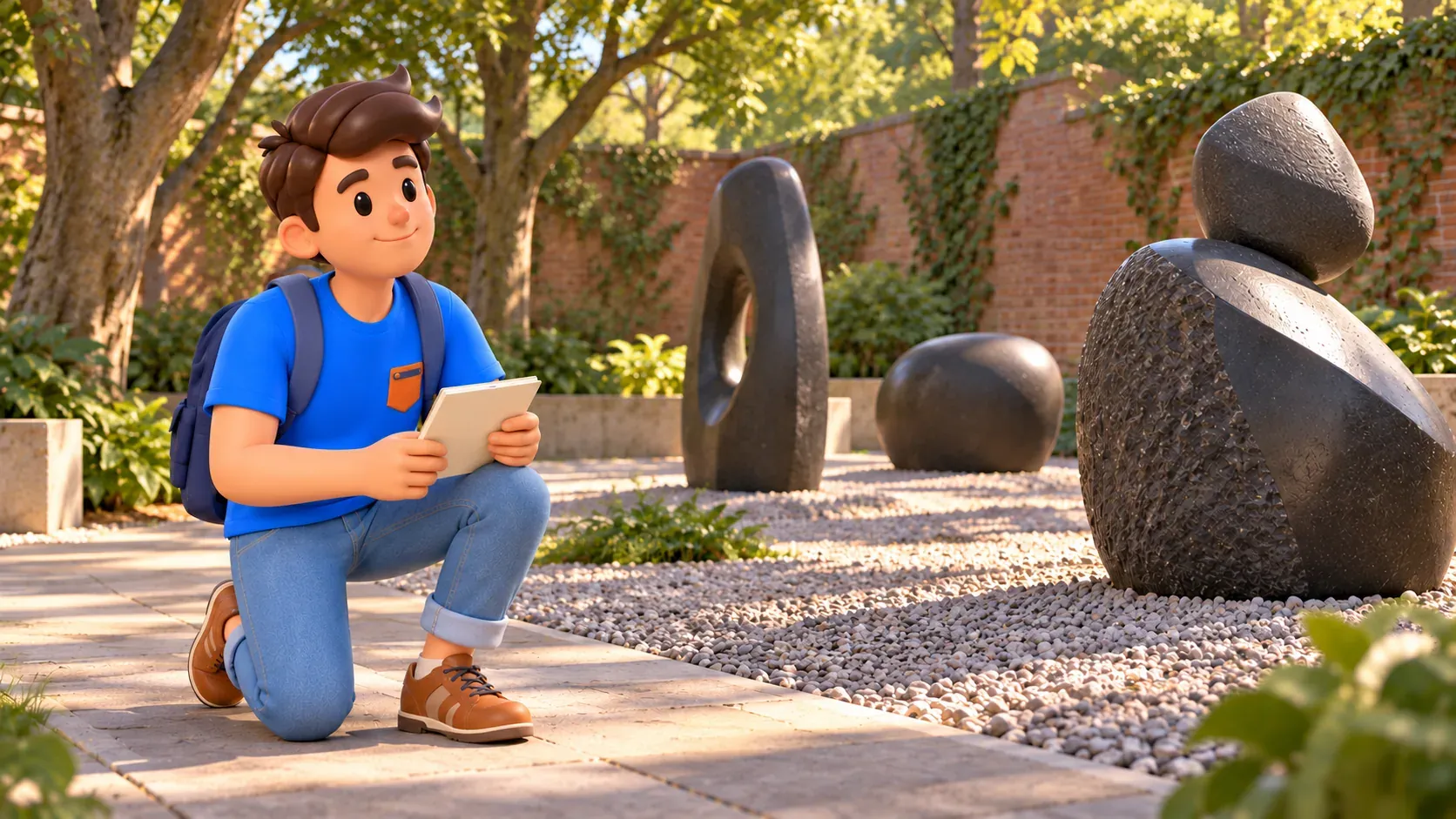
Keep the garden within that checked museum visit. Its enclosed space, planting and stone forms create a different setting from the open river-edge park nearby. Leave objects untouched and use permitted paths and positions. A sculpture’s apparent robustness does not make it a seat or a climbing object, and the purpose of this slow visit is observation rather than reproducing a pose from someone else’s photograph.
Socrates Sculpture Park: change the scale and the setting
Socrates Sculpture Park, at 32-01 Vernon Boulevard, is close to the Noguchi Museum and makes the practical outdoor partner for this version. The park’s own visitor information places Noguchi less than a five-minute walk away. Allow for the actual public crossings and your pace rather than turning that short estimate into a rushed transfer. Once inside, let the different setting become the next part of the experience.
The park has no permanent collection; it presents new commissioned works under its curatorial programme. That means photographs from an earlier visit do not establish what you will see now. Look at the current exhibition information if a particular artist is your reason for coming. Otherwise, come ready to observe how a work changes against grass, trees, sky and the river setting, without needing one famous piece to be present.
At the checking date, Socrates stated daily hours of 9am to sunset, with a 1pm closing on its listed holidays, including Thanksgiving and Christmas Eve and Day. Check the list for your date. Sunset is a changing limit, not a fixed late-evening opening, and an early holiday closure can alter the order of a museum-and-park afternoon. In that case, consider the park first if both visits fit.
Socrates has no indoor galleries or visitor centre, so it is not an enclosed alternative for a wet or very windy afternoon. The park asks visitors not to touch or climb artworks and to follow posted guidance. It describes a paved perimeter path and mobility mats, but check the arrangements you need rather than assuming every artwork and surface has identical access. A small outdoor visit may be enough after the museum.
If sculpture, film craft or calm outdoor pauses deserve more room in your trip, use RoadMe for a personal plan based on those interests and your pace. Connecting a focused Astoria half-day with the rest of your New York visit is easier in one thoughtful programme than in competing lists of places.

Finish the chosen half-day before adding another one
For the film version, finish with the museum, a selected screening if wanted and a local break. For sculpture, keep Noguchi and Socrates as the pair, changing their order when the actual hours require it. If the weather or museum availability makes that pairing unsuitable, choose a shorter checked version or another date. Moving every option into the same afternoon rarely improves the experience you came for.
Historical and visitor information was checked on 17 October 2026. Recheck the chosen museum’s actual availability, screening conditions and the park’s date-specific closing arrangements before travelling. The point of this Astoria visit is to give one kind of attention enough space: understanding how an image is made, or noticing how an object changes the place around it.


