Amsterdam for curious minds: NEMO, Micropia or the Planetarium?
Choose Amsterdam’s science experiences by the question you would like to take away. How does an everyday phenomenon work? What lives around us while remaining invisible? How can we imagine our place in the universe? NEMO, Micropia and the ARTIS Planetarium offer different ways to look and learn. They are three alternatives for one main experience, rather than a compulsory route through every address. Curiosity does not require a school assignment or specialist education. An adult’s interest is as welcome as a child’s wish to try an unfamiliar device. Choose between doing, observing and following a scheduled presentation.
For trying things and comparing results, consider NEMO Science Museum. For invisible life, consider ARTIS-Micropia. For space and a programme beneath a dome, consider the Planetarium inside ARTIS Zoo, called ARTIS-Park on the Dutch website. Distinguish admission at the beginning. Micropia can be visited separately without zoo entry; the Planetarium is included with a zoo ticket. Shared branding and nearby locations do not make every visit one product. Leave travel, food and a pause around your choice, so new knowledge does not become a continuous race between experiences with different rhythms and practical requirements.
Choose a way to be curious
Discuss the format as well as the subject. Someone may enjoy repeating an action and observing a result, another studying a small detail, another following a story beneath a projection. “Science museum” does not make those expectations identical. Choose one purpose: test an idea, see something hidden or change scale. That makes energy and the continuation easier to judge. Correct answers are unnecessary before arriving. A question becoming clearer, or an observation you want to discuss that evening, can be a worthwhile result without reproducing an entire exhibition like a learned lesson.
Try RoadMe for a complete personal route or trip plan shaped around your interests and pace. The app makes it much more convenient to connect a scientific discovery with walking, meals and rest in a suitable programme for your whole journey.
Do not choose solely from a striking photograph of equipment or a starry dome. Ask whether you want to do, read and observe, or watch a programme for a defined period. With children, consider individual interests and participation rather than assume identical attention at one object. Adults benefit from that question too. You can watch first and then decide whether to try. A clear purpose preserves freedom within the visit, rather than requiring proof that the ticket was used until the last possible minute.
| Choice | Main interest | Time planning |
|---|---|---|
| NEMO | Phenomena and technology through action | Allow around 2–3 hours on site |
| Micropia | Invisible life and observation | Museum suggests about 1–1.5 hours, longer for activities |
| ARTIS Planetarium | Space through a dome programme | Chosen show duration plus separate zoo time |
NEMO when you want to try for yourself
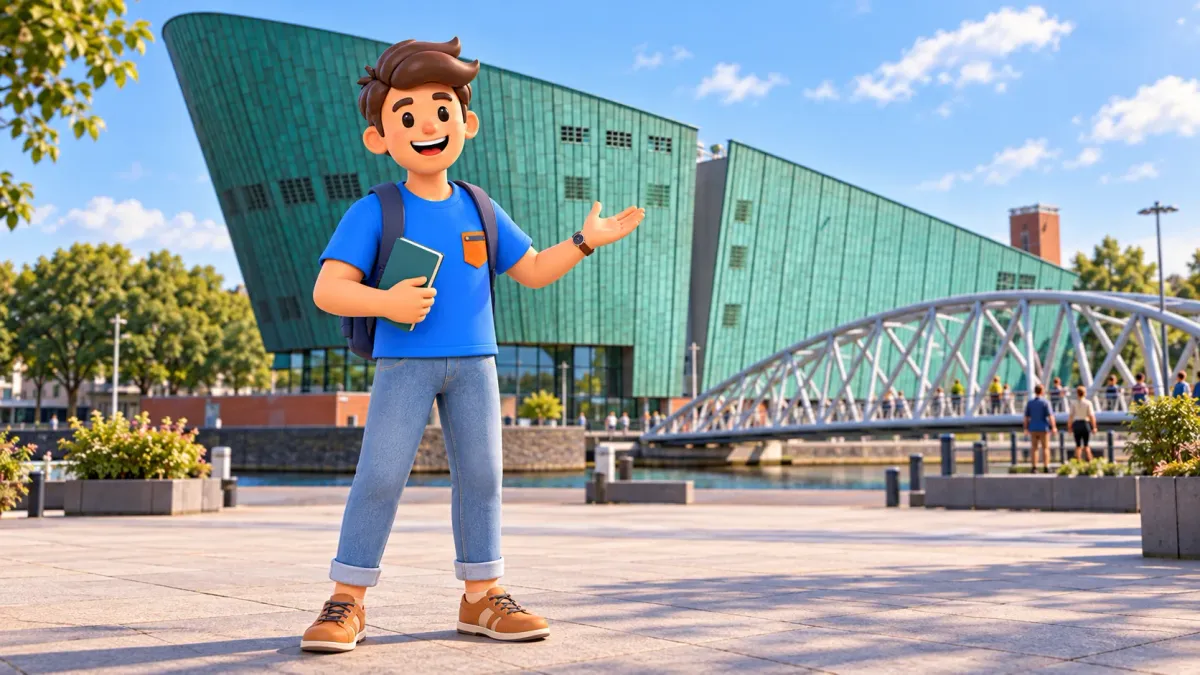
NEMO is at Oosterdok 2. Its green angular building already invites comparison and questions, but the main visit is inside. Fenomena concerns physical phenomena including light, sound and static electricity; Technium explores human-made technology. An entire floor need not become an assignment. Choose one available activity according to interest and instructions. The format’s value is comparing an expectation with what happened. On holiday, that may be more engaging than receiving an explanation before you have noticed the question.
Predict, try and compare. If repetition appeals, change one thing when the instructions permit it. This is an attention prompt, not technical guidance for an installation. Museum rules remain decisive. Do not promise a free place at particular equipment or participation in every workshop; activities may have age, schedule and capacity conditions. Our family NEMO day with lunch and a short waterfront walk gives a more developed family option. Its programme is broader than this comparison and needs its own time, rather than having every other science venue appended to the same outing.
Two to three hours is our allowance for a selected introduction, not a ticket limit or a requirement to finish everything. Tickets have a start time, while ordinary visitors may remain until closing. Advance booking secures admission; the counter sells remaining available tickets. Ordinary hours are Tuesday–Sunday, 10:00–17:30; check actual Mondays and exceptional dates. NEMO suits different ages, though some activities are for ages six and over and children under thirteen visit with an adult. Those are different conditions. The activity threshold does not turn the whole museum into a place only for school-age children.

Micropia when you want to see the invisible
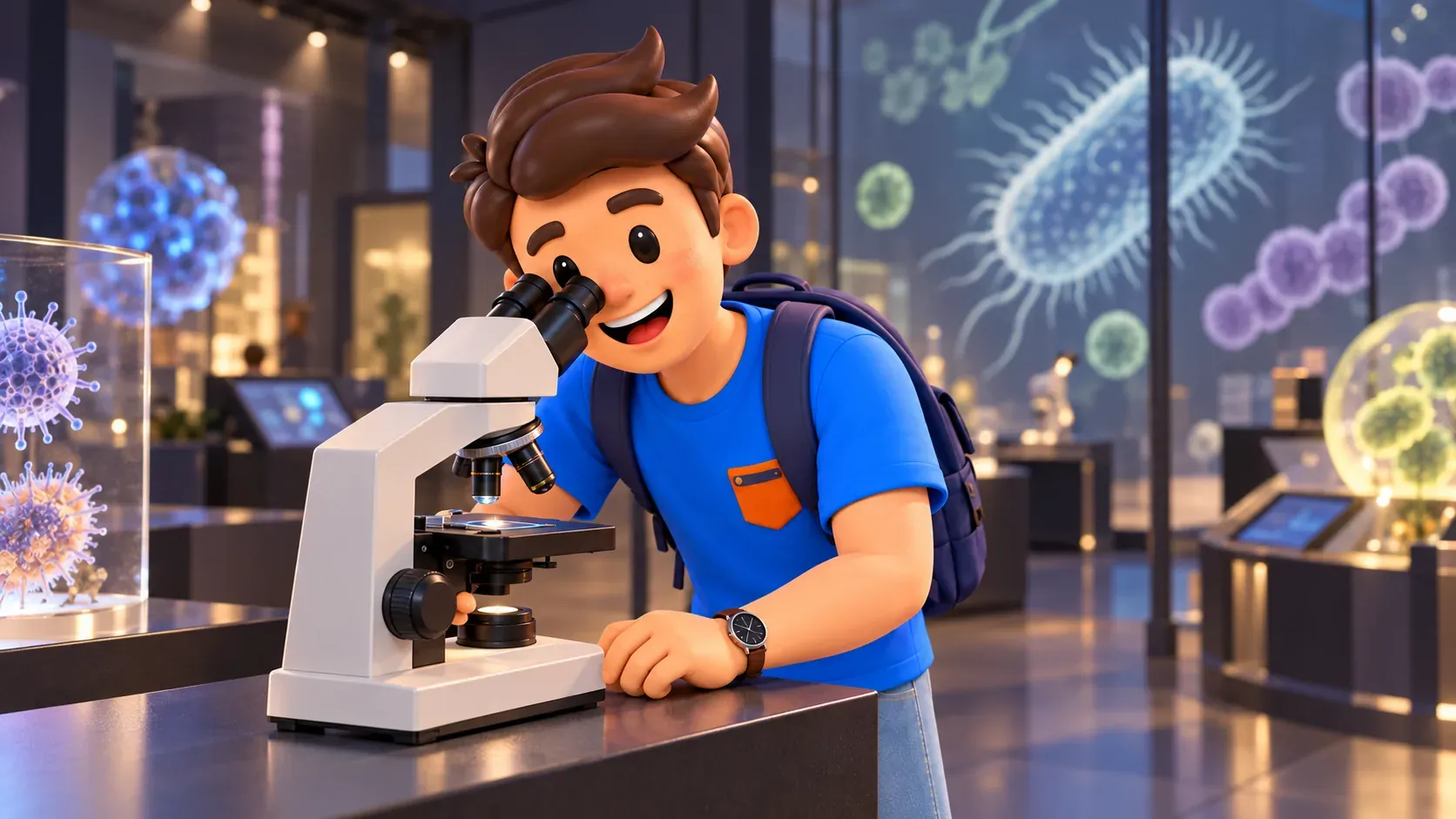
ARTIS-Micropia explores microbes and invisible life’s relationship with the world around us. Attention changes scale: instead of a large movement, you might study something through a microscope and connect it with everyday experience. A living collection is maintained by laboratory staff. That does not promise visitors handle open cultures or enter staff-only rooms. The scientific value begins with a changed perspective: something unseen by the unaided eye can still matter to life. There is no reason to turn that into fear of every microbe or assume each small shape represents danger.
Choose one everyday connection: food, the human environment or microscopic scale itself. Notice what can be distinguished and why an instrument is needed. You need not memorise every organism’s name. Compare what you expected before looking closely with what you observed. An illustration or enlarged model is not an organism at natural size, and an old report’s photograph does not confirm that exact exhibit is currently available.
Micropia says most visitors explore it in around one to one-and-a-half hours; allow longer for activities or a Lab Talk. Check your date’s programme for a particular event. Ordinary hours are daily 10:00–17:00. It is by Artisplein, at Plantage Kerklaan 36 according to ARTIS’s specific visitor information, rather than the main zoo address 38–40 in the general footer. For an independent visit, use a Micropia ticket; zoo admission is unnecessary. Check the contents of a combination product if choosing one. One ticket should not automatically be treated as entry to every ARTIS location and dome presentation.
The Planetarium when you want to change scale
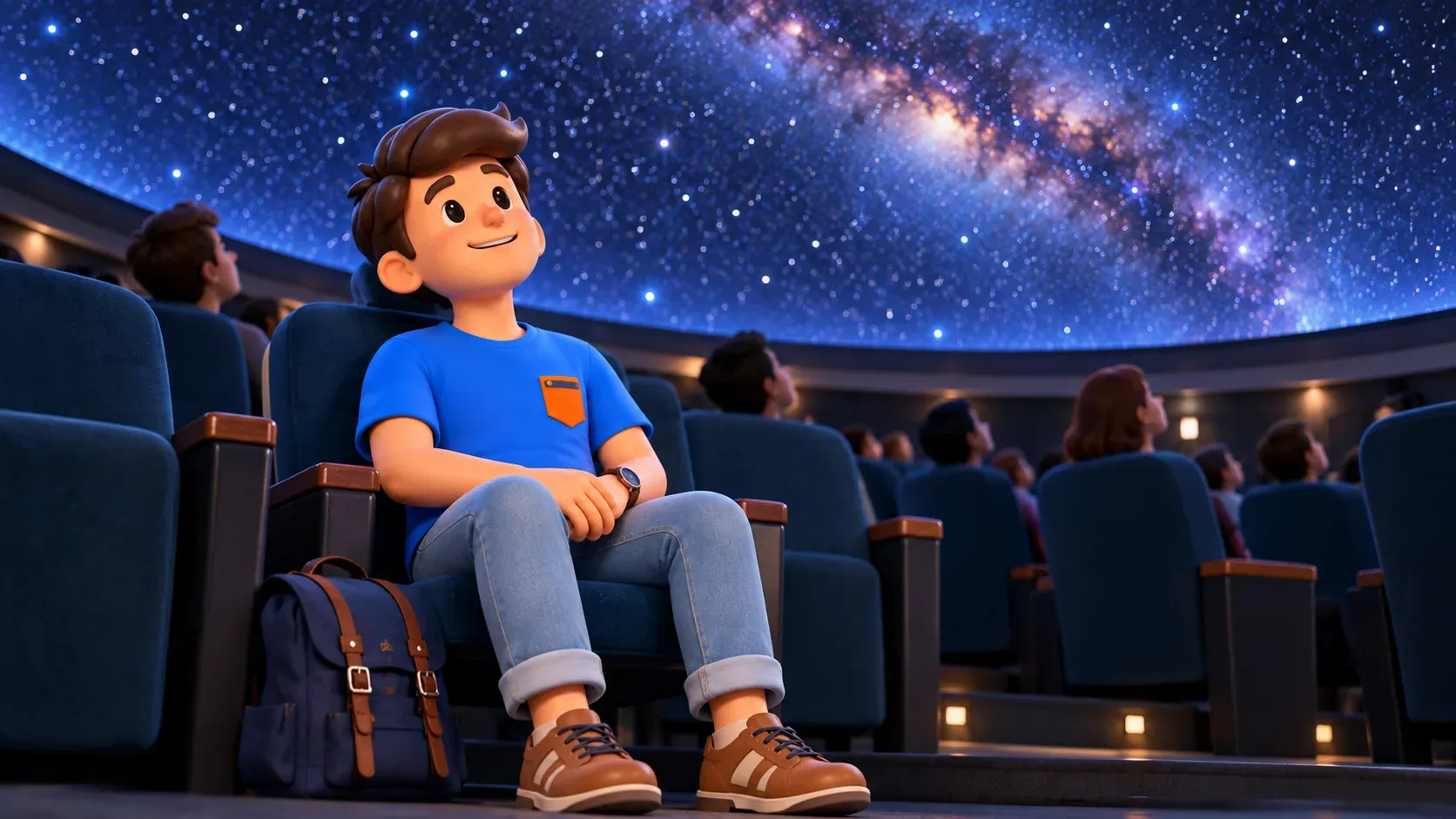
The ARTIS Planetarium offers a view of space through a programme beneath a dome. Its value differs from moving freely between installations: you follow the chosen presentation and its narrative rhythm. The subject can help place Earth and people in a wider context. Choose the actual show, not simply the appealing word “planetarium.” Read its theme, start, duration and language for your date. A universal forty minutes from someone else’s account should not replace real programme details. Walking within the zoo and preparing for the start also need time, even when ordinary Planetarium admission is included.
ARTIS currently includes the Planetarium with its zoo ticket. It is neither a free room on public Artisplein nor a benefit automatically supplied by a Micropia ticket. Decide whether visiting the zoo alongside a show interests you. For a short, independent museum discovery, that format may fit less well than Micropia. The Planetarium page lists English headset audio for all shows except Planeet SOK. Do not assume Russian, French, German or Spanish support from the language of a blog article. The particular programme’s conditions matter more than the language in which you read about the venue.
With a young child, consider whether sitting in a darkened auditorium and watching projections appeals. That is a comfort question, not an invented age restriction. Adults should also consider whether a structured presentation fits after a long day. Do not select the Planetarium as an automatic effortless break: a new narrative requires attention even while your legs rest. If no suitable show is available, choose another experience or date.
Nearby addresses are not a single visit
NEMO is at Oosterdok; Micropia and the Planetarium belong to the ARTIS area in Plantage. Map proximity does not remove travel, entry, possible waiting or ticket differences. A short connection cannot turn three experiences into one compact museum room. Choose a main visit, then decide about food and walking. To combine two, calculate the whole day again, including returning. Our guide to how many Amsterdam museums to plan in a day helps with that discussion. It does not prohibit an ambitious outing; it compares interest with actual energy and time rather than simply increasing ticket numbers.
After NEMO, lunch and a short city walk might suffice. After Micropia, discuss what changed in your view of ordinary life. After the Planetarium, continue with your own zoo programme without another race. These are continuation ideas, not compulsory routes through all three addresses. Pauses are useful to adults too and do not mean curiosity has ended. A quiet conversation may make the main observation clearer. Leave room to express it in your own words rather than turn the day into an examination or a report on every installation noticed inside a large institution.
Choosing for adults and families
Do not divide the venues into childish and serious solely by colourful presentation. NEMO explicitly welcomes different ages, and Micropia also addresses curious visitors of all ages. Adults can discuss observations and repeat an activity without embarrassment. For families, actual participation matters: what a child can do, how long they want to look and whether explanations are in an understood language. A ticket age category, an activity’s threshold and personal interest are separate matters. Check everyone’s correct admission category rather than transfer conditions between institutions or assume an accompanying adult automatically enters free of charge.
RoadMe makes planning the whole trip more convenient and effective with a personal programme based on interests, pace and available days. Try the app to give science discoveries, walks and rest suitable amounts of time across your journey.
For a couple or group, choose a shared question while preserving individual freedom. One person may repeat an activity while another reads the explanation; both can have a substantial visit. Identical pace at every exhibit is unnecessary. Agree where to meet and follow the institution’s rules. If scientific interests differ considerably, one modest shared experience can be more enjoyable than several large visits in succession.
Check before buying
Confirm the real date, entry time, programme language and ticket contents. For individual mobility needs, ask about actual rooms, operating facilities and assistance; a general description does not certify the entire approach as obstacle-free. Give transport, food and rest separate blocks. Resolve belongings too: a small museum locker does not imply storage for every suitcase. Do not promise no queues or places in every activity. This article’s illustrations convey themes rather than document current exhibitions, a specific live show or a guaranteed service on your visiting date. Use current venue information for arrangements that matter to your visit.
The decision can stay simple: NEMO for doing and comparing, Micropia for invisible life, the Planetarium for a cosmic story within an ARTIS visit. One well-chosen experience can give the day its question. Another museum is not needed to establish the ticket’s value or the seriousness of your interest. Keep what you noticed: unexpected movement, a small living world or a change of scale. A good science day ends with curiosity you want to continue and energy for the rest of the journey, rather than only a list of completed rooms and addresses.