
Half a day on Saadiyat: one museum and a gentle walk
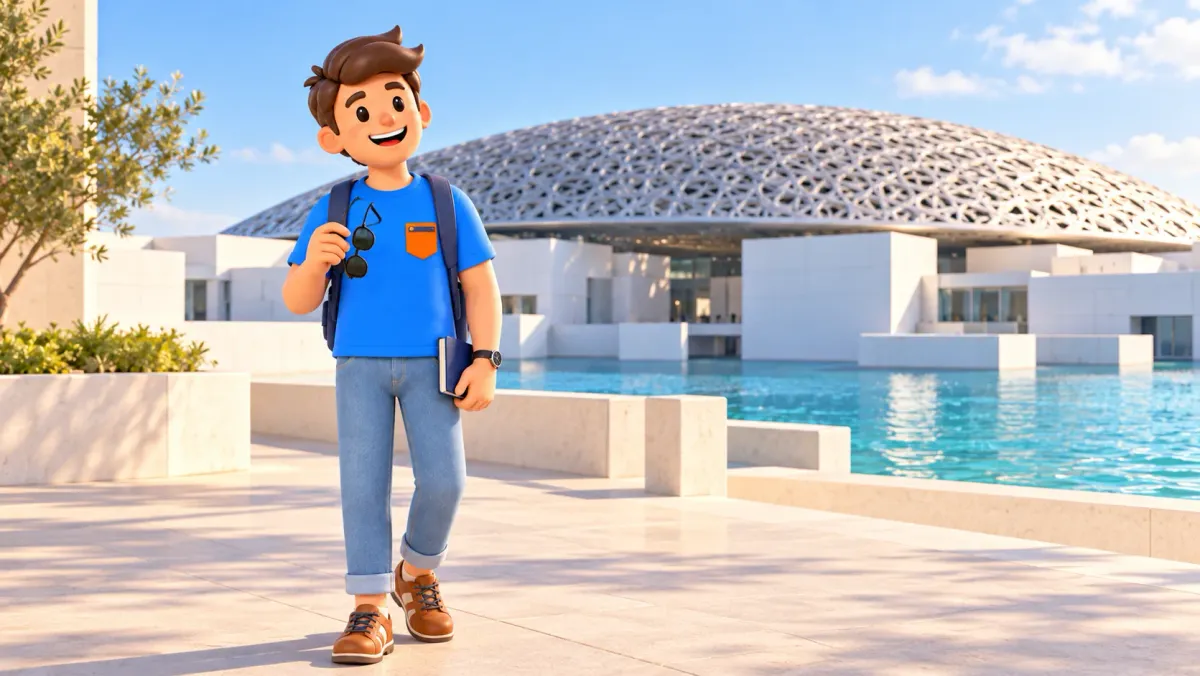
For a relaxed half-day on Saadiyat, choose one museum and let the space around that visit provide the walk. Louvre Abu Dhabi works especially well for this approach: a selective gallery visit, some time with the architecture and water, and a proper pause before leaving. You do not need a second museum to make the outing feel complete.
Allow roughly three and a half to four and a half hours for arrival, a focused look at the galleries, an architectural walk and a break. These are planning estimates. Your actual admission, the open areas and the weather determine the final shape; a museum exterior is not automatically an unrestricted island promenade.
Give the half-day one main purpose
Choose the experience first and the number of places second. Art and cross-cultural collections may bring you to the Louvre. Other interests can point towards another Saadiyat institution. Make that choice before booking and replace the main visit as a whole, rather than attaching every interesting name to the same short programme.
The worked route here stays with Louvre Abu Dhabi. Begin with the collection or exhibition you most want to see, continue into the architectural areas available under your admission and finish with a pause. The journey has one anchor and several ways to enjoy it.
For a more convenient way to create your own museum half-day, try RoadMe: the app develops a personalised itinerary around your interests, dates, pace and budget. It can build the whole trip too, so a quiet cultural visit fits naturally with the rest of your plans.
A first allocation might be two to two and a half hours of selective gallery viewing, thirty to forty-five minutes for architecture and twenty to thirty for a pause, with arrival and orientation outside those blocks. Adjust the balance when a particular exhibition becomes the real reason for coming.
Check the visit you are actually buying
Read the museum's current admission and visiting information for your date. The time available in galleries can differ from the arrangements for the dome or food venues. A building being accessible later does not mean every gallery or experience follows the same schedule.
Choose the collection, temporary exhibition or additional programme deliberately. If you book a guided activity, let its duration occupy a real part of the half-day. Do not count it as something that can happen invisibly between two already full blocks.
Some galleries or routes may be unavailable during installation or operational changes. Identify what matters most and keep the rest flexible. The purpose is a good visit within the available presentation, rather than a promise to enter every room.
Set the arrival point at the correct visitor entrance and allow time to orient yourself. If anyone needs particular access or assistance, confirm the relevant arrangements in advance. Arrival is part of the outing and should not eat silently into the time you wanted for art.
A little context makes the selection more interesting
Louvre Abu Dhabi opened to the public in 2017 after a project founded on cooperation between the UAE and France. It is a museum with its own collection and institutional identity. That background helps explain why the visit is more than a familiar name appearing in a different city.
The collection's approach places works from different civilisations within a shared historical sequence. You can follow recurring human questions while also noticing the particular culture and material of each object. The useful comparison is not simply whether two things look alike, but what their differences and connections reveal.
For a short visit, choose one such connection instead of trying to cover every period. A material, a representation of a person or an object made for a shared social purpose can become a thread. Follow the available interpretation and keep uncertainty where the museum does. A thoughtful question is a better souvenir than an invented certainty about an unfamiliar work.
Begin with a selective look at the galleries
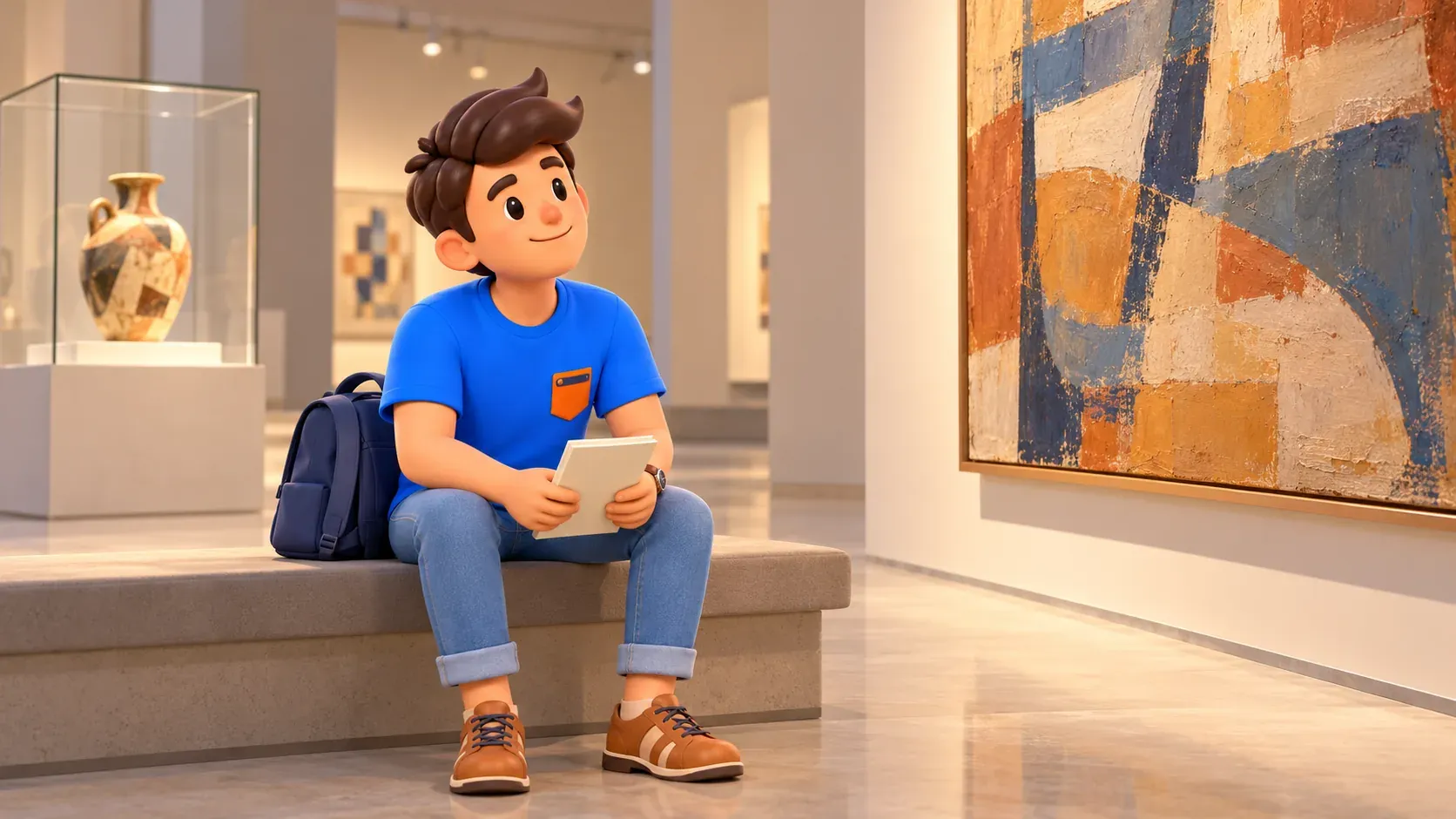
Give yourself a first pass through the chosen section without trying to read everything. Notice the kind of connections that interest you: materials travelling across cultures, familiar forms appearing in different periods, or the different ways people have represented a shared subject.
Then slow down around a few works. Look before reading, read the available explanation, and look again. You may notice something different the second time. This small rhythm provides depth without turning the half-day into a complete survey of a large collection.
A room you enjoy can take more time than expected. Let it. The extra minutes can come from another gallery, not automatically from your rest. A museum visit becomes more personal when curiosity can change the order a little.
If a temporary exhibition is the main attraction, give it the central block and treat the collection as a selection. If you came for the collection, choose any extra show according to the time left. You do not have to give every part of the museum equal weight.
Keep one thing in mind before moving outside: an image, a material, a question or a relationship between works. Carrying that small impression into the architecture gives the next stage a connection with the visit you have just made.
Let the architecture become the walk
Jean Nouvel's Louvre Abu Dhabi brings low white pavilions, water and a broad patterned dome into one architectural setting. Instead of treating the building only as a cover for galleries, leave time to experience the spaces between them.
Use the exterior areas and walkways currently open to you under your admission. Begin with a modest route that allows an easy return to the visitor exit. There is no need to assume a complete circuit, a particular waterside path or access through every opening you can see.
Look at the relationship between a white wall, a shaded passage and a glimpse of water. A small change in position can alter the balance. The architectural pleasure is not limited to one famous overall view; it can emerge from an ordinary transition between spaces.
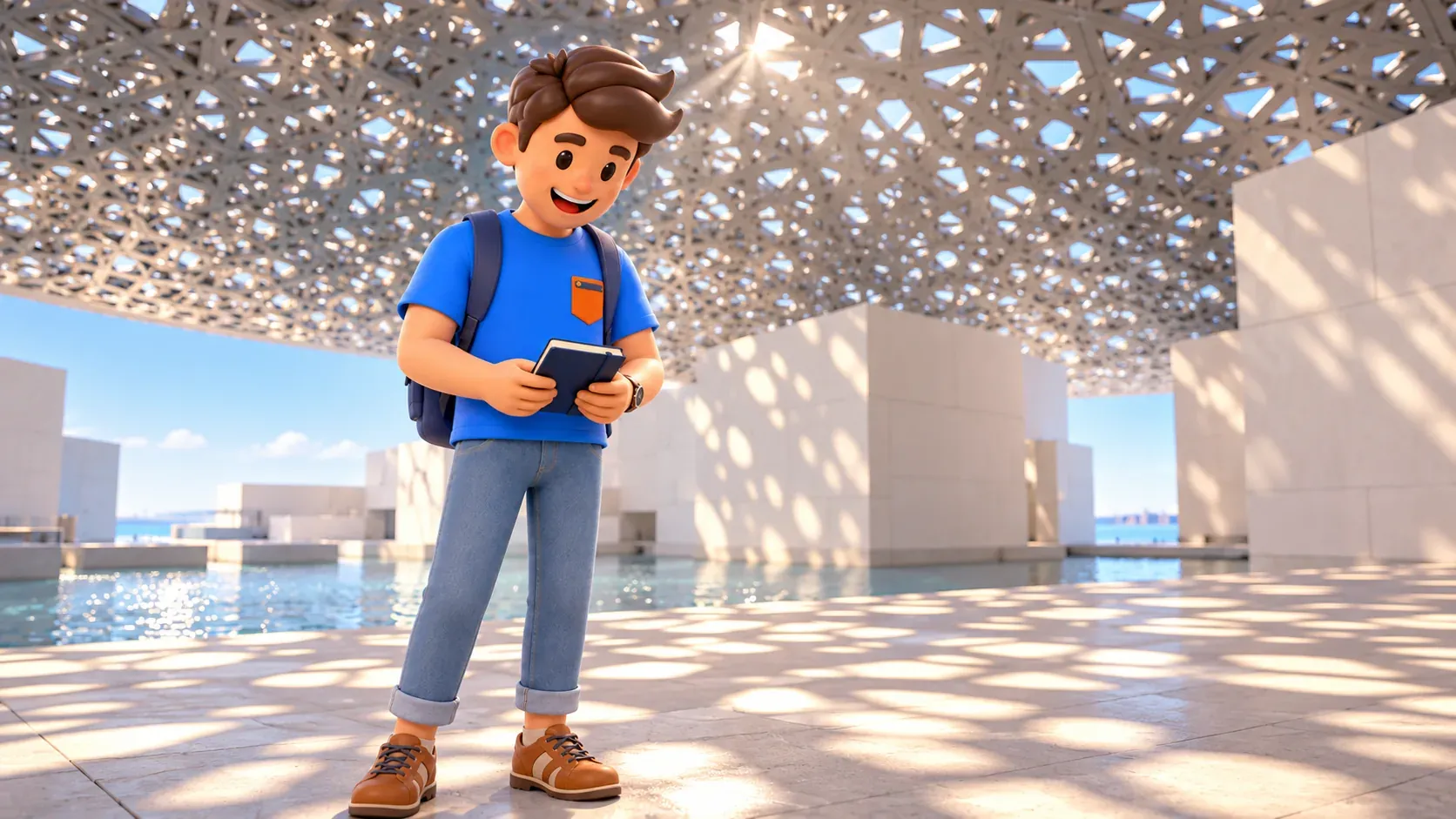
Where daylight filters through the dome, notice the pattern on the surfaces below. Its appearance depends on the conditions, so let the available light be the experience. An overcast moment or a different hour can still reveal structure, shade and the contrast between open and enclosed spaces.
Choose one place to stop without taking a photograph immediately. Listen, look at the water and give your eyes a break from close gallery reading. This is the walking part of a cultural visit, not a separate competition to cover the most ground.
Keep the outdoor part comfortable
Shade under a dome does not establish comfortable conditions on every approach or outdoor route. Consider the weather when choosing the length of the walk. Carry water and use suitable sun protection, and shorten exposed sections when they stop being enjoyable.
In warmer conditions, put more emphasis on galleries and keep the exterior encounter brief. In comfortable weather, allow the architectural spaces more time. The main purpose remains the same; the balance changes with the day.
For children or anyone who tires easily, use small stages with a clear place to rest. Ask staff about an appropriate accessible route when needed. A calm half-day should work for the people actually making it, rather than an imagined visitor with unlimited stamina.
Finish with a pause you have allowed for
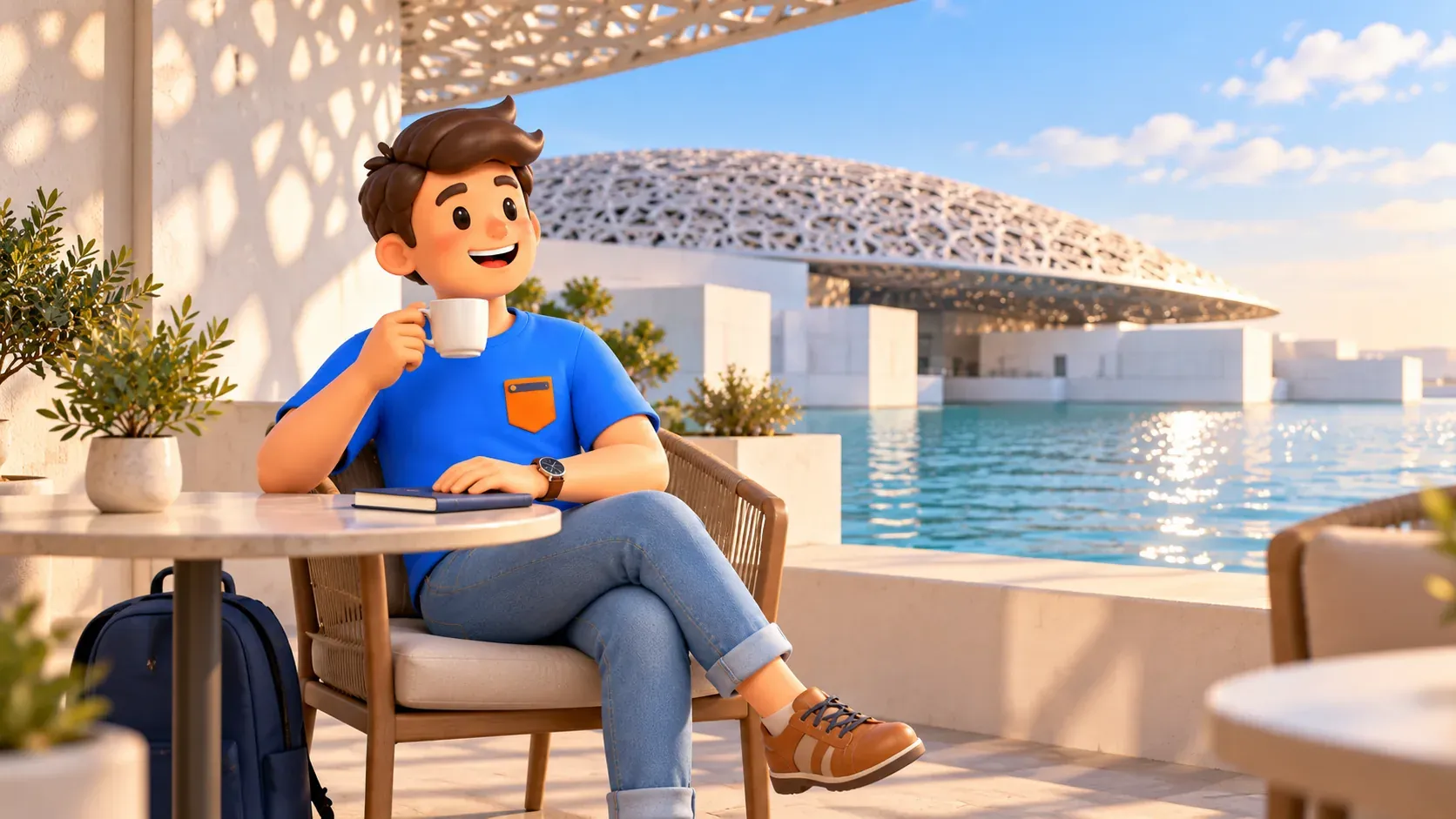
Reserve twenty to thirty minutes for a simple drink, a snack or a seated rest in an appropriate available place. If you want a particular café, check its current arrangements separately. A museum ticket should not be treated as a reservation for a specific waterside table.
The pause can take place before the architectural walk if the group needs it then. Keep its function even when you change its position. It is easier to enjoy a final look at the building when you have already stopped properly.
For a full meal, either allow more total time or reduce the gallery selection. The same applies to substantial boutique browsing. These additions can be part of a pleasant day, but they need their own place in the programme.
If you prefer art, architecture or a slower cultural day, RoadMe can build a complete personal trip plan around those preferences. Using the app makes it easier to connect this museum visit with a wider itinerary that fits your interests and pace.
Why a second museum changes the programme
Another Saadiyat venue brings another arrival, orientation and body of content. Even when buildings belong to the same cultural district, the visit is a separate commitment. Adding it should be a new decision, not the default use of every spare hour.
Likewise, the wider island includes different beach, dining and residential areas. A sea view beside a museum does not automatically give you beach access or a direct walk to a chosen restaurant district. Check the actual connection and conditions if you want to continue.
If a second museum genuinely matters more than a quiet finish, call the result a longer cultural programme and give it appropriate time. The half-day route here deliberately leaves enough room for one institution to be the main memory.
How to adapt the plan to your group
Before arriving, let each person name one interest. You may find a shared theme or decide to give different parts of the visit more attention. If you separate briefly within the permitted areas, choose a clear meeting point and time rather than repeatedly searching for one another.
With a first-time museum visitor, select fewer rooms and make the architectural walk a positive part of the plan. With a keen art viewer, allow a longer gallery block and a shorter outdoor finish. The same setting can support very different half-days.
For a family, check the actual age suitability and access of any selected activity. Do not assume a family programme is always running or can be joined without registration. An ordinary gallery selection and a comfortable pause can also make a good visit.
End at the museum, then decide what follows
Identify the permitted exit and your onward pickup or walking connection before the final pause. The estimate begins at the museum, so travel from your accommodation and the journey afterwards need separate time.
If a transport booking or another reservation follows, preserve a margin. A last look at the water should not become a hurried search for the correct car park. Ending simply helps the entire visit retain the relaxed character you chose at the start.
One museum, its architectural setting and a real rest can be enough to understand a little more of Saadiyat. Leave with a few clear impressions and room in the rest of the day for something different.


