
Jubail half-day: mangroves and equestrian culture
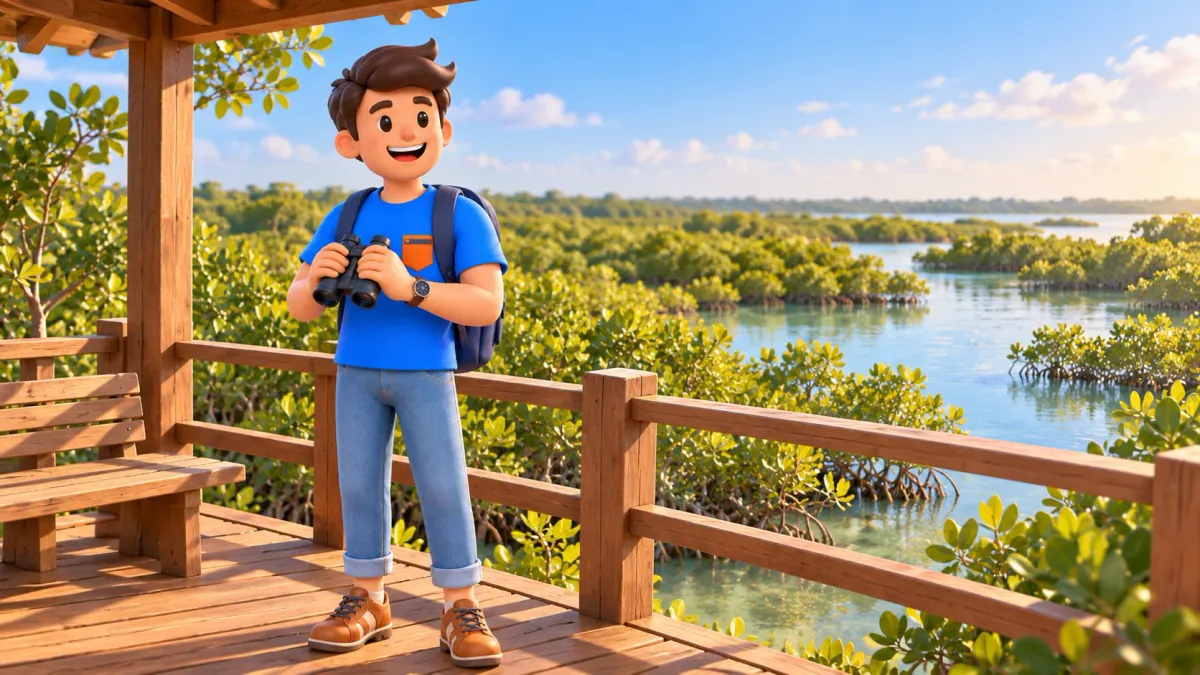
A half-day on Jubail can reveal two different sides of Abu Dhabi: a tidal forest seen from a wooden boardwalk and the culture surrounding the relationship between horse and rider. Begin with Jubail Mangrove Park, then continue to a selected visit at Abu Dhabi Royal Equestrian Arts, usually called ADREA. Give the change of scene enough space to feel like part of the outing.
Allow roughly four to five hours, including arrival, a pause and the actual connection between visitor entrances. This is an editorial planning estimate, rather than a timed package. A particular performance or guided programme can require a different order or more time. The park and ADREA are separate visits even though both are on Jubail Island.
Choose the cultural programme before fixing the order
The clearest version combines a selective boardwalk walk with equestrian heritage, using the Furusiyya Gallery as the cultural focus where admission is available. You get nature and a new subject without relying on a performance taking place at exactly the right moment.
If a scheduled ADREA performance is your main reason for coming, build the half-day around its actual admission and arrival requirements. Put the park before it only when that leaves comfortable time. A morning nature walk and an evening show can instead become two separate outings within the same day.
For an easier way to arrange the whole outing, try RoadMe. The app develops a complete personal itinerary around your interests, dates, pace and budget, so nature and equestrian culture can fit into a trip that actually suits you.
A useful starting allocation is sixty to ninety minutes for the park and around ninety minutes to two hours for a selective cultural visit. Leave a genuine pause and room for arrival, orientation and the permitted connection. These blocks are flexible; they are not official visit durations or a promise that every programme fits.
Start with what the mangroves make visible
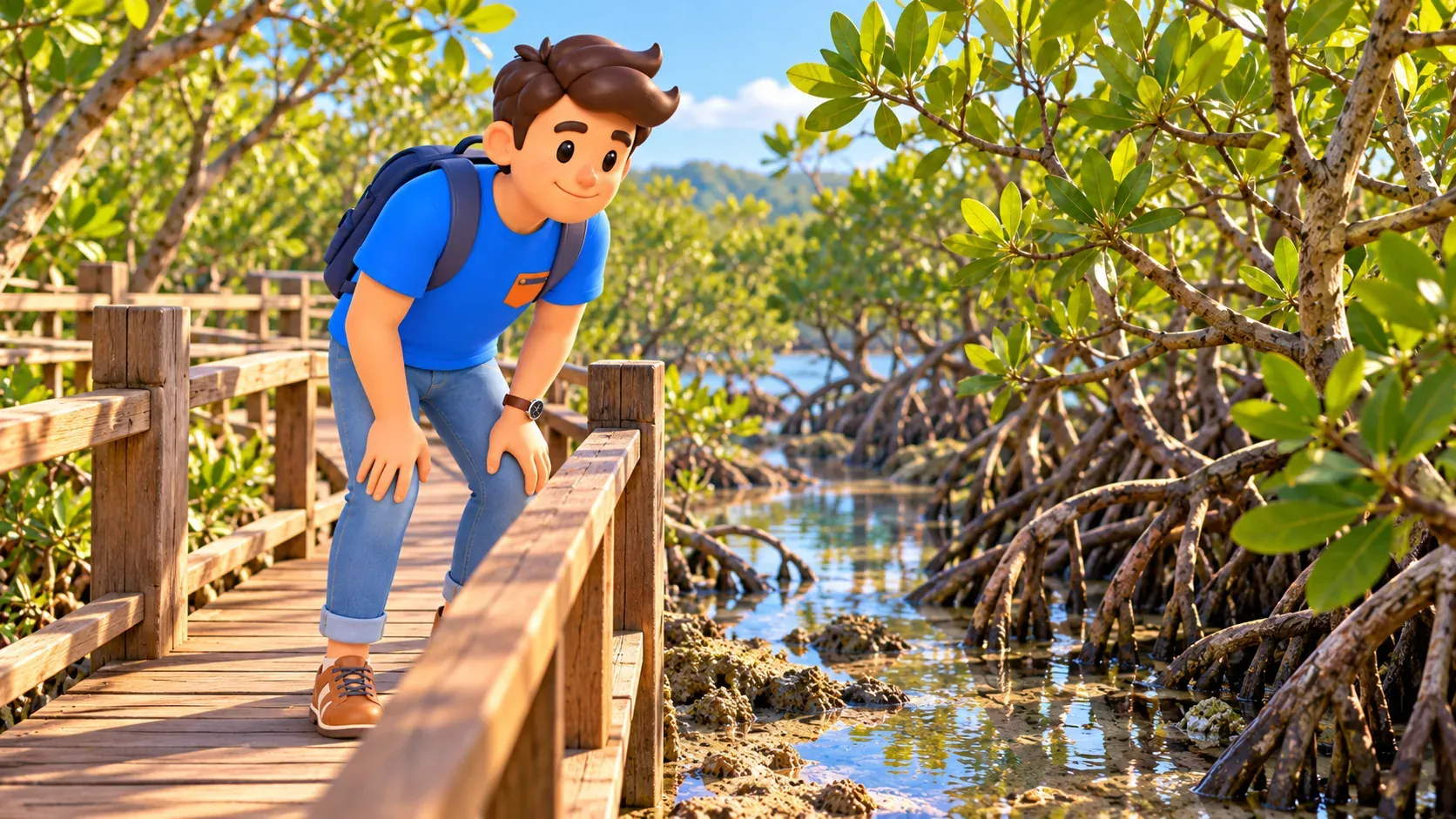
Jubail Mangrove Park brings you into a coastal landscape that is easy to overlook when Abu Dhabi is imagined only through towers and desert. A raised wooden boardwalk lets visitors observe the forest without walking through its roots. The path is a way of approaching the environment while keeping a necessary distance.
Look at the different levels: the leafy crowns, the lower branches, the roots and the ground or water beneath them. A mangrove is part of the shoreline rather than a conventional garden bed. That relationship is the interesting subject, even before any animal appears.
The tide changes the view. With more water, reflections and channels can dominate; with less, roots and exposed surfaces become easier to notice. Neither version is a failed visit. Choose a preferred water level only after checking the relevant conditions, and avoid treating a photograph from another day as a promise.
At the beginning, choose a manageable route from the options currently open. Consider the group's comfort, the weather and the time reserved for ADREA. A short attentive walk can provide a more satisfying first encounter than completing every available section while watching the clock.
Walk slowly enough to notice the forest
Give the first stretch to orientation. Notice where the boardwalk changes direction and where you can stop without blocking others. Then choose two or three pauses with different views: a patch of roots, an opening towards water and a denser section of foliage.
At each pause, look before reaching for a camera. A reflection may move, a small detail may become visible, or the forest may simply remain quiet. There is no need to manufacture an encounter. Bird and marine-life sightings depend on the day, and the landscape itself is already the reason to come.
Stay on the designated path and keep wildlife undisturbed. Do not feed animals, enter the water or step into the root zone for a closer photograph. The park's boundaries make the experience possible; they also explain why the nearest-looking angle is not necessarily an appropriate place to stand.
If you enjoy photography, choose one broad landscape and one small detail rather than continually stopping for the same view. Keep any equipment within your own space and follow current photography rules. Commercial work and organised shoots require separate attention to the operator's conditions.
Keep a nature walk comfortable
A boardwalk is still an outdoor visit. Do not assume continuous shade or a cooling breeze. Wear comfortable shoes and arrange sun protection appropriate to the conditions. Carry what you need for the day while observing the park's rules about where food and drinks may be used.
In warm weather, shorten exposed sections and preserve energy for the rest of the outing. The most comfortable park time and a particular cultural booking may not align perfectly. It is reasonable to select a different ADREA programme or separate the visits rather than force the pairing.
With children, turn one pause into a simple observation task: compare two kinds of roots or notice where water is visible through the leaves. Keep close supervision and use the railing as a boundary, not a seat. A family visit works best when curiosity does not depend on completing a long circuit.
Anyone who needs a particular accessible route should confirm the current options with the operator. A level-looking photograph cannot establish the whole arrival experience. Check the entrance, route and rest possibilities together, especially when this walk is only the first part of the half-day.
Make the move to ADREA a real stage
Leave through the park's designated visitor exit and confirm the appropriate ADREA entrance for your chosen visit. The two destinations share an island, but that does not establish one shared ticket or an unrestricted pedestrian shortcut. Follow the connection that is actually open and suitable for your group.
If you are using a driver or taxi, agree on a clear pickup point and the correct arrival entrance. If considering a walk, confirm the permitted route and its conditions first. Do not turn a short line on a map into an instruction to cross landscaping, a service area or a road informally.
This is a useful place for the main pause. Take time to sit, cool down and decide how much attention you have for the cultural visit. A drink or meal belongs in a permitted visitor venue with its own availability, rather than being assumed as part of either admission.
Meet equestrian art through its objects
ADREA presents the art and knowledge surrounding classical horsemanship. The subject extends beyond a horse moving in an arena: it includes training, care, equipment and the ways different cultures have represented the relationship between people and horses.
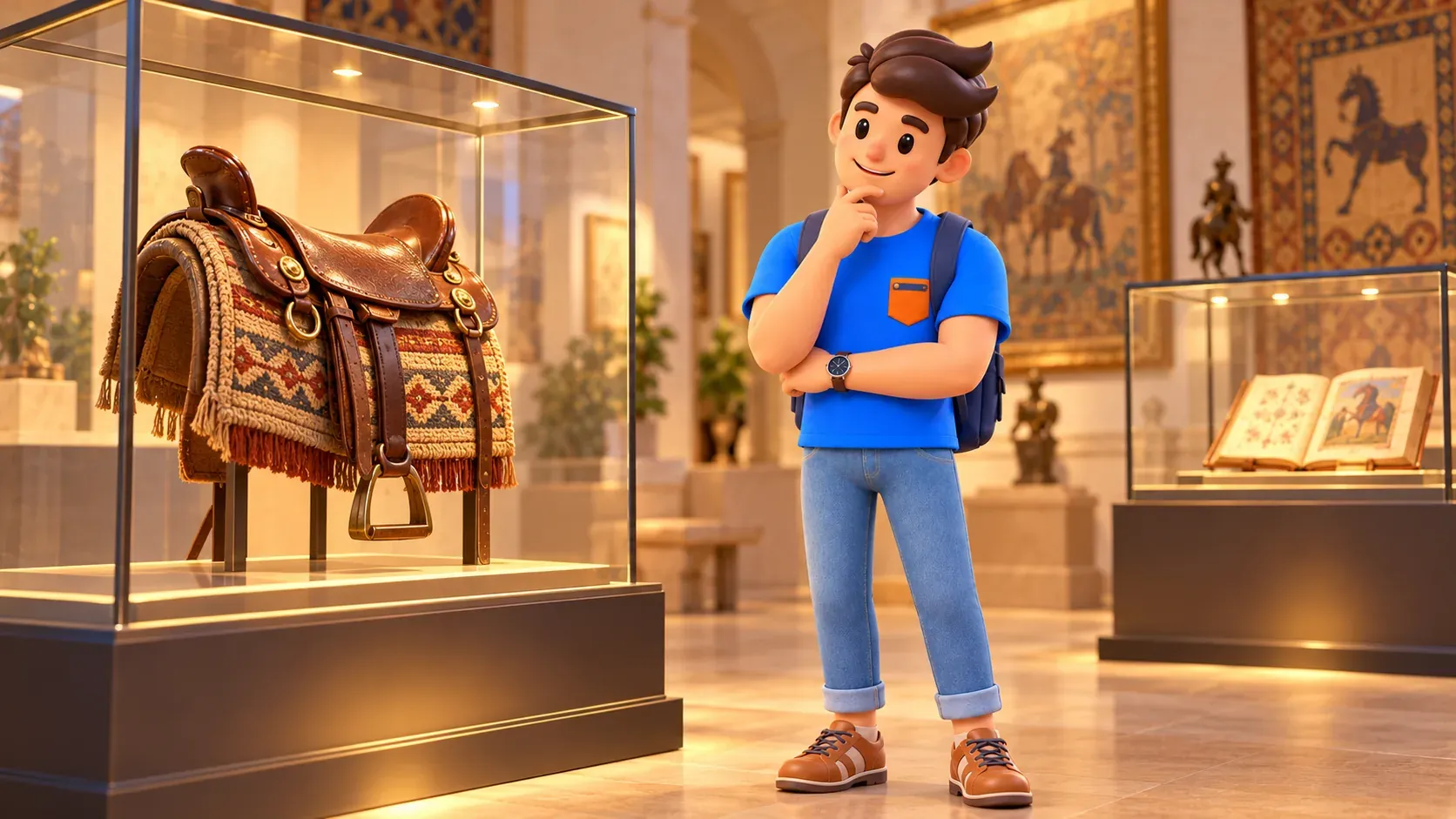
The Furusiyya Gallery offers a useful cultural focus for a shorter visit. Rather than trying to remember every object, choose one thread from what is actually presented. Riding equipment can lead to questions about making and use; a manuscript or textile can open a different conversation about knowledge or representation.
Let the labels and interpretation establish what an object is and where it comes from. Notice its material, scale and traces of workmanship before reading. Then return to it with the explanation in mind. This small sequence makes a specialised subject approachable without requiring previous equestrian knowledge.
Do not assume that the gallery, library, workshop, guided tour and performance form one automatic package. Confirm the cultural areas available for your visit and give any booked activity its own time. A library can be a place for a quieter encounter with the subject, rather than another room to tick off.
Distinguish practical function from decoration. Riding equipment has to serve a physical purpose, while its finish can also express status and artistic taste. Comparing those two layers in one available object makes the cultural history more tangible.
If you choose a performance
A performance changes the rhythm. You have an appointed arrival, a seated programme and a different kind of concentration. Read the current event details and let them control the day. Leave space before the start rather than planning to finish the boardwalk at the last possible moment.
Look for the relationship between horse and rider: rhythm, balance and the precision of apparently small movements. You do not need to identify every technique to appreciate the work. The cultural visit can provide context, while the actual programme determines what you see in the arena.
Follow the current photography rules; ADREA does not permit photography or video during performances. Visiting an equestrian centre also does not entitle you to approach, feed or ride its horses. Any permitted contact is a separate supervised experience, not an informal addition to a gallery visit.
Check the particular event's conditions for children and any assistance your group needs. A broad description of a family-friendly destination should not replace the requirements of the performance you are booking. If the programme is unsuitable, the cultural focus can still stand on its own.
End with one connection, rather than another booking
Before leaving, compare what caught your attention in the two settings. In the park you followed living roots, water and changing light. In the cultural visit you encountered the skill and care involved in another relationship with the natural world. The connection is an invitation to think, not a claim that the two experiences are identical.

RoadMe can build the full personal trip around what interests you most, whether that is nature, heritage or a slower family day. Using the app makes it more convenient to shape the route and the wider holiday around your available time and preferred pace.
Leave kayaking, riding lessons and a substantial additional meal for a deliberate expansion of the plan. Each brings its own booking, preparation and duration. For this half-day, one thoughtful forest walk, one chosen cultural experience and a proper rest are already enough to give Jubail a distinct place in your Abu Dhabi trip.


