
Al Reem Island in a few hours: parks and towers
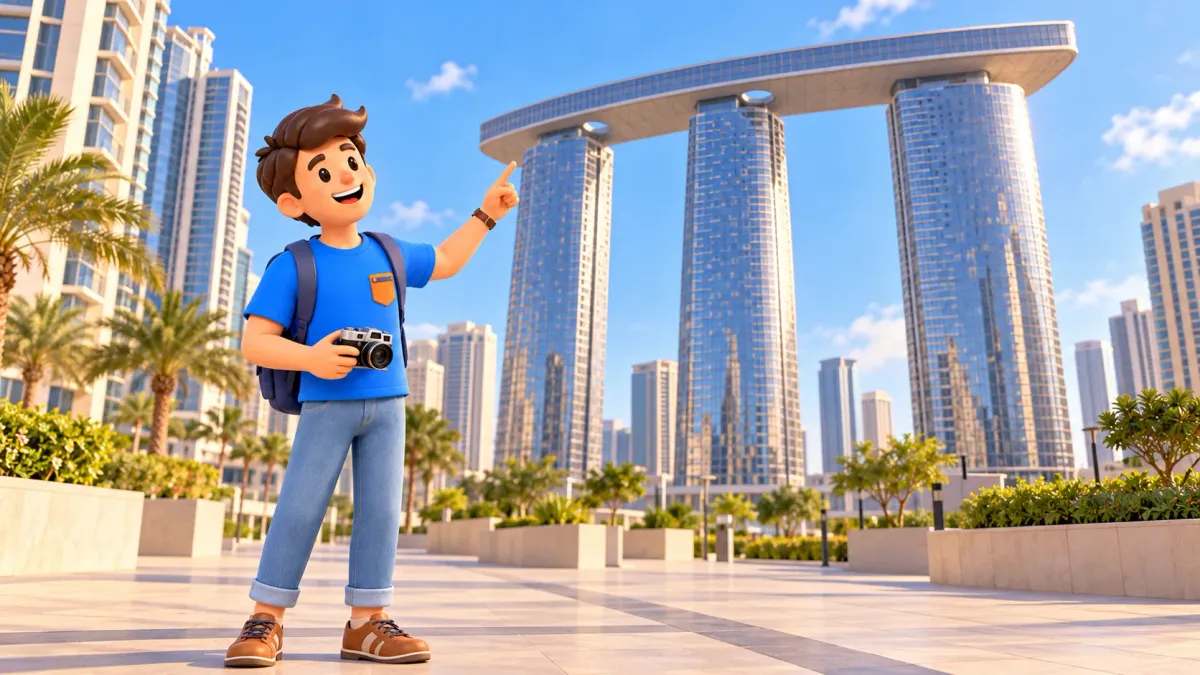
Use a few hours on Al Reem Island to see how modern Abu Dhabi works at ground level. Start among the planting of Al Fay Park, look at Gate Towers from an appropriate public street position, then decide whether to continue to Reem Central Park. The contrast between green space, residential architecture and water matters more than covering the entire island.
For the fuller version with a second park, roughly three to four hours can be a first planning allowance, including pauses and transfers. This is an estimate, not measured travel time. Keep a shorter one-park version available. Check the actual entrances and connections rather than assuming every place on one island is joined by an easy walk.
Choose the island experience you want
Al Reem is interesting as a lived contemporary district. The appeal is not a succession of ceremonial monuments: it is the relationship between homes, parks, public space and everyday activity. Give the outing one clear emphasis. Dense planting, open water and a memorable tower composition offer different ways to spend attention.
For a varied first visit, make Al Fay the start and Gate Towers the architectural complement. Add Reem Central Park only if you want another kind of landscape and the actual connection suits the day. If the waterside park is the main reason for coming, begin there instead and let it carry most of the visit.
For a more convenient way to build this into your stay, try RoadMe: the app creates a personalised programme around your interests, dates, pace and budget. It helps give neighbourhood discoveries the right place alongside the city's larger cultural and leisure visits.
Think of the sequence as a small set of choices, not a checklist. A park can deserve an hour of attention without needing another booking afterwards. A short exterior architectural stop can add a new perspective without becoming a private-building tour. Decide what you want the afternoon to feel like before adding destinations.
Al Fay Park: begin with the planted landscape
Al Fay Park provides a useful contrast to the high-rise setting around it. Its landscape, designed by SLA, uses dense regional planting as part of the urban environment. Paths, trees and recreational spaces are composed together. Arriving here first shifts the scale from the island's skyline to the places people use on foot.
Rather than immediately searching for every facility, take a modest route through the greenery. Notice the difference between the park's edges and its more planted interior. Look at the layers of trees and smaller plants, the way paths turn and the patches of light that reach the ground. The visit can be a landscape observation as much as a walk.
The park's design considers shade and microclimate, but that is not a promise of comfortable conditions throughout your visit. Use the weather and your group's energy to choose the length. A shaded pause and a shorter circuit can be enough. You do not need to test every path to understand the character of the place.
If children or sports activities shape your plans, check the specific facilities you need and their current conditions. A broad description of recreation does not establish that a particular piece of equipment or activity will be available. Let the park's general experience remain enjoyable even if the group chooses simply to walk and rest.

Gate Towers: read the skyline from outside
Gate Towers makes a different kind of impression. Three residential towers are joined by a large upper element, turning separate verticals into a single recognisable composition. The architectural interest lies in that relationship: tall supports and the strong horizontal connection above them. Look at the whole outline before concentrating on individual floors.
Use a suitable public exterior position and a checked connection from the park. The towers are a residential complex, not an observation deck included in this itinerary. There is no need to reach the upper connection or enter private facilities to appreciate the design. A distant enough view may explain the composition better than standing directly beneath it.
Compare the scale of the building with your experience in the park. The trees and paths brought attention to a person's immediate surroundings; the towers organise a much larger urban image. Seeing both in one outing helps explain why the island should be understood as more than a row of high-rise photographs.
If you enjoy photography, take one clear overall view that shows how the parts connect. Then put the camera aside and decide whether the group wants a second park or a break. A short architectural stop can be complete. It does not need to grow into a tour of every nearby residential block.
Continue to Reem Central Park only when it adds something
Reem Central Park is a separate destination, not another name for Al Fay. Its broader relationship with water, planting and recreational activity offers a different park experience. If that contrast appeals to you, check how to reach the actual entrance and how you will leave afterwards. Use a transfer when that is more practical than walking.
Do not judge the connection by the straight gap between map pins. The last approach, crossings and exposed walking matter, especially after time outdoors. If the journey does not suit the group, keep the first park as the outing's landscape focus. A smaller plan is preferable to reaching the second location too tired to enjoy it.
Once there, choose a manageable section rather than trying to inspect the entire park. The relationship between open space and the residential backdrop is already part of the interest. A waterside view can become the place to slow down, talk and notice the different rhythm from Al Fay's denser planting.

See the park as everyday public space
Reem Central Park combines different kinds of use: quieter areas, play and sports, water and visual culture. Its public-art connection includes a basketball-court surface associated with local artistic work. The interesting idea is that art can become part of something people use, rather than an object separated from everyday movement.
You do not have to play a sport or recognise every artwork to appreciate that. Watch how spaces connect and how the scale changes between a path, a court and a wider outlook. If an area is in use, let the activity remain the priority. The park is a place for daily life as well as for visitors looking around.
Choose an active or quiet emphasis according to the group. A brief look at a sports area followed by a seat near the water may be enough. If a particular activity is essential, verify its current availability and any requirements separately. The route does not promise equipment hire, a scheduled event or permission to use every facility.

Two simple versions of the outing
- Landscape and skyline: Al Fay Park, an exterior Gate Towers view and a selected rest before returning.
- Open space and water: Reem Central Park as the main visit, with a possible exterior architecture stop if the connection and energy suit.
The fuller version combines the two only when there is a genuine reason. Someone interested in landscape can compare the parks; a family may prefer staying longer in the one that works best. The common goal is a few enjoyable hours in a modern district, not proof that you have completed the island.
If architecture is your priority, Al Aziz Mosque is another possible subject on Reem, with a distinctive light-related facade. Treat it as a separate exterior interest and check the appropriate approach. It remains a place of worship; this park plan does not establish interior visiting conditions. Replace a block rather than automatically adding another destination.
Make room for a proper pause
Decide where you want to stop before the group becomes tired or hungry. A confirmed café or another suitable rest can be the natural finish. Check the actual place if seating or food is important. A general park description should not be used as a promise of an available table exactly where the walk ends.
For a mixed-interest group, the pause is a chance to compare impressions. Some people may remember the trees, others the tower silhouette or the way recreation shares space with the city. Those differences make a neighbourhood visit valuable. You do not need to force everyone into the same preferred activity to give the outing a coherent shape.
When those priorities differ, RoadMe can work out a personalised itinerary for the entire trip. The app helps balance parks, architecture, major visits and rest around the interests and walking pace of the people travelling.
Practical choices that keep the visit comfortable
Save the correct park names and entrances before departure. Al Fay and Reem Central Park are distinct places, while Gate Towers is a residential landmark with its own street setting. Arrange the end of the outing as carefully as the start. Knowing where the group will leave prevents a relaxed park visit from finishing with an uncertain search.
Check the weather for the actual day and keep water and real rest in the plan. Trees do not make every path shaded, and an island location does not guarantee a breeze or cool evening. Shorten outdoor sections when necessary. If specific mobility arrangements are essential, verify the approach and exit for each chosen place rather than relying on a general photograph.
A waterside park visit does not automatically include swimming, beach services or other water activities. Check those separately if they matter. The same applies to facilities within residential buildings or a university campus: proximity to a public route is not admission. This outing is already complete through its public spaces and exterior architecture.
Leave some room for what you actually enjoy. If one park holds the group's attention, stay longer and drop the next transfer. Al Reem is most rewarding when the towers become a backdrop to life at ground level, and a few chosen places reveal how the modern city makes space for ordinary days.


