Tokyo observation decks: which one should you choose?
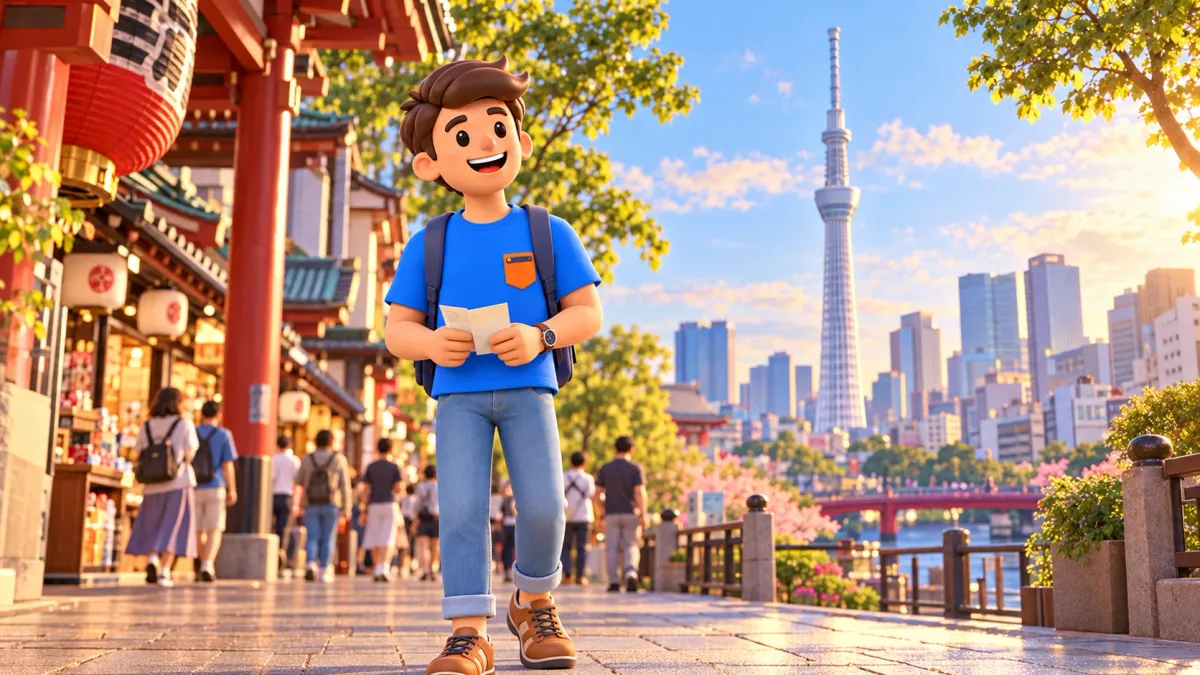
Tokyo does not have one observation deck that is best for everyone. Skytree gives the strongest sense of the city spreading beyond the horizon; Tokyo Tower brings the skyline closer and makes the visit part of a recognizable historic landmark; Shibuya Sky emphasizes the experience of an open rooftop above a busy district. Your preference matters more than the ranking in a list of attractions.
For a first trip, start with one paid panorama. Choose it alongside the district you already want to explore, then decide whether a second viewpoint would add a different experience. Crossing Tokyo to collect three observation decks on the same day is rarely the most rewarding use of a short stay. The streets you see from above deserve some time at ground level, too.
Choose the feeling before the height
Pick Skytree if your main wish is an expansive view from very high above the city. Choose Tokyo Tower if you like the tower itself, want a more intimate scale of urban detail, or plan to explore the Shiba area. Choose Shibuya Sky if being outdoors is central to the appeal and you already have an afternoon or evening around Shibuya.
To put the view into a trip that reflects your interests, you can try RoadMe: it prepares a personal plan around your dates and preferred pace. Start with the panorama you actually want, then give nearby streets and other interests room in the day.
These are priorities rather than strict categories. A photography enthusiast might enjoy any of the three, and a family could find a good visit at each. The useful distinction is between viewing a distant city through glass, recognizing the nearby city from a landmark, and standing under an open sky. Decide which would still please you if your photograph turned out ordinary.
Skytree: when the immense city is the attraction
Skytree is the clear choice here if height is your main interest. Its Tembo Deck occupies levels around 350 metres, while the higher Tembo Galleria rises from about 445 to 450 metres. The tower's full height is a different number from the height at which you stand: do not compare a structure's tip with another attraction's visitor platform.
At this scale, Tokyo becomes a pattern of development, roads, waterways and distant clusters of taller buildings. Individual street details become less important. That is an advantage if you want to understand the city's extraordinary extent, but less compelling if your pleasure comes from identifying one particular crossing or looking into a familiar neighbourhood.
The practical decision is whether the main deck is enough or whether the higher gallery is part of what you want to experience. Do not buy an upgrade simply because the larger number sounds more complete. Look at what your chosen ticket actually includes; the extra level is a separate component of the visit, with its own movement through the building.
Skytree fits naturally into an eastern Tokyo day around Oshiage and the wider Sumida area. It can share a day with Asakusa when you allow for the actual transfer and walking, but it is not the same attraction or the same station. Keep enough time to enjoy the neighbourhood rather than treating it only as a place to wait for an elevator.
Tokyo Tower: choose the landmark as well as its view
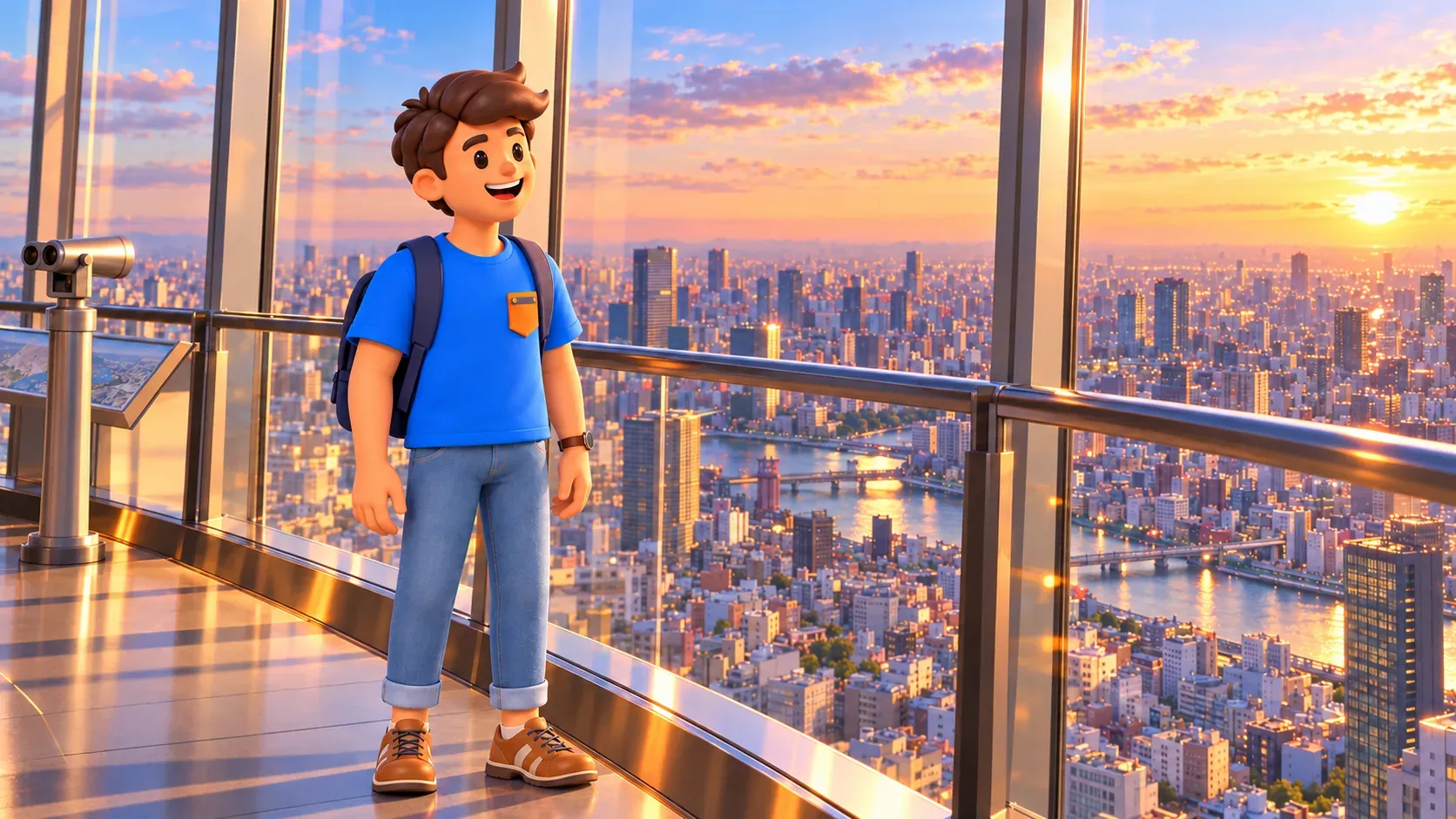
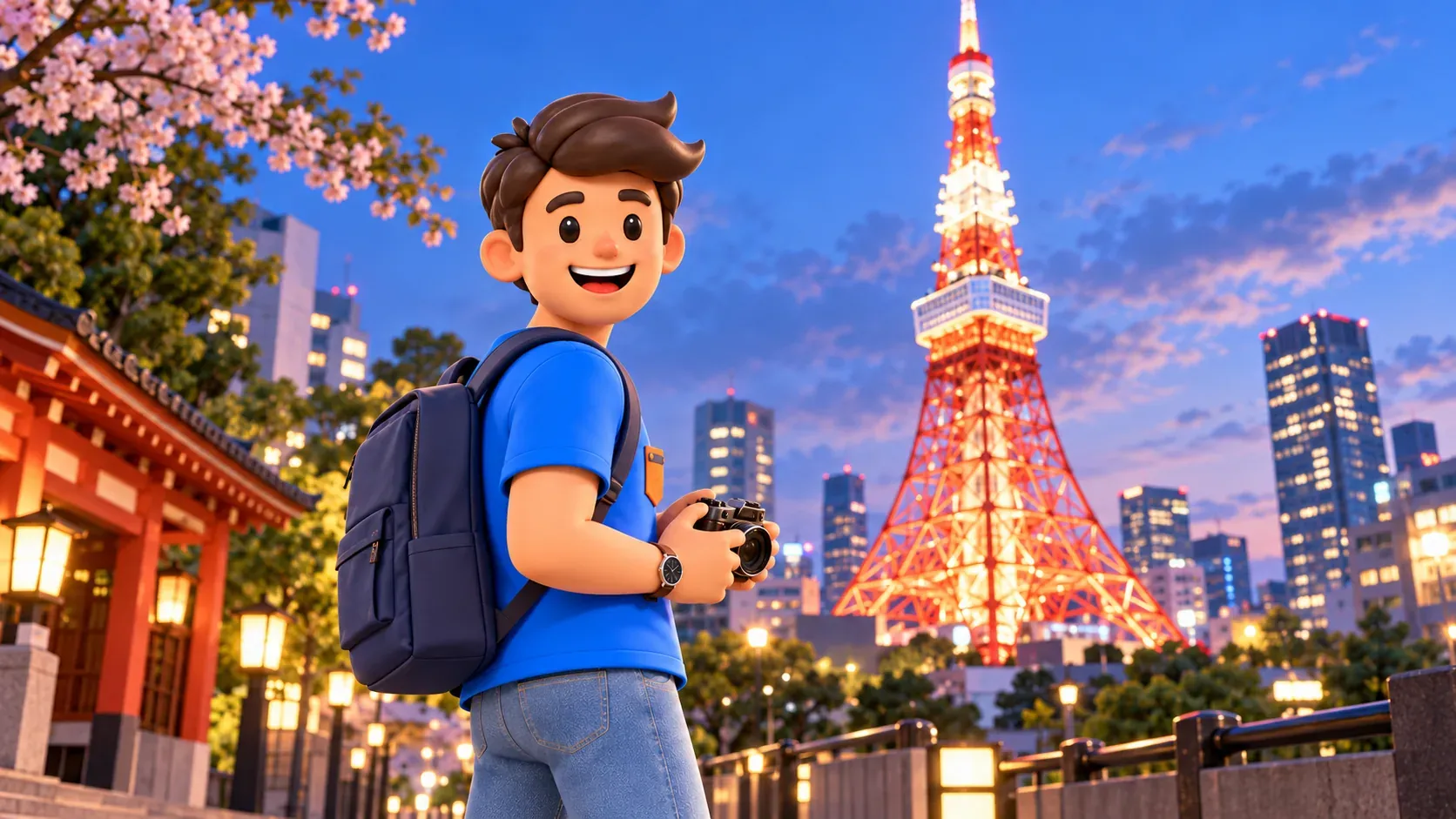
Tokyo Tower offers a Main Deck at 150 metres and a Top Deck experience reaching 250 metres. Those options should be distinguished when comparing tickets. A standard visit to the Main Deck and a ticketed Top Deck tour do not describe the same product, even though both belong to the same tower.
Its lower position within the city can make nearby buildings and the relationships between streets easier to appreciate. Height alone does not decide how interesting a skyline looks. If you prefer a view in which buildings retain a tangible scale, the Main Deck may be more satisfying than a much higher lookout. That is an editorial preference, not a promise that every visitor will react the same way.
There is also a simple photographic tradeoff: when you are inside Tokyo Tower, the tower itself is not the subject standing in front of you. If your main wish is a photograph containing its red and white structure, include a ground-level view or choose another viewpoint from which it may be visible. Going up and photographing the landmark from outside answer different wishes.
Make the visit part of a local outing rather than a detached stop. The Shiba and Zojoji area gives the tower a different setting from the dense commercial streets around Shibuya. You do not need to add a long historical itinerary, but even a short walk before or after the lift helps connect the panorama with the city below.
Shibuya Sky: the rooftop is the important difference
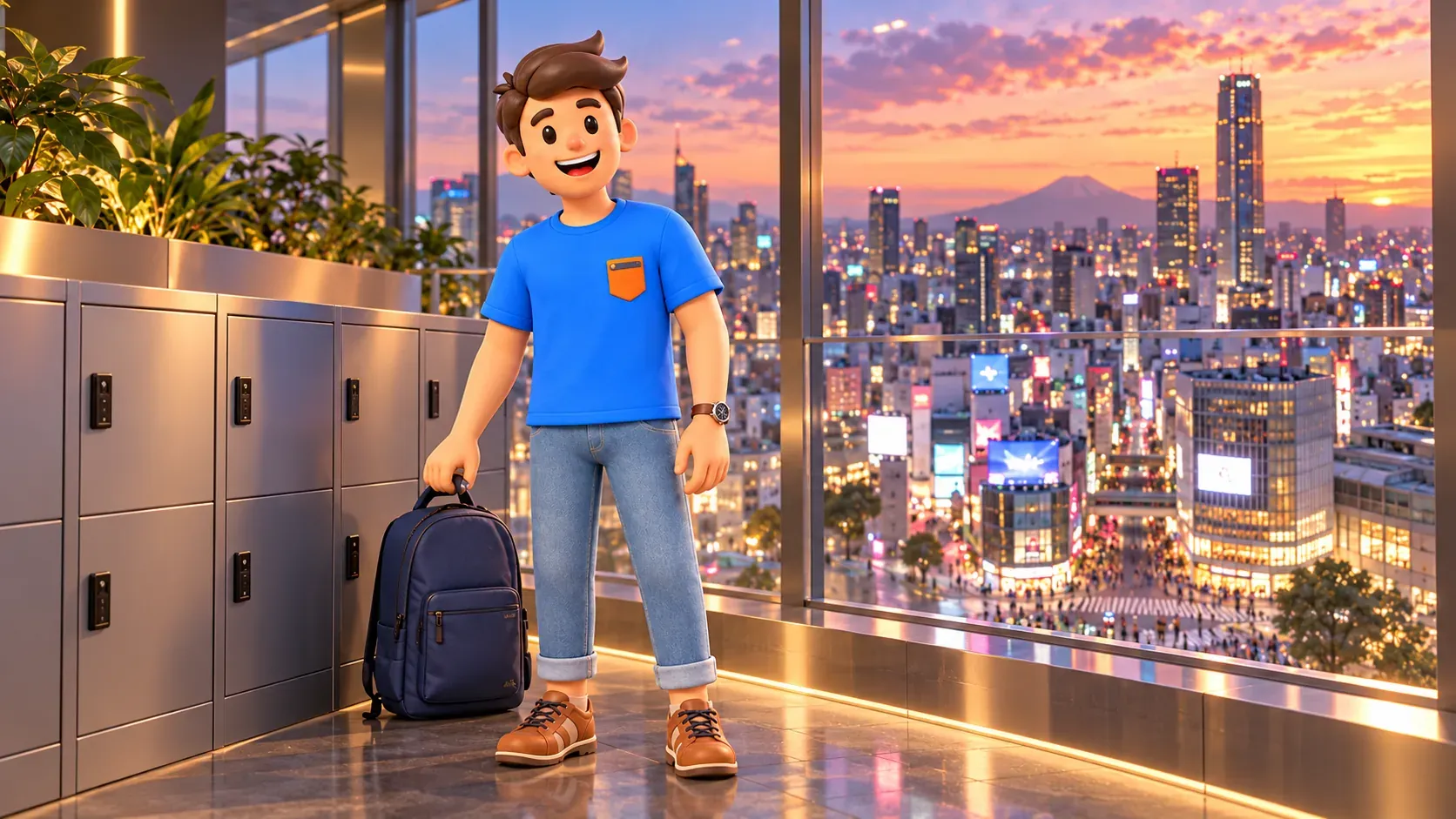
Shibuya Sky is an observation space above Shibuya Scramble Square, with a rooftop about 229 metres above ground. Its distinguishing feature in this comparison is the outdoor experience, not a claim to beat Skytree on height. Open sky, changing air and the surrounding city create a different mood from an enclosed window gallery.
That difference comes with practical limits. The operator may close the rooftop because of strong wind, rain, snow, approaching thunderclouds, extreme heat or other unsafe conditions. An indoor observation area and an accessible outdoor roof are not interchangeable promises. Check the current operating notice and the conditions of your ticket before deciding that a particular evening must revolve around the roof.
Bags, backpacks and pouches are not allowed on the rooftop; belongings that cannot go up must be stored as directed. Tripods, monopods and selfie sticks are also restricted. The operator allows smartphones and certain cameras or binoculars subject to its size or strap conditions. Check the current list rather than assuming that equipment accepted at another lookout will be accepted here.
Large luggage requires special thought before arrival, because the operator asks visitors to store it in surrounding lockers rather than bring it into the facility. Do this before committing to a tight schedule. A rooftop photograph is much easier to enjoy when you are not trying to solve a suitcase problem at the last moment.
Daylight, sunset or night?
Daylight is useful if you want to understand geography, notice rivers and follow the shape of districts. After dark, illuminated roads and clusters of buildings become more prominent while quieter details disappear. Neither is inherently more authentic. Choose the light that matches what you want to observe rather than treating sunset as the only acceptable appointment.
Sunset is a popular compromise because the mood changes during the visit, but its exact time changes with the season. Clouds can make it dramatic or hide it completely. A booking time is an admission arrangement, not a guarantee of clear air, an unobstructed photograph or immediate access to your preferred spot. Allow time for entry procedures and movement within the building.
Do not build your expectations around seeing Mount Fuji. Even when a viewpoint's outlook can include distant mountains, visibility depends on the atmosphere and weather. A worthwhile Tokyo panorama needs to work without that bonus. If distant views matter most, prioritize a clear forecast and flexibility over a rigid desire for one particular hour.
Build the comparison into the day you actually want
For an eastern Tokyo day, Skytree is usually the most coherent of these choices. For Shibuya shopping, architecture or people-watching, Shibuya Sky avoids inserting a cross-city excursion into the middle of the outing. For a quieter cultural walk around Shiba, Tokyo Tower gives the day a recognizable centre. These are geographic planning suggestions, not fixed routes with measured travel times.
Put a meal, rest and the journey to your next commitment into the same plan. The lift ride is only one small part of the visit. Reaching the entrance, storing belongings, passing checks, waiting, looking around and returning to street level all take time. A restaurant reservation elsewhere should not begin immediately after the moment you imagine finishing your last photograph.
If one person dislikes heights, talk about that before buying. An enclosed deck may feel more comfortable to some people, while others find open air easier; neither response can be assumed. Check accessibility, lift arrangements and any relevant conditions directly for the visit you choose. A large observation facility does not automatically answer every individual mobility or sensory need.
For a longer Tokyo stay, use RoadMe to build a personal plan that balances your chosen viewpoint with the museums, neighbourhoods and breaks you enjoy. You can change the stops when your priorities shift.
What to compare before paying
Compare the actual ticket for your chosen date, time and age category, including the levels it covers. Check whether a tour, extra gallery, special event or bundled attraction is included or separate. A headline starting price is not enough to decide which visit is better value for your group. This comparison deliberately leaves exact fares to the current booking screen rather than presenting a changing price as a permanent fact.
Read amendment, cancellation and weather conditions before payment, especially when the open rooftop is your main reason for booking Shibuya Sky. Do not assume that poor visibility creates an automatic refund or that a ticket can be moved because your preferred photograph becomes unlikely. The operator's current terms determine what can actually be changed.
One paid deck is enough for a first impression. Add a second only when you can name what it contributes: enclosed versus outdoor space, daytime versus night, or a very high overview versus closer urban detail. If the answer is merely that another attraction appears on a checklist, spend the remaining time in a district whose streets interest you. The best choice is the view that improves your own Tokyo trip.