Small Madrid museums: Cerralbo, Sorolla or Lázaro Galdiano?
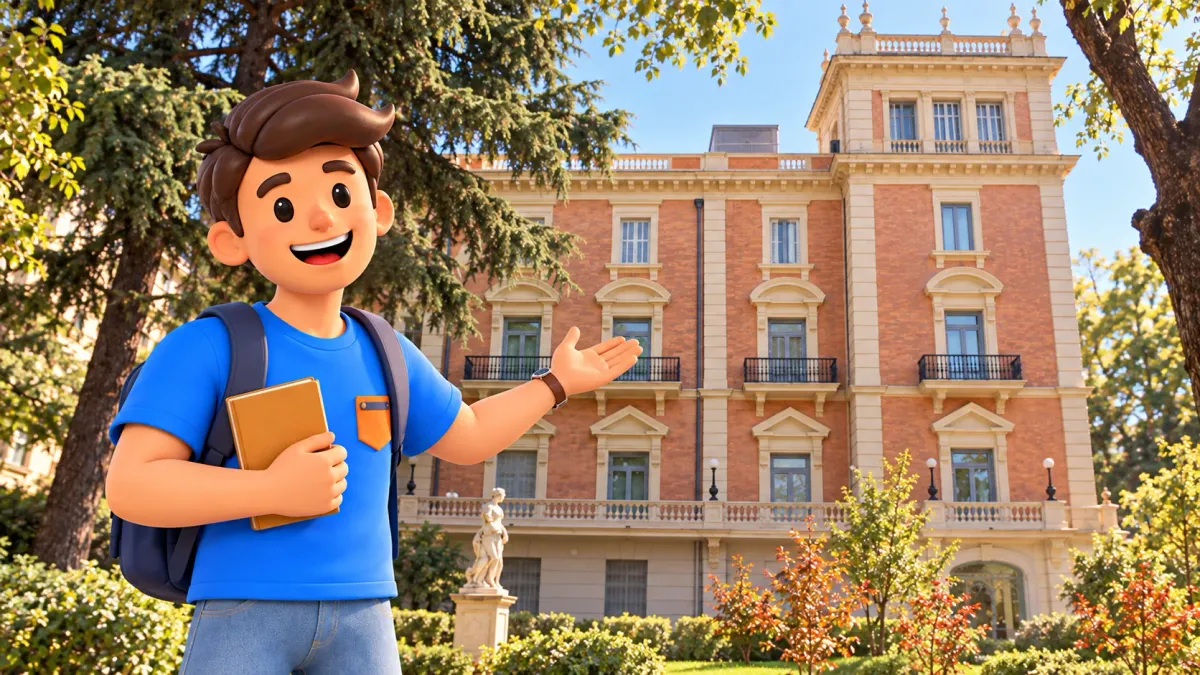
Choose a small Madrid museum for what interests you, rather than a promise to finish everything in an hour. The Cerralbo suits historic interiors; the Lázaro Galdiano offers a varied collection in a former mansion. Sorolla currently needs a distinction: its new extension opened on 15 October 2026, while the historic house and garden remain closed. Allow around three and a half hours for one selected visit, a short neighbourhood look and a break. Travel to the start and your return are additional.
Three different reasons to visit
At the Cerralbo, ask how a late nineteenth-century aristocratic household lived and presented itself. Relationships between objects, walls, light and circulation matter. At the Lázaro Galdiano, follow your curiosity between painting and decorative arts, or between an object’s overall shape and its material. The new Sorolla spaces offer another subject: how an artist’s house changed and how architecture helps explain creative work. These are separate experiences. Choosing one is reasonable even when you have several days in Madrid, and each can provide a satisfying morning without another admission.
It is easier to build this choice into your trip with RoadMe, which develops a personal plan around your interests, dates, pace and budget. Try planning the whole journey in the app so museums, walks and rest form days that suit you without assembling every connection yourself.
Small describes scale, not empty rooms, immediate entry or freedom from fatigue. An intimate setting sometimes demands more attention because many objects sit close together. Decorative richness can become tiring. Choose something you want to investigate before arriving. You need not complete a compulsory trio because guides list the museums together. Leaving room for your own response can make a visit more meaningful than collecting three entrances.
The Cerralbo: an interior tells the story
The Cerralbo Museum stands at Calle Ventura Rodríguez 17, near the Plaza de España area. The palace was home to the seventeenth Marquis of Cerralbo, Enrique de Aguilera y Gamboa, and his family. Construction began in 1883, and the family inaugurated the house in 1893. They acquired collections through travel, antique dealers and auctions. The building was conceived both for living and for collections intended to become a museum. Collecting and domestic space consequently belong to the same story, rather than being unrelated attractions sharing an address.
Instead of searching for the most expensive object, consider how a room creates its effect. Where does a mirror extend space? How does furniture establish distances between people? What does dense hanging do to a wall? Such questions require no specialist training. They reveal taste and social habits beyond an impression of luxury. The ceremonial staircase and ballroom supply useful historical context, but check which spaces are accessible during your visit. A historical plan cannot guarantee that every room is open today or establish a compulsory current circuit.
Following the Marquis’s death in 1922, his collections and part of the building were bequeathed to the state. Acceptance in 1924 and Amelia del Valle’s additional bequest in 1927 represent separate stages. For a first visit, remember the desire to keep a collection together rather than memorising the entire family history. A private wish to live among art became a public place where others could look and ask questions. That transition gives meaning to the density of objects, even when you cannot identify everything surrounding you.
Limited space has practical consequences. The museum states that only around thirty to forty people can be inside the whole building simultaneously, so entry is gradual and queues are possible. Ordinary tickets are not sold in advance. Mandatory lockers for personal belongings also take time. Avoid booking another fixed entrance immediately after your expected finish. If waiting takes longer, shorten the exterior block and retain the museum as the main event. Do not try to recover time by rushing through rooms you came specifically to enjoy.
The Lázaro Galdiano: let objects guide your curiosity
The Lázaro Galdiano Museum occupies Parque Florido at Calle Serrano 122. The residence associated with José Lázaro Galdiano and Paula Florido was inaugurated in 1909; the museum welcomed the public in 1951. Distinguish private life, collecting and museum adaptation. Today’s interiors do not all remain untouched domestic rooms. Parts of the building changed to display collections safely and clearly. Understanding that difference prevents a misleading expectation that every gallery reproduces the owners’ everyday surroundings exactly as they left them.
Choose a material or visual question. What makes a small object expressive: silhouette, shine, ornament or its relationship with the hand? How does a face change between painters? Painting, sculpture, textiles, metalwork and other arts let you move between scales. This approach removes the need to know everything beforehand. Several objects that hold your gaze can become clearer memories than a list of names. Give yourself permission to pass some displays without treating every room as an examination or every unfamiliar term as a failure of preparation.
The holdings include major artists, but check a specific work separately if it is your reason for travelling. Museums lend objects and change displays. A news item on an institution’s own website may concern an exhibition in another city. That matters particularly when a Goya-related headline inspires your visit. Build interest more broadly than one photograph while taking personal expectations seriously. If an essential work is absent, choosing another date is perfectly reasonable; a famous collection does not require you to disregard what you hoped to see.
At the time of checking, the Treasure Chamber is temporarily closed for an installations review. It is therefore not a promised stop. Photography and video are prohibited inside the museum. Concentrate on looking and keep one image in mind for conversation afterwards. The garden is freely accessible during museum hours, except events requiring exclusive use. It can provide a short change of pace, but that is not a promise of a picnic setting or another lengthy programme. Follow its current conditions rather than importing rules from another museum.
Sorolla: the extension is open, the old house is not
Update the familiar image of this museum before planning. Since 15 October 2026, the new building at Calle Zurbano 68 has received visitors. The historic house on Paseo del General Martínez Campos and its garden remain closed for continuing rehabilitation. A morning in the old artist’s rooms followed by the garden fountain is therefore not the current visit. Opening an extension and reopening a house are different events. Compare the experience actually available for your dates, rather than the experience shown in older travel photographs.
The exhibition Tras la casa del artista. Arquitecturas del Museo Sorolla (1905–2026) is announced until 10 January 2027. Paintings, drawings, plans, photographs, letters and archival material explore changes to the house. This is a chance to approach creative surroundings through architecture. Nieto Sobejano Arquitectos designed the extension; Enrique María Repullés y Vargas matters to the original house’s history. Ask how living, working and receiving guests changed one building over time. The temporary subject is broader than looking for a row of familiar seaside paintings.
The museum’s foundation owes much to the painter’s wife, Clotilde García del Castillo. In her 1925 will she bequeathed the house and collections belonging to her for a future museum. The bequest was accepted in 1931, and the museum opened in 1932. This sequence reveals the family’s role in preserving the legacy. Today’s temporary presentation adds a chapter without automatically restoring the entire old display. If the historic house and garden are your particular dream, wait for confirmed reopening of those spaces rather than expecting the extension to supply them.
Current independent admission to the extension is free. Obtain a ticket in person at the ticket office on the day; online admission sales are unavailable. A separate guided service differs from independent entry. The language of this article or a website does not establish a guide’s language. Check the selected programme if spoken interpretation matters. For independent viewing, follow one thread such as a studio window, changing light or the relationship between new and old. Documents can then become a story of decisions rather than an intimidating technical sequence.
A three-and-a-half-hour framework
Keep one museum and a short neighbourhood pause. These are editorial estimates, not timings measured on location. An illustrative 10:00–13:30 outing assumes an ordinary operating day; exceptions override the example. Start counting at the selected museum’s functioning visitor entrance. Your journey from accommodation and return require extra time. This is not a guided-tour duration or immediate-entry promise. Reserve matters particularly at the Cerralbo. If viewing takes less time, there is no obligation to fill the remaining allowance with a second museum.
- 30 minutes: entry and orientation. Ticket office or admission, belongings, waiting and a viewing theme.
- 90 minutes: one selected visit. Cerralbo interiors, part of the Lázaro collection or the extension’s current Sorolla exhibition.
- 25 minutes: short exterior context. Plaza de España’s area, the Lázaro garden if accessible, or streets around Zurbano; never Sorolla’s closed garden.
- 40 minutes: food and rest. Include a short connection to an open business outside the museum.
- 25 minutes: reserve. Slower viewing, queues and an unhurried finish.
Geography helps with the choice. The Cerralbo lies west of the other two addresses, making all three an awkward short walk. Sorolla and Lázaro are closer together, but proximity does not remove another entrance, another visit or fatigue. For a different day nearby, consider our Chamberí walk, checking its separate access conditions. It does not fit automatically inside this three-and-a-half-hour allowance. A useful connection between articles should give you another option rather than quietly expand the outing you have already chosen.
The calendar matters more than museum size
The Cerralbo normally opens Tuesday–Saturday 09:30–15:00, with an additional non-holiday Thursday session 17:00–20:00; Sundays and holidays are 10:00–15:00. Last admission is an hour before closing. The Lázaro Galdiano opens Tuesday–Friday 09:30–15:00 and 16:30–19:30, with Saturday and Sunday 09:30–15:00. Sorolla’s new extension opens Tuesday–Saturday 09:30–20:00 and Sundays and holidays 10:00–15:00. All three close Mondays. Check holiday exceptions and temporary changes before leaving, especially when travelling for a single preferred visit.
Free periods differ. Cerralbo offers Sundays and Thursday evenings subject to its last admission; Lázaro offers Tuesday–Friday 14:00–15:00. Current independent extension admission at Sorolla is free. One free hour cannot contain the ninety-minute viewing block above. Preserve a comfortable first visit rather than squeezing it around a concession. Admission also differs from separately organised services, so check your category and product. A free exhibition entrance does not make every guided experience free or create extra time before closing.
If more than one museum appeals, it is easier to distribute them across days in RoadMe. The app creates a personal trip plan around your interests and pace, giving collections, neighbourhood walks and rest their own time for a rewarding journey without overload.

Take one observation away
After leaving, discuss one discovery: how an interior directed your gaze, why a small object held attention, or what a changing window reveals about an artist’s work. That extends the experience without another ticket. For specific access needs, ask the institution about entry, movement between levels and available services beforehand. Small scale does not establish equal accessibility for every room. If a larger painting collection sounds more appealing, our Prado, Thyssen and Reina Sofía comparison helps choose a separate museum day.