
A rainy day in Amsterdam: one neighbourhood, several places to pause
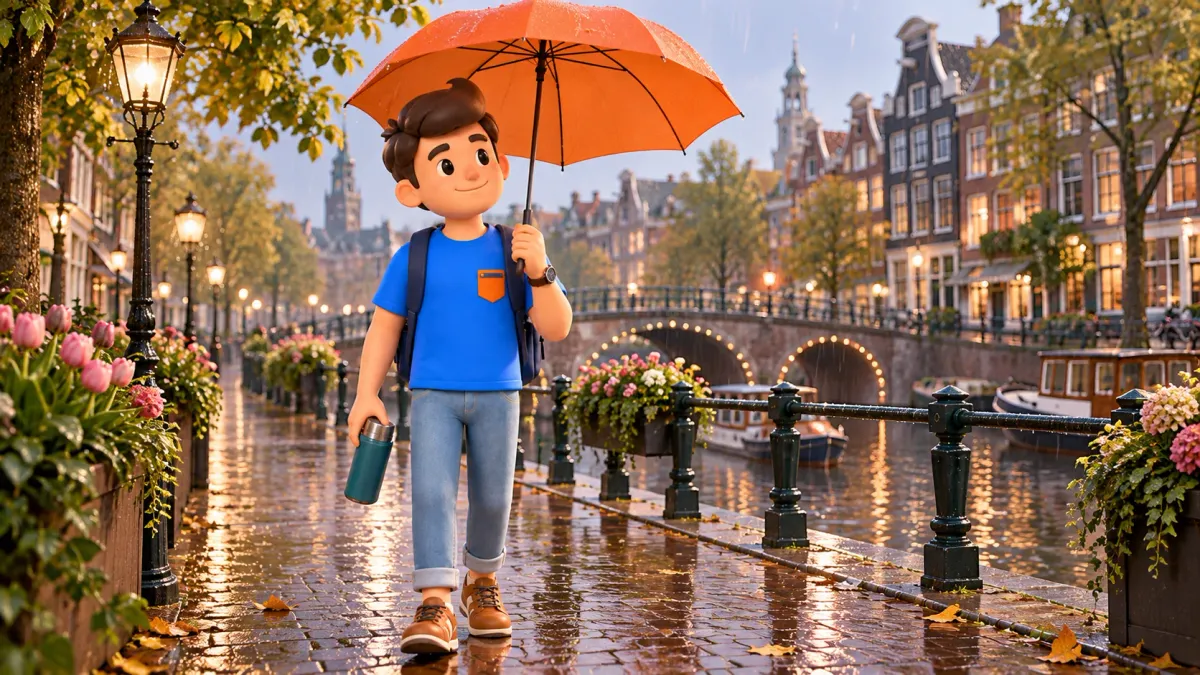
A rainy Amsterdam day can work beautifully within one small part of the canal belt. Choose two nearby Keizersgracht addresses, Museum Van Loon and photography museum Foam, with a warm break between them. Brief outdoor connections preserve the feeling of Amsterdam without sending you across the city between every visit. There is a clear story: first explore domestic life behind a canal façade, then consider how photography changes the way we see. Rain becomes a reason to choose a different pace, rather than a reason to write off the day.
Allow approximately four hours, 11:00–15:00: Museum Van Loon → your own nearby lunch → Foam. The allocation is seventy-five minutes for the house, two ten-minute walking blocks around your selected lunch stop, forty-five minutes for lunch, ninety minutes for photography and ten minutes to finish. These are estimates for independent visits. Arrival and the journey back are extra. Both museums require suitable admission or a valid concession; food is separate too. Compact geography does not mean a continuously covered route. You will still step outside and cross between the canal’s banks.
One neighbourhood, two reasons to look closely
This combination suits an interest in historic interiors and visual art. The subjects are different enough for the second visit to feel like a change rather than a repetition. You do not need professional photography knowledge or a command of Amsterdam family histories. In the house, consider what rooms and belongings reveal about people. At Foam, consider framing, light and the sequence of images. The shared purpose is simply to look more closely than you might during an ordinary outdoor walk.
Try RoadMe for a personalised route or complete trip plan shaped around your interests and pace. The app makes it much easier to organise nearby cultural visits, useful breaks and the other days of your trip as one considered programme.
If only one subject appeals, choose that museum and take a longer lunch. Two admissions are a suggestion for variety, not an obligation. Discuss the choice with anyone travelling with you: one person may prefer domestic history, another contemporary visual ideas. Each can choose a question to bring into the visit and compare impressions later. A wet day does not have to prove how much culture you can consume. A comfortable amount of attention matters more than filling every possible minute with a ticketed stop.
Check opening, payment and stairs
Museum Van Loon is at Keizersgracht 672, normally open daily 10:00–17:00. It closes on New Year’s Day, 25 December and King’s Day, and closes at 15:00 on 24 and 31 December. Check exceptions for your date. Foam stands at Keizersgracht 609, with regular hours daily 10:00–18:00, extended to 21:00 on Thursdays and Fridays. Our daytime plan needs no late opening. The buildings are close but on opposite banks, so use a public bridge rather than looking for a passage through private properties.
Foam’s exhibitions change, so read the current programme before buying. It recommends advance booking while also welcoming visitors without a reservation. Selecting a date helps apply the correct ticket price. Foam also published notices about building upgrades in 2026: check current information on works, available rooms and visitor routes. Do not treat an old closure notice as proof that it is closed on your chosen day. The purpose is to understand what your visit will actually include, instead of expecting a fixed exhibition from another traveller’s older photographs.
Both museums take card payments on site. Prepare a payment method available to you rather than relying on cash at the desk. Consider physical access as well: Museum Van Loon warns about stairs and thresholds, while Foam’s historic building is not fully wheelchair accessible. Contact them before booking if those conditions matter to your visit. A short distance outdoors does not make the complete outing step-free. Suitable footwear and a way to manage wet belongings will also make entering small indoor spaces less awkward.
11:00: inside a canal house at Museum Van Loon
Give the house about seventy-five minutes, until 12:15. It has connections with several periods and residents. Designed by Adriaen Dortsman in 1672, it was first occupied by painter Ferdinand Bol, a pupil of Rembrandt. The Van Loon family arrived much later, in 1884, and the museum opened to the public in 1973. These dates prevent an appealing but inaccurate assumption that one family always owned the building or that every room remains exactly as it was in its construction year.
Choose three things to notice: the arrangement of rooms, everyday objects and images of people. See how a window affects the sense of depth, how a portrait contributes to a wall and why some belongings occupy prominent positions. You do not have to memorise every name and material. One room properly observed may stay with you longer than a complete list of spaces. With a companion, each silently choose a detail before explaining why it attracted you. The house then becomes a conversation rather than only information to read.
The property includes a garden and coach house, but a rainy itinerary need not require lingering outdoors. Follow the available visitor route and respond to the weather. Looking from an accessible interior may help you understand the connection with the space behind the house without taking a long garden walk. Treat the objects as museum collections, following instructions and leaving historic furniture for viewing. The point is to understand domestic life through its surroundings, rather than literally recreate it by sitting wherever a preserved room looks comfortable.
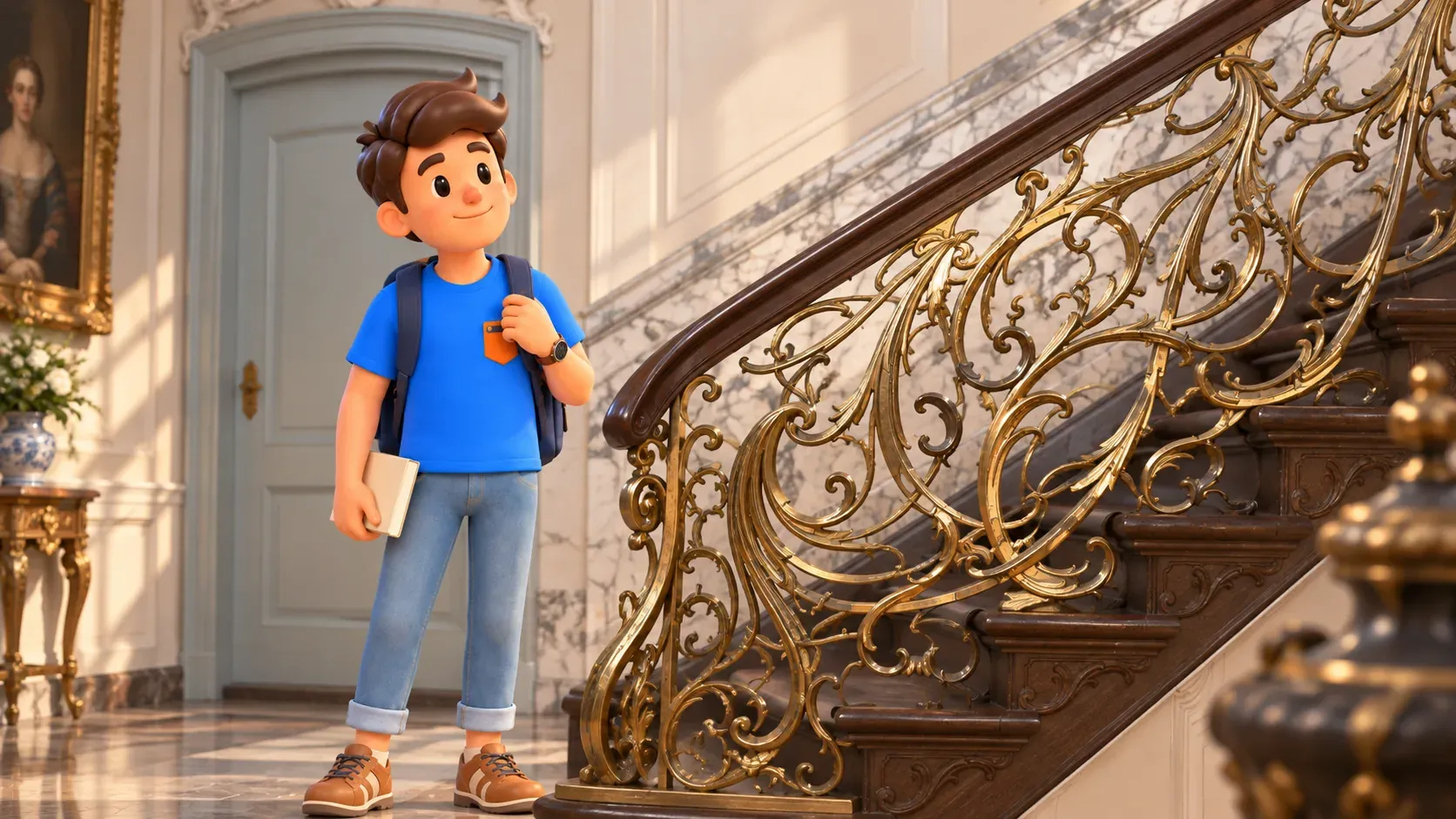
Rain outside offers a simple observation: compare the grey daylight with colours inside, and notice its direction alongside artificial lighting. That is an invitation to look, not a guarantee of a particular atmosphere in a named room. Season and time change the effect. Save the separate canal walk with Museum Van Loon for a drier day if you want more of the neighbourhood. You do not need to append that full outdoor route today; the house has already supplied the first part of this itinerary’s story.
12:15: a short connection and a warm lunch
The main practical question is a suitable break rather than transport. Allow 12:15–12:25 for leaving and reaching somewhere you have selected nearby, followed by lunch from 12:25 to 13:10. This is your own arrangement, not a guaranteed table at a named café. Keep it within the same small area or the benefit of the compact plan disappears. If seating or food takes longer, shift the later schedule instead of turning the meal into a race to meet an illustrative timetable.
The break need not be another attraction. Warmth, a proper seat and a rest from looking are valuable enough. You might discuss what seemed personal in the house and what appeared designed to impress, or talk about something entirely different. Coffee and cake do not automatically equal the lunch you need, and not every museum café offers a full menu. Choose food around actual needs rather than only an attractive window photograph. The second museum will be more enjoyable after a useful pause than after pushing on while hungry and damp.

Allow another ten minutes, 13:10–13:20, to reach Foam, enter and organise your belongings. The direct museum connection is very short; these two walking allowances include your selected lunch detour and unhurried movement in rain. They do not imply twenty minutes of continuous walking between the museum doors. Use current crossings, watch for bicycles and fold your umbrella before entering. Leave doorways clear. A few attentive minutes outdoors are preferable to searching for an unsuitable shortcut through a private entrance merely to keep the route perfectly straight.
13:20: photography at Foam
Reserve around ninety minutes, until 14:50. Foam is a photography museum with changing exhibitions, so select a current show rather than expecting an artist from an old guide. After the house, shift from objects within rooms to choices within images. What lies inside the frame and what has been excluded? Why are particular photographs displayed together? Does the size of a print change how far away you want to stand? Such questions offer a way in without requiring advance knowledge of photographers’ names or artistic movements.
Begin with several works that attract your attention before reading the accompanying context. Compare your first impression with what the text adds. You do not have to find one correct interpretation immediately. Sometimes connections between neighbouring images matter; sometimes the difference matters more. Look at a sequence as a whole before returning to one picture. That makes the exhibition an active experience rather than a checklist of rooms. It also leaves space to choose what deserves your attention after an already substantial first part of the day.
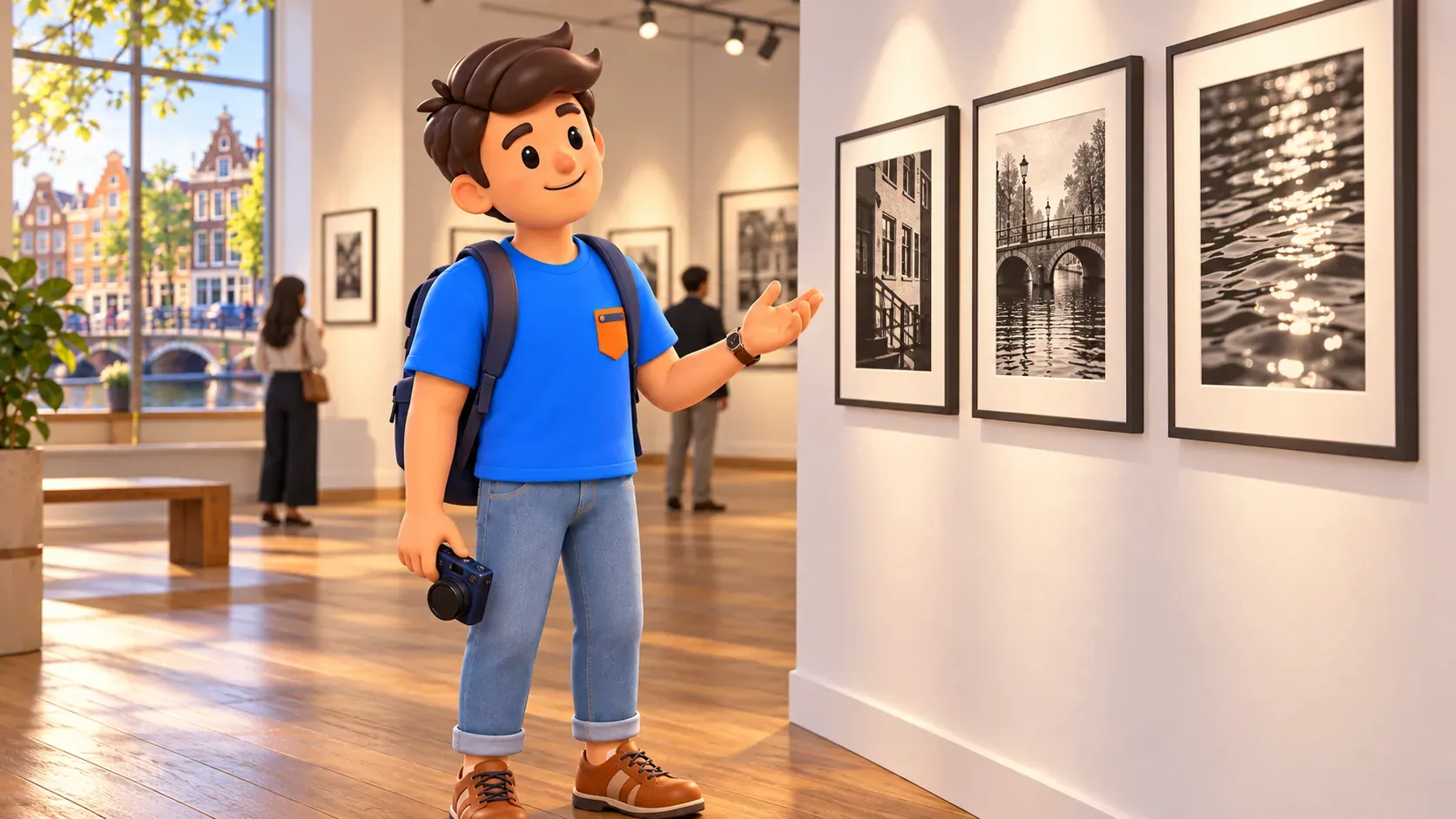
Being in a photography museum is not automatic permission to photograph every work. Follow the rules in the galleries and staff instructions. You can remember an exhibition title or note a thought after leaving if that is easier than repeatedly taking out a phone. A professional camera is unnecessary; it does not make looking more attentive by itself. Notice why a particular image stopped you. If a show feels difficult or does not match your taste, choose one approachable idea and finish calmly instead of forcing yourself to admire every picture equally.
Finish around 15:00 and choose what comes next
The final ten minutes, 14:50–15:00, are for leaving and deciding on your continuation. Travel back to accommodation or onward transport is extra. If rain eases, you might look at the canal briefly, but this is a free choice rather than a compulsory long finale. If tired, finish here. Families drawn to practical experiments can choose the separate day built around NEMO instead of this pairing. Adding it after two museums would create a different, much fuller day and take you away from this compact canal neighbourhood.
For the whole trip, try a personalised plan in RoadMe that reflects your interests and preferred pace. It is a more convenient way to distribute intimate museums, walks and rest across your days, giving a wet afternoon a comfortable and meaningful continuation too.
Before setting out, check both museum calendars, Foam’s available programme, the tickets you need and your lunch choice. Then leave room to linger with one interior or photographic sequence, change the meal’s duration or finish earlier. A good rainy itinerary does not have to be a heroic victory over weather. It offers several hours with few long transfers, distinct impressions and a pause between them. Amsterdam becomes visible through what its canal houses preserve and exhibit, as well as through the wet façades outside. That perspective is enough to give the day its own value.


