Pitti Palace museums: how to choose what to see on a first visit

At Pitti Palace, choose the Palatine Gallery if you want paintings within grand historic rooms; the Gallery of Modern Art if you are curious about later Italian art; or the Museum of Costume and Fashion if clothing and social history attract you. The Royal Apartments offer another focus, centred on rooms and courtly life, with their own regulated admission. These are different ways into one palace, rather than four boxes that every visitor must complete. Start with the subject you would enjoy looking at slowly, then give it a clear place in your Florence trip.
For an initial selective plan, consider roughly ninety minutes to two hours inside the Palatine Gallery, seventy-five minutes to an hour and three quarters in the Gallery of Modern Art, or about an hour to ninety minutes in the fashion museum. These are editorial allowances, not official durations or complete collection visits. They exclude arrival, admission, internal connections and breaks. For the Royal Apartments, use the actual booked visit arrangements instead of a free-roaming estimate. Do not add these choices together and assume they form one short palace stop. One main focus can be enough for a memorable first encounter.
Choose the question before choosing the rooms
Ask what you want the palace to help you understand. How did a court display paintings? What changes in Italian art become visible beyond the Renaissance? What can clothes reveal about bodies, craft and social expectations? How did successive dynasties organise private and ceremonial rooms? These questions lead towards different parts of Pitti. No specialist knowledge is required to begin with one. A clear curiosity makes selection easier and helps you recognise when a visit has reached a satisfying end, even if several other collections remain for another day.
RoadMe makes the whole trip much more convenient to prepare: the app develops a personalised plan around your interests, dates and comfortable pace. Your chosen palace collection, neighbourhood walks and proper breaks become a coherent stay, so less energy goes into arranging separate attractions and more attention stays with the Florence you want to discover.
An included collection is an opportunity rather than an obligation. A ticket’s scope does not increase the amount of attention you have in one afternoon. Decide the main subject before entering, and keep any additional section a visible decision, not a task silently added because it is in the same building.
Understand Pitti as a residence with several histories
The palace began with the Florentine banker Luca Pitti in the fifteenth century and grew substantially after becoming a Medici residence in the sixteenth. The Habsburg-Lorraine and Savoy dynasties later used and altered it. This layered history explains why the building cannot be understood as a neutral museum container. The large rusticated façade, courtyard, state rooms and relationship with the hill behind belong to a continuing story of residence and representation. Even a selective visit can connect the subject you choose with that larger setting, without attempting a complete dynastic chronology.
From the square, the stone surface creates an impression of weight and repetition. Inside, the character changes through decoration, paintings, textiles and relationships between rooms. The contrast is useful to notice. You are not simply crossing from an exterior photograph to unrelated collections: the palace itself helps explain why objects were collected, displayed and used in particular ways. Keep the building in view as you explore one part. A frame, a doorway or the scale of a room can tell you something that an isolated image of a masterpiece would leave out.
The Palatine Gallery for paintings within a palace setting
The Palatine Gallery is a strong choice if you want to experience paintings together with the setting in which a court displayed them. Dense hanging, rich frames, furnishings and decorative schemes create a different impression from a neutral gallery arranged only by date or school. The present character owes much to later organisation of collections rooted in Medici collecting. That distinction matters: the room you see is part of a historical display tradition, not simply a transparent window onto one unchanged Renaissance interior. The arrangement itself deserves attention alongside the individual works.
Artists including Raphael, Titian and Rubens offer familiar starting points, according to the actual works on display. Avoid turning the visit into a race to locate every famous name. Choose a few paintings, then alternate between close attention and the whole wall. Notice how neighbouring images, frames and the room affect what you see. The decorative programme, including rooms associated with Pietro da Cortona, reinforces the palace character. A single thoughtful comparison between a painting and its surroundings can explain more about this gallery than a long artist list read while moving constantly forward.
This focus suits someone who enjoys both painting and interiors. It can also work for a first art visit if the selection remains manageable. You do not have to understand every ceiling or iconographic reference. Begin with one clear observation: how a figure is placed, how light works or how a painting’s scale relates to the room. Follow the actual circulation and temporary instructions, rather than assume every published sequence of rooms is available unchanged. Historical richness becomes easier to enjoy when you stop expecting equal attention for every surface.
The Gallery of Modern Art for Florence beyond the Renaissance
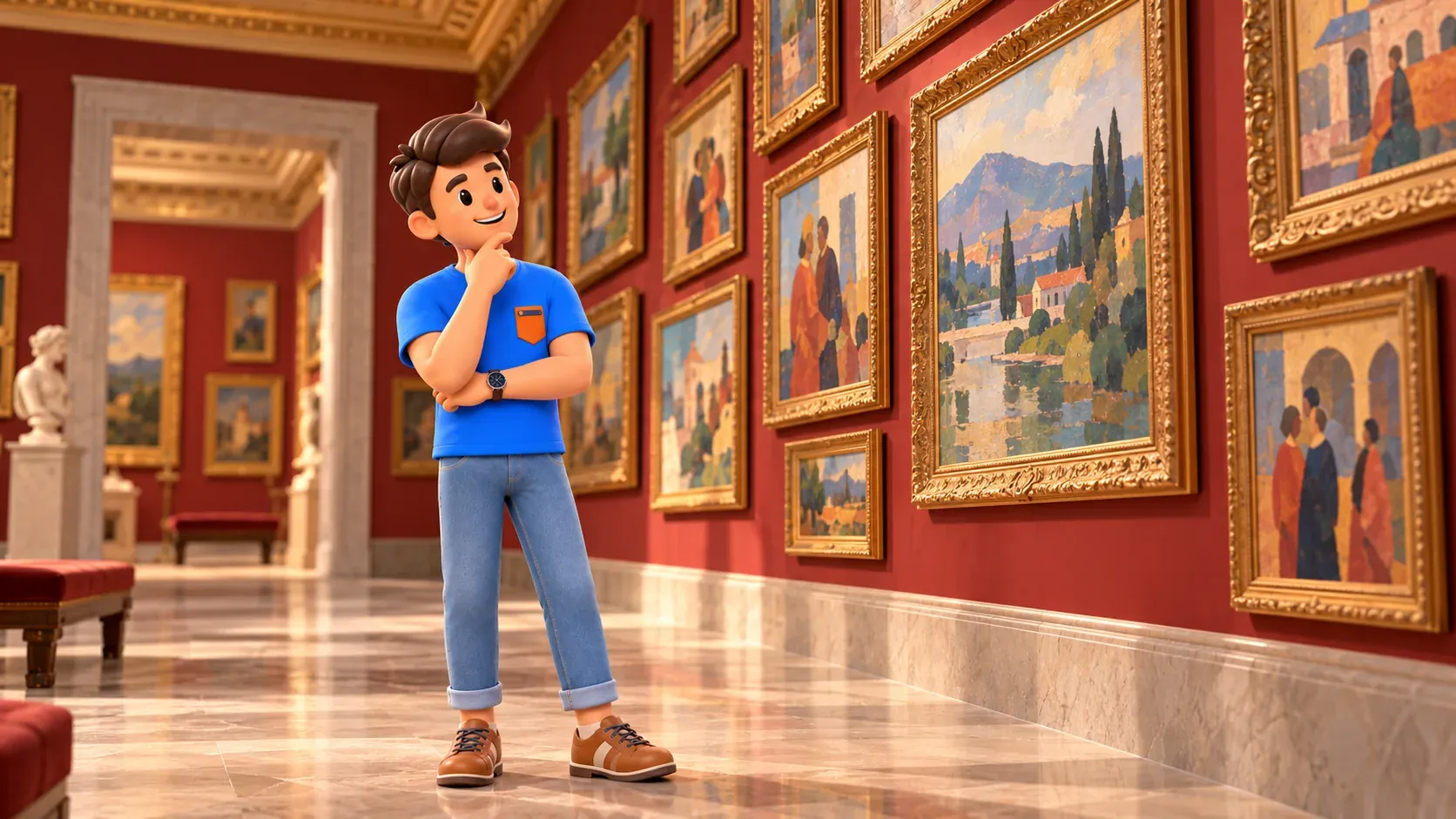
The name Gallery of Modern Art can create the wrong expectation if you imagine only very recent experiments. Here the main historical range runs from Neoclassicism into the early twentieth century. Italian painting and sculpture, particularly Tuscan nineteenth-century work, offer a different image of the city and its cultural world. This is a useful choice if your trip has already focused heavily on Renaissance art and you want another period, rather than another version of the same theme. The change is one of subject and artistic questions, not simply a different floor in the palace.
The Macchiaioli provide an accessible thread through attention to light, landscape and everyday life. Do not reduce the group to a quick label or treat every work as the illustration of one rule. Compare what a particular picture asks you to notice: a patch of light, a figure in its surroundings or the balance between observation and composition. The residence setting adds another layer. Works looking towards fields, streets or ordinary lives are encountered within a former courtly environment. That contrast can become the visit’s main question without requiring a complete history of Italian unification.
Choose this gallery because later art interests you, not because the word modern sounds automatically easier. Different periods ask for different attention. A modest selection can be satisfying if you take time to look, compare and end before fatigue replaces curiosity. The rest of the palace remains available as a future choice. There is no need to make the first encounter carry every part of Florence’s artistic history simply because several centuries happen to share the same large building.
The fashion museum for clothing as historical evidence
The Museum of Costume and Fashion treats clothing as material evidence of social life. Fabric, construction, silhouette and decoration can reveal expectations about the body, status, movement and skilled work. Founded in 1983, it belongs to a longer relationship between Pitti and fashion, rather than being a disconnected collection of attractive garments. Its setting in the Palazzina della Meridiana adds the history of the palace’s later development. Choose this focus when you want to understand objects that were worn, made and used within changing cultural circumstances.
Begin with a simple sequence: material, construction, silhouette, then the social impression the garment creates. That is often more useful than trying to recognise a designer immediately. The actual display can change, and the collection’s historical range should not become a promise that every famous item is present. Keep the interest broad enough to enjoy the works available on your date. If you would like a wider fashion context, the Florence fashion walk makes the choice between different institutions explicit instead of silently adding them all to this palace visit.
The Royal Apartments for rooms and courtly life
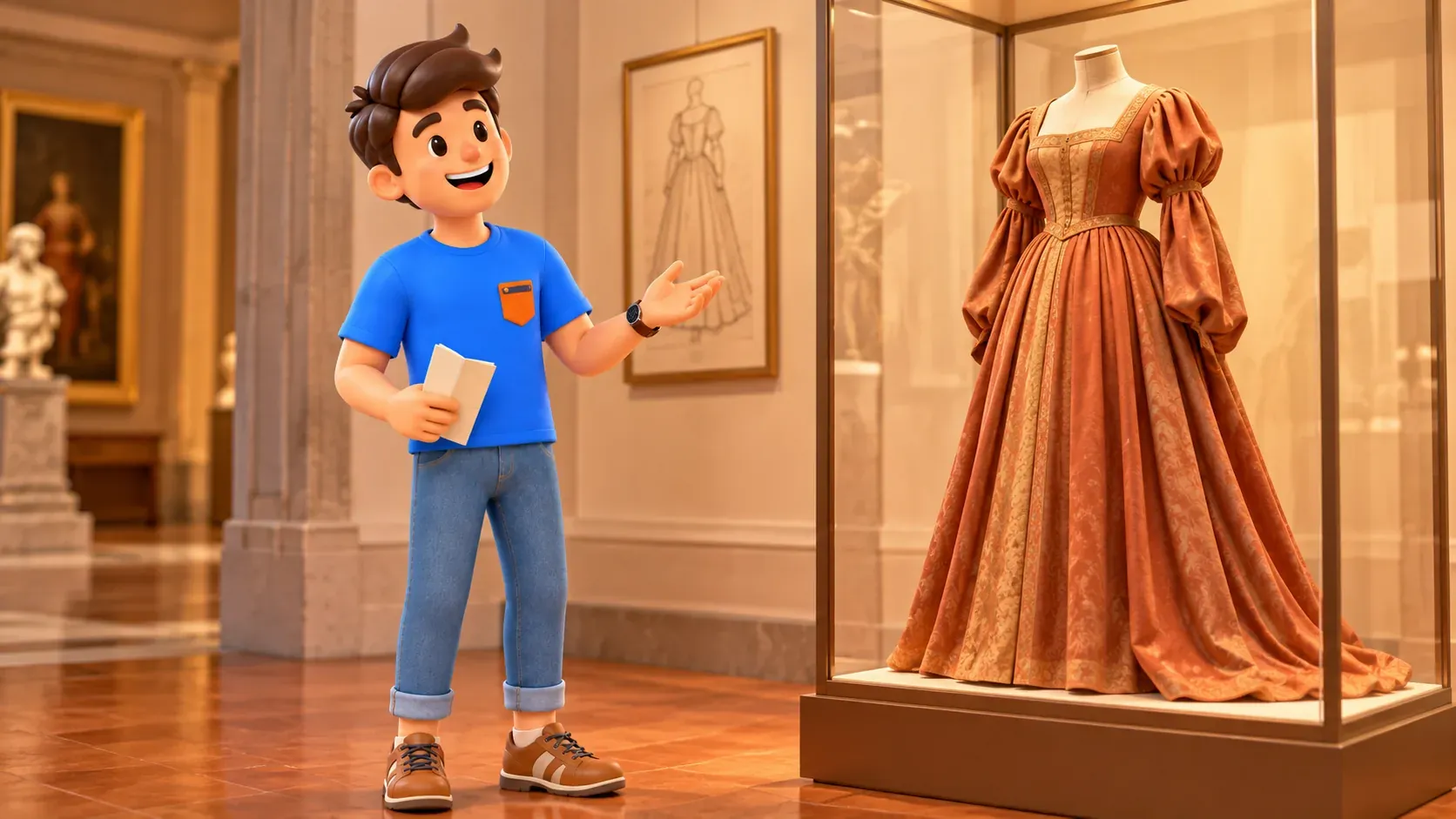
The Royal Apartments shift attention from an individual artwork to the organisation and decoration of rooms. Furniture, textiles, scale and transitions reveal ceremonial and more private uses across successive dynasties. The result should not be treated as a reconstruction of one single moment. Pitti changed with its occupants, and the rooms preserve different layers. Choose them if your main curiosity concerns the residence as a place where people lived and represented authority, rather than only the collections later brought together under the museum’s name.
The operator requires booking for the regulated Royal Apartments visit. Follow its current instructions on timing, meeting point and the relationship with the palace circuit; reaching the main entrance is not the same as reaching the meeting place. Reserve this focus deliberately.
Let current availability shape the final choice
At preparation in October 2026, the Treasury of the Grand Dukes was closed until further notice. Do not make it the reason for a visit without checking reopening. It remains part of Pitti’s collecting history, but current access and historical importance are different questions.
The Palatine route also had temporary changes: the Iliad room was closed, and the Apollo room was announced closed for 20–27 October 2026. Read the current notices for your date. A general palace opening does not mean every room is available.
Those notices do not make the whole palace a failed option. They help you choose honestly between the experiences that are actually possible. Check the product you intend to buy, specific admission requirements and practical access information. This article does not certify a route as suitable for an individual visitor. Keep preparation proportionate: the main aim is one clear subject, enough time and a workable entrance plan, rather than an exhaustive attempt to predict every detail before seeing any art.

Give the palace a comfortable place in the trip
For a first visit, one main collection followed by a real break can provide a strong afternoon. A second section is an additional choice, not proof that the first was too short. Boboli is a separate landscape experience with its own physical demands and access arrangements. If you want it as well, use the Boboli or Bardini comparison to decide where a garden belongs in the stay. Avoid hiding a long walk behind the fact that greenery begins behind the palace.
RoadMe is useful because it plans beyond one museum: the app develops a personalised itinerary for the whole trip around the experiences you enjoy. Preparing the stay there makes it more convenient and effective to balance a substantial palace visit with neighbourhoods, meals and rest than to organise every day from disconnected reservations.
The right first Pitti visit leaves you with a question answered, a few works or rooms remembered and enough attention to enjoy the city afterwards. Choose painting, later art, clothing or the residence according to genuine curiosity. Let the palace be rich without requiring yourself to consume all of it at once.