N Seoul Tower or Seoul Sky: which view should you choose?

Choose N Seoul Tower for a panorama combined with Namsan’s hill, trees and a walk above central Seoul. Choose Seoul Sky for a very high viewpoint inside a modern skyscraper, the Han’s geometry and Jamsil’s scale. Both show Seoul, but they create different views and different days. For a first trip, one is often enough: a suitable location and time matter more than checking off two observatories in the same evening.
N Seoul Tower stands on a hill, so terrain, approach and tower form the experience together. Seoul Sky occupies the upper floors of Lotte World Tower in Jamsil, concentrating attention on vertical ascent and substantial height. Do not compare only metres. Building height, a particular viewing level and elevation above sea level are different measurements. Convenience also depends on the rest of your day and how you want to reach the view.
A short comparison by experience
For a green urban half-day, Namsan makes sense. For a day in Jamsil focused on modern architecture and metropolitan scale, Seoul Sky is the easier fit. If sunset matters, choose one and allow time for approach, admission and queues. Moving between towers will not create a second identical sunset. It is more likely to consume time you could have spent by a window or on a permitted path watching light change.
Choose an observatory within your whole trip more conveniently with RoadMe: the app fully develops a personal plan around your interests, dates and pace. Views, museums, neighbourhoods and rest become a coherent programme that helps you use time in Seoul more effectively.
| Question | N Seoul Tower | Seoul Sky |
|---|---|---|
| Main setting | Hill, central Seoul and a city symbol | Skyscraper, river and Jamsil’s scale |
| Before the view | Namsan approach, bus or separate cable car | Subway approach and tall-building entrance |
| Allow time for | Terrain and park surroundings | Admission, lifts and several viewing spaces |
| A natural addition | A selected short park section | A relaxed part of a Jamsil day |
| Ticket boundary | Observatory separate from cable car | Ordinary viewing separate from SkyBridge |
This compares experiences rather than declaring an absolute winner. Visibility, waiting and approach convenience vary. One traveller values the green journey itself; another wants less extra walking before a lift. Consider the rest of the holiday too. Several long walking days may make a compact district-based option appealing, while many indoor visits may instead create a desire for time on Namsan. Your existing programme gives the comparison a useful context.
N Seoul Tower: see the city through its hill
Namsan’s tower began with communications: television and radio broadcasting used its elevated position. It opened to the public in 1980 and became a recognisable Seoul symbol. Unlike a conventional skyscraper, it does not repeat homes or offices up its whole height. A slender shaft supports the observation volume and transmission structure, making the visible form closely related to engineering purpose rather than simply to the number of usable floors.
The structure itself stands around 237 metres high. Its hill adds a landscape position without making it a five-hundred-metre building. Look for relationships between the historic centre, terrain, mountains and river rather than only individual attraction addresses. Join familiar streets into a larger picture. A panorama can explain why districts occupy particular places and how natural boundaries affect the feeling of distance, connecting a previous street walk with the city’s wider arrangement.
Outdoor surroundings and the paid observatory are separate parts of a visit. Permitted Namsan paths already have value, but they do not promise precisely the same view as the tower’s interior. Decide whether you want the ascent itself or chiefly park and outdoor perspectives. This helps avoid buying a service by habit or treating the whole hill as merely a queue for a lift, missing the meaningful journey before the entrance.
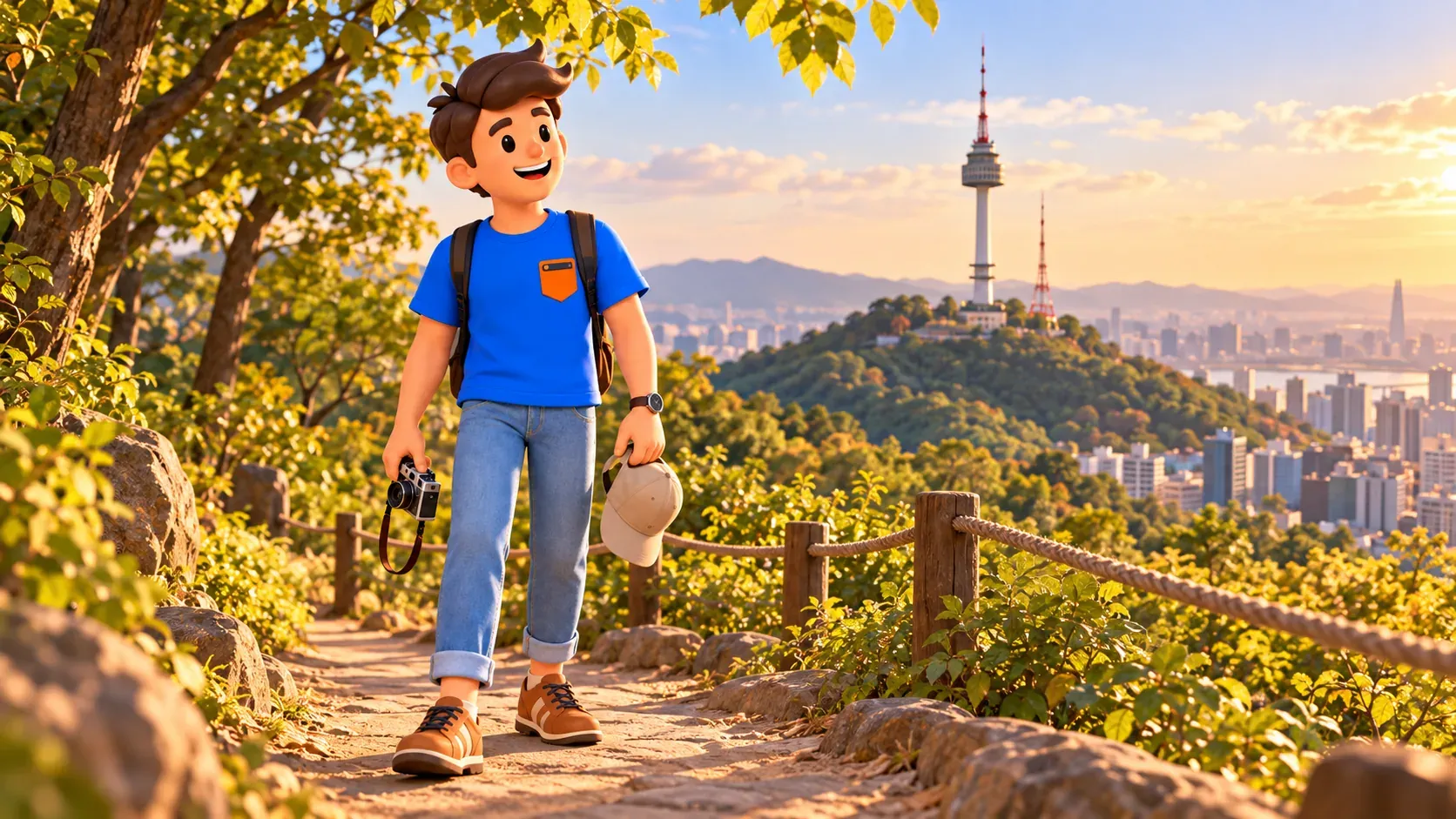
The Namsan approach belongs in the plan
Ordinary car access on Namsan is restricted. Do not assume a taxi can drop you at the tower door. The operator lists circulation buses 01A and 01B, with subway references at Chungmuro on Lines 3 and 4 and Dongguk University on Line 3. Check the current stop and direction. Bus, walking route and cable car are alternative approach choices; they should not automatically become one compulsory combined transport sequence.
The cable car’s lower station is approached from the Myeongdong side, and the ride is paid separately from observatory admission. Namsan Ormi, the inclined lift, is another connection rather than a direct summit lift or the cable car itself. Mention of a free short inclined lift does not mean a free complete route into the tower. Choose a clear chain beforehand instead of untangling several similar names only after arriving.
Allow roughly two and a half to four hours from your selected local approach for tower and a modest park section, excluding travel from accommodation. This is an editorial estimate shaped by walking and waiting. A longer uphill walk or cable-car queue changes it. If avoiding particular stairs or prolonged gradients matters, check the actual route rather than treating proximity to the centre or the existence of transport as a guarantee for every remaining metre.
Seoul Sky: read a city of several centres
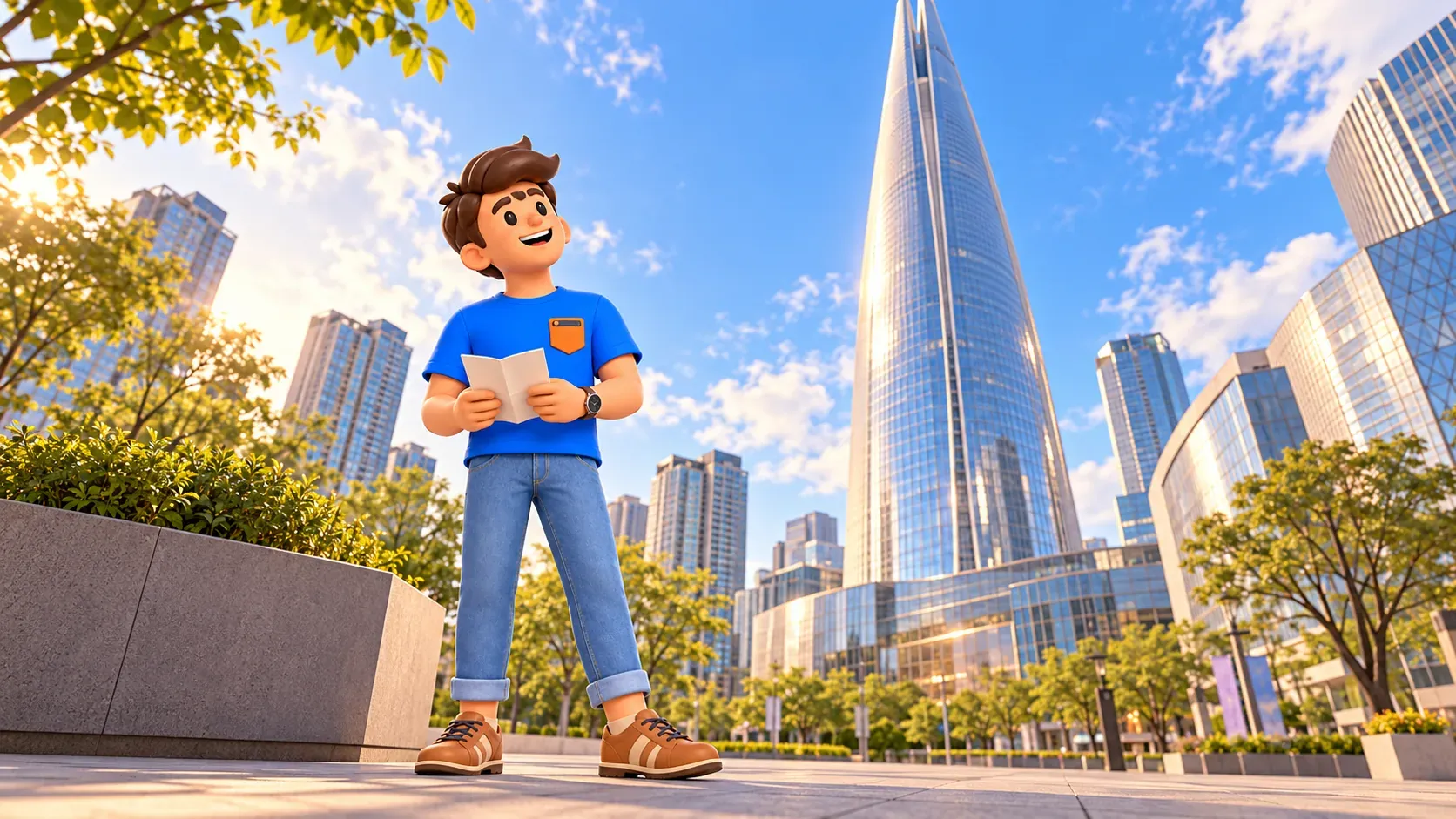
Lotte World Tower opened in 2017. Designed by Kohn Pedersen Fox, the 555-metre building’s tapering form became a major southeastern landmark. Seoul Sky occupies floors 117–123, several successive viewing spaces rather than one open point at the tip. Total building height does not mean every ordinary visitor stands on a roof at 555 metres or can independently walk around the exterior structure. The distinction matters when deciding what an admission ticket actually provides.
From Jamsil, Seoul appears as a system of multiple centres. The Han links a broad panorama, bridges become lines, and dense development forms large district patterns. Nearby surroundings and distant mountains operate at different scales. Start with one identifiable reference, then broaden your gaze. Height becomes a way to understand the city rather than simply a reason to compare how many metres sit below your feet at another popular observation deck.
Jamsil on Lines 2 and 8 is the main transport reference. Find the Seoul Sky visitor entrance within the complex rather than any shopping entrance. Allow an estimated two to three hours for local approach, admission procedures, lifts, viewing and departure; add the journey from accommodation. This is not a promise of no queues. A busy date, convenient evening slot and personal pace can extend the visit even when you already hold a ticket.
The glass floor and SkyBridge are different
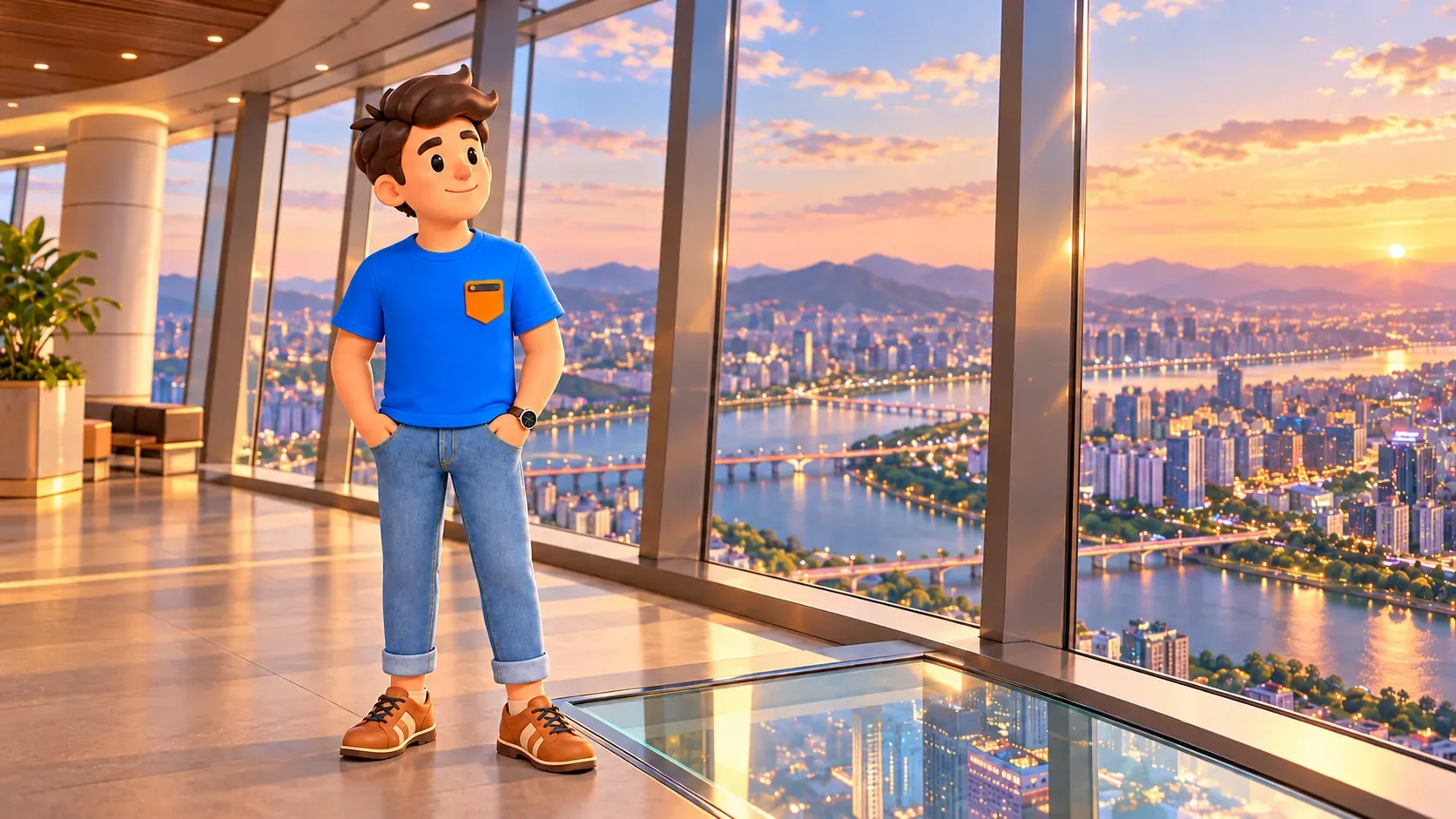
Sky Deck’s glass floor invites a downward look as well as a distant view. It changes perception of the drop but need not become a compulsory test for everyone. Ordinary window viewing already reveals scale. If transparent flooring does not appeal, choose a comfortable way to look without turning the trip into a demand to prove courage or reproduce a pose seen online. The experience remains a panorama rather than a personal performance.
SkyBridge is a separate organised outdoor programme at substantial height, with its own restrictions, operating arrangements and ticket. It is not the ordinary glass floor and does not automatically come with general observatory admission. This article compares two observatories rather than an exterior bridge activity. If SkyBridge is your aim, check its separate conditions and season. Do not treat an ordinary ticket as confirmation of entry to that different experience or its specialist equipment.
Daylight, sunset or city lights
Daylight makes terrain, river and district directions easier to read. After lights appear, transport lines and development patterns become stronger, while some natural details disappear. The transition is interesting itself. Allow a buffer before the desired light, considering season and queues. An evening ticket does not guarantee reaching a particular window at the exact sunset minute or receiving identical atmospheric clarity on every date, however well the original programme was arranged.
Haze, clouds and reflections affect both places. Height does not remove weather, and glazing adds interior reflections at night. Try a slightly different window position and several directions. Do not promise yourself a perfectly sharp entire city at one moment. Sometimes closer views and light are more rewarding than a distant horizon, especially when you recognise a district from a recent walk and can relate its ground-level scale to the view from above.
Hours and ticket boundaries
N Seoul Tower’s general observatory hours are 10:00–22:30 on weekdays and until 23:00 on weekends and holidays, with new admission ending thirty minutes before closing. Cable car and restaurant hours are separate. Seoul Sky’s generally published hours are 10:30–22:00 Sunday–Thursday and until 23:00 Friday–Saturday. Check special changes and the conditions of your selected ticket for the particular date. One venue’s closing time cannot stand in for all associated transport or dining services.
Compare the contents of a purchase: observatory, approach transport, restaurant, exterior programme and combination offer are not one service. A prominent promotional figure means little without understanding the included parts. Keep the current confirmation and follow the operator’s entry rules. Do not assume transfer or refund conditions for poor visibility. Wanting a clear horizon does not by itself establish a refund entitlement or the right to use another observatory instead of the one selected.
Make the final choice
Ask three questions: do you want a park component, where does the day already take place, and do you prefer Namsan’s recognisable symbol or Jamsil’s very high perspective? Then retain one main slot and a clear return. An ordinary quiet pause after viewing is useful. Another observatory is optional: a panorama connects better with exploring the city on foot when there is time to absorb the relationship rather than immediately make another transfer.
Bring these decisions into a convenient holiday with RoadMe: the app fully develops a personal trip plan around your interests and preferred rhythm. High views, walks, cultural stops and rest receive a thoughtful place across the days, helping you use time more effectively.
Namsan works as hill, city symbol and journey towards a panorama; Seoul Sky offers a high view of metropolitan Seoul’s larger structure. Neither has to replace the other in every respect. For one day, however, choosing one creates a more complete impression than comparing them in a rush. Leave time to look, recognise familiar places and return without feeling that the whole evening passed only in queues and transfers between competing viewpoints.