First time in Marseille: how many days to stay and where to begin

For a first visit to Marseille, three full days make a useful starting point: one for the historic waterfront, one for another side of the city, and one experience chosen around your interests. Two days suit a city break; four or five leave more room for an island outing or a Calanques hike. These are planning suggestions, rather than a rule about how long the city deserves.
The more important choice is what kind of Marseille you want to meet. A morning among the lanes of Le Panier, a substantial museum visit and a day on an exposed coastal trail ask for different energy and preparation. Start with that distinction and the itinerary becomes much easier to arrange.
Decide what your trip should feel like
Before choosing sights, name two things that would make the visit worthwhile. They might be Mediterranean history and time beside the water, architecture and neighbourhood life, or walking and a boat journey. Put those interests ahead of a long checklist. You can still recognise the city’s famous landmarks without turning every one into an appointment.
Then choose a realistic daily rhythm. A morning walk, lunch and one afternoon visit already form a full day when you include travelling, looking around and resting. Someone who enjoys galleries may happily spend much longer indoors; another traveller may prefer a short cultural stop and a long waterfront pause. Both are sensible ways to visit.
It is much more convenient to turn these priorities into a personal trip plan with RoadMe: the app builds an itinerary around your interests, dates and pace. Try it when you want the days worked out for you, with more time to enjoy the city.
Choose between one day, a weekend and a longer stay
With one full day, stay mainly around the Old Port and the northern waterfront. Le Panier and the area around Mucem give the day a clear geographical focus. Choose either a substantial indoor visit or a longer walk. Adding Longchamp, the southern beaches and a boat excursion would turn an introduction into a sequence of transfers.
For two days, keep that central day and add a contrasting one: Notre-Dame de la Garde with part of the southern waterfront, for example. With three days, give the extra day its own purpose. Longchamp and a museum suit a cultural visit; a Frioul outing suits someone drawn to sea views and island walking.
Four or five days make it easier to include a separate nature day, contemporary architecture or a quieter neighbourhood. Leave some of that extra time unassigned. The difference is not simply a larger number of sights: it is the freedom to wait for better conditions, linger somewhere interesting and finish a day before you are exhausted.
Begin at the Old Port and read the shape of the city
The Old Port is a practical first reference point. Spend a little time looking across the water before moving on: the two sides of the harbour, the entrance towards the sea and the hill crowned by Notre-Dame de la Garde help explain the city’s layout. This initial pause is more useful than immediately chasing the next photograph.
A workable first walk follows the northern quays towards the town hall, then turns into Le Panier. Continue towards La Major and the waterfront around Mucem if your energy and the available time allow. This is a sequence of areas, not an instruction to enter every building. A proper museum visit changes the balance of the whole day.
The harbour also helps make sense of Marseille’s history. Maritime exchange shaped the city long before its present waterfront appearance. Keeping that relationship in mind connects churches, warehouses, public buildings and museum collections: they become parts of a working port city rather than unrelated monuments.

Give Le Panier time at neighbourhood scale
Le Panier rewards a slower pace. Its interest lies partly in the spaces between named sights: changes in level, small squares, shutters, doorways and the relationship between lanes and the waterfront below. Avoid treating it as a shortcut between the town hall and Mucem. Choose a few anchors and allow yourself to notice the streets around them.
Place de Lenche, Place des Moulins and the Vieille Charité can provide that structure. The last is a useful example of a building with several lives: an institution associated with assistance to the poor became an important cultural ensemble. A courtyard pause and an exhibition visit are different choices, so decide how deeply you want to go.
There are slopes and steps in the old neighbourhood. If these would make the day tiring, reduce the number of uphill diversions rather than assuming that a short distance on a map means an effortless walk. A shorter route with time to sit can give you a much clearer memory of the district.
Pick one cultural visit that answers your curiosity
Mucem suits an interest in Mediterranean societies and the connections between them. Its waterfront building and relationship with Fort Saint-Jean also make it relevant to architecture lovers. Keep exhibition time separate from time spent exploring the surrounding ensemble; seeing the exterior does not mean you have visited the collections.
The Marseille History Museum offers another starting point: the development of the city itself, closely connected to the archaeological remains of the ancient harbour. At Longchamp, the Museum of Fine Arts and the Natural History Museum suggest two different afternoons. Choosing one gives you space to absorb what you see instead of moving through rooms just to keep a timetable.
Cosquer Méditerranée is a different sort of experience again: a reconstruction associated with the prehistoric cave, rather than public access to the original underwater site. That distinction matters when choosing a family activity or deciding what interests you. Read the format of the visit before comparing it with a conventional museum.
Look beyond the central waterfront
Longchamp makes a useful contrast to the harbour. The palace-like ensemble, fountain and park invite you to think about water in a city facing the sea. Its monumental design commemorates the arrival of water from the Durance through the Marseille canal. You do not need a long technical account to appreciate why that achievement received such a theatrical setting.
For a southern day, choose between a hill, a coastal walk and a substantial architectural visit. Notre-Dame de la Garde provides a strong citywide viewpoint, but the climb deserves its own energy allowance. The Corniche and Vallon des Auffes offer another relationship with the sea. These experiences can complement each other without requiring every section to be walked.
Le Corbusier’s Unité d’Habitation offers a more focused architectural outing, with the nearby Jardin de la Magalone providing a change of pace. It remains a residential building, so an exterior look, an authorised tour and a visit to an art space must not be treated as interchangeable or automatically available.

Treat islands and Calanques as separate decisions
An excursion to Château d’If is organised around a crossing and a particular monument. A Frioul day is more about the island landscape and choosing how far to walk. Decide which experience you want before trying to combine them. The sailing timetable, weather and your actual time ashore matter more than how close the islands appear on a screen.
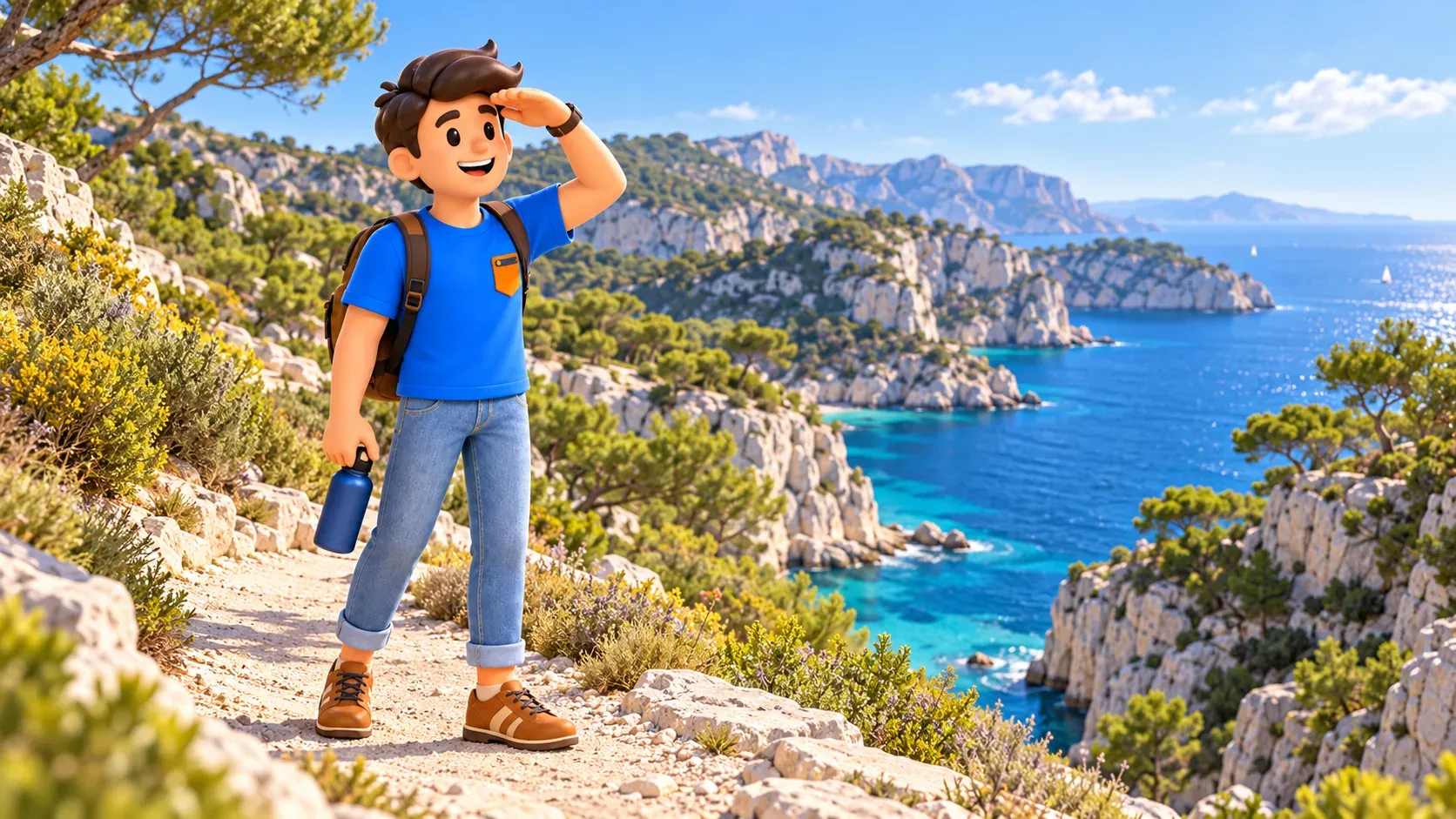
The Calanques need a different kind of preparation. Sormiou, Morgiou and Sugiton are not interchangeable stops on a convenient coastal circuit. Each has its own approach and demands. At Sugiton, the viewpoint and the descent to the cove are distinct choices; reaching a panoramic lookout is not the same outing as continuing down to the water.
Check the national park’s applicable access rules and fire-risk closures before setting out. Access to Sugiton is subject to reservation during designated periods. A booking does not override an official closure. Carry appropriate footwear, sufficient water and sun protection, and keep a city alternative available instead of making the hike the only possible plan.
Group your interests without filling every hour
Build each day around one area and one main experience. Le Panier and the northern waterfront form a natural central grouping. Longchamp deserves its own cultural block. An excursion on the southern side of the city can focus on modern architecture or on parks and the coast, rather than shuttling repeatedly back to the harbour.
Leave a proper lunch break and a useful gap before any timed admission. Journey planning should include the approach from a stop or station, not just the main transport leg. If a day already contains a hill or an exposed island walk, make the next part less demanding. The aim is to preserve attention as well as energy.
Keep optional places genuinely optional. A short list of alternatives helps when a museum is closed or you discover that you would rather stay by the sea. It stops being helpful when every alternative is silently added to the same day. Choose what replaces the original idea and let the rest wait.
For a trip that brings together neighbourhoods, museums and time by the sea, RoadMe makes the planning more convenient by shaping a personal itinerary around what you enjoy. You can focus on the experiences you want while the app puts the programme together.
Make weather and practical arrangements work for you
In hot weather, place longer outdoor walks earlier and use an indoor visit or a substantial rest during the hottest part of the day. In rain, choose a museum and a short nearby walk rather than several scattered stops. Strong wind may change boat services and make exposed waterfront areas unpleasant even when the sky looks inviting.
Confirm the particular things that can determine your day: a crossing and return service, a guided visit, a timed museum experience or a restricted nature outing. Check the actual institution’s calendar before fixing the order. A general statement that a place is open does not establish that every exhibition, roof or interior can be entered.
For the first evening, keep the programme simple. Return to an area you already recognise, have dinner without another long transfer and decide what you most want from the next day. Marseille becomes easier to understand when your plans have room to respond to the place in front of you.
A first-visit plan you can make your own
Start by writing three lines: how many full days you have, the two interests that matter most, and any limits on walking or long days. Choose the central introduction first. Add a contrasting city day next, then reserve any extra day for a clearly defined museum, island or nature experience. Arrange the visits that need advance planning around that framework.
For a balanced three-day stay, this might mean the Old Port and Le Panier first, Longchamp or the southern waterfront second, and a single chosen outing third. For a shorter stay, remove the outing; for a longer one, add breathing space before adding attractions. You will leave with a coherent experience of Marseille, and plenty of reasons to return.