Florence in the heat: a lighter day with time to enjoy the city
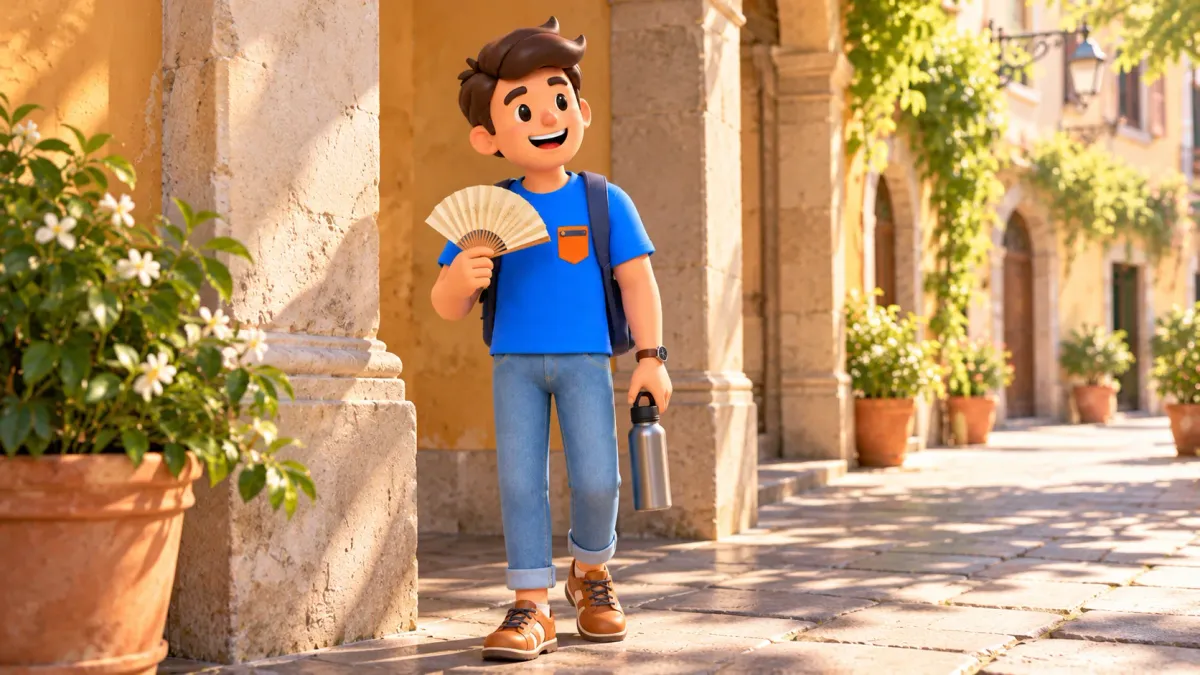
In hot weather, build a Florence day around a smaller area, a modest outdoor walk and one substantial visit that genuinely interests you. Leave a real interval for rest instead of filling every gap with another attraction. The central squares, a museum collection and a later local stroll can still create a meaningful day when you stop demanding a complete crossing of the city. This is a planning approach, not a fixed hourly schedule or a promise that all interiors are cool. Let the actual conditions and your comfort determine how much of the outline you use.
A useful starting pattern is a short outdoor segment when conditions suit, one selected indoor focus and a separate pause. Around the centre, the Bargello or Museo Galileo offer different subjects; near Santa Maria Novella, the church complex or Museo Novecento create other options. Choose one area rather than combine them all. Confirm actual opening and entry arrangements before setting out. A smaller day can still contain art, history and everyday Florence. Its quality depends on attention and a workable rhythm, not the number of bridges, hills or palace doors reached before evening.
Reduce the geography before reducing the interest
Look first at the shape of the day on the map. Repeatedly crossing the Arno, returning to the cathedral between visits or adding a hill after a museum can create more outdoor movement than the individual attractions suggest. Instead, choose a neighbourhood that already supports something you want to understand. A short route with one clear subject usually works better than a chain of unrelated highlights. You can preserve curiosity while reducing distance. This also makes it easier to change the remaining plan if the real weather or the group’s energy differs from what you expected.
RoadMe makes the whole stay much more convenient to prepare: the app develops a personalised itinerary around your interests, dates and comfortable pace. A selected visit, nearby walks and genuine breaks become a coherent trip plan, so less effort goes into arranging separate attractions and more attention stays with Florence.
Give a short outdoor walk a clear purpose
A modest local walk can still offer a strong introduction. Near the cathedral, look at the relationship between different parts of the ensemble rather than assume a climb is compulsory. Around Piazza della Signoria, notice how the civic palace, open square and sculptural setting create a public space. These are subjects that can be approached selectively, with an ending chosen according to conditions. A square may be exposed, and nearby streets are not guaranteed shade. Keep the outdoor section flexible instead of turning a brief idea into a list that must be completed.
One observation can be enough: the contrast between a rough palace wall and a marble façade, the way an opening frames another building or the relationship between an object and the place around it. This keeps the walk meaningful without requiring a full survey of every point. Resist the temptation to add a famous landmark simply because it lies a little farther on. The extra distance, standing time and return are real parts of the outing. A complete city stay does not need to be compressed into one particularly warm day.
For a cathedral-area alternative without climbing, the ground-level Duomo walk gives the ensemble a different context. Use its scope selectively only when the conditions and your available time fit. It is not a promise that the entire route is shaded or suitable in every temperature. A published itinerary remains a framework to understand, not a reason to ignore the actual situation. Keep a clear return or next indoor appointment rather than wander indefinitely because the historic centre looks compact.
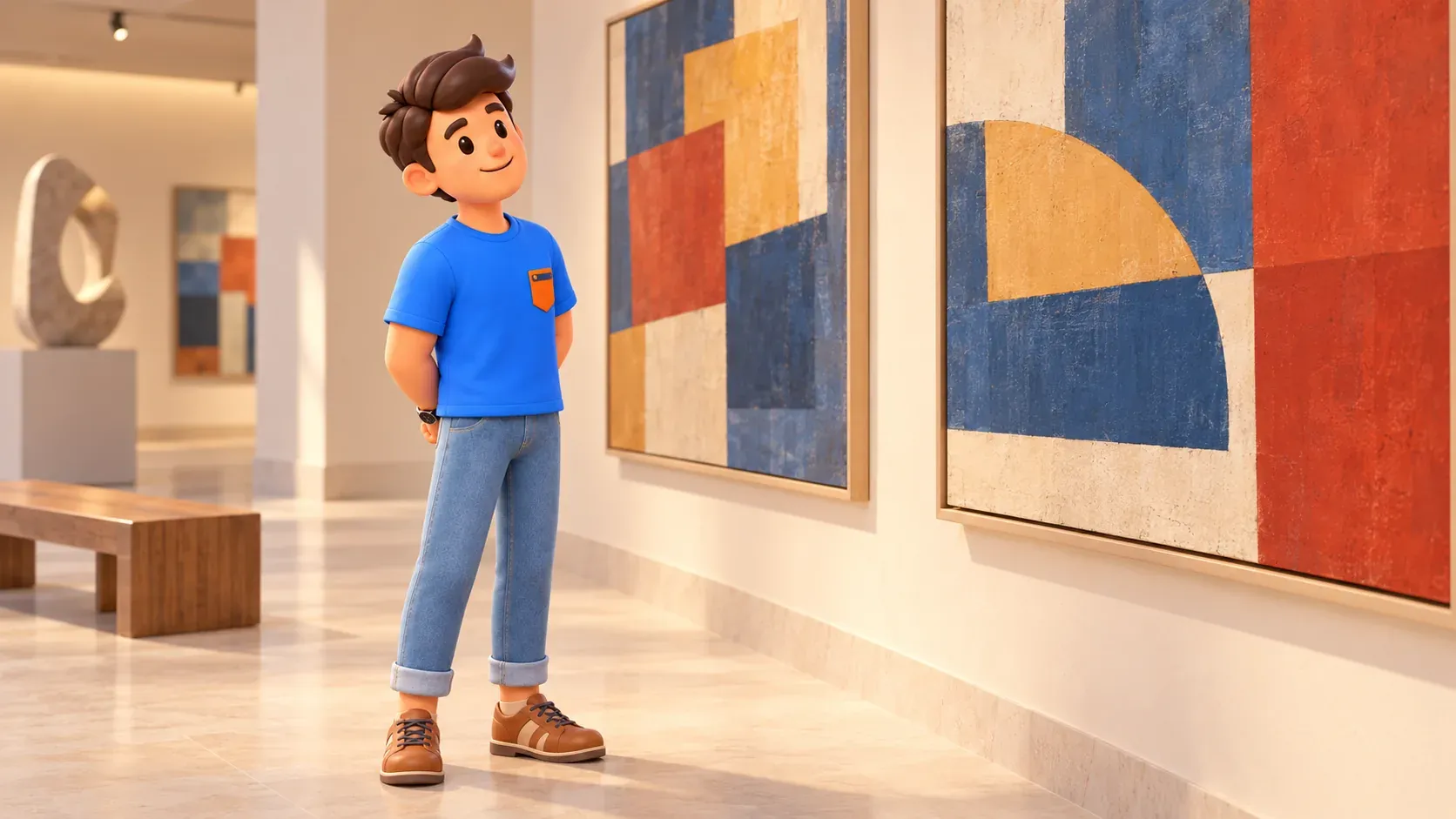
Choose one interior for its subject, not an assumed temperature
An indoor visit can give the day a different pace, but historic buildings should not be treated as guaranteed air-conditioned refuges. Confirm practical arrangements where comfort is important. The city’s 2026 heat measures included partial changes to some museum routes during red alerts. Check current notices for your date rather than assume every room remains available because the institution is generally open. That is a planning condition, not a forecast for your trip. The useful aim is a visit you want and can actually make, with enough room around it to remain pleasant.
The Bargello suits an interest in sculpture and the relationship between art and a medieval civic building. Donatello, Verrocchio, Michelangelo and other names belong to a collection whose setting has its own history of government, justice and museum use. Select a few works or one comparison of material and space instead of trying to cover everything. The courtyard is part of that setting, but its presence does not guarantee shade or comfortable conditions throughout the complex. Keep the actual accessible rooms and your chosen question at the centre of the plan.
Museo Galileo provides another subject through historical scientific instruments. Medici and Lorraine collecting connects craftsmanship with measurement, observation and experiment. Rather than identify every device, ask what task one instrument was made to address. A telescope, globe or model can become a way to understand a particular kind of knowledge. This approach keeps the visit accessible without assuming that everything is interactive or may be handled. Choose science because it attracts you, then consider any further walking separately. The museum’s position near the Arno does not automatically add a long riverside outing to the day.
Near Santa Maria Novella, choose a different artistic focus
Santa Maria Novella offers architecture, painting and the history of a religious community within one complex. The building developed through several periods, with Alberti’s façade creating a different relationship to its medieval fabric. Works associated with Giotto, Masaccio and Ghirlandaio provide several ways to look, depending on what is available. You can select a modest thread instead of demand equal attention for every chapel. Respect the living religious setting and the current visitor arrangements. Courtyards and connections can be exposed, so the word complex does not describe one uniformly enclosed or cool interior.
Museo Novecento is the alternative when later art interests you. Its twentieth- and twenty-first-century focus in the former Leopoldine hospital connects an older building with a different cultural life. The actual programme matters more than assuming every work associated with the collections is displayed. Choose a few pieces and compare how they address form, subject or modern experience. A new period can refresh the artistic conversation after several Renaissance visits, but it remains a real museum visit requiring attention. Do not add it automatically after another large complex simply because both face the same square.
These are alternatives within a sensible area, not a requirement to spend the hottest part of every day moving between museums. A single confirmed visit and a real pause can be enough. If a particular subject does not appeal, another activity or a longer rest is a legitimate choice. The point of adapting the day is to enjoy the trip more, rather than replace outdoor pressure with an equally demanding indoor checklist. Keep the selected theme and the group’s actual wishes more important than the maximum possible ticket use.

Use green spaces as landscapes, without promising continuous cool
A park can provide another kind of city experience, but green on a map does not certify uninterrupted shade, a comfortable temperature or suitable access. Cascine is a substantial landscape along the river, developed from a Medici agricultural estate and later transformed into public space. Its scale is part of the interest and also part of the decision. Choose a modest portion if conditions suit, rather than turn its long paths into a compulsory crossing. The park can have a place in a longer stay without becoming the automatic replacement for every exposed central street.
The Giardino dell’Orticoltura offers a different history of nineteenth-century horticulture and public display. Its Roster tepidarium, opened in 1880, is an important iron-and-glass structure. A glasshouse is not a promise of a cool interior or of open access during your visit. Changes of level also belong to the garden’s character. Look at the landscape and the building as historical subjects, then check actual routes and opening arrangements. A smaller green space does not remove the need to consider the journey there and the return to the rest of your plans.
If gardens are a main interest, the Boboli or Bardini comparison helps choose a landscape experience. Neither should be added as an effortless cooling stop after a large museum. They involve slopes, open areas and their own admission conditions. It may be more enjoyable to give one garden another day when the actual conditions suit it. Choosing the right time for an interest preserves it; it does not mean the interest has been abandoned. The whole trip offers more flexibility than a single afternoon’s list suggests.
Make rest an actual part of the itinerary
A pause needs time and a usable place, not simply the word break written between two bookings. Choose an operating venue that matches your needs and budget, or an appropriate public space under its current arrangements. A café table, a seat in a library or a particular garden corner cannot be guaranteed by this article. Allow the walk there and the return. Avoid treating eating or sitting as something that must happen while moving to the next attraction. A trip can feel very different when rest has a real place rather than whatever minutes remain after everything else.
Florence also publishes information about municipal climate shelters and a map. Use the current list to locate an appropriate nearby option and check its availability. Do not assume any place named in a blog belongs to that network or operates under identical conditions.
RoadMe helps because it plans beyond one attraction: the app develops a personalised itinerary for the whole trip around the experiences and pace you enjoy. Preparing the stay there makes it more convenient and effective to balance culture, neighbourhoods and proper rest than to rebuild each day from unrelated bookings.
Leave the evening as a choice, not a repayment
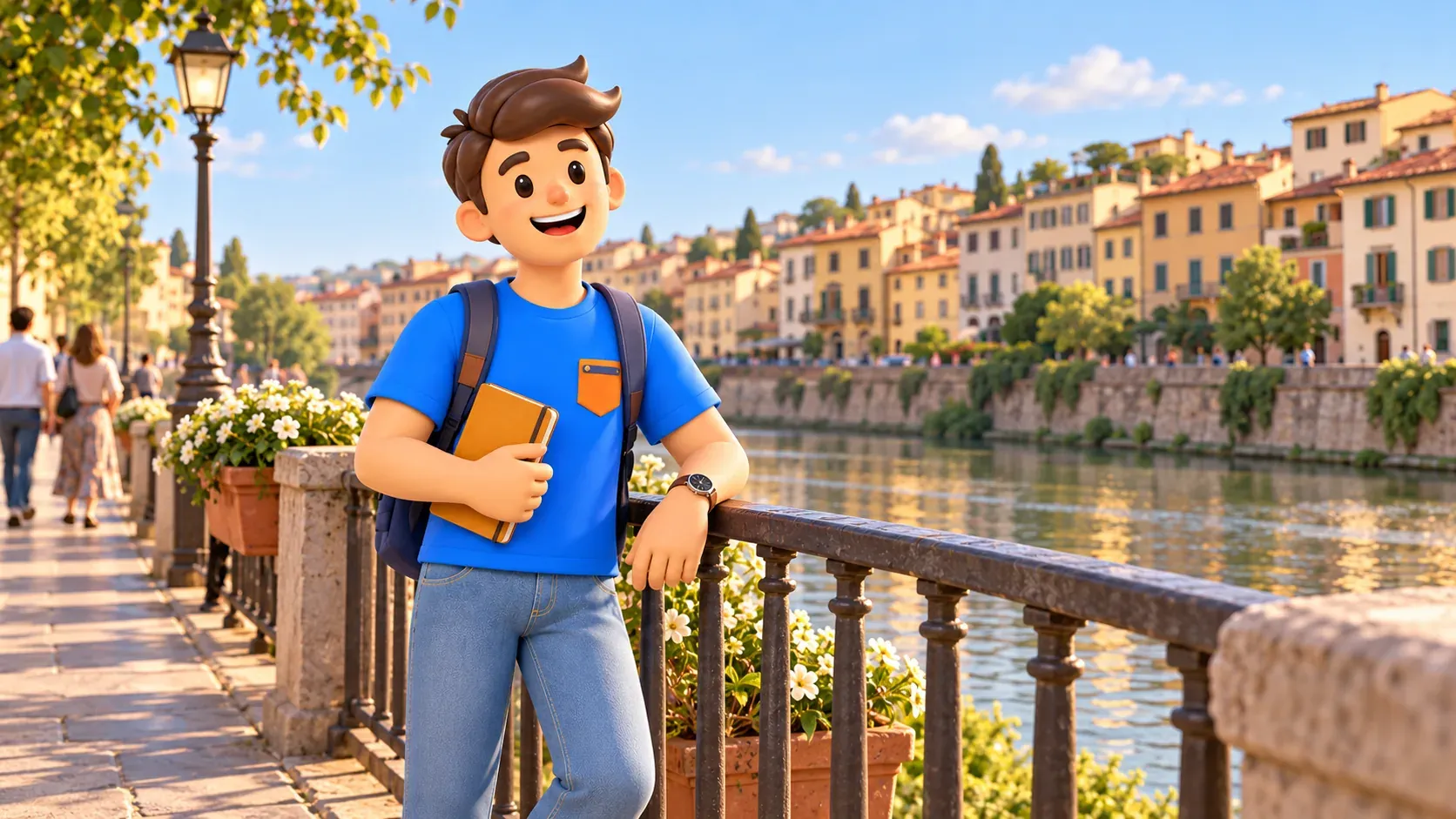
A later local stroll can be pleasant when conditions and energy allow, but do not treat the evening as repayment for every place omitted earlier. One neighbourhood, a modest meal interval and a short view of the river may be enough. Actual sunset and the changing weather depend on the date; no particular coolness or empty street is promised. Keep the return simple and choose whether to continue after you know how the day has felt. A lighter morning does not create an obligation to make the evening exhausting.
Before setting out, confirm the chosen visit, the practical entry and the plan for rest and return. Follow current local heat notices and operator instructions, and adjust the outline to your circumstances rather than a fixed number of attractions. This article is a city-planning guide, not an individual assessment of suitability. The most useful result is a Florence day with a clear interest, fewer unnecessary transitions and enough attention to enjoy what you choose. Let the wider trip hold the remaining places, so one hot day does not have to contain the entire city.