How to plan paid visits in Barcelona and still have time for the city

Paid visits let you experience Barcelona from inside: explore a Gaudí residential building, encounter a collection or hear music in a historic hall. Yet a dense chain of tickets can leave little time for the city itself. Between two admission slots, the walk, lunch and chance to discuss what you saw can disappear.
Begin with one main experience for the day, then add the journey, a break and a modest continuation without another compulsory entry. This is a useful starting principle, not a ban on a second museum. Casa Milà, the Picasso Museum and the Palau provide examples of choosing a suitable format and protecting free time, rather than a three-interior itinerary.
Choose the purpose before buying the ticket
Finish the sentence: “I want to go inside because…” Understanding a house, exploring one part of an artist’s development and hearing a concert are different purposes. They need different kinds of attention and admission. If your answer is only that the place appears on a must-see list, leave it among provisional ideas.
Bring those interests into a more convenient trip with RoadMe: the app works out a personal day-by-day programme around your interests, dates, pace and budget. A coherent plan is easier and more efficient to use than repeatedly organising each ticket alongside walks, journeys and rest yourself.
Separate your main visit, a welcome extra and something for another occasion. This does not rank the artistic value of places. It recognises the size of your particular trip. If music matters especially to you, a concert can deserve more space than another museum even when someone else’s list puts them in a different order.
Discuss the choice with your travel companions. Equal enthusiasm for every activity is unnecessary, but understanding why the group is buying a ticket helps. One shared interest and a flexible part of the day can work better than several expensive compromises through which everyone gradually becomes tired.
Let one important booking anchor the day
Select the visit that matters and look at the available admission times. Build the day around it. A morning entry creates different possibilities from an evening concert. Avoid buying several unrelated slots across different districts first and hoping a map will somehow connect them afterwards.
The visit includes more than minutes inside. You need to reach the correct entrance, meet admission arrangements, handle belongings where necessary and leave without rushing. Food and rest follow. A museum’s suggested duration is not the entire period from leaving your accommodation to returning.
Keep room between the end of one activity and the next fixed commitment. Its size depends on distance, transport, companions and the venue’s rules. One universal number cannot work for every plan. Ask what happens after a small delay: will the day remain comfortable, or will the next stage immediately become a race?
If a second visit is appealing, consider the combination of experiences first. Two demanding interiors can be tiring even without much travel. After one substantial museum, a gentle walk may offer more than another gallery. The ability to buy a ticket does not create an obligation to fill an available gap.
Casa Milà: buy a format rather than only a name
Casa Milà, also called La Pedrera, helps explain Gaudí’s architecture as a residential building. Built between 1906 and 1912, its expressive façade relates to internal organisation and light. From the street you can notice the wavy stone and iron balconies; inside, another kind of observation becomes possible.
Distinguish daytime and evening products. The daytime Essential visit lists courtyards, the Tenants’ Apartment, attic and rooftop. That does not promise access to all private rooms or the owners’ personal apartment. The night programme is arranged differently, so it should not automatically be treated as the same route under different lighting.
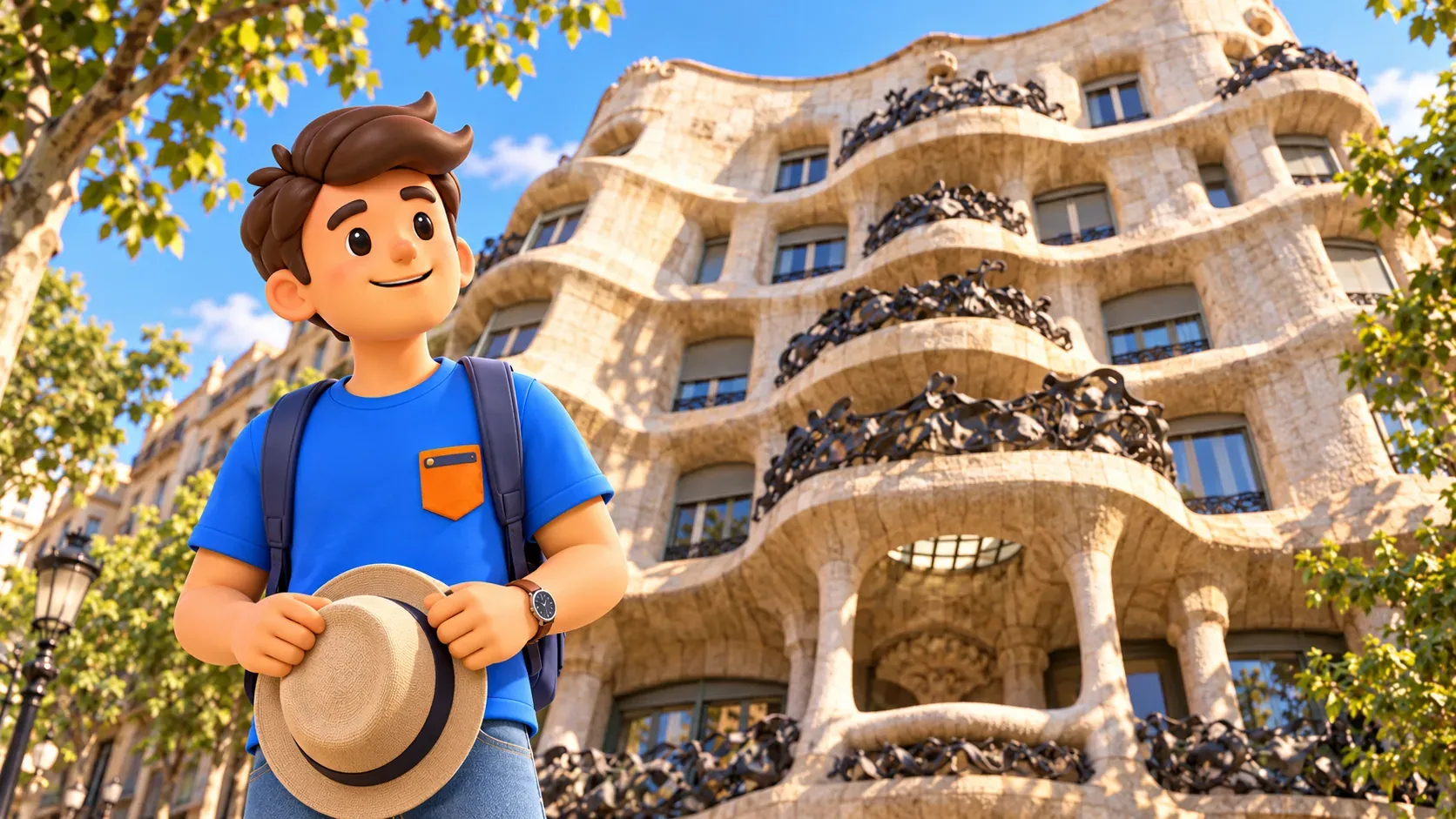
Decide what matters: understanding the house, seeing a particular space or choosing an evening experience. Then compare that purpose with the exact product’s contents. A more expensive option is not automatically better when its extras do not interest you. Read the inclusions rather than relying on an attractive title.
The roof is affected by conditions and may close in rain. It is also very uneven: an accessible platform with a partial view does not mean a full rooftop walk is suitable for every visitor. If the roof determines your choice, establish an appropriate arrangement beforehand. Do not infer refund conditions from your own assumptions about weather.
On that day, keep time to see the building from the street before or after admission. This connects the overall form with the interior experience. However, an exterior view is different from going inside, and standing on a public pavement does not itself require a ticket. These ways of encountering the building serve different purposes.
The Picasso Museum: attention before gallery count
The Picasso Museum is particularly meaningful for the artist’s relationship with Barcelona and his development. It opened in 1963. It is not a universal retrospective guaranteed to contain every major work from every period. Appropriate expectations help you choose according to your own interest rather than a famous name alone.
Set yourself a small question: how did the young artist’s work change, what connects him with the city, or how did he return to a familiar artistic subject? You need not answer everything at once. Several attentive stops can leave a clearer memory than constantly moving with anxiety about what remains unseen.
Date and entry time matter. An ordinary Monday is not a museum opening day, and free admission does not imply walking in without a reservation. Do not add a free slot solely because you have seen a general reference to concessionary hours. You need the conditions and an available ticket for the actual arrangement you intend to use.
The rules do not provide re-entry after leaving. Avoid planning two short visits separated by lunch outside. Organise breaks, food and belongings around that condition. Large luggage should not become an unexpected problem at the door either: arrive with a manageable small selection of things.
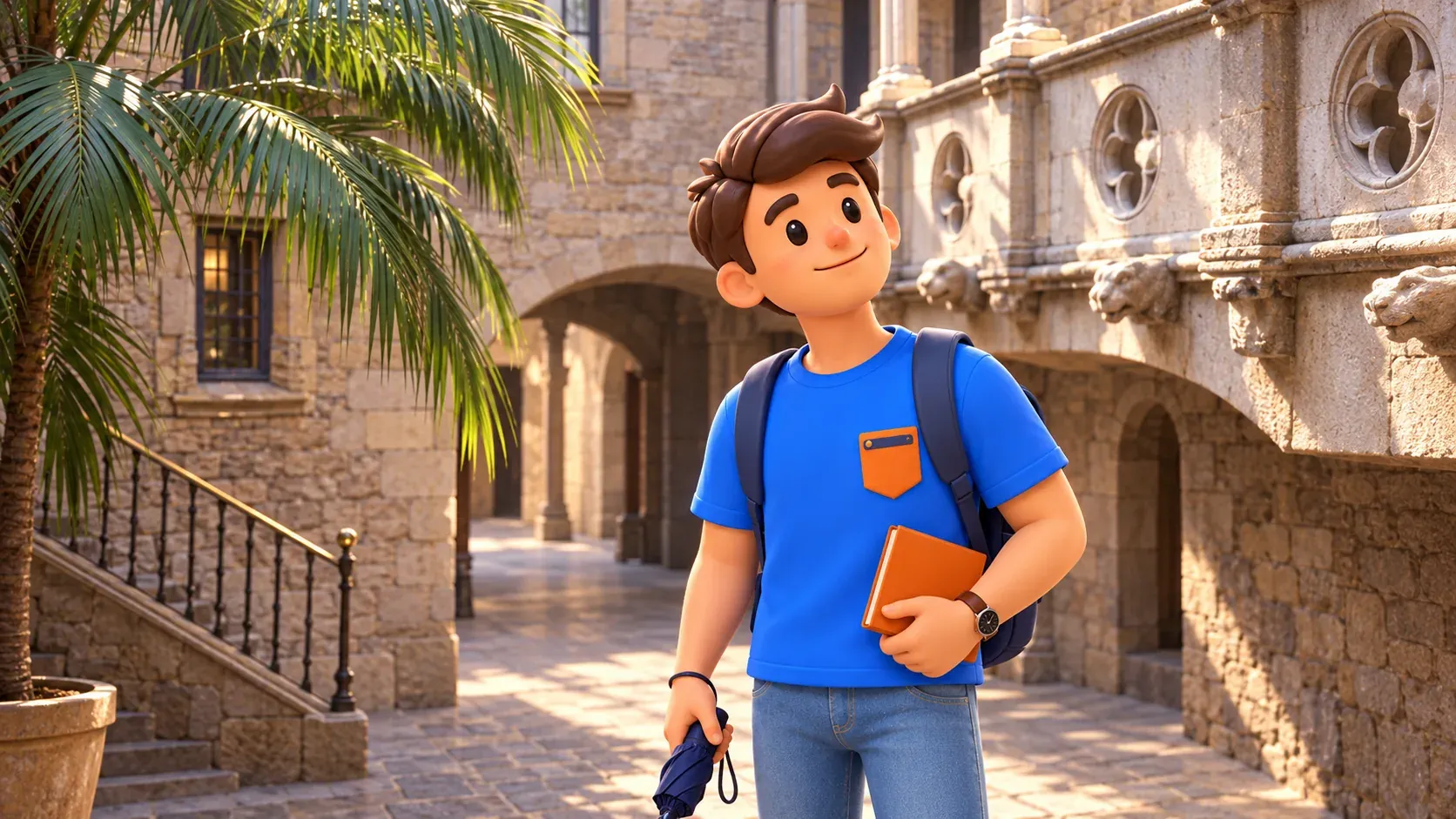
Afterwards, leave space for surrounding streets, conversation and rest. You do not have to move immediately to a second collection. Sometimes retaining one image and letting it stay with you is enough. A paid visit can continue shaping the day’s impression after the ticket is no longer needed.
The Palau: a concert and an architecture visit have different purposes
The Palau de la Música Catalana was created by Lluís Domènech i Montaner between 1905 and 1908 for the Orfeó Català. Its historic hall brings architecture, decorative art and musical life together. It offers a useful example of why a building’s name alone does not establish what your ticket contains.
Choose a concert by programme and hall, and an architecture visit by its viewing arrangements. A concert is not an automatic substitute for a tour through every space. Not every Palau event takes place in the main historic hall with the famous stained glass: Petit Palau is a different auditorium. The room named on the ticket belongs to the substance of your choice.
For a concert, allow time to arrive and take your seat according to ticket instructions. A delay does not necessarily allow entry between any convenient musical phrases: late admission depends on an appropriate moment and staff arrangements. Give the evening a comfortable beginning rather than placing a visit with an uncertain finish immediately before it.
Photography, filming and recording are not allowed during performance. If studying architectural details is your main aim, choose an appropriate visiting format and follow its own rules. If you want to listen, accept the music’s rhythm. Both interests can belong in a trip without needing to be fulfilled by one ticket.
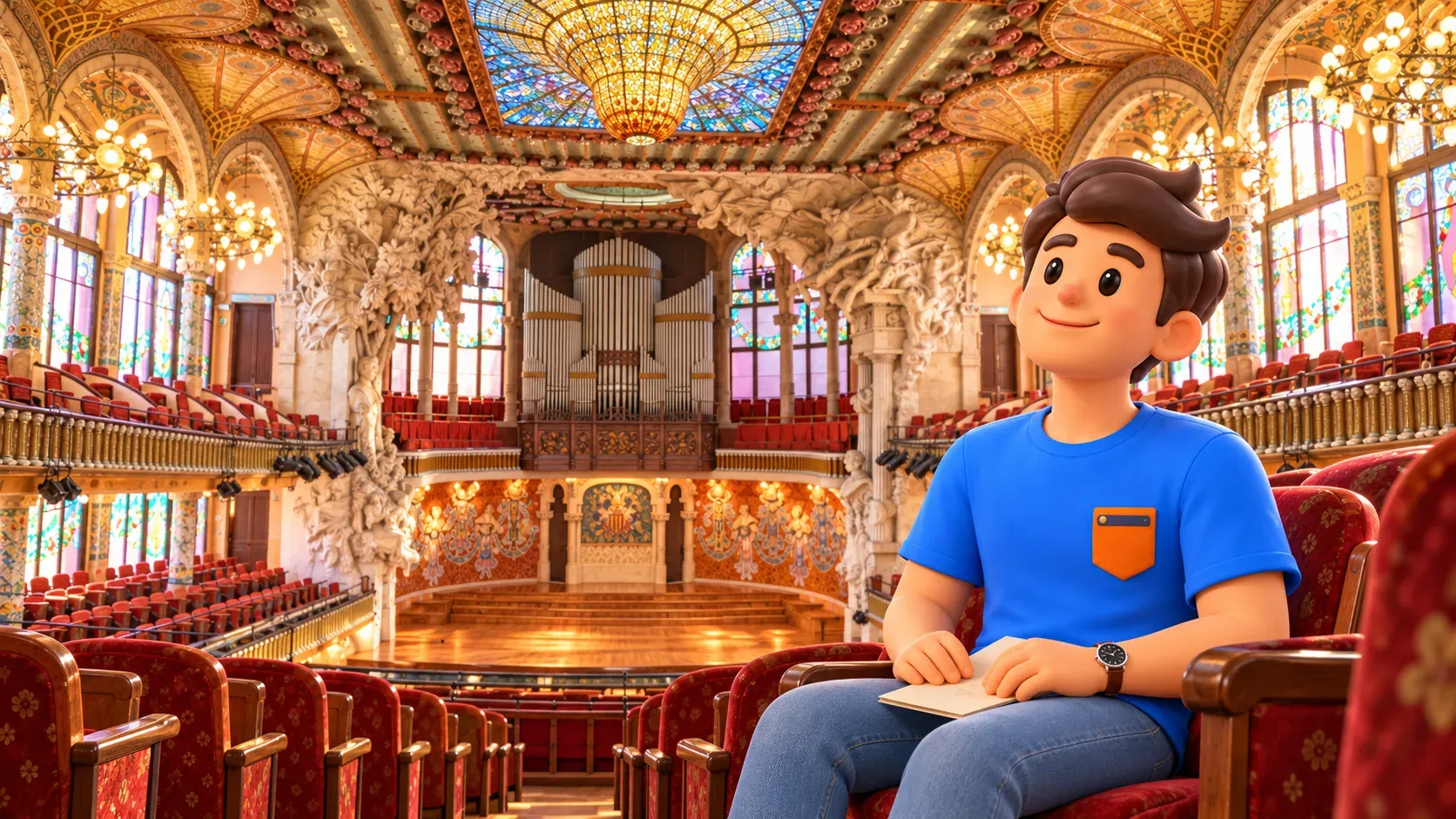
An evening concert also changes the surrounding day. Keep an opportunity to eat beforehand, change if you wish and arrive without hurrying. It need not become an endurance test after the maximum number of museums. One evening given sufficient attention may become your trip’s most memorable paid experience.
Budget for the programme you actually choose
Compare the cost of the real selection for your actual group rather than an advertised starting price. Age, proof of eligibility, format, date and additional services can affect the result. If an offer combines venues, establish whether you want them all. Adding unnecessary visits merely to use a package rarely protects more time for the city.
Do not transfer one museum’s conditions to another. Free entry can require a separate ticket, a concession can require documentation and a time change can have its own restrictions. Read the particular product’s conditions before paying, including cancellation and late arrival. An unconfirmed promise of a refund is not a useful general backup plan.
Reserve time and some budget for ordinary needs between visits: food, transport and rest. They support the cultural programme. A shorter ticket list with proper pauses can leave a richer memory than a dense succession of interiors seen while your energy is running out.
Leave the city between the substantial visits
After booking the anchor, choose a small continuation without another fixed session: nearby streets, exterior details or somewhere to sit. That does not automatically mean a free tour through every courtyard and rooftop. Ordinary public space and the internal grounds of attractions have different access arrangements.
Tell RoadMe which experiences matter most, and the app will develop a personal plan for your whole trip at your pace. It is a more convenient way to connect paid visits with the city, with less independent organising and more time for walks, rest and discoveries of your own.
If Gaudí’s architecture interests you, the separate comparison of Casa Batlló and Casa Milà can help identify the visit you prefer. You do not have to buy both merely because they often share a list. Likewise, put a museum and concert on different days when each deserves its own attention and mood.
Before paying, look at the whole day: beginning, fixed entry, journey, rest and ending. If all that remains is movement from one door to another, reduce the programme. You are preserving the quality of experiences that matter rather than measuring the day by how many buildings it contains.
A useful plan does not fill every spare minute. It helps you reach the places you want without fuss and leaves room for the city outside. Choose the purpose, suitable ticket and realistic surroundings of the visit, and Barcelona can feel like a trip rather than a sequence of checking times on a screen.