Casa Batlló or Casa Milà: which Gaudí house should you visit?
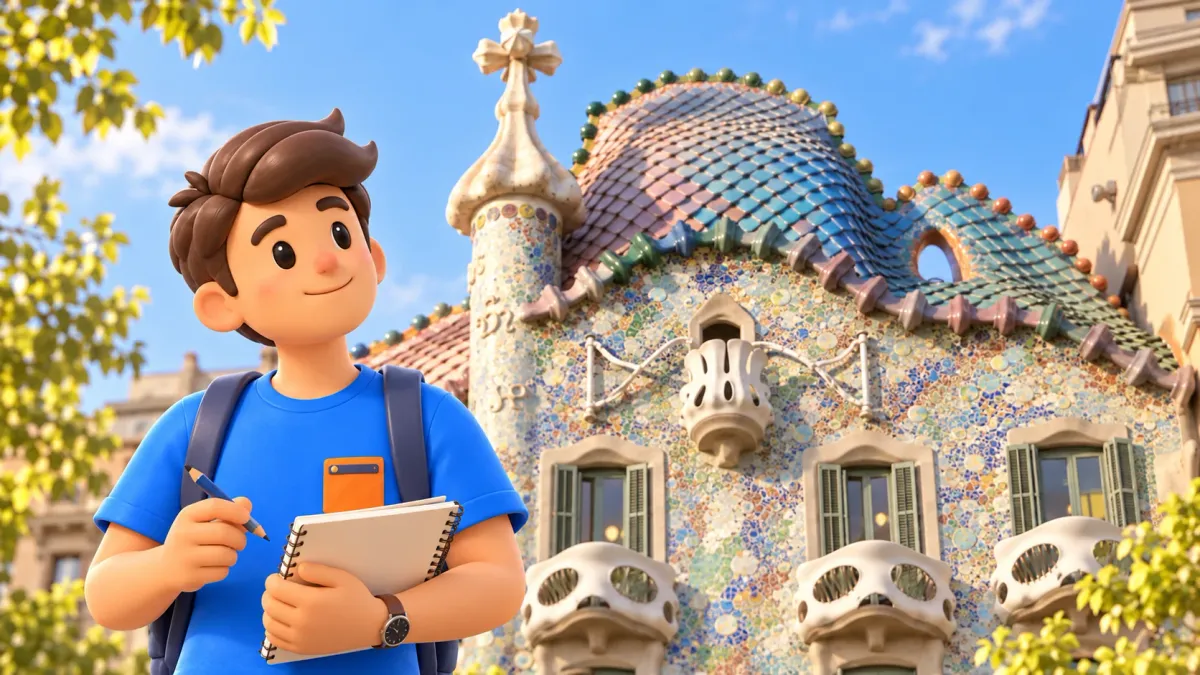
Casa Batlló and Casa Milà stand on the same avenue, both belong to Gaudí’s Barcelona and both can occupy a substantial part of a visit. Their nearby addresses do not make them interchangeable. If your time or budget allows one interior, choose the experience that interests you rather than searching for a winner based on the most attractive photograph.
At Casa Batlló, colour, light and transformed domestic details offer a rewarding starting point. Casa Milà helps you consider a larger residential building through its courtyards, apartment, attic and roof. These are useful emphases, not strict boundaries: both houses offer architecture, expressive forms and attention to daily life.
The short answer: choose the question that interests you
Start with Casa Batlló if you want to see an existing house transformed into an unusual world of light and detail. Consider Casa Milà, also called La Pedrera, if you are curious about how an entire building works and how practical features become sculpture. Wanting its famous rooftop is a valid reason too, provided weather and access are part of the decision.
To fit your chosen house into a practical trip, try RoadMe: the app works out a personal day-by-day plan around your interests, dates, pace and budget. Following a coherent programme is more convenient and effective than connecting visits yourself and reorganising every day.
| What catches your interest | Casa Batlló | Casa Milà |
|---|---|---|
| First visual impression | Colour, mosaic and changing details | Undulating stone and iron balconies |
| A question for the interior | How an existing home was transformed | How light, courtyards and an apartment work together |
| The building’s upper parts | An expressive, scaled roofline | Practical rooftop elements becoming sculpture |
The table describes the architecture, not the contents of every ticket. Check the rooms, additional spaces and guidance included in the specific daytime visit you are considering. Night sessions and special programmes may create different experiences. You do not need to buy two admissions simply to avoid making a choice.
Casa Batlló: the transformation of familiar things
Casa Batlló at Passeig de Gràcia, 43 results from Gaudí’s remodelling of an existing building between 1904 and 1906. This is a useful starting point. He did more than add decoration to a finished façade: he changed relationships between the exterior, interior spaces and daylight. The visit can become an exploration of how freely the familiar idea of a house can be reconsidered.
Outside, mask-like balconies, a mosaic surface and a curved, scaled roofline attract the eye. Look at the whole first, then choose one detail. There is no need to search immediately for a single correct interpretation of every form. Compare your associations with the explanation accompanying the visit, while keeping an impression distinct from a historical fact.
Inside, pay attention to transitions as well as the most recognisable views. How does light change the feeling of a surface? How does a curve encourage your eye to move onwards? Why does a familiar domestic element suddenly appear unexpected? These questions work without extensive knowledge of Modernisme and keep the visit from becoming a hunt for the right camera angle.
A house is more than its showpiece rooms. Looking at the light well and the distribution of daylight connects beauty with the organisation of ordinary life. Do not assume, however, that any ticket opens every room or special programme. Choose a particular visit by its stated contents rather than by the house’s name alone.
Casa Batlló may appeal if you readily notice colour and small changes of form. That does not mean it is only for people who enjoy spectacle or photography. Serious architectural questions belong here too. The difference is that a familiar domestic detail offers an approachable place to begin asking them.
Casa Milà: seeing a building as a connected system
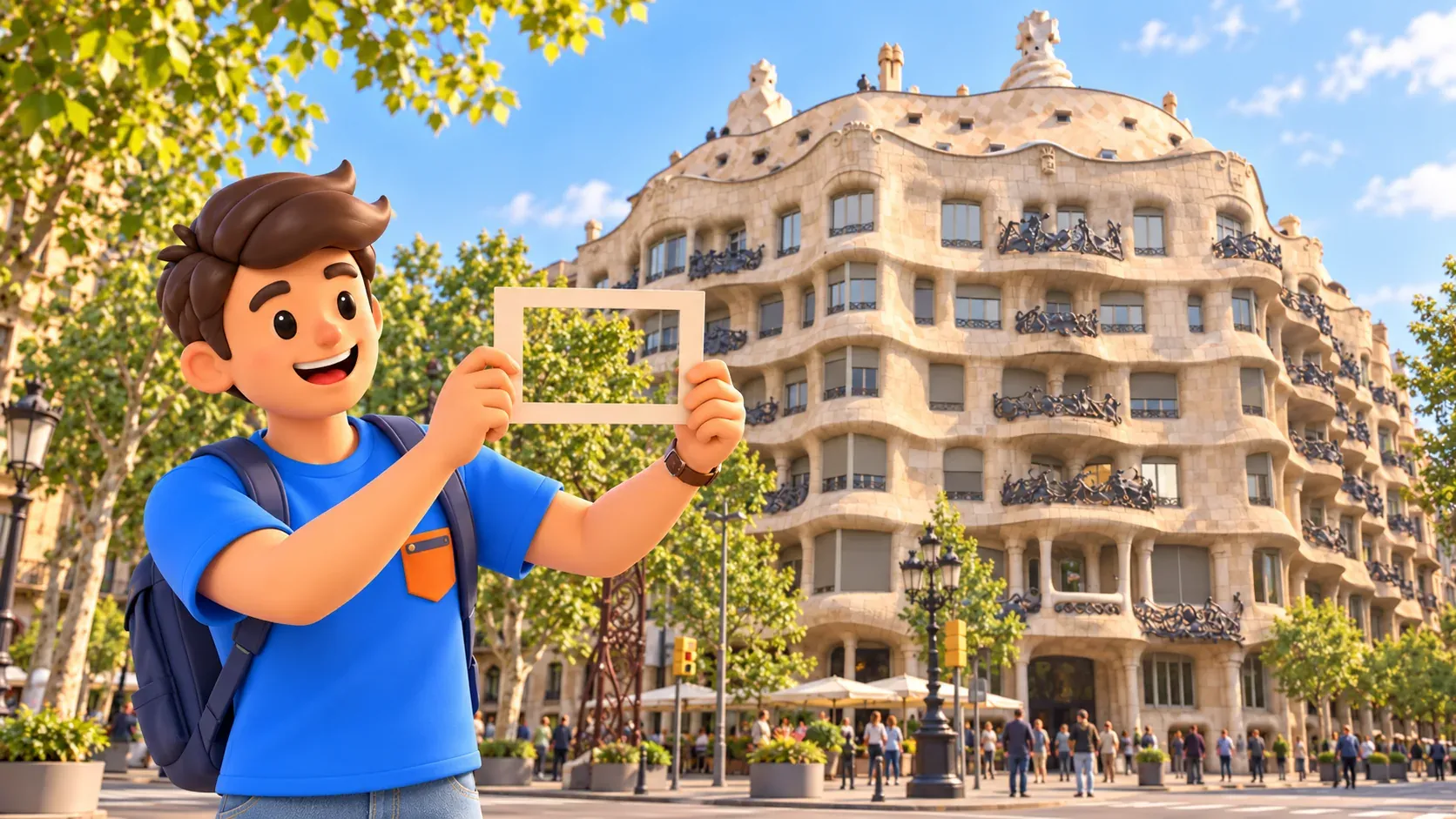
Casa Milà at Passeig de Gràcia, 92, on the corner with Provença, was built between 1906 and 1912 for Pere Milà and Roser Segimon. Unlike Casa Batlló’s remodelling, this was a new building. Its familiar stone surface suggests a wave, while dark iron balconies add movement and change the impression from one window section to the next.
A practical logic sits behind the expressive appearance. Courtyards help bring light and ventilation to the apartments. Structure and layout gave Gaudí scope to organise spaces more freely than a conventional arrangement of heavy walls would allow. Visitors do not need engineering calculations: comparing the external volume with life arranged around the interior spaces is enough to begin understanding the idea.
The ordinary daytime Essential visit lists courtyards, the Tenants’ Apartment, attic and rooftop. The apartment matters as an introduction to residential use, not as a promise of access to every private room in the building. Casa Milà still combines different uses; a cultural visit does not turn all of it into a freely accessible exhibition.
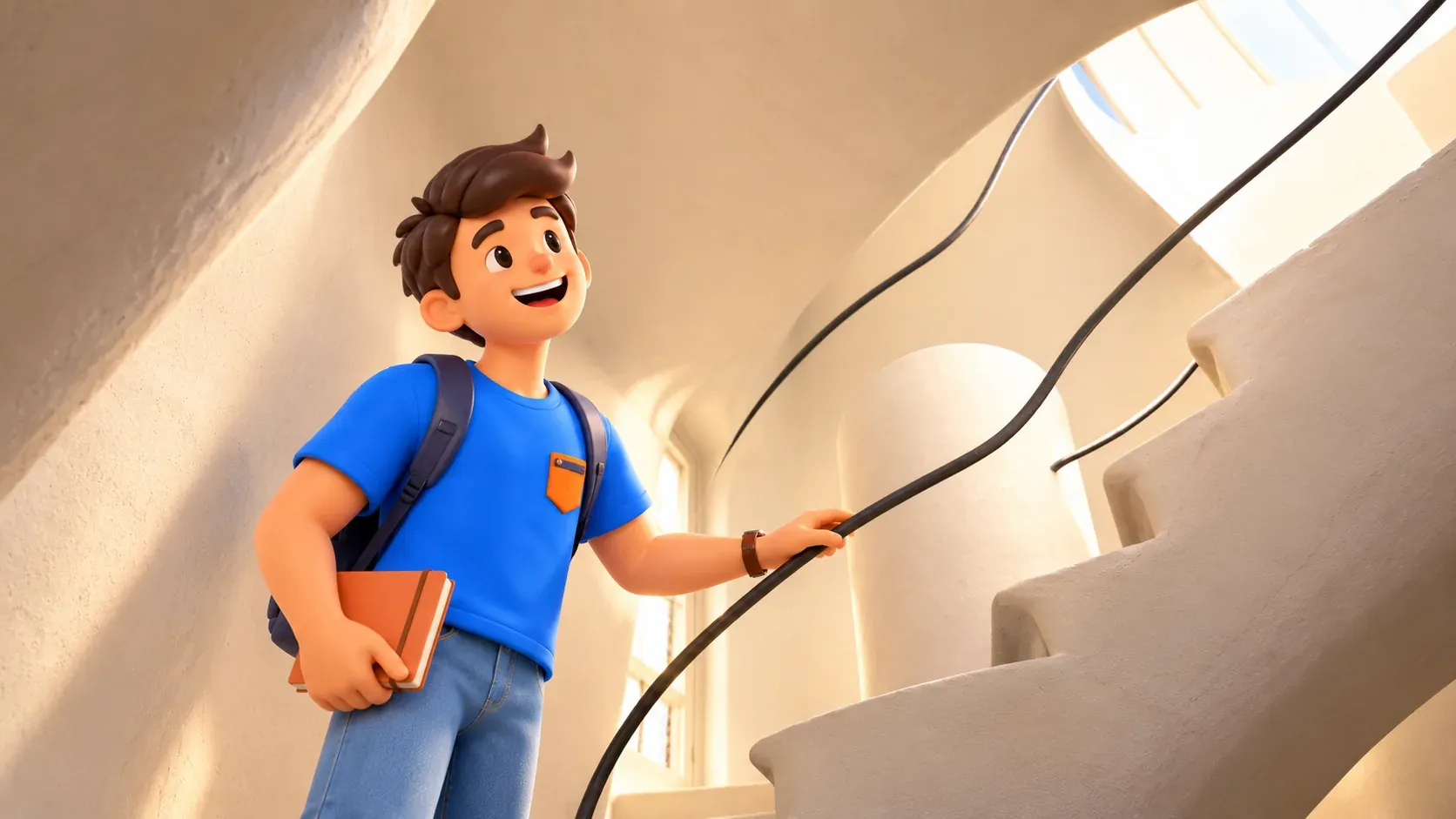
The attic’s repeated brick arches make structure visible without a complicated diagram. This space had practical purposes, including domestic service uses and a role in the building’s thermal protection. Pause to look along the rhythm of the arches. The connection between an attractive form and the reason it was needed may become particularly clear here.
The roof continues the theme. Chimneys, ventilation structures and staircase exits received expressive forms while remaining parts of a functioning house. Not every large rooftop feature is therefore correctly described as a chimney. Try to notice differences of purpose behind the sculptural impression without needing to memorise a count of every element.

Avoid the stereotype of colour versus serious architecture
Convenient comparisons can get in the way. Casa Batlló is not just a spectacle, and Casa Milà is not a textbook reserved for trained specialists. At either, you can simply be surprised or investigate how the building works. Choose a starting point for your attention rather than an assumed level of architectural sophistication.
Imagine someone asking afterwards what you found most interesting. If you want to describe light, a changing surface, an unusual window or movement between rooms, you already have reasons to favour Batlló. If courtyards, an apartment, arches and a roof combining usefulness with image sound more compelling, Milà may be the stronger match.
Discuss that question before booking when travelling together. One person wants a vivid interior, another enjoys looking at structure, and someone else finds extended stair climbing difficult. You do not have to find a place everyone loves in precisely the same way. A shared purpose and workable conditions for each person are enough.
Allow time for the whole visit, not only the stated duration
Casa Batlló gives an approximate visit duration of one hour and fifteen minutes. For Essential at Casa Milà, the owner’s planning indication is around sixty to ninety minutes. These figures help allocate part of the day, but they are not the full time from leaving your hotel to your next activity, nor a guarantee that every visitor moves at the same pace.
Add your approach, an admission margin, leaving and a rest. If you enjoy explanations and details, keep more freedom afterwards. Another fixed appointment should not depend on completing a visit faster than your own interest allows. The nearby addresses also involve an actual avenue walk and crossings, rather than a time-free change of building.
Do not compare one house’s daytime visit with the other’s night programme solely by duration or an attractive name. A special format may have different guidance, sequencing and available spaces. Decide first whether you want a general architectural visit or a particular evening event, then compare the appropriate options with each other.
If architecture matters on your travels, make it part of a personal RoadMe trip plan at your preferred pace. The app makes a considered day-by-day programme easier to use than deciding on the move where another visit fits and when to leave room for rest.
Ticket contents and access can matter more than a photograph
Compare the final offers for your date and visitor category. A price advertised as “from” does not explain what is available to you or what is included. Check the spaces, type of guidance, language, time slot and conditions of the chosen format. Paying more makes sense when it adds an experience you actually want, rather than simply a more impressive package name.
There is no useful rule declaring one house always cheaper or better value. Daytime tickets, special programmes and additional spaces change the comparison. For a short trip, another question may help: which one visit would you enjoy remembering most? Remaining energy and free time have value too, even when they do not appear in a tariff.
If access requirements matter, contact the venue before buying. Casa Batlló reports lifts and wheelchair access. At Casa Milà, the courtyards, Tenants’ Apartment and attic are accessible, but the roof is very uneven: a platform at the lift exit permits a partial view rather than a wheelchair route across the whole rooftop. A lift does not by itself mean the same possibilities in every space.
Rain can influence the decision too, because Casa Milà’s rooftop may close. If that is your main reason for visiting, consider whether the remaining spaces would still interest you and read the chosen ticket’s conditions. Do not automatically assume a replacement programme or refund. A good choice accounts for the actual visit, rather than only a photograph taken in sunshine.
One interior and two exterior impressions
You need not abandon the other house completely. Visit your chosen interior and look at the second building from the public pavement. Their locations on one avenue make this understandable, but it does not amount to touring both interiors. Keep entrances clear and use the available pedestrian crossings rather than letting a photograph distract you from the street.
For more walking and fewer tickets, save the Passeig de Gràcia façade walk. It places the architecture among neighbouring buildings instead of treating each as an isolated object. Today’s decision can remain focused: transformed light and domestic detail at Batlló, or residential organisation and expressive functional forms at Milà. The other encounter can wait for another Barcelona visit.