Amsterdam in winter: alternate walks, museums and rest
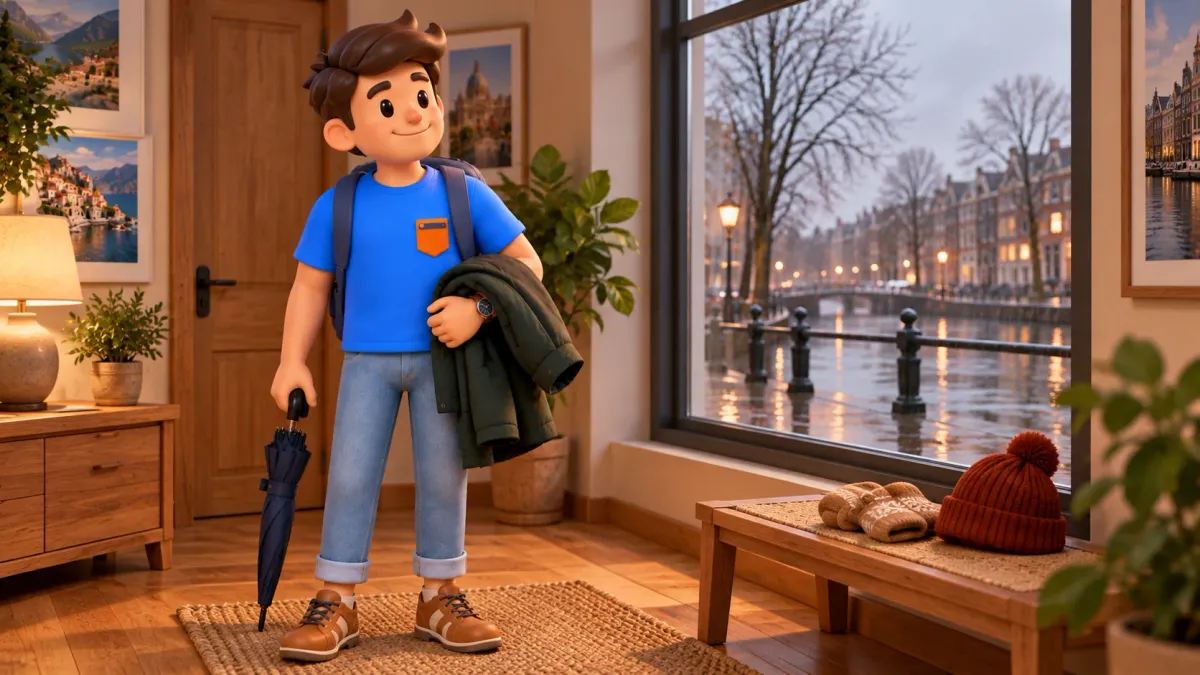
In winter Amsterdam, planning a rhythm is more useful than collecting warm interiors. A short walk reveals the city, one chosen visit provides substance and a pause makes continuing comfortable. That sequence needs no compulsory snow, seasonal market or frozen canal. Choose a compact area and a main interest: historic interiors, art, photography or another subject. A museum deserves a reason beyond sheltering from weather. Given something worth lingering over, a winter outing becomes an experience of its own, rather than repeated dashes between doors while waiting for summer warmth to return.
Here is a way to alternate outdoor time and visits, with an example around Museum Van Loon on Keizersgracht. Allow two and a half hours once already nearby: twenty minutes outside, ninety at the museum, twenty-five for a pause and fifteen for a brief finish. This is an editorial time model, not a measured track or a queue guarantee. Travel from accommodation, return and a full lunch are separate. One cultural focus leaves room for water and facades without walking for hours and trying to squeeze the museum into the last twenty minutes.
Begin with a reason to go inside
Choose the main visit before every outdoor stop. For domestic interiors, consider Van Loon; for another subject, keep the principle but check that museum’s own conditions. Do not transfer a neighbour’s timetable. Formulate one purpose: understand a home behind its facade, compare images or explore a city story. That explains giving the experience ninety minutes or longer instead of a quick tick. A clear priority prevents spending all your attention on the long journey towards another supposedly essential address, only to arrive without the energy to look closely at anything there.
Try RoadMe for a complete personal route or trip plan shaped around your interests and pace. The app makes it much more convenient to connect short winter walks, meaningful visits and rest throughout the journey.
Discuss outdoor preferences as well as museum numbers with companions. One enjoys looking slowly along a canal, another prefers a small outdoor section before a substantial visit. Choose a shared main interest while keeping flexibility afterwards. Winter planning need not become an endurance test. Without interest in the exhibition, being indoors alone does not create a satisfying cultural programme. Sometimes a proper meal and a shorter outing serve better than another ticket. Preserve attention for the selected subject instead of proving that every holiday hour was spent beside a recognised attraction, regardless of comfort or curiosity.
Give daylight to walking and priority to the calendar
Do not build the outdoor part around a random evening gap between tickets. To study facades and canal space, choose the lighter part of your day and check actual conditions. Museum hours and entry arrangements may require changing the order. Avoid promising particular light, no rain and instant admission simultaneously. A little flexibility preserves the experience when the start shifts. An evening waterfront can be appealing too, but it is a separate choice rather than an automatic equivalent of an attentive daytime walk. Light and visibility affect what you can meaningfully observe.
Check the actual travel calendar. Ordinary daily opening does not remove holiday closures, early finishes or special events. Van Loon publishes normal hours of 10:00–17:00, closing on 25 December, 1 January and King’s Day, and at 15:00 on 24 and 31 December. An ordinary-day example therefore cannot be promised for Christmas Day or New Year’s Day. Choose another date or an institution confirmed open. Crossing the city towards a closed door does not become a good winter route merely because the building was previously saved on a map as interesting.
A two-and-a-half-hour example beside Keizersgracht
Imagine an ordinary date with the museum calendar checked and you already near Keizersgracht 672. Keep 11:00–11:20 for a brief walk on an available public quay and back to the entrance. From 11:20 to 12:50, enter Van Loon and make a selected visit. From 12:50 to 13:15, pause somewhere suitable that you choose nearby. The final fifteen minutes, until 13:30, allow a short outdoor finish or calmly arranging the continuation. These are planning blocks, not reserved services, a compulsory guided tour or a promised circuit of every neighbouring street and bridge.
| Part | Time | Purpose |
|---|---|---|
| Short outdoor section | 20 minutes | Nearby public quay and return to museum entrance |
| Main visit | 90 minutes | Admission and a selected house introduction |
| Pause | 25 minutes | Rest, not a guaranteed restaurant lunch |
| Finish | 15 minutes | Short outdoor section or preparing the continuation |
The total is 150 minutes: 20 + 90 + 25 + 15. If admission takes longer or reading appeals, extend the outing or shorten the final outdoor section. Do not make that time invisible. Twenty-five minutes can suit a small pause when space is available, without guaranteeing a restaurant queue, several courses and leisurely service. Give a full lunch its own block. Returning to accommodation remains outside the example. Honest accounting lets the model work in a real trip, rather than making every deviation feel like failure or an instruction to inspect museum rooms faster.
Outside, choose one detail rather than a whole district
The first twenty minutes need no large circuit. Walk a short distance along an available public quay and return by the same permitted route to the museum. Do not use private courtyards as shortcuts. Notice water against tall facades, window rhythms, a reflection or a doorway detail. These are observation prompts, not a guaranteed decorative feature at each house. One motif helps reveal winter Amsterdam without constantly changing stops. A small walk is worthwhile when it has a question, rather than merely a distance between the entrance and an arbitrary turning point.
Rain, wind and surface conditions may change that section. Use current conditions and permitted paths, rather than a photograph from another season. Shorten the walk to the main visit’s approach if needed. Clothing and footwear suited to your circumstances matter more than recreating a scene. Do not promise white snow or ice: winter conditions vary, and an account of last season is not a forecast. Check local warnings near departure. The museum plan remains worthwhile on a grey day. Nor does the canal’s appearance automatically establish permission to go onto its surface.
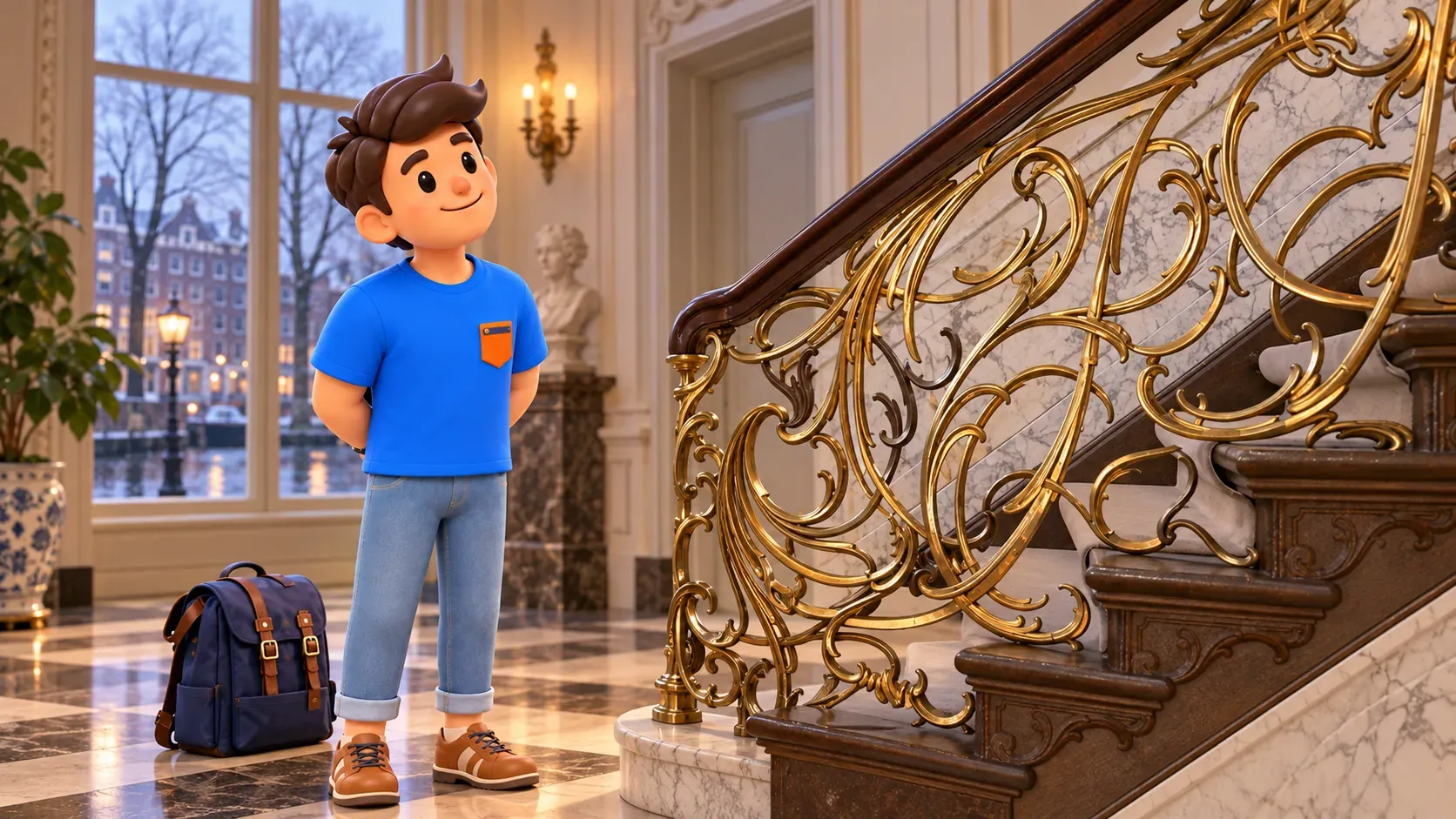
At Van Loon, notice how space becomes a home
The house at Keizersgracht 672 was completed in 1672; its first resident was painter Ferdinand Bol. The Van Loon family arrived considerably later, in 1884, and the house opened publicly in 1973. Those dates provide scale without an entire family chronicle. Objects and interiors belong to different centuries, so do not assume everything remained unchanged since construction. The interest is how rooms, belongings and images describe living and working in an affluent city home. That question connects the facade seen outside with the interior without turning the visit into a search for every object listed beforehand.
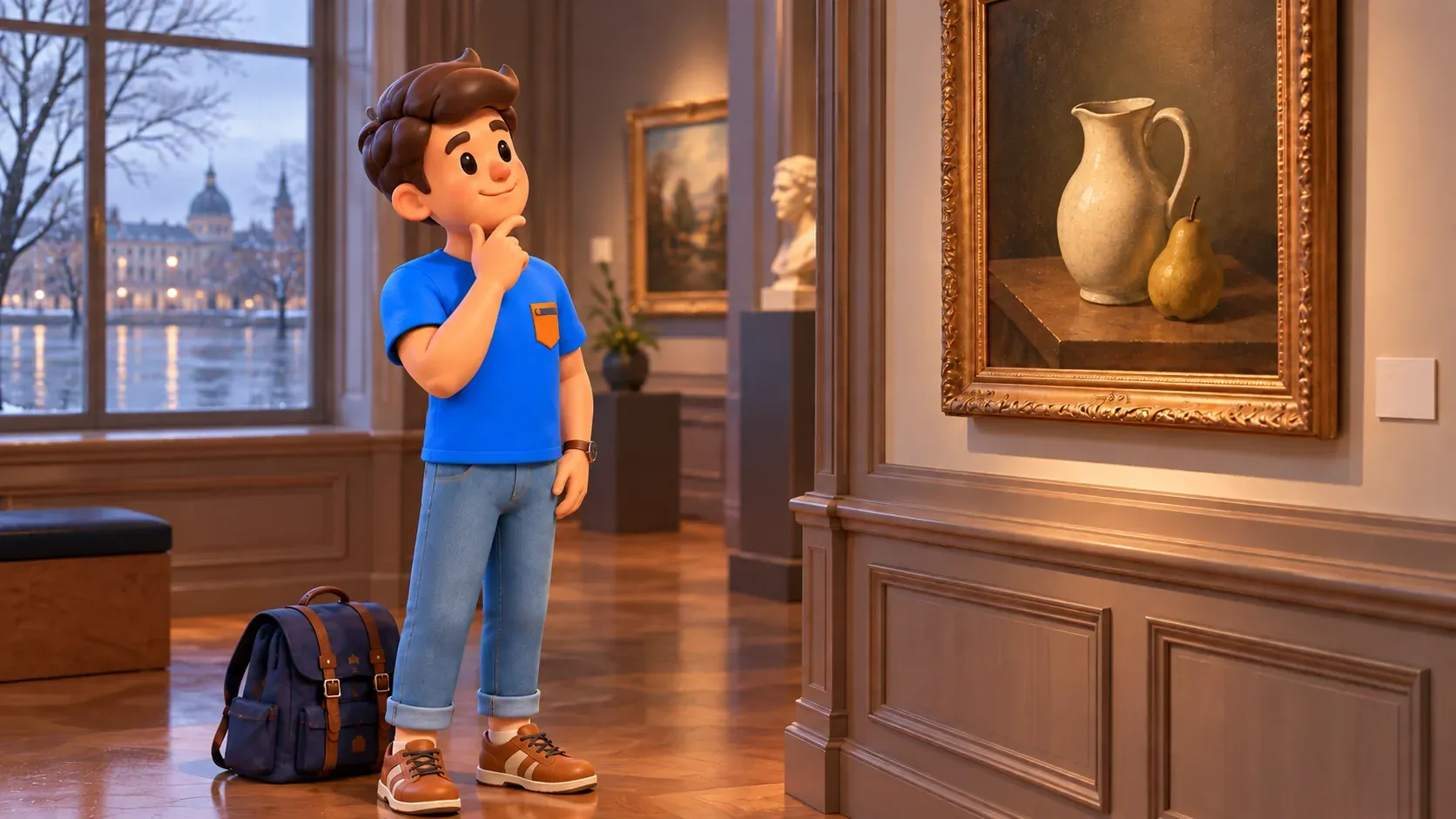
Choose several observations: arrangement of rooms, window light, a portrait’s relationship with its wall or a domestic object beside something decorative. Equal speed everywhere is unnecessary. One interior studied carefully can offer more than a list of room names forgotten that evening. Ninety minutes is our allowance, not an official limit or a promise of complete coverage. Museum rules remain decisive: historic furniture is not a rest seat and objects are not for independent handling. Attention creates the experience, rather than attempting literally to inhabit a room or use a preserved item that looks convenient for a winter break.
The property includes a garden and coach house, without creating a continuously covered route. Follow the available visitor path and choose outside time according to conditions. Contact the museum beforehand about individual mobility needs: historic buildings have stairs, steps and thresholds and are not readily accessible for wheelchairs or limited mobility. A short approach does not certify the whole outing as step-free. On-site payment is by card, so prepare a method available to you. These conditions help select a suitable visit before travelling rather than hoping every attractive old house is equally convenient for everyone.
Let the pause change the rhythm
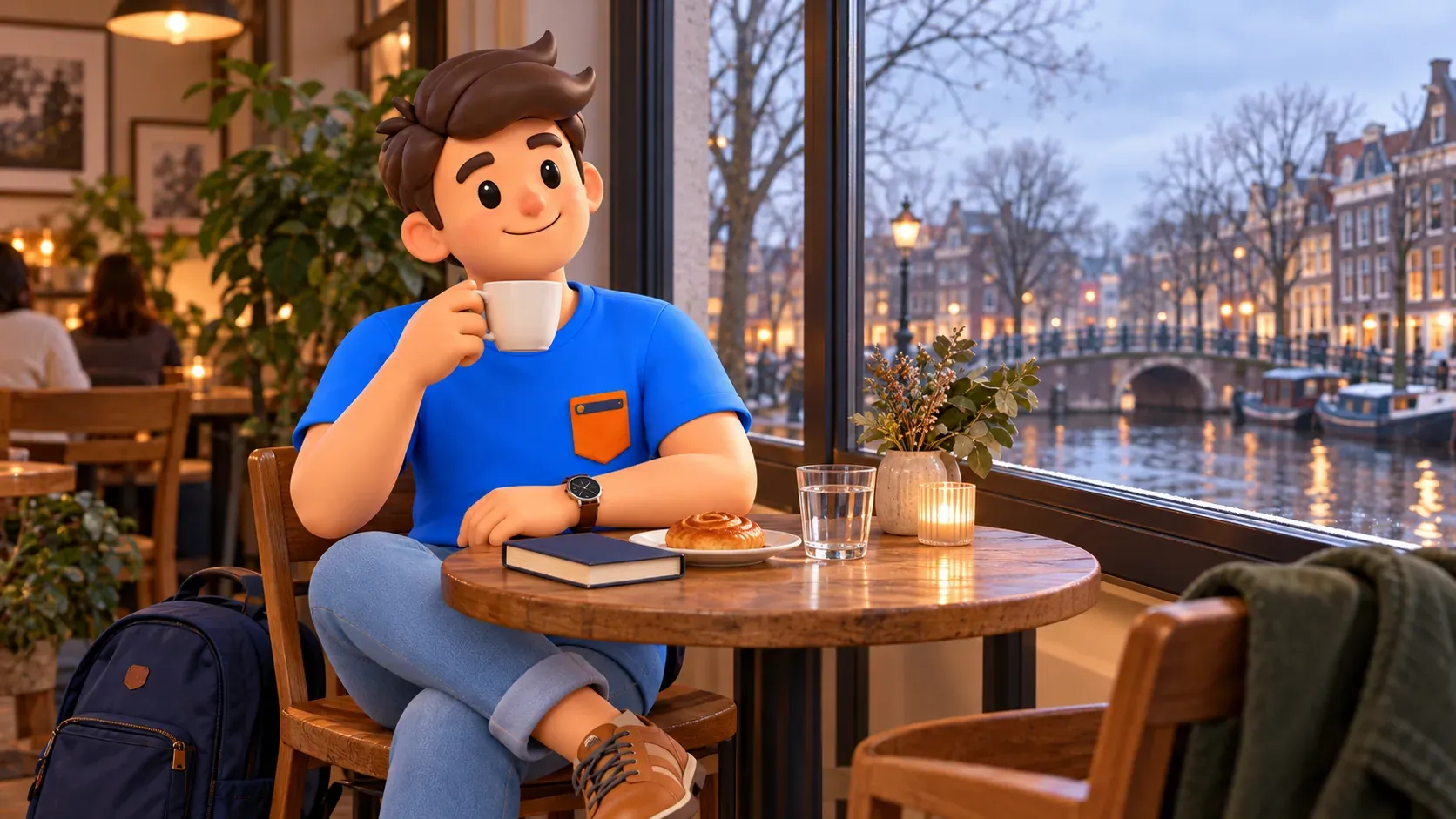
Afterwards, do not immediately search for another admission ticket. Make the pause a rest from observing. Choose from actual menu, seating and needs instead of a window photograph alone. Coffee need not become an obligatory ritual, nor a hot drink at the museum cafe a promise. This example guarantees neither a table nor particular food. If the place is full, change the duration or continuation while preserving the purpose. The aim is to have a genuine break, rather than just enter another room and continue mechanically after substantial reading and looking.
In RoadMe, getting a personal plan for the whole trip is much more convenient and effective, distributing museums, winter walks and comfortable pauses around your interests. Try the app to give each day a suitable scale and natural continuation.
Decide during the pause whether more outside time appeals. Discuss a detail, talk about something else or simply sit. There is no need to measure the visit’s productivity by photograph count. Agree that shortening the final section is acceptable. Fifteen minutes should not become another hour merely because the map shows the next bridge. A winter walk remains enjoyable without continual effort to finish a formal programme. To continue longer, add time openly and recalculate the return instead of attaching endless small stops to an example that has already ended.
Choose a longer scale deliberately
Our separate rainy-day plan with Van Loon, lunch and Foam provides two different museum experiences. It lasts around four hours and needs its own admissions, calendars and attention. Do not append it wholesale as though a second museum changed nothing. Evening events also need a separate choice: markets, light programmes and ice rinks have specific dates and conditions to verify for your trip. They do not follow automatically from the word winter. Build another outing around a confirmed event while keeping the daytime museum substantial enough not to depend on an expected annual programme.
Before leaving, confirm the main visit, date-specific hours, access and current outdoor conditions, then give travel and food their own time. Shorten the example to a museum with a brief approach or extend it with lunch. Illustrations evoke winter themes rather than documenting a precise interior, weather, cafe service or date-specific view. A good winter day need not defeat cold by kilometre count. It reveals part of the city and one selected subject while leaving energy for the rest of your trip. Alternating outdoor attention, content and rest gives Amsterdam interest without compulsory snowy postcards or endless tickets.