Juliet’s House or the fresco museum at her tomb: which Verona visit should you choose?
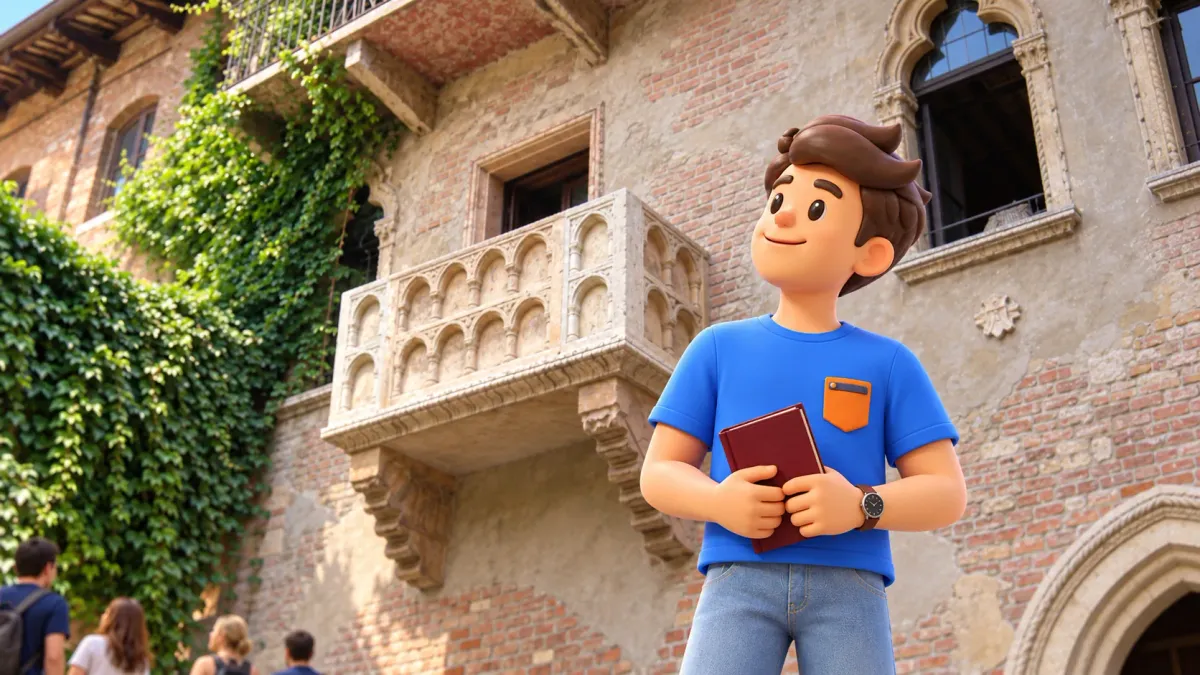
Juliet’s House and the fresco museum at her tomb share a literary story, but offer different experiences. At the house, you meet a famous city image: courtyard, balcony and the way Verona tells the lovers’ story. At the other site, art can become the main activity: looking at frescoes moved from city buildings, alongside a place associated with the burial legend.
A short trip does not require both addresses. Choose the one that interests you in itself, rather than simply coming next on a Romeo and Juliet checklist. Here is a comparison of content, admission and a suitable pace for part of a day. You can keep the love story within your travels without following every related name.
Decide what you want from the visit
If the recognisable balcony and a literary symbol matter most, choose Juliet’s House. If you want an art museum and longer attention to images, consider the Cavalcaselle fresco museum. The tomb can form part of that second visit, but does not replace an interest in the collection.
RoadMe makes preparing a personal trip around your interests and pace much more convenient. Try connecting literary places, art and walks in the app, so Verona unfolds through the subjects that matter to you.
Both places are associated with Juliet as a character. They are not verified residential and burial addresses for a real protagonist of the tragedy. The buildings, artworks and history of how the city created a memory around literature can nevertheless be worth your attention.
That distinction need not diminish the experience. You can enjoy a theatrical story while noticing how it acquired an urban setting. What matters is understanding your choice: meeting a recognisable myth, exploring an art collection or following the history of a museum space.
Juliet’s House: how literature becomes a place
The main interest here is not proving that the play happened in a particular room. It is encountering one of Verona’s most recognisable images. A medieval building received a later museum interpretation. The famous balcony was added during twentieth-century restoration under Antonio Avena.
An actual old building therefore sits beside a later idea of what a place from the story should look like. You can consider the balcony as part of that meeting between literature, civic memory and visitor expectations. A small historical adjustment is enough; you need not analyse every version of the plot.
If you choose the full route including the house, keep some attention for its rooms. Artworks, furnishings and costumes connected with Franco Zeffirelli’s film are among the visit’s subjects. These represent different ways of extending a literary image, rather than possessions of the play’s heroine.
Think about the experience you want beforehand. One visitor is content to see the courtyard and look at the balcony from below; another wants the museum rooms. Those wishes correspond to different visiting options. A famous name does not mean every ticket includes everything you have seen in photographs.
Do more than concentrate on one picture. Look at the balcony’s form, the wall material and the relationship between a small courtyard and a high facade. You can then notice how visitors wait for their own encounter with the same image. That is part of the place’s modern life, not an unchanged medieval atmosphere.
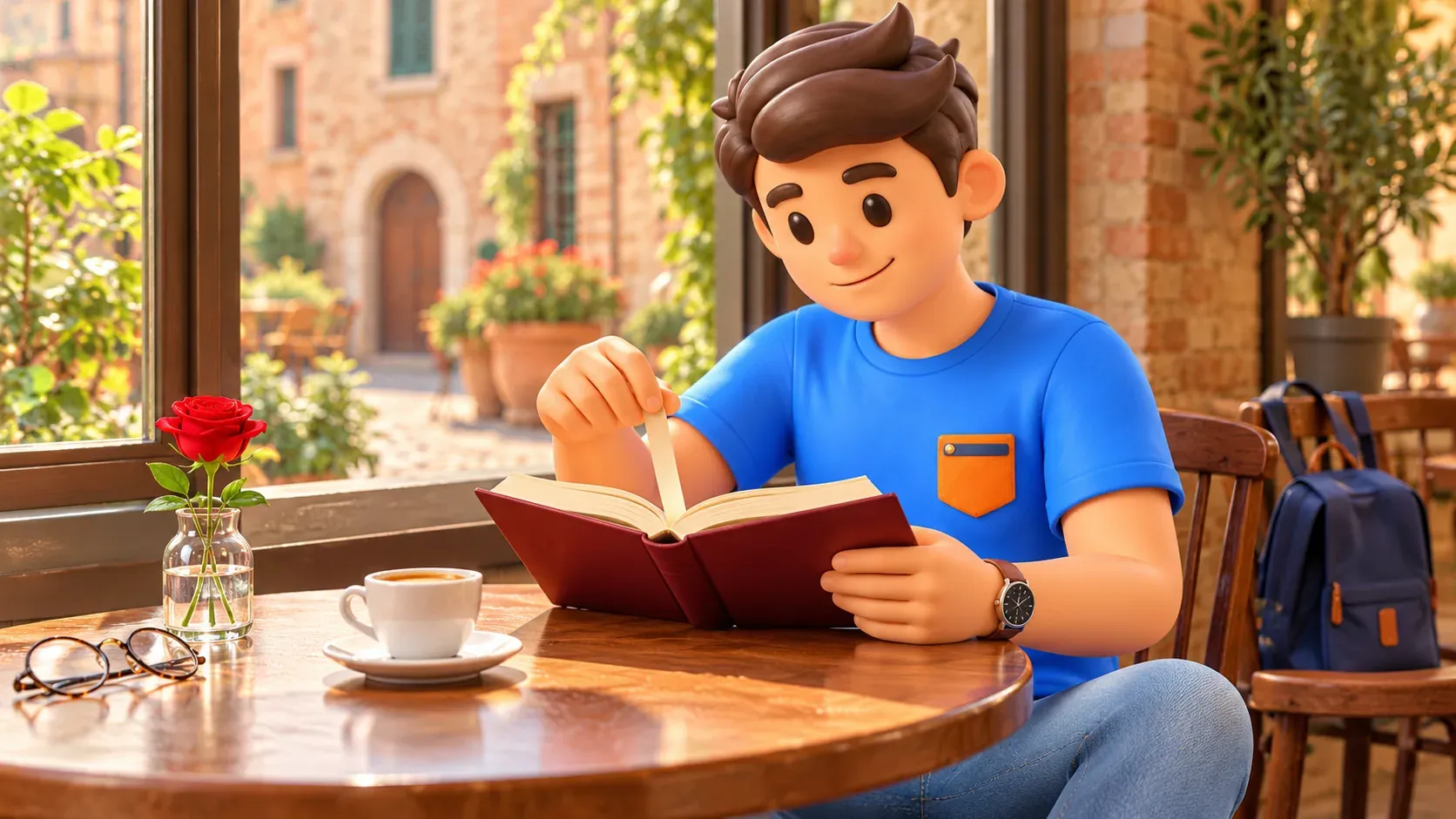
The courtyard and house are different route options
Since 1 April 2026, admission to the courtyard and house has been organised through Teatro Nuovo on Piazzetta Navona. The visit moves in one direction, ending on Via Cappello. The familiar facade address and the start of the current route are not the same place. Follow the entrance stated in your booking.
There are two paid options: theatre and courtyard, or theatre, courtyard and house. The courtyard should no longer be treated as an ordinary free passage from the street. Online reservation is required for concessionary or free admission too, including Verona Card holders. Eligibility does not remove the need to choose a visit beforehand.
At preparation, the current official online ticketing system is Verona CoopCulture. Old seller instructions and old answers describing a free courtyard can remain online. Base your decision on the active route and confirmation for your chosen ticket, rather than a long-saved note alone.
Ordinary hours are Monday 2pm–7pm and Tuesday to Sunday 9am–7pm. Holiday closures and changes to individual periods for theatre events are possible. Available slots matter more than assuming any moment within the overall opening hours can begin a complete visit.
For a selected full introduction, we suggest about 60–90 minutes without an additional queue. This is our allowance, not the official duration of every slot. Add 20–30 minutes of nearby walking, a 30–45-minute pause and 20–30 minutes of flexibility: roughly 130–195 minutes, excluding journeys from accommodation and back.
After leaving, you can stay in the Erbe area. There is no need to head immediately towards the tomb to make the first visit complete. Discuss what you noticed or wander briefly through neighbouring streets, keeping the scale you chose for the day.
The fresco museum: painting beyond its former walls
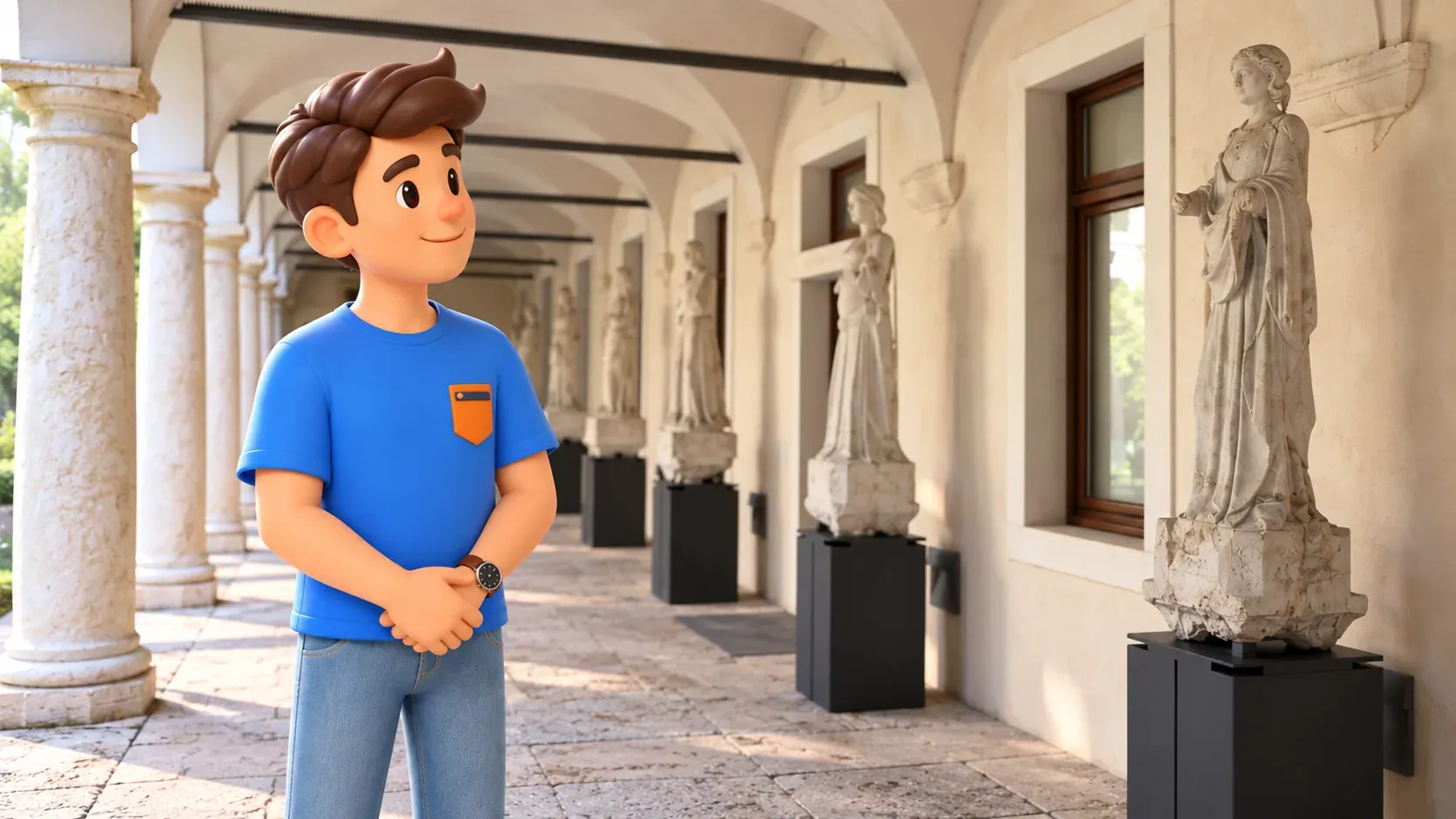
The G. B. Cavalcaselle museum occupies the former San Francesco al Corso convent in another part of the centre. Its subjects include frescoes from Veronese churches and palaces, detached from their original walls and presented in a museum setting. These are not illustrations to a single love story, but part of the city’s artistic life.
The institution is named after Giovanni Battista Cavalcaselle, an art historian. He did not paint every image in the galleries. Knowing that helps you approach a collection of different makers and periods, rather than expecting the personal gallery of an artist with one surname.
For an initial encounter, choose a small fragment and examine how it works. Where is the boundary of the surviving paint, what remains of a figure, and how does the image suggest a wall’s former scale? That task draws attention to the artwork’s life as well as its subject.
Distinguishing the work from its present surroundings is particularly rewarding here. A fresco was made for another setting, with its own windows, height and viewers. The museum allows it to be preserved and examined, while the act of moving it becomes part of its history. Not every room remained precisely as it was when all the displayed paintings were created.
One example of presenting context is the room with paintings from Casa Guarienti, where fragments have been arranged to recover an impression of their former space. The interpretation of the entire subject remains a matter of research. For a visitor, that is permission to keep a question open rather than demand one completed explanation for every figure.
The tomb: a place of tradition within the museum complex
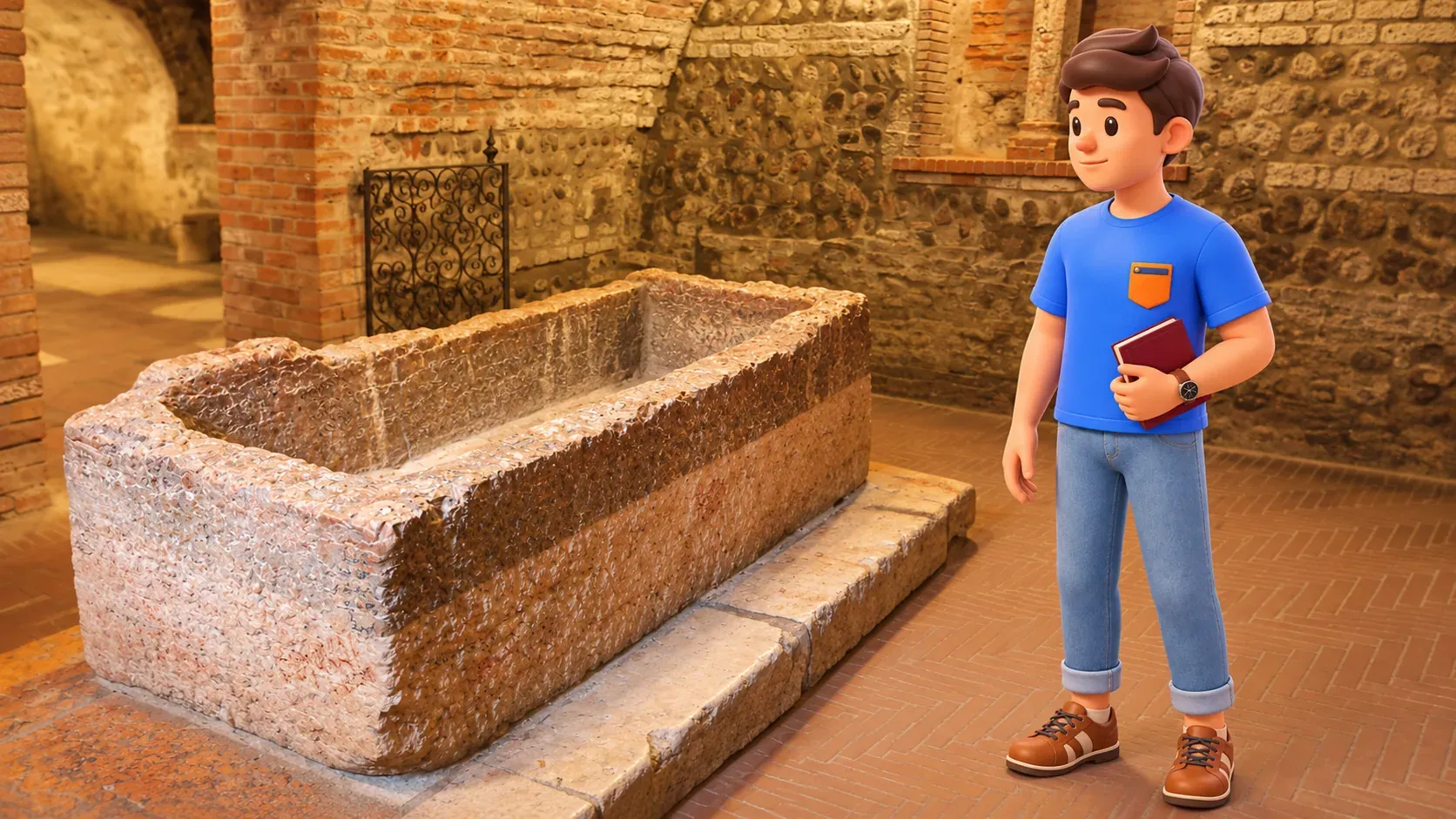
A red-marble sarcophagus is traditionally associated with Juliet. Visiting belongs to the history of the romantic image and its life in Verona; it does not establish an authentic burial of the literary heroine. Decide beforehand whether that tradition interests you in its own right.
You need not expect a separate large monument outside. The tomb is within the museum complex and included in the fresco museum’s admission. That does not mean the ticket replaces your chosen Juliet’s House route. Arrangements for the different addresses should be considered separately.
Respond quietly to the space. There is no need to touch the sarcophagus, leave messages on walls or recreate a dramatic scene for a photograph. A brief attentive look may communicate more than actions for which the museum is not intended.
Access to galleries and access down to the tomb differ. The municipality reports a lift serving exhibition areas, while the tomb itself involves stairs. If steps do not suit you, confirm the sections you need beforehand. Museum accessibility should not automatically be transferred to every part of its complex.
Fit the fresco museum into part of a day
Allow approximately 90–120 minutes for selected collection areas and the tomb when access suits you. Add 20–30 minutes of nearby outdoor walking, a 30–45-minute pause and 20–30 minutes of flexibility: around 160–225 minutes. Approach, return and additional queues are extra.
The museum normally opens Tuesday to Sunday, 10am–6pm, final admission at 5.30pm; Monday is ordinarily closed. Separately announced exceptions and holiday closures are possible. Tickets can be purchased online through the current official system or at the museum desk, unlike the house’s compulsory online arrangements.
For arrival, use the current entrance information for Via Luigi da Porto 5. Older material may name the complex through a neighbouring street. Do not silently add a transfer from the house to the museum to these allowances. This article compares two independent outings, rather than one continuous walking route.
If art is the main wish, also compare Castelvecchio, Palazzo Maffei and the Forti gallery. The fresco museum can be a deliberate choice among Verona’s art experiences, rather than merely an attachment to Juliet’s famous name.
With RoadMe, it is easier to shape the whole trip around your balance of art, literary places and rest. A personal plan in the app distributes those interests across your days and connects the chosen experiences into a convenient journey.
The house suits a day when you want to meet a city symbol; the fresco museum suits one when you want to remain with painting. Either can be a satisfying decision. What matters is that the visit answers your interest, rather than simply completing another line on somebody else’s list.