
Verona in hot weather: how to arrange walks, a museum and a long break
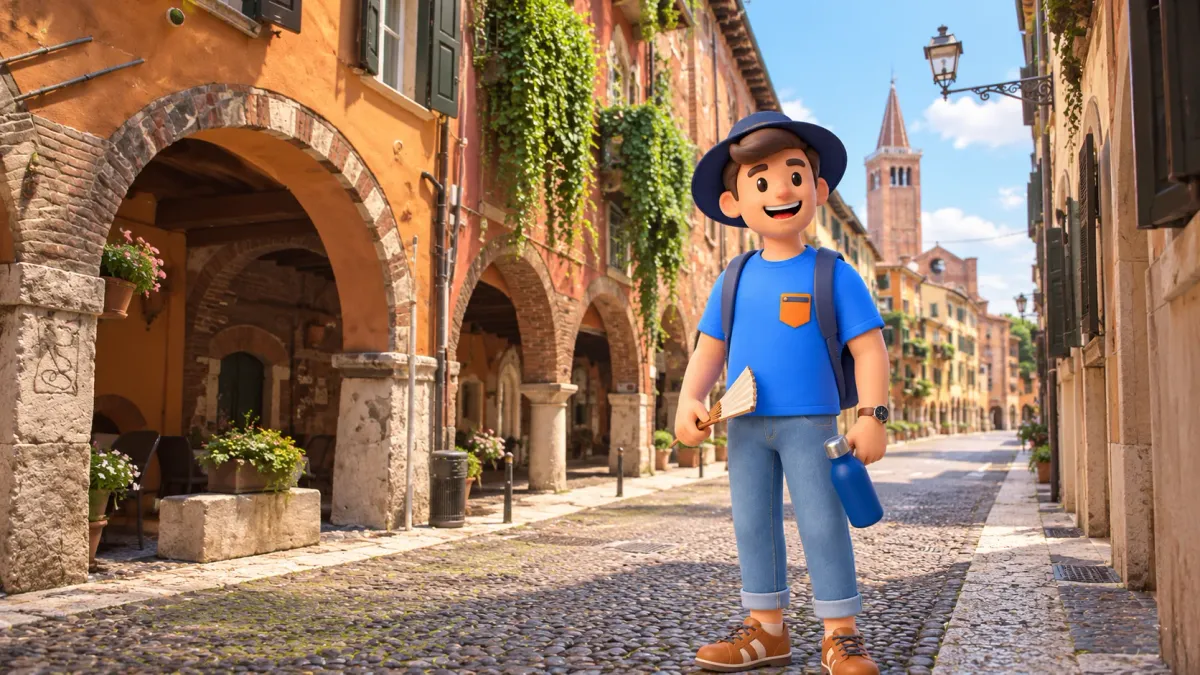
A hot Verona day works better as separate outings with real free time between them. The city does not require an uninterrupted chain from bridge to square and from square to hill. A short morning walk, a long pause and one chosen collection later can keep the trip interesting without spending the entire day outdoors.
Try a morning around Ponte Pietra and Via Sottoriva, return for a proper rest, then visit Palazzo Maffei towards the end of its working day. Afterwards, neighbouring squares can provide a brief outdoor finish if conditions feel comfortable. This is a way to arrange the day, rather than a promise of cool temperatures at particular hours.
Divide the day before choosing more places
Start with two separate decisions: how much time you want outdoors in the morning and what genuinely interests you after the break. Here the morning section takes approximately 60–75 minutes including stops. Allow 75–90 minutes for the museum and another 20–30 minutes for an optional evening walk. Journeys between your accommodation and these sections are extra.
RoadMe makes preparing a personal trip around your interests and pace much more convenient. Try arranging walks, museums and downtime across your Verona days in the app, so separate ideas become an enjoyable plan without repeatedly joining them together yourself.
Add around 20–30 minutes for a local pause and 20–30 minutes of flexibility: that gives approximately 195–255 minutes of activity spread across the day. The long midday rest, journeys to and from your accommodation, lunch and dinner sit outside that total. These are editorial estimates, not measured timings or a continuous four-hour walk in the sun.
Choose your actual morning around the forecast and conditions on the ground. An early start does not guarantee freshness, and the river does not promise a breeze. If even a small outing feels uncomfortable, reduce it to one place or postpone it. The value of this arrangement is preserving a few good experiences rather than completing a compulsory distance.
Give the morning a small area around Ponte Pietra
Begin at the old-town end of Ponte Pietra, looking at the river and crossing. Roman origins, later changes and reconstruction after the war make it different from an untouched ancient structure. Pale stone alongside brick provides a visible starting point for understanding those layers, without requiring a long historical introduction.
This morning does not require both riverbanks or a climb towards Castel San Pietro. A few minutes by the water can lead along Via Ponte Pietra to Piazzetta Bra Molinari, then through Via Sottoriva to Piazzetta Pescheria. You stay within a small part of the old town, moving between an open river view and a more enclosed street.
Choose one theme for looking: the relationship between water and wall colours, a rhythm of windows, or the change from a broad view to a close detail. That keeps the outing interesting even when you have already decided to stop after about an hour. Getting to know a place does not require constantly extending the distance.
Finishing at Pescheria does not automatically bring you back to the start. Plan the route to your accommodation or resting place and add it separately. If that connection is long, reduce the main outing further. The journey after the last sight is still part of the actual day, however minor it may look on a general city map.
Use Sottoriva’s character without assuming constant shade
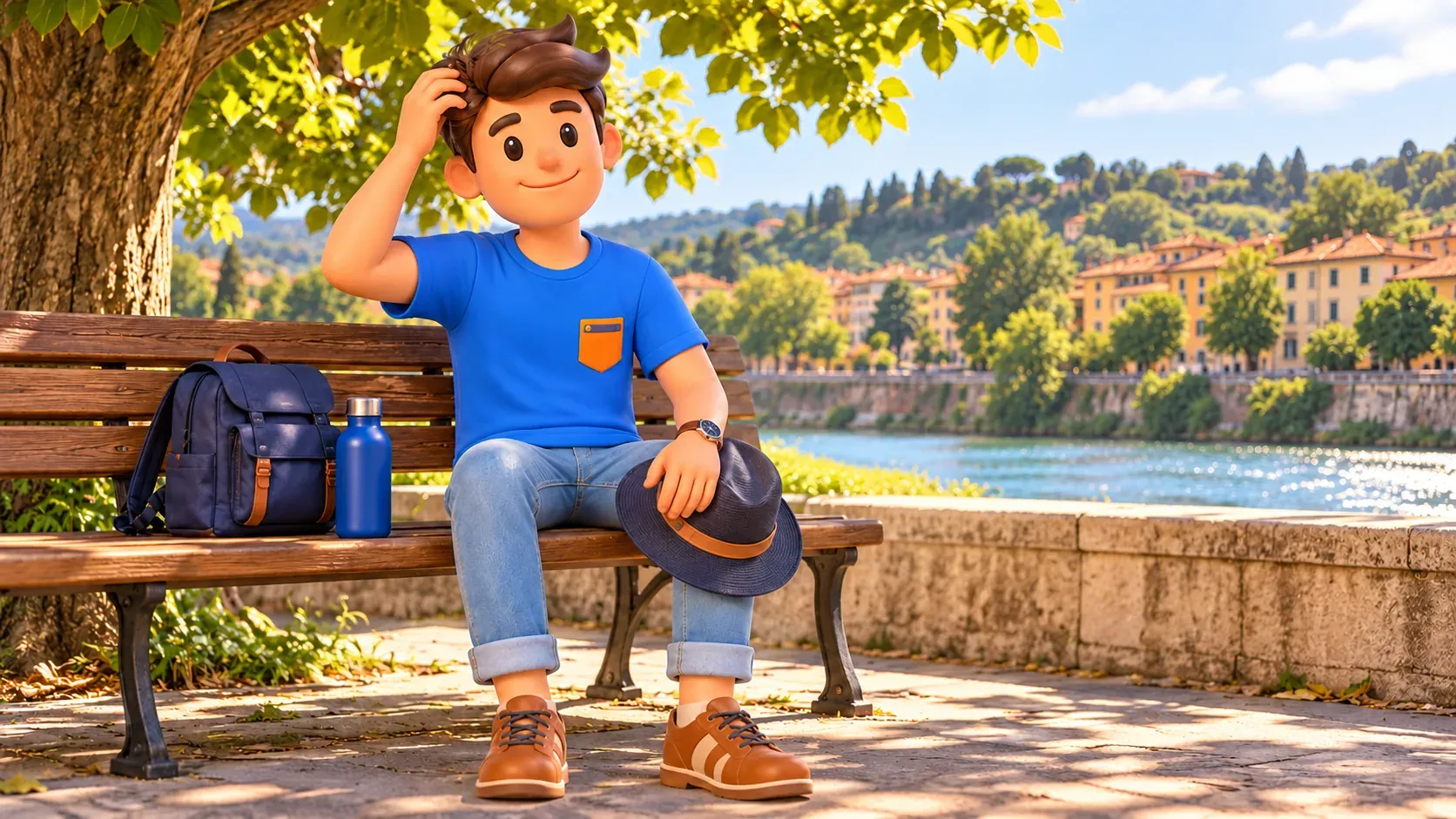
Sottoriva has more to offer than arcades. The street lies below the neighbouring riverside level, and its history connects with working and trading life by the water, including mills. Moving from an open river space to low porticoes changes the urban setting without adding another museum or a distant district.
An arcade runs along one side, but it does not make the whole route continuously shaded or cool. Shade changes with the sun, some connections remain exposed and other people use the passage. Choose a suitable section according to the conditions you find and keep the way clear. You can appreciate the arches without stopping beneath every one.
Short side connections lead towards the riverside, and some involve steps. Sottoriva and the neighbouring riverbank should not be imagined as one uninterrupted level path. The ordinary street connection between its northern and southern ends is enough for this outing. If step-free access matters, check the whole approach that you personally need.
Cafes and osterie may provide a pause, but a table and suitable conditions are not guaranteed. An outdoor terrace does not always offer the kind of rest you want on a hot day. Choose the stop around the group’s actual needs rather than a requirement to sit at the street’s most famous address.
Leave the middle of the day genuinely free
After the morning section, return to your accommodation if that suits you and spend some time without preparing to go anywhere. Avoid automatically filling the interval with a shopping-centre trip, another museum and a long search for lunch. Practical errands also involve movement and attention, even when they are not labelled sightseeing.
The length and shape of the rest are personal choices. Some people want a quiet meal, while others would rather lie down or spend time in a suitable room doing their own thing. This interval does not need to produce another travel experience. It allows the later outing to become a separate activity rather than an extension of a tiring walk.
Before leaving again, reconsider conditions and the remaining time. The plan can end with the morning if that proves enough. If you want to keep the museum, remove the evening squares. Optional parts need to remain optional; otherwise a long break simply becomes a device for continuing the same overloaded programme later.
Decide how to reach the next stop before setting off. Walking across the entire centre can take longer than the outdoor sightseeing section itself. Select transport around your own location and current arrangements. Do not assume a vehicle can stop immediately outside every old-town doorway. Transfers need a place in the plan even when you use a short list of attractions.
Choose one collection after the break
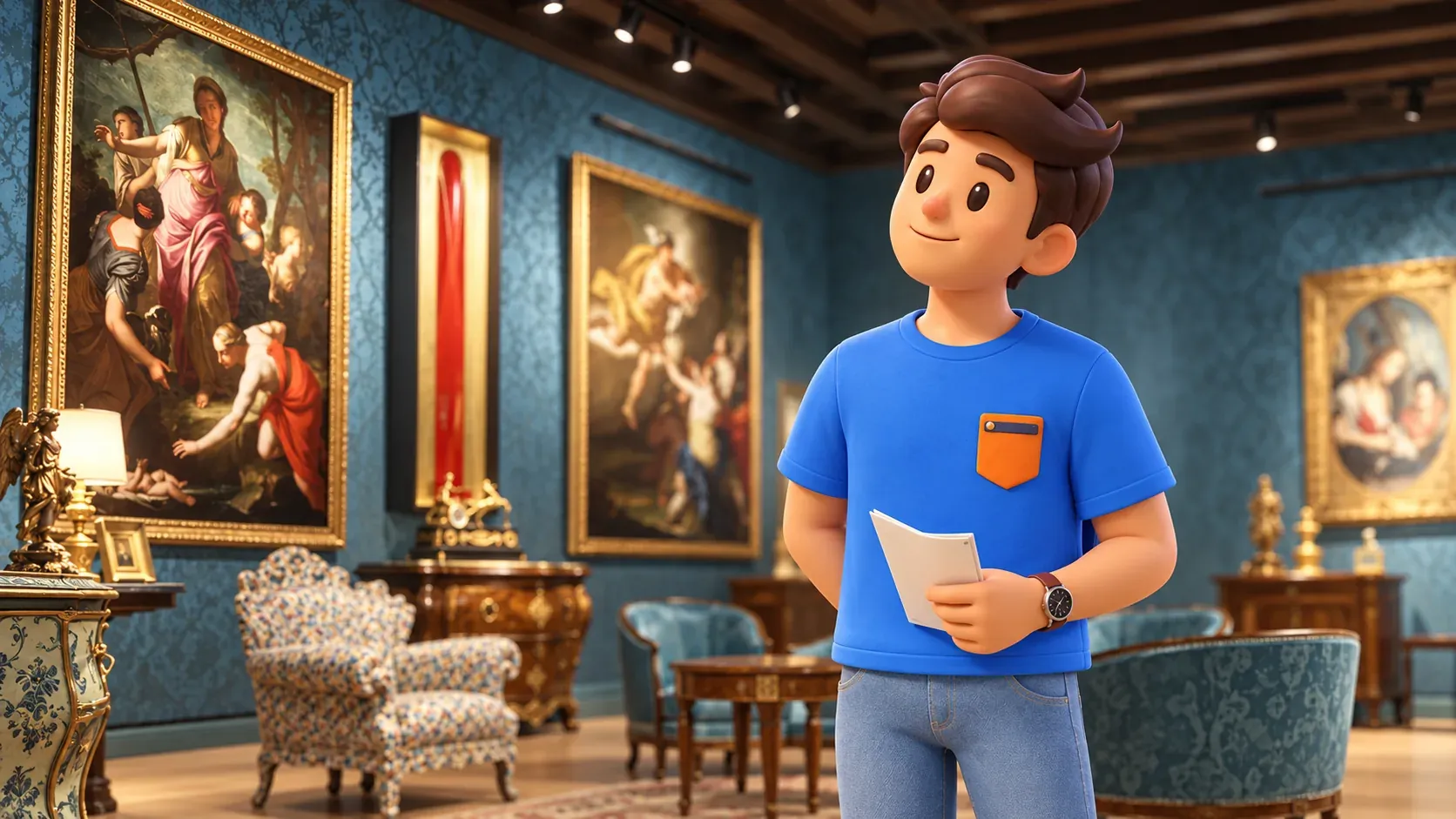
Palazzo Maffei on Piazza delle Erbe makes a useful museum anchor. The house-museum brings ancient, modern and contemporary art into conversation inside a Baroque palace. After the river walk, this changes both the setting and the activity: instead of urban spaces, you look at relationships between objects, materials and artistic choices.
You could begin around 4pm and allow 75–90 minutes, finishing approximately 5.15–5.30pm. This is an example of time allocation, not a guaranteed available admission slot. Ordinary opening is 10am–6pm on Mondays and Wednesday to Sunday, with final admission at 5.10pm. The museum is normally closed on Tuesdays.
Check your specific date and ticket arrangements. On a Tuesday, move this museum section to another day or keep a brief independent outing without it. You do not need to reach a closed door to preserve the proposed sequence. Final admission is also not an appropriate starting point for a full, unhurried hour and a half.
For your own visit, follow different representations of people or the contrast between an old object and a contemporary work. You do not need to identify every artist. Interest comes from attentive comparison and the way art occupies the palace rooms. The visit then has a purpose of its own, beyond simply waiting for evening.
Indoors does not automatically mean cool
A museum address does not establish air conditioning in every room or a particular temperature. Verona has introduced temporary restrictions on individual civic museum rooms during periods of intense heat. Before making a whole day depend on a particular interior, check the access and conditions of the place you choose.
Do not apply one museum’s restrictions to every institution, or assume all rooms have reopened merely because the month changed. What matters is your chosen museum on your actual date. At Palazzo Maffei this plan concentrates on the rooms; the terrace and open views are not compulsory parts of the programme.
Keep food and drinks for a separate pause, following the venue’s rules. Historic furniture on display is not ordinary visitor seating, so ask staff if you need somewhere to sit. A comfortable museum visit depends on interest in the collection and suitable arrangements, rather than assuming any old building automatically resolves hot weather.
Use RoadMe to shape the whole trip around your preferred balance of art, walks and rest. The app helps connect your interests and pace into personal days; try bringing the ideas together there for a more convenient itinerary.
Keep the evening to neighbouring squares
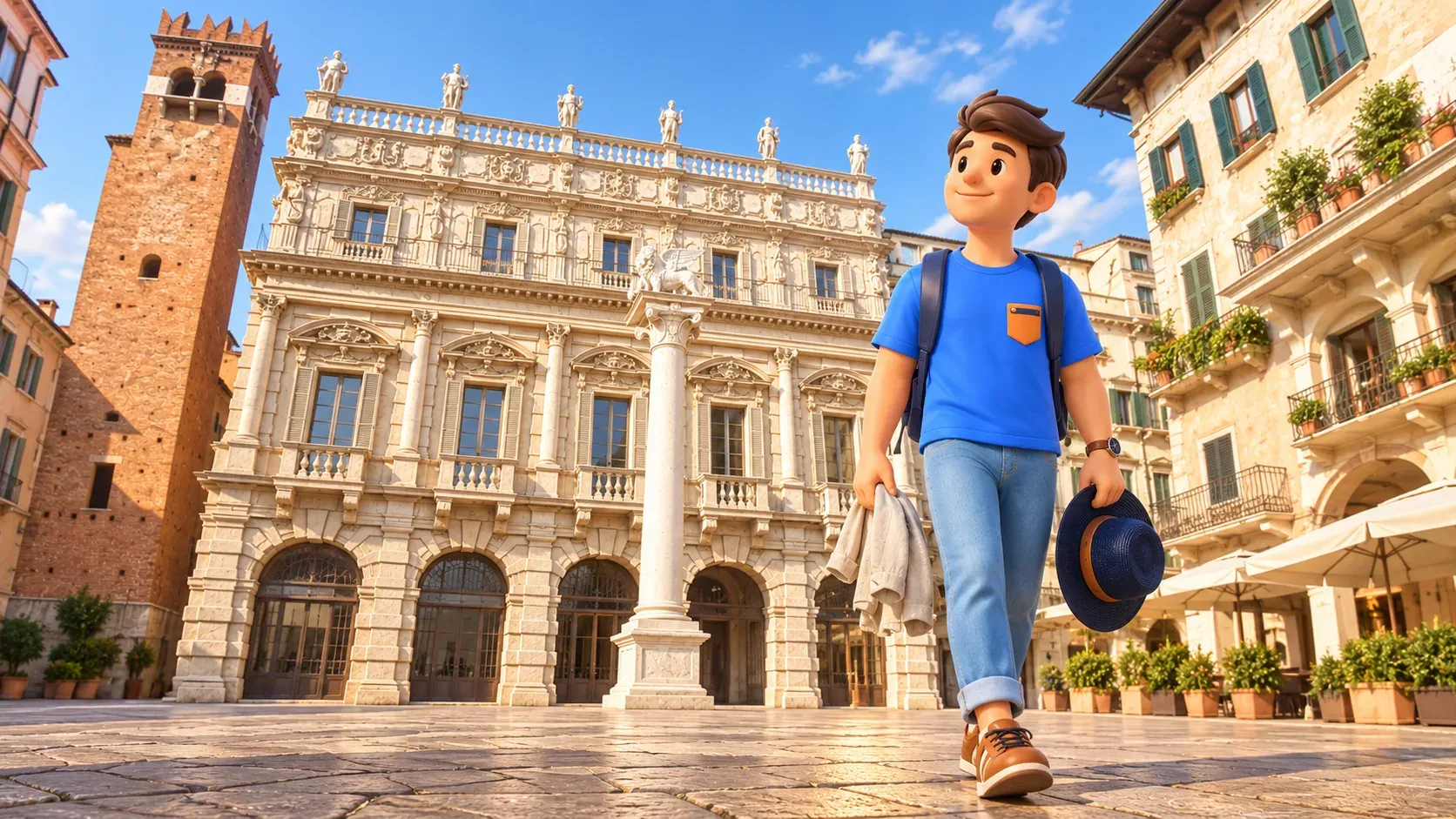
After Maffei, if conditions suit, cross Erbe and go through Arco della Costa to Piazza dei Signori. Around 20–30 minutes with brief stops is enough to encounter two different civic spaces. Then continue to dinner or return to your accommodation. A distant river circuit and a hill climb are unnecessary to complete this day.
At Erbe, notice facades from different periods; at Signori, look at how buildings frame the space around Dante’s monument. By the end of the day, comparing the enclosed feeling of Sottoriva with an open square can be satisfying. It does not require another ticket or a detailed analysis of every palace.
If evening still feels uncomfortable for a walk, finish with the museum. For another morning, our Verona morning walking article offers ideas. A day with a long free interval between its main experiences can leave a clearer memory of each one.


