First Time in Tokyo: Choose Neighborhoods for Your Interests
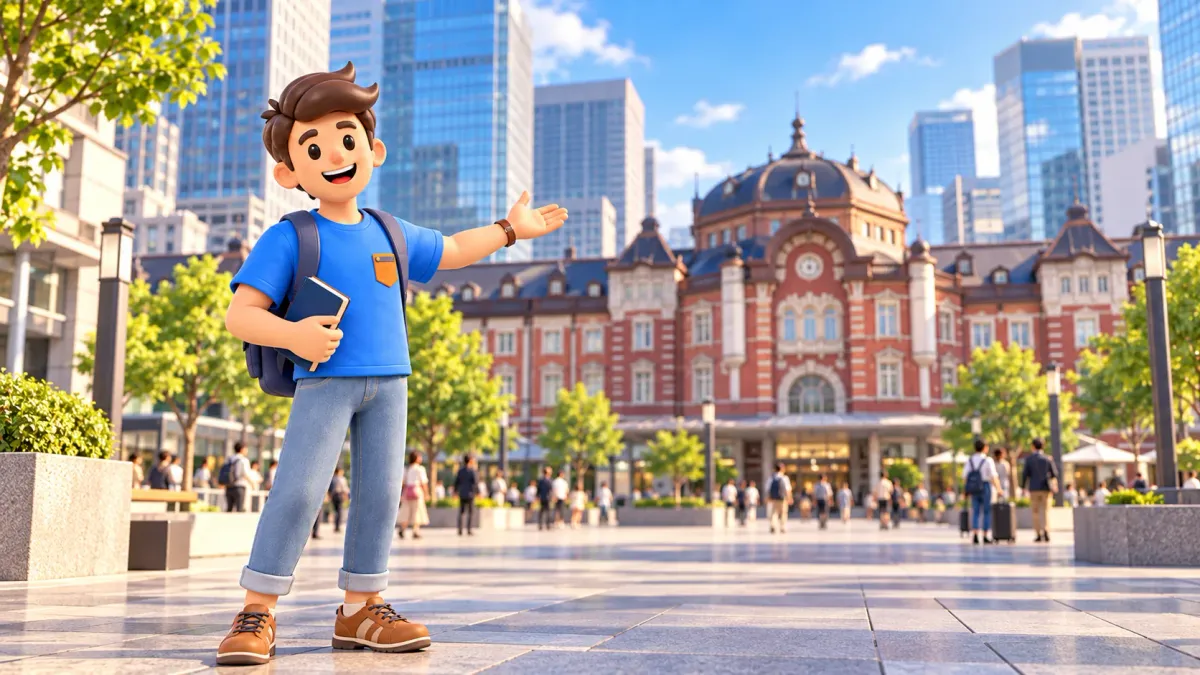
For a first visit to Tokyo, choose a few neighborhoods around the experiences you actually want: Asakusa for a temple-centered walk, Ueno for a museum and park, Shibuya for the energy of a big city, and Odaiba for the bay. Add Meiji Jingu if you want a quieter religious setting, or Marunouchi if architecture holds your attention. Those choices already give a trip a clear shape.
The useful question is how you want to spend your time between the famous photographs. A museum afternoon, a riverside walk and an evening among bright buildings ask for different amounts of attention. This guide helps you decide which districts deserve room in your trip before you start arranging individual stops.
Choose the experience before the neighborhood
Begin with two or three interests rather than a long list of attractions. You might want traditional architecture, a substantial art collection and one memorable evening view. Another traveler might prefer gardens, science and unhurried outdoor time. Both can have a rewarding first visit, even when their plans share very few stops.
For a more convenient way to turn those interests into a personal trip, try RoadMe: it builds a day-by-day plan around your dates, interests and preferred pace. You get a coherent starting plan instead of having to arrange every neighborhood and visit yourself.
Give each day one main experience and one lighter companion. A major museum can be the main experience, followed by a park walk. A temple neighborhood can lead into riverside time. This keeps the plan readable: when you are tired, you know which part matters most and which part can become shorter.
Also distinguish sightseeing areas from accommodation choices. Wanting to explore Shibuya does not automatically mean you should sleep there. Your station connections, arrival arrangements and tolerance for evening activity matter separately. Decide what to see first; compare places to stay as a different planning task.
Before you compare detailed schedules, ask each companion to name one experience they would be disappointed to miss. Then agree what an ordinary visit means: a brief introduction or several hours inside. That small conversation can prevent a surprising amount of disagreement later. You can keep the main part of a day together while allowing different levels of attention at a museum or a park.
Leave some of the spaces between visits undecided. A meal, a rest or a street that catches your attention can be part of the experience, without becoming another attraction to research. The shortlist should support the trip you want to take rather than make every available hour feel assigned.
Asakusa: a temple neighborhood and a river
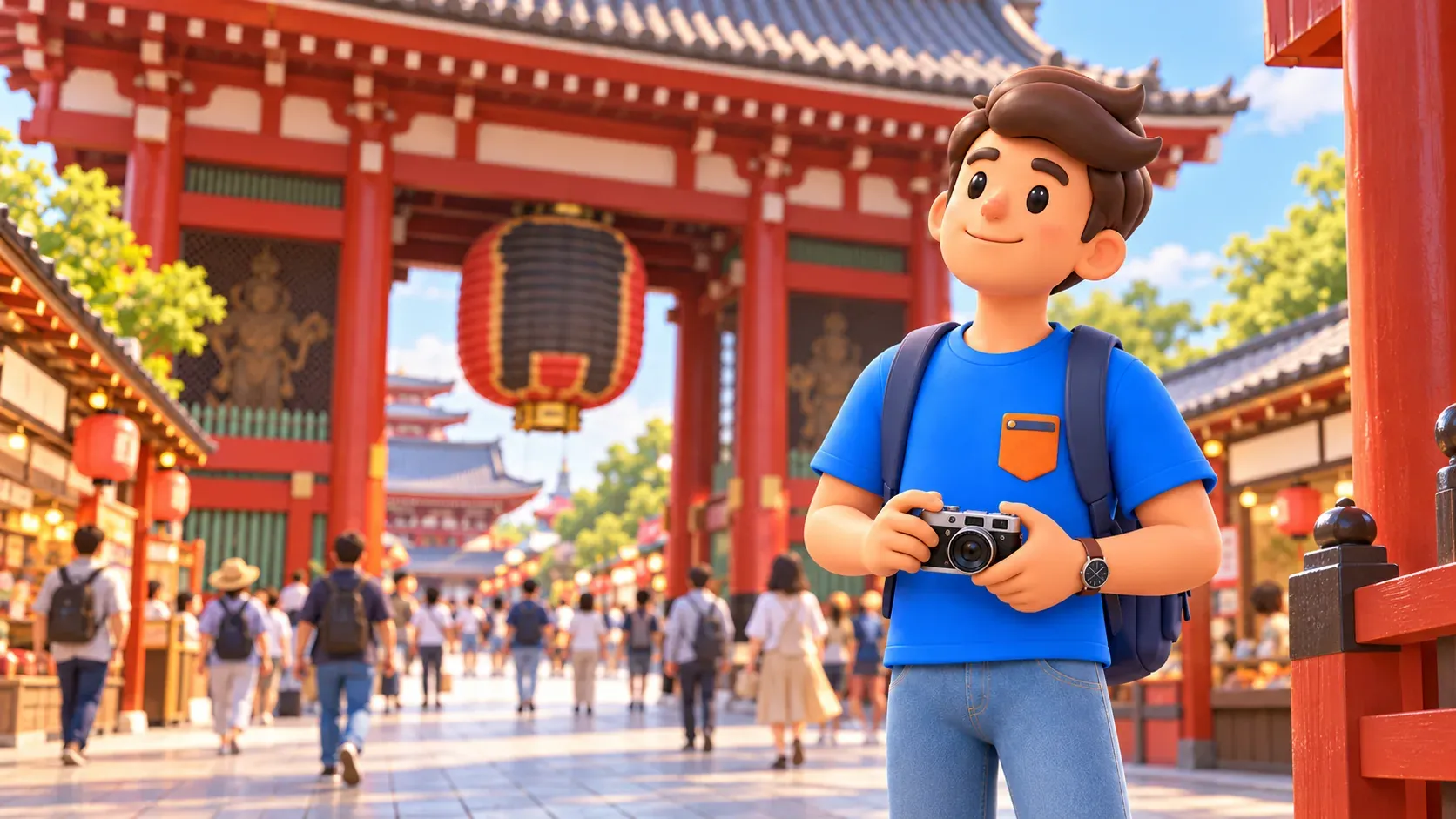
Choose Asakusa when you want a clear introduction to Tokyo's religious and commercial streetscape. Sensoji gives the neighborhood a recognizable center, with Kaminarimon marking a familiar approach. Gates, a temple courtyard and surrounding streets create a sequence you can understand without turning the visit into a detailed architectural lesson.
The value is in watching how different uses share the same area. People come to worship, shop, meet friends and take photographs. Keep the passage clear and treat religious spaces as places in use. Looking carefully at the transition between a busy approach and the temple grounds can be more rewarding than collecting every minor landmark.
After the temple area, the Sumida offers a change of scale. You can give the rest of your available time to the riverside rather than immediately crossing Tokyo. If Tokyo Skytree is a priority, consider it as a separate continuation with its own decision about admission, rather than an automatic addition to a short walk.
Asakusa suits travelers who enjoy details at street level. It can also be the wrong choice for a day when you mainly want a large indoor visit. Choose it for the neighborhood experience, then keep museum-heavy or skyline-focused plans for a more suitable part of the trip.
Ueno: let one museum anchor the day
Choose Ueno when you want cultural depth with space outdoors before or after it. The park brings several institutions and smaller religious places into one area. The Tokyo National Museum, National Museum of Nature and Science and National Museum of Western Art offer very different reasons to come; proximity is not a reason to visit them all.
Select the collection that matches your curiosity. Japanese art and cultural objects, natural history and Western painting require different kinds of attention. Read the current exhibition information before choosing, especially if one particular display is the reason for your visit. A museum name alone does not tell you what will be on view that day.
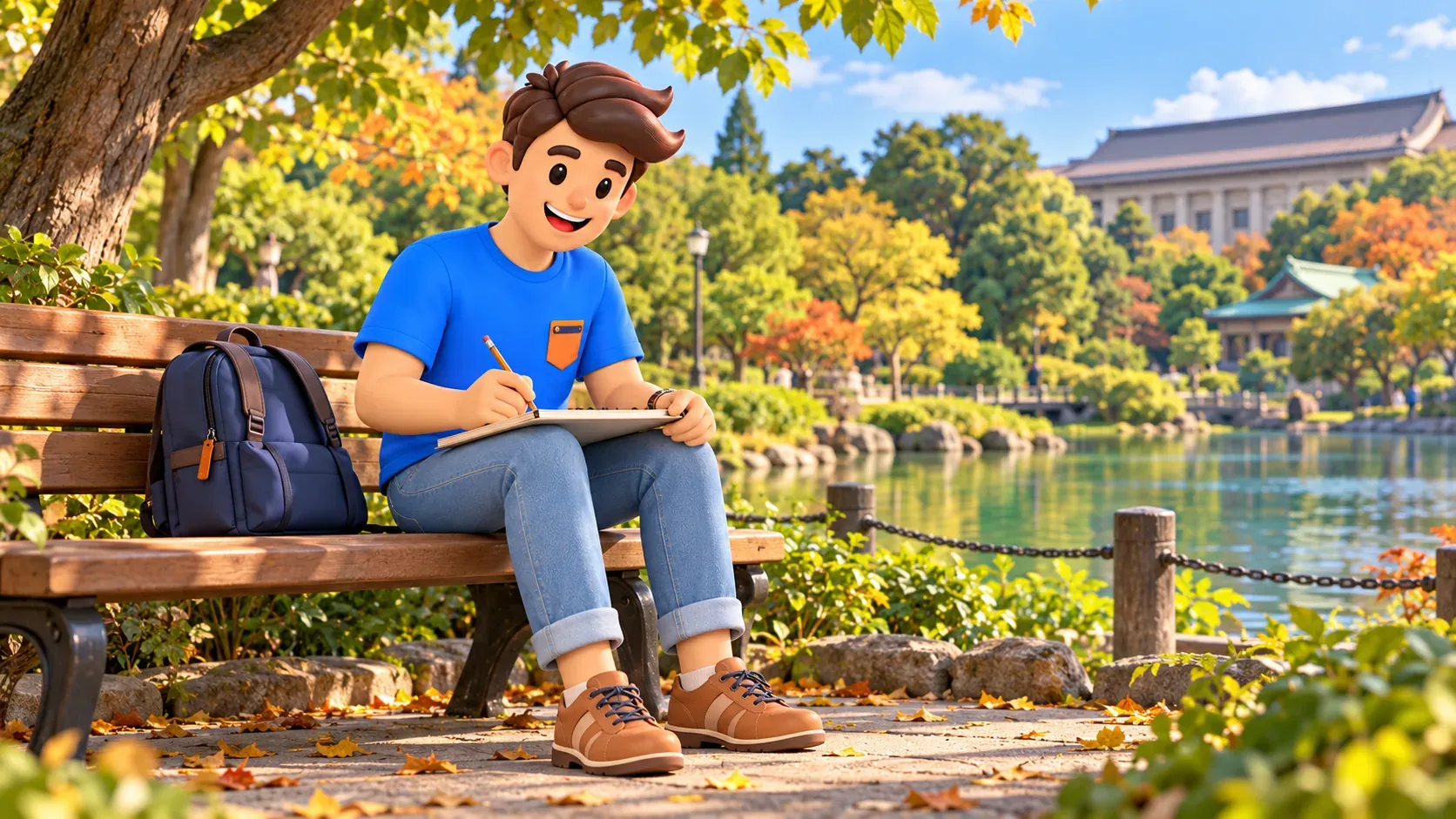
The park then becomes a useful companion rather than a second project. A walk toward Shinobazu Pond, a pause among the trees or a look at a smaller religious building can provide contrast. You do not need a complete circuit to make the museum visit feel like part of a day in Tokyo.
Ueno is a strong choice for travelers who prefer to understand one subject properly. It also offers a straightforward way to give companions different levels of museum time. Agree on the main visit and a meeting point, rather than assuming everyone must inspect every room at the same pace.
Shibuya and Meiji Jingu: two different kinds of attention
Shibuya is a natural choice when you want to experience the movement and density associated with contemporary Tokyo. The crossing and Hachiko statue give a first visit simple reference points. From there, the interest lies in the streets, buildings and changing viewpoints, rather than in a long chain of ticketed attractions.
You can keep this part of the day relatively open. Notice how the crossing looks from street level, then give yourself time to explore the surrounding area. If a high viewpoint is central to the experience you want, plan that visit deliberately and check its conditions separately. An evening walk and an observation-deck booking are different commitments.
Meiji Jingu provides another atmosphere in the wider western part of the city. The wooded approach and shrine setting ask for slower observation. Keep the distinction between Meiji Jingu and nearby Yoyogi Park clear: they are separate places with different purposes and visiting conditions. Choose whether you want one or both.
These areas can belong in the same broader day, with the connection planned rather than guessed. Allow for getting between them and for pauses. Their contrast works best when you have time to notice it; rushing from a shrine photograph to the crossing removes much of the reason to combine them.
Marunouchi: look at the city through its buildings
Choose Marunouchi if you enjoy architecture, public space and the relationship between older buildings and a modern business district. Tokyo Station provides an obvious starting reference. Its exterior and the space in front of it can hold your attention before you decide whether to add another cultural stop.
The Tokyo International Forum and Mitsubishi Ichigokan offer further architectural interests in the area. You can build an exterior-focused walk around a small selection, comparing scale, materials and the way buildings meet the street. Entering a museum is a separate choice, with time and current admission arrangements of its own.
The Imperial Palace area is another possible direction, but name your destination precisely. The East Gardens and the palace itself are not interchangeable visits. Do not assume that reaching the outer area gives access everywhere. If the gardens are important to the day, check their calendar before organizing the surrounding walk.
Odaiba: give the bay enough room
Choose Odaiba when you want a different setting from the central street network: open waterfront space, views across Tokyo Bay and science or entertainment as the main visit. Miraikan can provide a substantial indoor focus, while the waterfront offers a simpler continuation outdoors.
The full-size Unicorn Gundam statue is another recognizable anchor in the supplied city collection. It can give a walk a playful point of interest without making every nearby attraction compulsory. Decide whether your day is primarily about science, entertainment or time by the water; the answer changes how much to include.
Treat Odaiba as a destination with its own travel allowance. Check the connection from your actual starting point and avoid squeezing it into the gap between two unrelated central visits. The bayfront atmosphere is easier to appreciate when the plan includes somewhere to sit and time for an ordinary meal.

Turn a shortlist into a trip that fits
For a short stay, choose one eastern focus such as Asakusa or Ueno, one western focus such as Shibuya or Meiji Jingu, and leave the remaining time for your strongest personal interest. With more days, Marunouchi, a bay visit or a smaller neighborhood can become a separate focus. These are planning options, not a requirement to cover every area.
It is much easier to develop that shortlist into a usable personal itinerary in RoadMe, where your interests and travel pace shape the plan for each day. Prepare the trip in the app so the places you care about form a practical sequence rather than a scattered collection of ideas.
Before fixing the days, check the opening calendar and booking requirements of your main visits. Then check connections between the actual entrances or stations you will use. A rough allowance made while reading is a planning estimate; your arrival point, time inside and breaks can change the final shape considerably.
Keep one lighter option for each day. That might mean a park after a museum, a riverside continuation after a temple visit or simply ending a walk sooner. The aim is to arrive in Tokyo with clear priorities and enough space to enjoy them. A few neighborhoods chosen for the right reasons can make a first trip feel personal from the beginning.