San Francisco Public Transportation: Muni, BART and Clipper Payments

San Francisco public transportation is easier to understand once you separate three things: the operator carrying you, the product covering the journey and the card or device used to pay. Muni, BART and Clipper belong to different layers of that system. Having Clipper does not mean that every train shares one fare.
For a short visit, the main decisions concern ordinary Muni rides, distance-based BART journeys and the separately priced cable cars. This guide compares those choices without prescribing a sightseeing route. Official fares and payment instructions were checked on 28 October 2026; MuniMobile is already undergoing a phased retirement.
Muni, BART and Clipper: what each name means
Muni is San Francisco’s city transport network, including buses, Muni Metro light rail, historic streetcars and cable cars. That last category has special fares. BART is a separate regional railway serving San Francisco and other parts of the Bay Area, with prices depending on the stations used.
Use RoadMe to prepare your complete personal San Francisco trip around your interests and pace. Planning the whole stay in the app is more convenient than collecting disconnected places: you can choose transport that supports the visits you actually want before buying a pass.
| Name | What it does | Key limit |
|---|---|---|
| Muni | City buses and rail services | Cable cars have separate fare rules |
| BART | Regional rail with station-based fares | A Muni visitor pass does not cover it |
| Clipper | Regional payment system and travel card | One payment medium does not create one all-network pass |
| MuniMobile | Muni mobile ticket app in transition | New single-ride sales have already ended |
Read the actual operator and service name when comparing departures. An underground platform is not enough to identify the fare, and a historic vehicle is not automatically a cable car. A regular historic streetcar belongs to ordinary Muni fare coverage; a cable car does not.
Can you pay with a bank card?
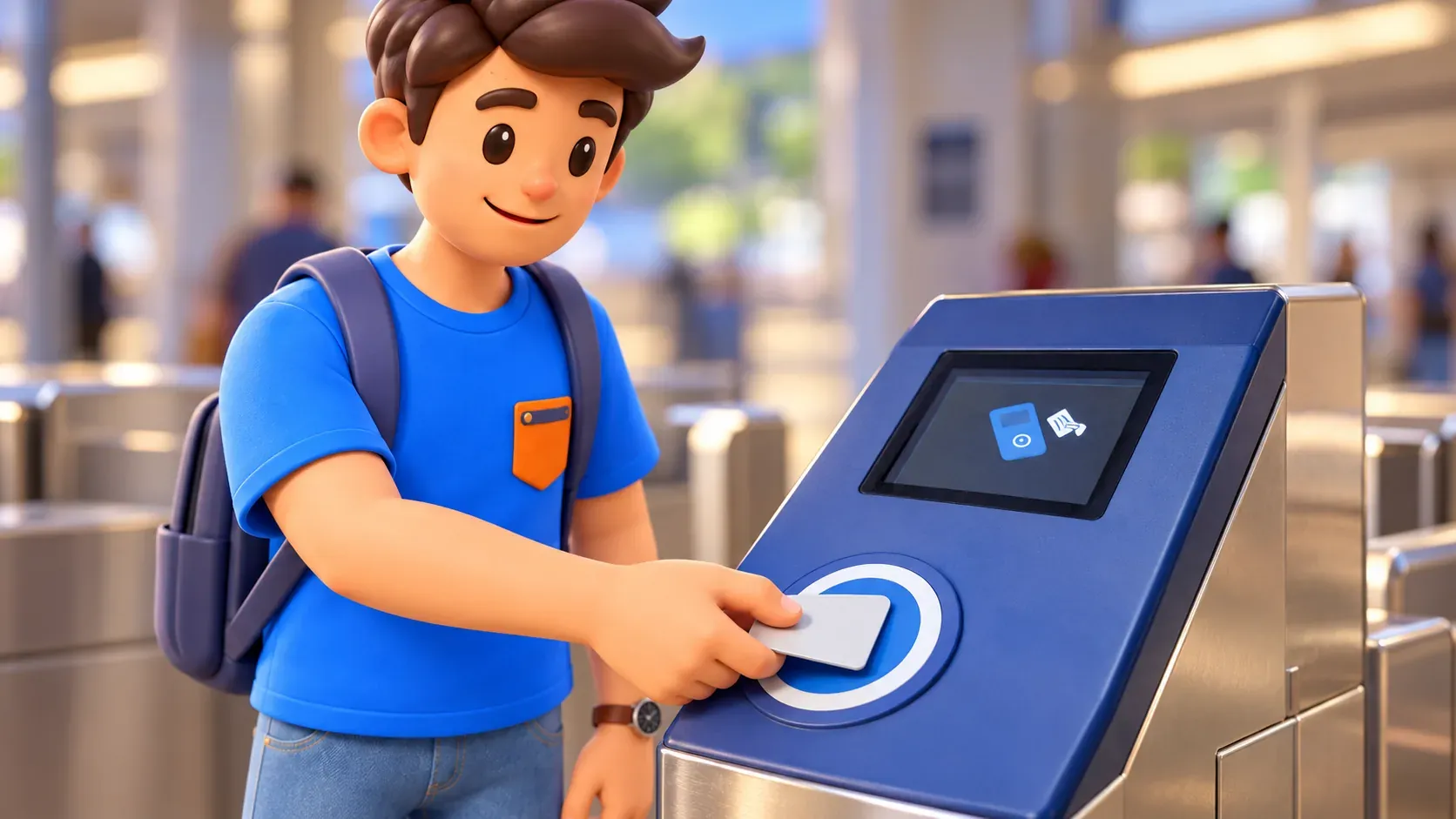
Supported contactless bank cards and mobile wallets can now pay adult fares through Tap and Ride on BART and participating Bay Area systems, including ordinary Muni service. You do not have to register for a new Clipper card merely to make an eligible adult pay-as-you-go journey.
Choose one card or device before approaching the reader. Take a physical card out of your wallet to avoid presenting several at once. On a phone, know whether you are presenting a digital Clipper card or a bank card: they are separate payment credentials, even if they are funded from the same account.
Each BART rider needs their own card or device and must use that same medium at entry and exit. Do not tap a physical bank card to enter and the phone version to leave. Several people cannot take turns using one physical card for the same journey.
Contactless bank payment charges the adult fare. It does not automatically recognise a youth, senior or eligibility-based Clipper concession. Anyone entitled to a discount should use the official eligible card or product rather than expect their ordinary bank card to prove that status.
Check international usability with the actual card issuer and keep a working alternative. A familiar card brand does not guarantee acceptance of every issued card. Set up payment before boarding, with enough battery for the journey and any inspection.
When a Clipper card is useful
Clipper can hold stored value and supported passes. It is useful when you want a particular Muni product or an eligible concession, or prefer to separate travel spending from direct bank-card taps. The balance and any pass are different: adding money does not itself purchase a Visitor Passport.
A digital Clipper card belongs to the device on which it is presented. Do not treat a plastic card, its wallet replacement and another phone as one interchangeable object during a trip. Follow the actual transfer-to-wallet instructions before changing the medium you intend to use.
Tap when boarding Muni even if a valid pass is loaded. On BART, tap at both ends. On a cable car, Clipper’s official instructions direct you to the conductor’s handheld reader. The same card can therefore require different actions according to the service.
Ordinary Muni fares and the 120-minute window
The published adult single fare is $2.85 by Clipper or eligible contactless credit/debit payment, compared with $3 in cash or at a Metro ticket machine. Ordinary Muni travel is covered for 120 minutes, including qualifying transfers between its buses and light rail. Cable cars are excluded.
Watch the actual validity time, particularly if you stop for a meal or museum visit. Two boardings close together may fall within the same paid period; two journeys separated by several hours generally do not. Count independent fare periods when comparing a pass, rather than counting every vehicle you board.
For cash on a vehicle, bring exact change and keep the fare receipt throughout the journey. It is evidence of payment even if you do not plan another transfer. At a Muni Metro station, follow the ticket-machine and gate instructions instead of expecting the onboard cash procedure underground.
Muni does not require a tap out at exit; BART does. Confusing those rules can leave a regional journey incomplete or lead you to search for a Muni exit validator that you do not need. Keep the two systems separate in your payment habits.
Muni Day Pass or Visitor Passport?
The adult Muni-Only Day Pass costs $5.70 and covers unlimited ordinary Muni buses, trains and historic streetcars through 11:59 p.m. It excludes cable cars and BART. It is a calendar-day product, not 24 hours starting at your first afternoon ride.
It can currently be purchased through Clipper or MuniMobile. Cash purchase is also possible at the farebox on a Muni vehicle: tell the operator that you want the day pass before inserting money. Do not assume that feeding the single fare into a farebox buys a different product automatically.
The one-day Visitor Passport costs $15 and includes Muni’s cable cars as well as its regular services. It also expires at 11:59 p.m. The three- and seven-day versions cover consecutive days, with expiry on the third or seventh day; none is an ordinary BART pass.
| Product | Ordinary Muni | Cable cars | BART |
|---|---|---|---|
| Muni adult single | 120-minute coverage | No | No |
| Muni-Only Day Pass | Until that day’s expiry | No | No |
| Visitor Passport | During purchased validity | Yes | No |
At current adult electronic fares, two separate Muni fare periods equal the day-pass price; a third independent paid period makes the pass cheaper. That calculation changes if rides share a valid transfer window, qualify for a regional discount or are free for the passenger concerned.
Two separately paid cable-car rides cost more than the one-day Passport. But the Passport only brings that saving if you actually make the rides during its valid day. It does not reserve space, bypass a boarding queue or turn cable cars into a faster connection.
A shared Clipper reader is not evidence of a universal daily spending cap. Check the current product and operator rules; do not assume that ordinary bank-card taps will automatically buy the pass you intended. Budget announcements about future fare changes are not the same as fares already in operation.
BART: check the station pair and tap out
BART pricing depends on where you enter and leave. Check the current fare for the actual station pair, especially for a regional or airport journey. A price quoted for a short city ride cannot be extended to every destination on the same railway.
Use the same Clipper card or contactless payment medium at entry and exit and wait for acceptance. Keep it available until you have left the system. A bank transaction notification is not a substitute for a correctly recorded entry or the medium an inspector needs to check.
If a reader rejects your card or the gate does not open, ask a station agent before switching to another payment method. BART staff can help establish which bank card was used. Repeated experimental taps with several devices make the record harder to understand.
BART does not offer an ordinary tourist weekly or monthly unlimited pass for all its journeys. Some specific local products have limited BART coverage, but that does not extend a Muni Visitor Passport to the regional system. For a short visit, separate your chosen Muni product from the expected BART fares.
Regional transfers are discounts, not one universal ticket
Current Tap and Ride and Clipper rules provide an interagency transfer discount of up to $2.85 within the applicable two-hour window. A transfer from BART to another participating operator may therefore cost less than buying both journeys independently.
Keep the same payment credential and check the actual operator combination. “Up to” does not promise that every onward trip is free, and cable cars are excluded from these transfer discounts. A separate mobile ticket should not be assumed to share the transaction history of a Clipper or bank-card tap.
The discount window is also not permission to spread several unrelated outings over an entire day. When comparing a pass, separate travel in one linked period from a new journey much later. Our guide to public transport tickets, zones and validation abroad explains the same distinction between a payment medium and its actual travel rights.
MuniMobile has changed: check before downloading
New single-ride tickets stopped being sold through MuniMobile on 1 September 2026. Older guides that tell everyone to buy every ordinary Muni ride in that app are therefore out of date. Current alternatives include Clipper, eligible direct bank-card payment, cash and the relevant ticket-machine procedure.
During the remainder of 2026, the app still lists products including Muni-only day passes, cable-car tickets and Visitor Passports. It has not disappeared overnight. However, SFMTA is retiring functions gradually and currently schedules the end of day-pass sales in the app for 3 January 2027.
Check the current availability of the specific product before relying on a screenshot or an old review. If you already hold a mobile ticket, follow its real activation and presentation instructions. Do not replace the live ticket with a screenshot or assume that a purchase confirmation is an activated fare.
International users should also confirm account and payment access before making the app their only option. If setup fails, choose an officially supported alternative suited to the product; do not spend a boarding queue trying to solve account registration.
Cable cars are a separate experience
San Francisco’s cable cars use a moving cable beneath the street, a form of travel rooted in the city’s nineteenth-century history. They were designated a National Historic Landmark in 1964. Their value is partly the experience of the vehicle and its hill-climbing mechanism, rather than only efficient transport.
The published single ride costs $9 and is one way, without a free transfer between cable-car lines. A regular Muni single ticket or Muni-only Day Pass does not cover it. If several cable-car rides matter to your visit, compare them with the actual Visitor Passport validity.
Buy ahead of boarding where required at terminal locations and follow the current on-site directions. Official pages show different terminal purchase-hour wording, so do not use a remembered time as a reason to arrive without a ticket. A valid fare still does not guarantee immediate boarding.
Cable cars are not equipped for accessible boarding. They should not be the assumed essential connection for someone who needs a step-free journey. Choose suitable ordinary services and check the actual stop and elevator arrangements instead.

Children, luggage and the time between stops
Ordinary Muni service is free for young people aged 18 and under; that general offer excludes cable cars. The cable-car page lists free travel for children aged four and under. Do not carry the Muni youth rule over to BART or assume every teenager rides a cable car free.
Visitor Passports have the same published price across ages and abilities, so buying one for every family member is not automatically good value. Check each person’s actual fare rights before buying identical products for the whole group.
For suitcases, think beyond the vehicle. Hills, the distance from a stop to accommodation, platform access and crowded boarding can change what feels practical. An apparently short walk can be the tiring part of the journey after a flight.
Compare the whole journey with our guide to total travel time and cost, allowing for waiting and access rather than only the minutes spent moving. Keep accommodation arrival and any airport rail fare separate from an ordinary Muni day budget.
RoadMe helps you work out a complete personal trip plan that fits your interests, walking pace and time for breaks. Preparing it in the app makes transport choices more effective: the pass serves your stay instead of pushing you into extra rides simply because they are included.

A short check before the first journey
- Identify Muni, BART or cable car for the actual service.
- Choose one supported card or device per BART passenger.
- Check the pass, balance and start or expiry conditions.
- Tap Muni when boarding; tap BART at entry and exit.
- Allow for regional discounts without assuming unlimited coverage.
- Keep a working payment alternative and enough phone battery.
The useful question is not whether San Francisco has one transport card. It is whether your chosen product covers the journeys you need, on the right medium, during the time you will use it. Once those details are clear, Muni and BART can support the visit without dictating its shape.