
Royal Palace or Royal Collections Gallery: which Madrid visit?
Madrid’s Royal Palace and Royal Collections Gallery are neighbours offering different experiences. Choose the Palace for ceremonial interiors and the spatial character of court life; choose the Gallery for paintings, sculpture, tapestries, furniture and other objects brought into a museum narrative. One indoor visit is enough for a first introduction. Allow around four hours including entry, a short exterior look and a break. Travel to the start and your return require additional time. Neither option needs the other to make a worthwhile outing.
Would you rather remember a room or an object?
Imagine two memories. One contains a staircase’s scale, a sequence of rooms, a ceiling and decoration working together. The other centres on an individual object, its material, craftsmanship and commission. The first points towards the Palace, the second towards the Gallery. This is not a ranking or rigid division: the Palace contains artworks, while the Gallery has important architecture. The difference concerns how you want to look and where you would enjoy spending attention.
It is easier to turn this choice into a trip with RoadMe, which develops a personal plan around your interests, dates, pace and budget. Try giving the selected visit its own time and distributing walks and rest across your days, for a journey that suits you without assembling every connection yourself.
If you have long wanted to see actual palace rooms, a modern museum will not replace that wish. If relationships between painting, textiles, metal and wood matter more, the Gallery may fit better. Do not buy both simply because their entrances are nearby. Each requires checks, orientation and attention. A substantial first experience need not improve through a rush to a second. One clear priority helps you choose and finish comfortably without measuring the day by the number of addresses visited.
The Palace: see an interior as an ensemble
In the Palace, the ensemble matters. A room works through height, circulation, light, ceiling painting, wall treatments and objects within their setting. You need not recognise every style immediately. Choose a question: how does the space express rank, where should a visitor pause, and what changes between rooms? Decoration then becomes more than a quantity of gold. Attentive observation helps explain why different rooms supported different actions rather than forming an interchangeable succession of luxurious interiors.
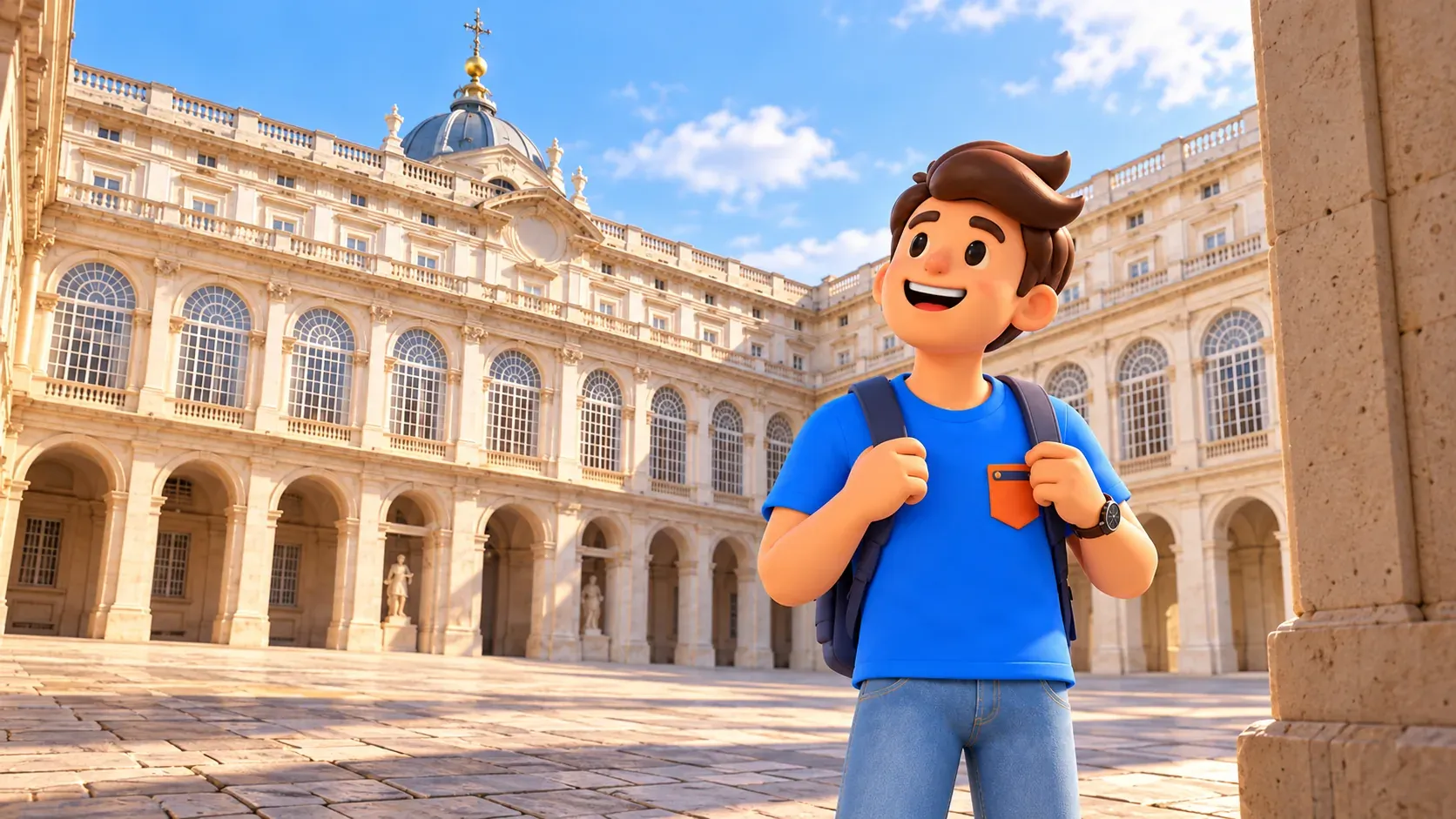
The site’s history predates the present building. After the old Alcázar burned in 1734, Philip V commissioned a new residence. The current Palace’s foundation stone was laid in 1738; Charles III began living here in 1764. These dates describe different stages, not completion of every interior at one moment. Filippo Juvarra and Giovanni Battista Sacchetti were important in the design history. For a first visit, understanding the change from older royal fortress to eighteenth-century palace supplies useful context.
The Gasparini Room, for example, relates to Charles III’s apartments and Mattia Gasparini’s work. Cabinetmaking, embroidery and bronze craftsmanship meet in its decorative history. Look at how materials are coordinated rather than searching only for an isolated valuable object. Where does a motif repeat, and how do furniture and walls relate? Avoid treating the entire interior as an unchanging set completed under one owner. The Palace remained in use, and its decoration developed over time. The whole can be more interesting than any single detail.
Its current ceremonial role also matters: official events can alter tourist access. Visiting open rooms does not mean roaming every part of the residence or observing the present royal family’s everyday home life. Check what your chosen product includes. The Royal Kitchen is a separate experience. Do not automatically add the Kitchen, Pharmacy, Armoury or service areas to an ordinary ticket because they belong to the same complex. A building’s historical contents and the particular public visit are different questions.
The Gallery: read history through things
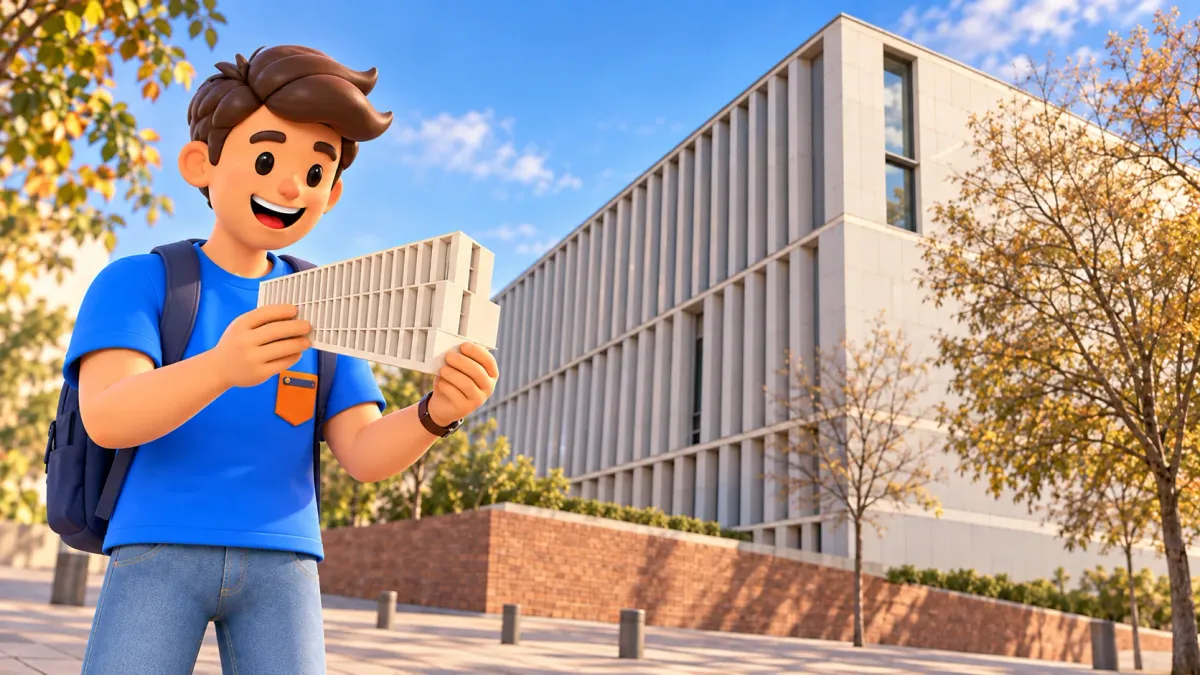
The Royal Collections Gallery is a separate museum in a modern building, rather than another wing of ceremonial rooms. It opened to the public in 2023. Emilio Tuñón and Luis Moreno Mansilla’s design connects large exhibition spaces with the sloping site beside the Palace and Almudena Cathedral. The pale vertical rhythm differs from its historic neighbours. Do not confuse a view of the lower façade with the principal upper visitor entrance: these are different sides and levels of the same building.
Inside, objects enter a conversation. A painting can relate to a tapestry, piece of furniture, book, musical instrument or suit of armour. The approach presents collecting through taste, craftsmanship and representations of power. Expect more than a picture gallery. Objects come from the holdings of different royal sites, not solely from the rooms next door. Today these are state collections cared for by Patrimonio Nacional, rather than the present royal family’s private collection opened through a domestic invitation. Their setting is deliberately museological.
The main narrative moves chronologically, with sections devoted to the Habsburgs and then the Bourbons. Descending between levels belongs to the building’s logic, but you need not memorise every dynasty and family relationship. Follow one material instead. With textiles, notice pattern and its effect from a distance; with wood, surfaces and joins; with metal, form and purpose. Several attentive encounters can provide more than a quick glance at everything. The theme gives you a manageable way to connect objects across the display.
Distinguish a tapestry’s design, its woven execution and the people responsible for each. A painter’s idea and a weaver’s work are different contributions; noticing them reveals collective craftsmanship. This does not turn the visit into a practical workshop. Ordinary admission does not promise handling historic fabric or using tools. Current objects and temporary presentations can change. If you travel for one work, check its presence rather than relying on an old photograph of a display case. Looking closely does not require touching.

Four hours with one indoor visit
Use a calm framework for either alternative, adapting it to your ticket. The durations are editorial estimates without a timed field visit. Begin at the selected institution’s operating visitor entrance, not your hotel door. An illustrative 10:00–14:00 outing allows an indoor start around 10:30 after preparation, if that slot is available. This is neither a reservation nor a promise of tickets, and an official closure overrides the example. The exterior block stays around the upper Palace–Almudena area.
- 30 minutes: entry and orientation. Correct queue, ticket, checks and belongings.
- 120 minutes: selected indoor visit. Palace rooms or Gallery collection, without every additional product.
- 20 minutes: short exterior context. Upper Plaza de la Armería area if accessible, without descending through the whole garden.
- 40 minutes: food and pause. Include a short connection to an open nearby business.
- 30 minutes: reserve. Waiting and slower looking without a tightly booked next visit.
The Gallery estimates an average visit at about two hours. The Palace ticket page lists approximately forty-five minutes for self-guided room viewing; this is not a whole outing with checks and rest. Our two-hour indoor block is editorial allowance for attentive exploration, not a compulsory guided-tour duration. Finish earlier if your product is shorter. Adding the separate Kitchen, a large temporary exhibition or a guided programme requires recalculating actual time rather than fitting every addition into the same framework.
After the Gallery, do not assume a Campo del Moro exit permits an immediate return uphill. The complex has different levels, and your chosen exit affects what follows. Keep the upper Palace and cathedral area for this base day. If gardens are your priority, allow separate time for our Palace and gardens walk. It is a substantial outing, not a continuation that occupies no additional time after any indoor visit. Choose the route that matches the day’s energy.
Entrances and hours: two neighbouring calendars
The Palace’s current ticket page directs visitors through the Almudena esplanade and Plaza de la Armería from 20 August. Older directions towards another façade can produce an unnecessary detour. The Gallery’s principal individual approach is also from upper Plaza de la Armería; Cuesta de la Vega serves certain groups and temporary exhibitions. Follow your own ticket and current signs. Similar place names do not make every door interchangeable, especially if you approach from the lower slope. Reaching the building is not always reaching your entrance.
From October to March, the Palace normally opens Monday–Saturday 10:00–18:00 and Sunday 10:00–16:00. April–September weekday and Saturday closing moves to 19:00, while Sunday remains 16:00. Ticket office and access close an hour beforehand. The Gallery normally opens Monday–Saturday 10:00–20:00 and Sundays and public holidays 10:00–19:00, with last admission forty-five minutes before closing. The two neighbours cannot share a single assumed late finish. Check holiday and official-event exceptions separately before relying on ordinary hours.
A Palace closure does not guarantee suitable Gallery admission next door. Change the date or shorten the day to accessible exteriors rather than depending on an available second ticket. If the interior is particularly important, give it a day with reserve and keep the rest flexible. An ordinary calendar is a planning tool, while actual access still belongs to the chosen institution and date. Avoid making the last entry your only opportunity to see the place you care about most.
Choose a ticket without overloading the day
The combined Pase Distrito Real Esencial connects Palace and Gallery, but does not require both in one morning. Under current individual conditions, the selected time applies to the Palace; Gallery access is valid within seven days before or after that visit, with its own restrictions. Check the particular category before buying. Organised-group rules can differ from individual admission, so someone else’s package is not a precise instruction for your independent visit. Buying access and allocating time remain separate decisions.
Free periods do not provide universal free admission for every traveller. Citizenship, residence or employment conditions and documentary proof apply, while other concession categories have separate grounds. Do not infer eligibility from this article’s language or your departure country. Check your own circumstances with the operator. Ordinary entry, guided tours, audio guides and separate events also differ. A translated website does not guarantee the tour language you want. Choose the particular product and check its conditions before arranging the rest of the day.
If both places genuinely interest you, it is easier to distribute them across days in RoadMe. The app develops a personal trip plan around your interests and pace, giving palace interiors, museum objects and rest enough time without an overloaded morning.

Prepare for the current conditions
Do not repeat an older blanket ban on Palace photography: the current operator allows personal photographs without flash except in specifically prohibited places. The Gallery has restrictions too; leave tripods and selfie sticks out of the plan. Follow staff and signs, do not touch exhibits or lean on cases. For belongings and particular access needs, check entrances and services beforehand. A building’s accessibility does not establish the convenience of every outdoor approach on a slope. Ask about the actual route you intend to use.
The Palace currently recommends avoiding large backpacks, suitcases and bulky bags because of infrastructure works. Do not assume storage without checking. Food and a comfortable finish are enough after the chosen rooms. If your interests shift towards painting across periods, keep our Prado, Thyssen and Reina Sofía comparison for another day. It helps select the next museum through curiosity while preserving each visit’s own time.


