What are sinopie, and why see them in Pisa?
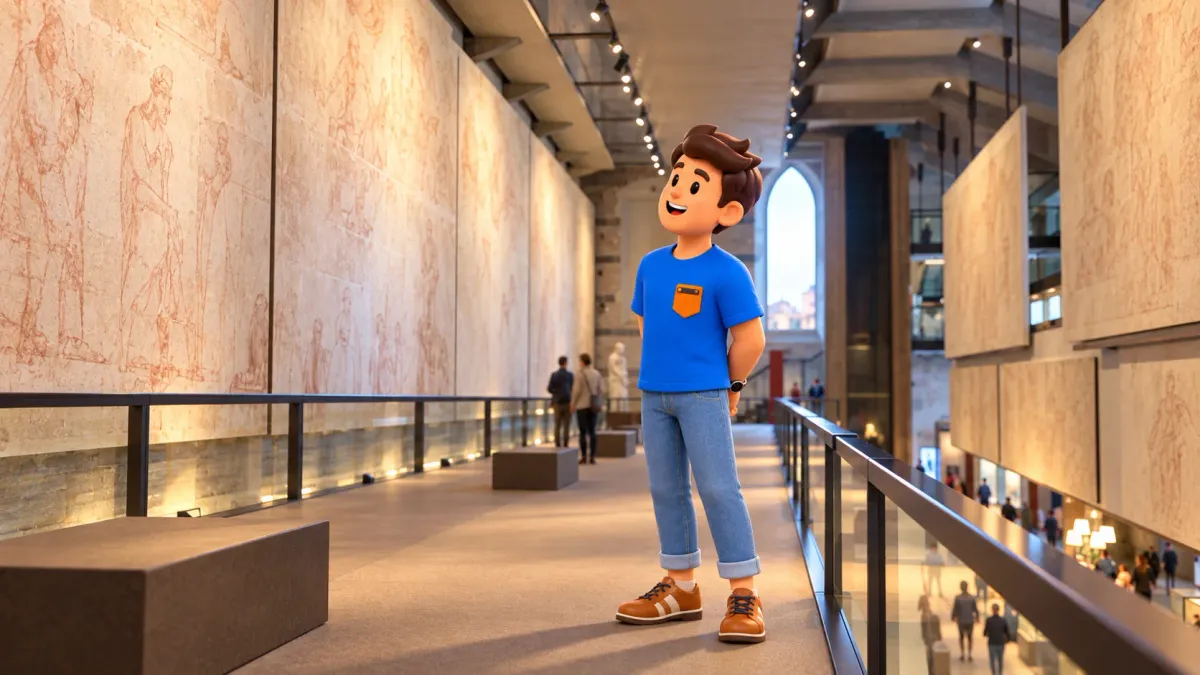
On Cathedral Square, choosing by appearance is easy. The tower surprises with its lean, the cathedral with its facade and the baptistery with its rounded volume. The Sinopie Museum promises something less immediately obvious. Its name explains little if the term is unfamiliar. Yet here you can see something a medieval painter did not intend to display independently: the drawing concealed beneath a finished fresco. It is not a reduced copy of a larger picture, but preparation carried out on the wall itself. It brings you closer to how a monumental image developed before fresh plaster and final painting covered the earlier work.
This museum rewards an interest in process as much as results. Lines reveal the placement of figures, the direction of gestures and the way a large narrative grew from individual decisions. You do not need to remember every artist or every Camposanto subject before coming. Understand the basic relationship between drawing and fresco, then choose a few details to follow. A pale image stops looking like a less spectacular substitute for painting and acquires a purpose of its own. Cathedral Square offers a chance to look at the work behind the accomplishment, rather than only at the finished accomplishment itself.
What does sinopia mean?
RoadMe develops a personalised walk or whole-trip plan around your interests, time and preferred pace. Using it in the app makes exploring Pisa’s art more convenient and effective, with the right depth for you and enough room to connect the museum with other experiences without rushing.
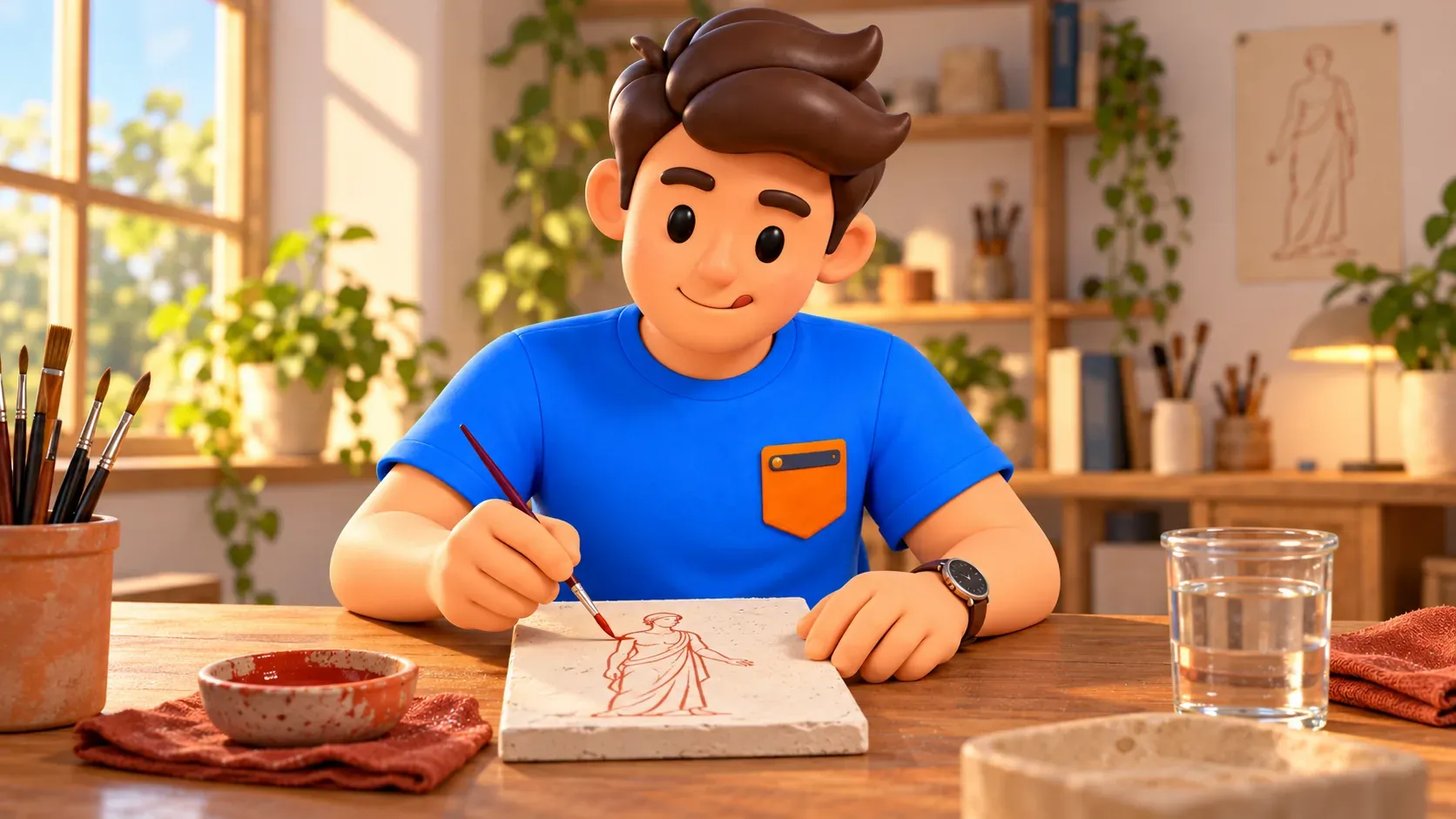
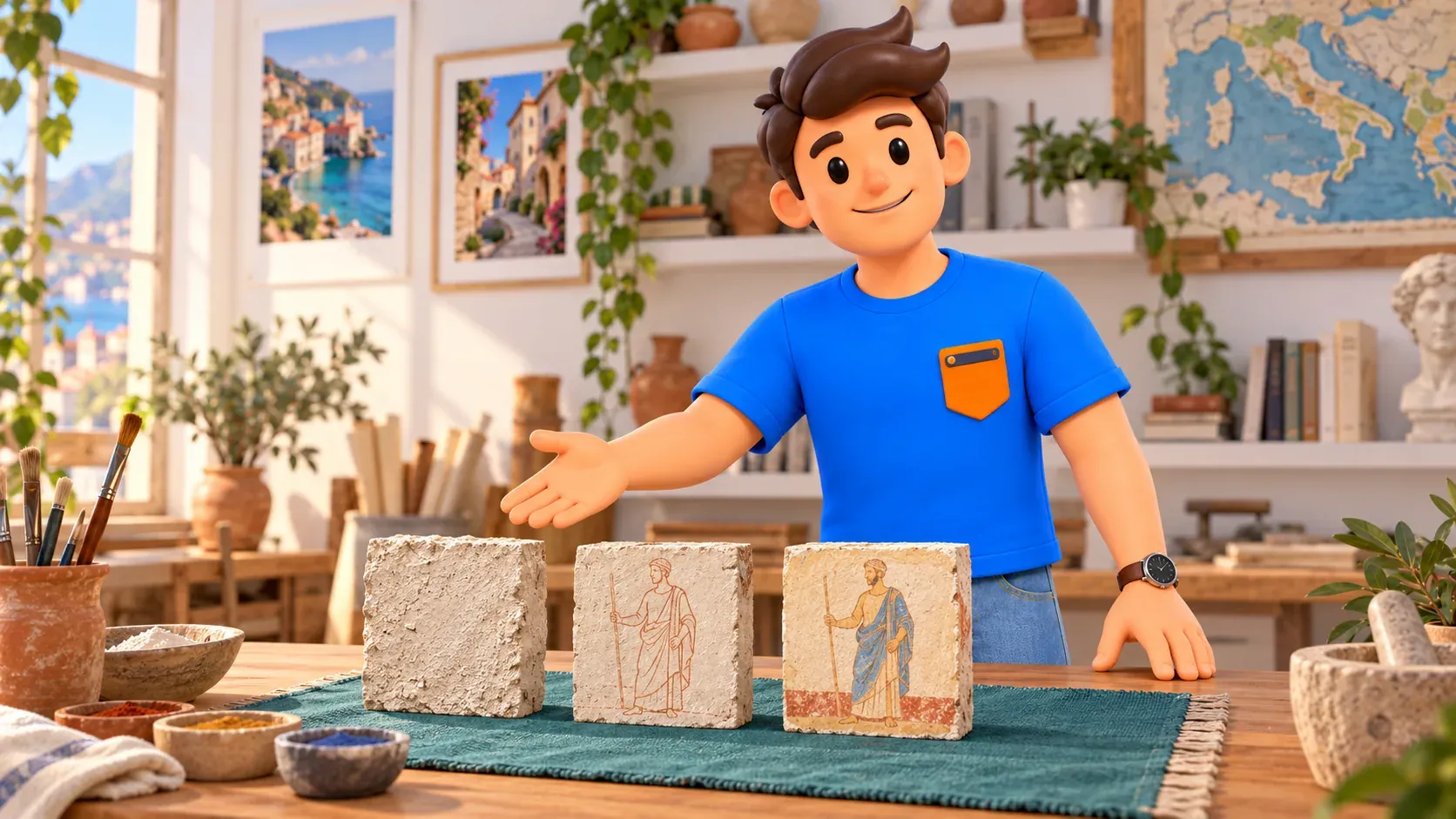
A sinopia is a preparatory drawing for a fresco, made on an initial layer of plaster. It is associated with a reddish pigment; the name recalls Sinope on the Black Sea, known for its red earth. The painter established composition, outlines and relationships between parts of a scene. Remember the function above all. This is not an independent painting left uncoloured, or a paper sketch enlarged for a display case. It belonged to a wall and helped prepare work at its real scale. That gives the encounter a different character from looking at a small graphic sheet or an album page.
A finer layer of fresh plaster followed, supporting the final fresco and concealing the lower drawing. For a simple mental sequence, think of the prepared base, compositional drawing, upper working layer and completed painting. This is a guide to understanding, not a universal instruction identical for every mural. Makers used different techniques and ways of transferring designs. But it explains the central surprise: something now studied as valuable evidence of an idea was no longer meant to be visible in the normal life of a finished wall. Concealment belonged to the process, rather than suggesting that someone accidentally forgot to finish the picture.
Why the drawings have their own museum
The collection’s history is inseparable from loss. In July 1944, wartime fire severely damaged the Camposanto. Saving its wall paintings involved difficult conservation and the removal of painted layers from the walls. Preparatory drawings appeared beneath them and were also detached and preserved. This is therefore not a collection assembled through ordinary acquisition of attractive sketches. It grew from efforts to protect a damaged monument and retain what could still be saved. Keep discovery and destruction in the same account. The catastrophe was not a fortunate event that art somehow needed in order to produce a new attraction.
Discovery does not mean unknown pictures had been resting safely in a closed drawer. It concerns the material layers of a large monument, the risk of further loss and professional decisions made in a particular historical situation. Do not imagine removing a fresco as simply peeling a poster from a wall. Even a brief awareness of the difficulty changes the visit. You see medieval labour and the results of later preservation together. Gaps, fragmentary survival and the present display belong to that history. They cannot restore everything lost, but they help explain the particular value of the drawing that remains.
Step back before following a line
A large wall drawing can be approached too closely too soon: you search for one face and miss the composition. Begin at a distance that allows the main groups to emerge. Where is the densest area, where is space left open, and in which direction does the action move? Then come closer and choose a gesture or a clothing outline. Changing distance connects the overall idea with the work of the hand. You do not need to study every fragment equally. Reading one composition is more satisfying than passing several and noticing only their immense size. Scale explains the task, rather than serving as a record in itself.
A line may seem quick and free, or more insistently worked. Notice a shoulder, a turning head or a bent arm. Avoid declaring every mismatch a correction, or every darker mark the final decision. Material condition and working stages require specialist interpretation. Observation still matters without confident attribution: one passage feels settled, another exploratory; here contour leads, there a sense of volume. This lets you enjoy the drawing without presenting your own impression as a proven conclusion about who changed it and exactly when. Attention need not become certainty to make a visit rewarding and memorable.
Look at relationships between people
Read a sinopia as more than a set of isolated figures. Find who turns towards whom, which gestures connect characters and where a pause separates groups. Even when the subject is unfamiliar, those relationships help the scene become intelligible. A person looks, listens, points or withdraws; an arm directs your eye further. Then use the museum explanation to connect your observation with the work’s title and subject. The label answers a question you have developed rather than replacing the act of looking. Something starts happening within the image even if you have not studied the entire biblical cycle in advance.
Recognising every character is unnecessary for a successful visit. Large murals involved problems of distance, legibility and narrative sequence. Viewers needed to distinguish groups, understand emphasis and move their eyes between episodes. A preparatory drawing helps reveal that structure before colour and final finish. Choose one connection between figures and follow it, rather than trying to read every name immediately. This modest focus is particularly useful when the museum occupies only part of a day. It leaves a definite impression without requiring an exhausting art-history test after each scene, and gives companions something concrete to discuss together.
How comparison with the Camposanto adds value
The Camposanto and the Sinopie Museum share the origin of their works but offer different experiences. At the Camposanto, architectural space, the position of paintings and the impression of a large cycle matter. At the museum, attention turns to preparation and preservation. They complement one another instead of presenting two equivalent sets of pictures. If you choose both, find one composition or theme to compare. A simple question is how the first arrangement of figures relates to the final scene. Do not expect a perfect matching pair for every fragment. Survival, display and available explanation differ, and preparation need not coincide completely with the result.
The order depends on your interest. Start at the Camposanto if you want to see the space before asking what lay beneath the painting. Start with the sinopie if the working process interests you and might change how you read the finished fresco. There is no single correct sequence. What matters is preserving attention for the second visit rather than giving it your last exhausted minutes because it comes next on a list. Nor must a brief stay include both places. One considered choice can be better than doubling the visit when the second part receives neither energy nor curiosity.
The former hospital belongs to the story
The museum occupies a historic former hospital building on the southern side of Cathedral Square. It is not a room inside the Camposanto, despite the collection’s direct relationship with it. Remember that distinction before walking: a shared subject does not mean one entrance or one building. The old Spedale Nuovo adds care for sick people and travellers to the square’s history. This was more than an ensemble of major religious monuments and burial memory; it also served urban needs. Museum use continues the building’s long life, making it another historical layer rather than an incidental container for removed drawings.
Compare the collection’s monumental scale with the present display without mentally assigning every partition to the Middle Ages. An exhibition adapts the building for modern visitors, adding another stage after its hospital history. You do not need a detailed political account of its foundation for an introduction. Simply notice that the square served several aspects of life and acquired further functions later. That thought moves beyond the familiar image of an entire city built to provide a beautiful view of its tower. Monuments belonged to people, work, care, losses and attempts to preserve what later generations might still value.
Who is likely to enjoy this museum?
The museum suits an interest in drawing, craft, conservation and the moment an artistic decision takes shape. It can also appeal to someone normally indifferent to large painting collections, because it offers the accessible question of how something was made. That does not promise identical delight for everyone. If you want fresh air and a walk today, do not choose another museum simply to complete a list. Interest in the material matters more than an obligation to enter every available door. With companions, agree that selective looking is welcome and nobody must analyse every work to the same depth.
With children, look for one gesture, compare a large outline with a small detail, or discuss why a drawing was once hidden. These are conversation ideas, not a promise of an organised children’s workshop. Activities, photography rules and admission conditions need separate confirmation. Do not touch surfaces to explain texture; looking and museum materials are enough. Finish before fatigue turns discovery into waiting for the exit. The memorable thought is simple: beneath a familiar finished image was another, usually invisible stage, and the painter took it seriously without expecting it to receive an independent museum one day.
Fit the sinopie into your own trip
RoadMe creates a personalised plan for the whole trip around what interests you, whether art, history, walks or a mixture. Keeping it in the app is more convenient and effective than rebuilding a day from scattered tips and museum names while trying to maintain a comfortable pace.
Choose your question beforehand: seeing preparatory drawing, comparing it with a fresco, or understanding the Camposanto’s rescue. That determines the attention you want to leave for the museum and whether a second related visit suits you. Check admission and the calendar for your date rather than assuming access to one monument opens every other. Choose this museum for its content. Its main promise is a rare shift of perspective: a finished image stops looking instantly complete, revealing layer, line, decision and labour behind it. That discovery is enough to make a pause on the square a distinct memory of Pisa.
For a visit idea: our Camposanto and Sinopie Museum half-day.