Milan in Hot Weather: A Short Walk, One Museum and Time to Rest

For a hot day in Milan, give the morning one short walk and one museum, then protect a proper midday break. A manageable example starts beside Sforza Castle at 09:00: forty minutes in the castle-side part of Parco Sempione, a selected visit to the Museo d’Arte Antica and a seated pause before returning to your accommodation. Keep the evening optional. This approach leaves room for the city without assuming that a green park, a stone building or a later hour automatically guarantees comfortable conditions.
Build the day around a small area and a real break
Start at Piazza del Cannone, on the park side of the castle. Make a short loop through the nearby park paths, return towards the castle and follow the current visitor signs to the Museo d’Arte Antica in the Corte Ducale. The plan stays close to one complex instead of combining the entire park with the Duomo, shopping streets and an evening canal circuit. Your main outing finishes around 12:30, with travel back still to add.
Try RoadMe for a personal trip plan built around your interests, dates, pace and budget. Organising the whole stay in the app makes it more convenient and efficient to balance museum visits, short walks and meaningful time to rest.
| Example time | What to allow |
|---|---|
| 09:00–09:40 | A short park loop near the castle |
| 09:40–10:00 | All local connections, crossings and museum orientation |
| 10:00–11:30 | Museum admission and a selected collection visit |
| 11:30–12:00 | A seated pause and a light meal or drink |
| 12:00–12:30 | Reserve for the morning’s practical delays |
That is 210 minutes: 40 for the park, 20 for local connections, 90 for the museum, 30 for a pause and 30 in reserve. Allow approximately 1–1.5 kilometres outdoors, depending on the park loop and available entrances. These are planning estimates, not a measured track. Museum walking is additional, as are your journey to Piazza del Cannone and the return to your accommodation. Change the programme if actual conditions make even this shorter outing uncomfortable.
Parco Sempione: choose the nearby paths rather than the whole park
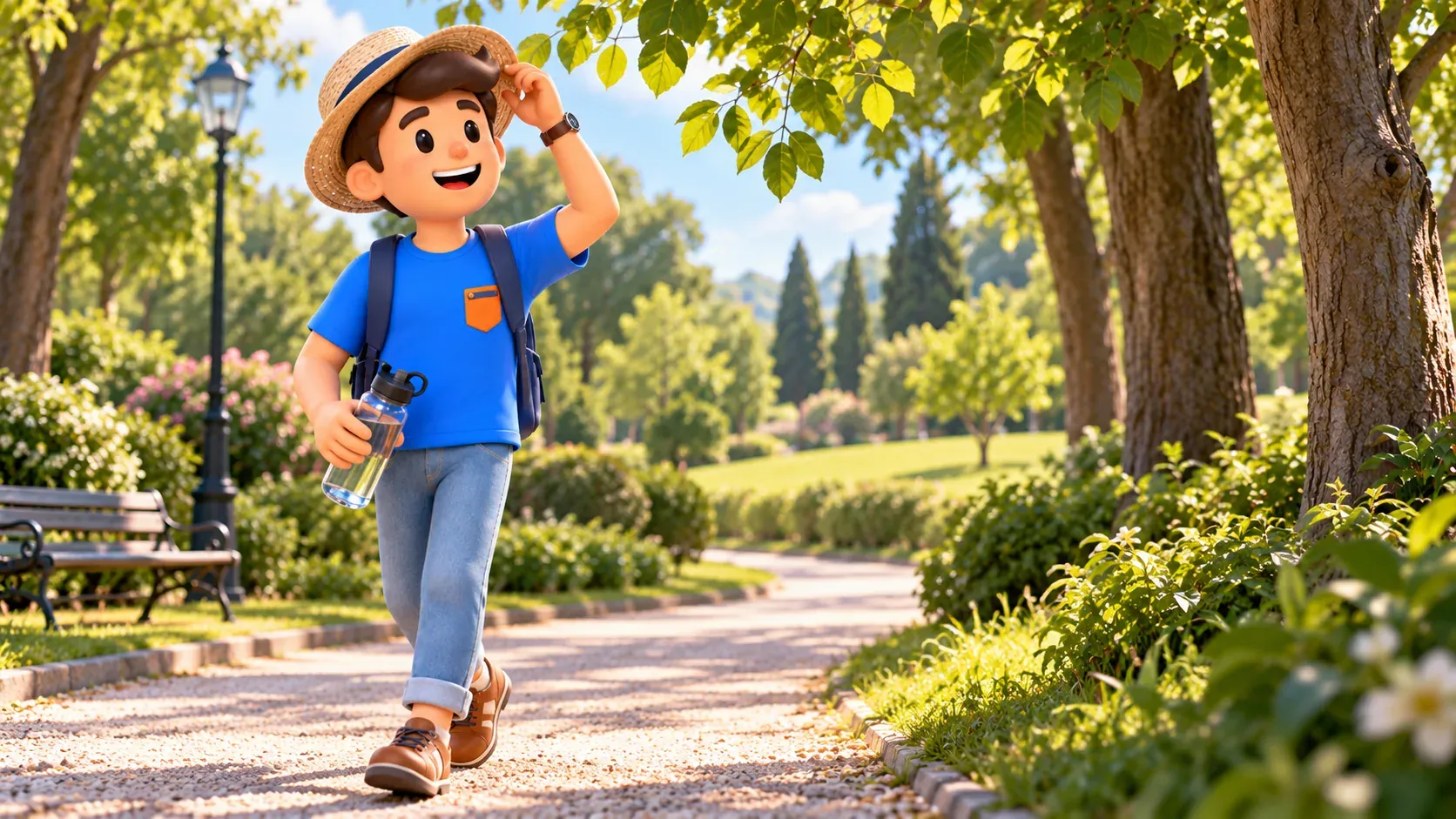
Parco Sempione was developed in the late nineteenth century on former parade grounds, with Emilio Alemagna’s English-style landscape replacing a very different use of the space. Its combination of large trees, lawns, winding paths and water creates a welcome change from the surrounding streets. Looking at the relationship between the brick castle and the planted landscape gives a short morning walk a subject beyond simply finding somewhere green.
Stay in the castle-side portion for this version. There is no need to reach the Arco della Pace, climb a tower or add every cultural building around the park. Those choices spread the outing and introduce separate visiting arrangements. Our longer castle-and-park walk is better saved for another day when you want the outdoor route itself to be the main event.
Choose paths according to the shade you actually find. Trees do not cover every lawn, crossing or approach, and their shadows move. A pleasant bench is a useful place to stop; it is not evidence that the whole next stretch has similar conditions. Keep water accessible, wear what suits the weather and turn back early if the short loop has already given you enough time outside.
Use permitted paths and crossings on the return to the castle. The twenty-minute connection allowance includes this return, entering the appropriate courtyard area and finding the museum’s current entrance arrangements. It is not twenty extra minutes after an uncounted transfer. If signs, works or access needs require a different approach, take the time from the reserve rather than speeding up to meet an arbitrary museum clock.
Separate free courtyards from a paid museum visit
The castle’s public courtyards and its museums are different experiences. A free look through the courtyards does not include the collection galleries, and an open gate does not establish that every museum room is available. The Museo d’Arte Antica is a paid indoor choice. Check the current ticket conditions, any essential display and the visitor route before building the morning around a specific room.
The museum normally opens Tuesday to Sunday, 10:00–17:30, and closes on Monday. Confirm the exact date, including holidays and temporary notices. At the time of checking, the Sala delle Asse is closed for restoration, so this programme does not depend on entering it. A general collection description mentioning a celebrated room is less useful for planning than the current admission notice explaining its closure.
Seasonal programmes can change access or opening times, but an announcement for a particular August is not a permanent evening timetable. This example uses an ordinary morning visit. If Monday is your available day, choose a different indoor anchor using our Monday museum and central-walk plan, then adjust the surrounding outdoor time to the actual weather. Do not arrive expecting the castle museums to follow that alternative museum’s calendar.
Inside the Museo d’Arte Antica, look for pieces of the earlier city
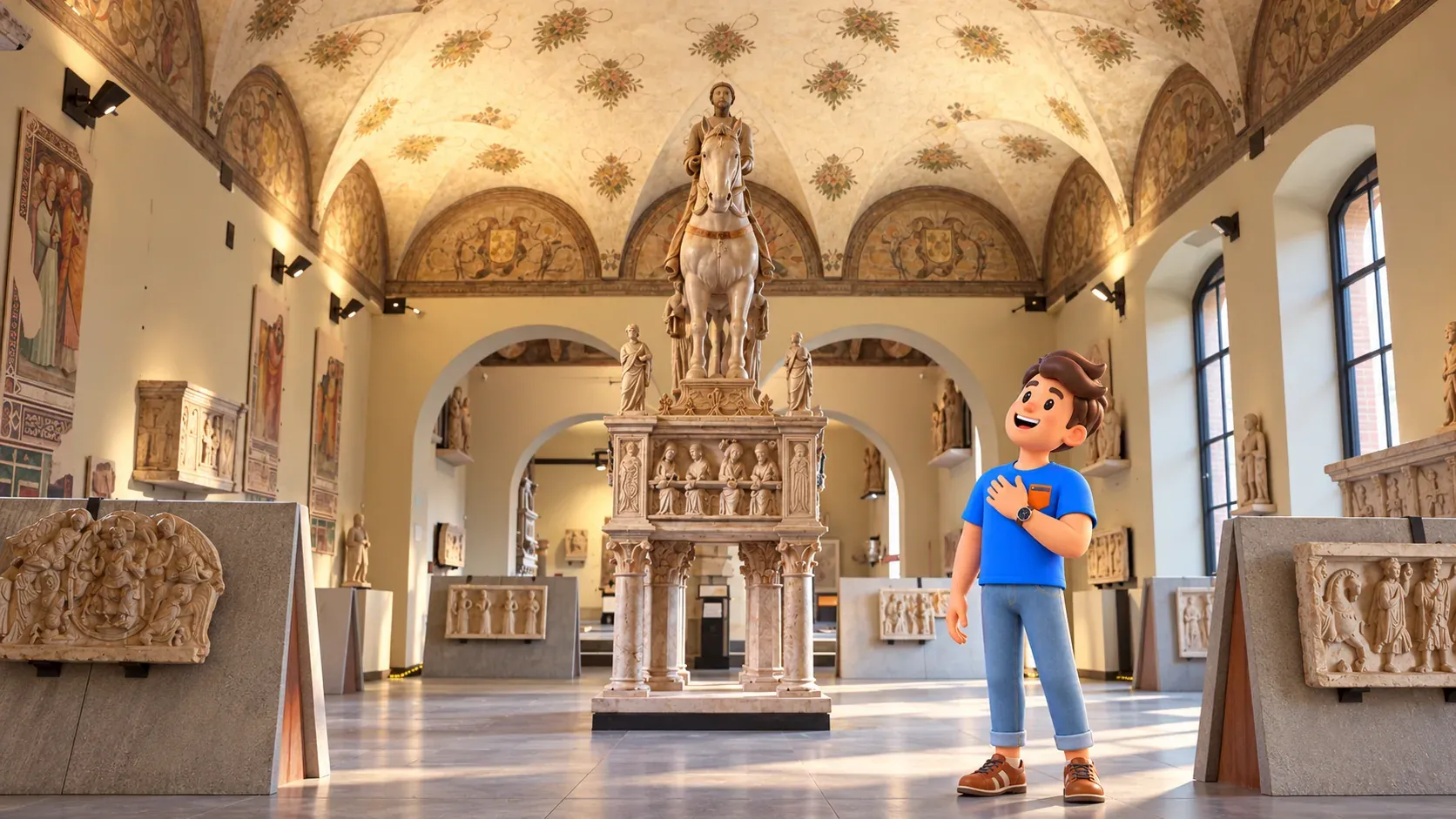
The museum occupies historic rooms of the Corte Ducale, within the castle that once served Milan’s rulers. Its stone works connect the Middle Ages and Renaissance with the city beyond the walls: architectural fragments, sculpture and monuments came from places such as gates, monasteries and noble residences. That origin makes the collection a way to notice how a city preserves pieces of buildings and settings that have changed.
Give a small number of works your attention rather than treating ninety minutes as a challenge to complete every display. Compare a carved figure with an architectural fragment. Notice the scale, the marks of the material and the relationship between the object and its present room. Read a few labels carefully. A selected visit can feel substantial without depending on a checklist of famous names or a promise that every object is permanently on view.
An indoor museum also means standing, moving between displays and following the visitor route. It is not automatically a seated rest, and the word “museum” is not a guarantee of air conditioning in every historic room. Ask staff about current conditions and seating if these matter to your visit. Contact the museum in advance about specific accessibility requirements; this compact programme is not a verified step-free audit of the whole journey.
Keep the visit focused on this collection. A single castle admission arrangement may cover several museums, but that does not make seeing them all realistic within the same ninety minutes. Adding another collection should mean removing something else or allowing more time. The point of choosing one indoor anchor is to enjoy it with attention while retaining the rest of the day’s breathing space.
Lunch is a pause; the journey back is still a journey
After the museum, choose a seat and a modest meal or drink near the finishing area. Thirty minutes suits a simple pause better than an elaborate restaurant lunch. Check an establishment’s current hours and, if a particular table matters, its booking arrangements. Shade outside and a comfortable indoor seat are different offers. Look at the actual space before committing to a long wait merely because the address is convenient.
Then allow the journey back separately. If the outing ends at 12:30, your rest begins when you reach somewhere suitable, not automatically at 12:30. A hotel across the city changes the practical day more than a small difference between two neighbouring paths. Consider the entire door-to-door return, including walking to transport, waiting and the final approach. The morning’s reserve should not disguise an uncounted transfer.
Leave the middle of the day genuinely open for a long break. Read, have a quiet meal or rest in a comfortable space rather than filling the interval with three more admissions. If returning to your accommodation is impractical, identify a suitable public indoor alternative in advance and check its access and hours. Do not assume any library, community centre or café offers unlimited seating simply because it appears on a map.

Use Milan’s cooling-space information carefully
Milan’s municipal Spazi Freschi initiative brings together places intended to offer relief during hot weather. The network includes green outdoor spaces and indoor locations such as participating libraries and neighbourhood centres. These categories need different expectations: a tree-covered area offers shade, while some indoor sites provide air-conditioned rooms, seats and drinking water. Check the current municipal information for the particular place and date.
Access to a cooling space and participation in an organised activity are separate questions. A free public place to sit does not mean that every club programme or event there is free or open without registration. The same care applies to water: use a fountain marked as drinking water and check any instructions. Some dispensing stations have access requirements, so do not make the day depend on every machine accepting every visitor.
Use RoadMe to work out a personal plan for the whole trip around the experiences you enjoy. Keeping interests, preferred pace and budget together in the app makes it easier to organise rewarding days with enough time between visits.
Let the evening depend on how the day feels
If conditions are comfortable later, choose an optional forty-five to sixty minutes close to your accommodation: a nearby walk and dinner can be enough. Evening is not an automatic promise of cool air, and moving towards a canal does not guarantee a breeze. You can decide to stay indoors without having failed the itinerary. Keeping this part optional is what makes the longer midday break a real choice.
Be equally clear about exposed attractions. The Duomo terraces remain outdoors even though their visit belongs to a cathedral complex. An indoor collection, a rooftop and an open square call for different planning. Conditions and access information were checked on 17 October 2026; confirm them for your travel date. Give the morning one worthwhile subject, count the return honestly and let a rested evening complete the day only when you want it.