Machu Picchu Tickets: Circuits, Entry Times and Booking Rules
A Machu Picchu ticket is for a named visitor, a particular date and entry time, and a selected circuit and route. It is not a pass to wander through every sector or climb whichever mountain looks appealing on arrival. Choose the visit you actually want, check that its timing works with your transport, and only then complete the official purchase.
Choose the experience before choosing an available ticket
Start with one question: is your priority a panoramic view, a visit through the archaeological city, or a named mountain extension? Those are different choices in the official circuit system. An available ticket carrying the words “Machu Picchu” does not necessarily include the place shown in a photograph you saved.
Use the exact route code as well as its name. The current framework has three circuits containing ten routes, with some routes limited to high season. Treat the code as part of the product you are buying, not as a minor detail beneath the date.
For a first visit focused on the archaeological city, begin by comparing the two Classic Circuit options. For a panorama, investigate the Panoramic Circuit. For Waynapicchu or another named extension, identify that exact route and its physical demands. These are starting points for choosing, not a claim that one option is best for everyone.
For the city portions of a wider holiday, try RoadMe to create a complete personalised sightseeing plan around your interests, dates and pace in supported cities. Keep the separately booked Machu Picchu visit as a fixed commitment when arranging the rest of the trip.
This distinction helps avoid an expensive disappointment: buying what is available before deciding what it includes. If your preferred option is full, compare another date or a genuinely acceptable alternative. Do not buy an unsuitable route on the assumption that staff will exchange it at the entrance.
Understand the three circuits and their route codes
| Circuit | Official route choices | What to establish before purchase |
|---|---|---|
| 1 — Panoramic | 1-A Montaña Machupicchu; 1-B Terraza Superior; 1-C Portada Inti Punku; 1-D Puente Inca | Whether you want the terrace option or the particular extension; 1-C and 1-D are seasonal |
| 2 — Classic / Llaqta | 2-A Ruta diseñada; 2-B Terraza Inferior | Which of the two archaeological-city options is available and matches the visit you want |
| 3 — Royalty | 3-A Montaña Waynapicchu; 3-B Ruta diseñada; 3-C Gran Caverna; 3-D Huchuypicchu | The exact lower-sector or extension option; 3-C and 3-D are seasonal |
Keep the Spanish names when matching your choice to the official platform. Translated descriptions can help explain the experience, but two similar-looking mountain names are not interchangeable. Montaña Machupicchu and Montaña Waynapicchu are different ticket choices.
The word “circuit” describes a family of permitted visits; the route code identifies the particular option. Do not interpret Circuit 1 as permission to do all four of its routes or Circuit 3 as automatic access to every mountain extension in that family.
The official circuit framework changed in June 2024. Older articles referring to five circuits can describe a previous arrangement. Use them for historical context only after checking how their terminology relates to the current ticket. A familiar blog headline does not override the code displayed for your actual booking.
Seasonal availability also needs a date-specific check. A route labelled “high season” is not a promise that it is offered on every day you personally consider busy or sunny. Look at the actual date and route in the official sale system rather than turning a general seasonal label into an access guarantee.

What the choice means for the place you will see
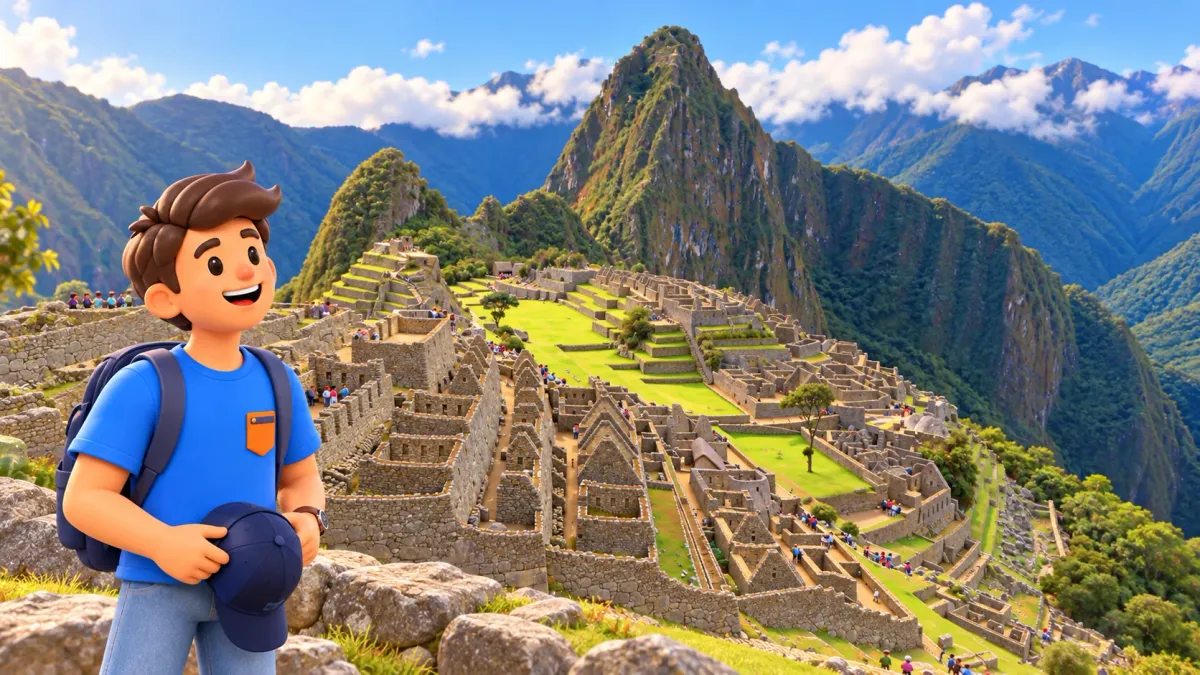
Machu Picchu is a fifteenth-century Inca site built into a steep Andean ridge. Its terraces, stone buildings, water infrastructure and mountain setting form a connected cultural landscape rather than a collection of independent viewpoints. UNESCO recognises the sanctuary for both cultural and natural values.
The terrace-focused and archaeological-city choices answer different interests. A person primarily interested in the wider composition of the site may value a panoramic option; someone interested in the city’s spaces and construction should compare the Classic routes. A mountain extension adds another objective, with additional physical and time considerations.
Use the current official route plan to check any feature that is essential to you. Do not rely on a general description such as “the complete visit” or “classic photo included” without understanding which sector and viewpoint the seller means. A photograph can be taken from a different level from the one you imagined.
The Classic routes are not a promise that every structure can be entered, every platform reached or every access kept open regardless of conservation needs. The useful comparison is the permitted route for the ticket being sold. Follow the on-site directions instead of treating an old annotated image as permission to leave it.
If an extension is the main reason for your visit, assess the climb separately from the archaeological city. Think about stairs, exposure, walking confidence and the rest of the day. A mountain ticket should not be chosen simply because it is the only remaining label you recognise.
Buy through the official system and check the named details
The Ministry of Culture’s Tu Boleto platform is the official online purchase route. An agency can help organise a visit, but a package description and an actual issued entrance ticket are different documents. Ask which circuit, route, entry time and named visitor are included before paying for an arrangement.
Prepare the identity document you will use and enter the full details carefully. The September 2026 rules provide for direct purchase with full payment and named identification; an unpaid selection should not be treated as a completed ticket. Older instructions describing a long period to hold a reservation may no longer match that process.
Check every visitor individually before confirming. A group can share a train booking and still have different entrance-ticket details. Put the selected date, entry time and route alongside the names rather than assuming that one correctly entered passenger establishes the whole group’s booking.
Keep the issued ticket and payment confirmation in a form you can access during the trip. A payment notification alone does not tell entrance staff which visit was issued. If the transaction is interrupted, check its status through the genuine platform or official support before starting another payment.
Do not treat a search advertisement, a familiar logo or a domain containing the destination name as proof of official status. Reach Tu Boleto from the Ministry of Culture’s own service information. If using an agency, distinguish its service charge and arrangements from the entrance ticket it obtains on your behalf.
Our guide to timed attraction tickets, concessions and refunds explains the questions to ask before completing a purchase. For Machu Picchu, apply those questions to the exact official route and visitor category rather than to a generic sightseeing ticket.
Names, dates and refunds are not flexible assumptions
The September 2026 rules make the entrance ticket valid for the specified holder, date, time and circuit. They do not provide ordinary changes of date or holder. A narrowly defined correction of an evident passport-number error is different from transferring the ticket to another person.
Do not buy an incorrect date as a placeholder while waiting for a preferred one. Likewise, a friend’s unused ticket is not a substitute for a ticket issued in your own details. Resolve a document or booking problem with official support before travelling to the entrance.
An unused ticket is not ordinarily refundable or reschedulable. The regulation provides limited exceptions for properly substantiated force majeure or fortuitous circumstances preventing physical access or arrival; that is not an automatic refund promise for every missed connection or changed plan.
For an agency package, read its terms separately as well. The agency’s cancellation terms, the train operator’s conditions and the official entrance conditions do not become one policy merely because you paid a single total. Ask which components can actually be changed and what evidence is required.
If your identity document is being renewed, do not guess at a future number or assume that any mismatch is easily corrected. Ask the official service what is accepted in your situation before purchase. A screenshot of someone else’s successful correction does not establish the outcome for your booking.

Fit the entrance time to transport, not just the train arrival
A train arrival in Machu Picchu Pueblo is not arrival at the archaeological entrance. Allow for the onward transfer or ascent, any queue and the time needed to reach the correct entry point. Compare the actual services available for your date before committing to an entry slot.
Make a simple sequence with separate commitments: reach the town, reach the site entrance, complete the selected visit, return to the town and board the onward transport. The point is to expose connections that depend on every earlier step working at its fastest possible pace.
An overnight stay may make a selected morning visit easier to organise, but that is a planning choice rather than a guarantee of access. A hotel booking does not reserve a circuit, and a train seat does not establish entrance availability. Check each component explicitly.
Do not invent a universal allowance for delays or rely on a grace period copied from an older article. Follow the time and current conditions shown for the ticket. If the entry time cannot be reached with a sensible margin, choose a different arrangement before paying rather than asking entrance staff to solve the conflict.
Leave room after the visit too. A mountain extension, a slower walking pace or a queue can make a tightly timed return train stressful. Avoid building the whole day around one optimistic duration when the route you have selected and your own pace need more room.
Separate admission from the other costs of the visit
Read the current checkout total for the actual route, date and visitor category. Do not take a promotional price for Peruvian residents, a regional category or students and present it as the ordinary adult foreign-visitor price. Eligibility and required documents matter as much as the amount.
Make your budget by component: entrance ticket and any disclosed official charges, transport to the town, the transfer to the site if used, accommodation if needed, and guide or agency services you choose. Mark what a package actually includes instead of adding a component twice or leaving it out entirely.
A named mountain option is not a casual upgrade to add after entering. Compare it as the actual ticket choice offered for the date. If an agency sells a combination of services, ask it to identify the entrance route separately from its own descriptive package name.
The current rules recommend a tourism guide for conservation and an orderly visit; that should not be rewritten as a universal claim that every ordinary visitor must purchase one. A guide can add interpretation, but cannot turn a ticket for one route into permission to enter another.
For Inca Trail arrivals, ask the authorised organiser which admission is included. The trail and an ordinary independent day visit are different arrangements. Do not assume that finishing a trek gives unrestricted access to every sector of the archaeological city.
For other supported cities on the journey, RoadMe can build a personalised day-by-day sightseeing plan that balances your interests and preferred pace. Try using it for those city days while keeping entrance purchases and transport confirmations with their official providers.

The final check before completing the purchase
- Visit: the exact circuit and route code match the panorama, city visit or extension you want.
- Date: the route is actually sold for that day, including any seasonal condition.
- Timing: the entrance time works with the onward journey from the town and with the return transport.
- People: every name, document and visitor category is correct.
- Payment: you understand the checkout total, any package components and the actual issued-ticket status.
- Conditions: you have read the applicable rules rather than assuming a date change or refund will be available.
Save the ticket and practical instructions before leaving reliable internet access. Our guide to preparing your phone for travel helps organise accessible booking information and backups. Carry the original identity document required for your admission as well.
The right Machu Picchu ticket is the one that fits the visit you want and the journey you can realistically make. Choose the sector first, confirm the exact details and preserve enough time to experience the place rather than spending the day trying to repair a mismatched booking.