London with Kids: Transport Museum and a Covent Garden Stroll
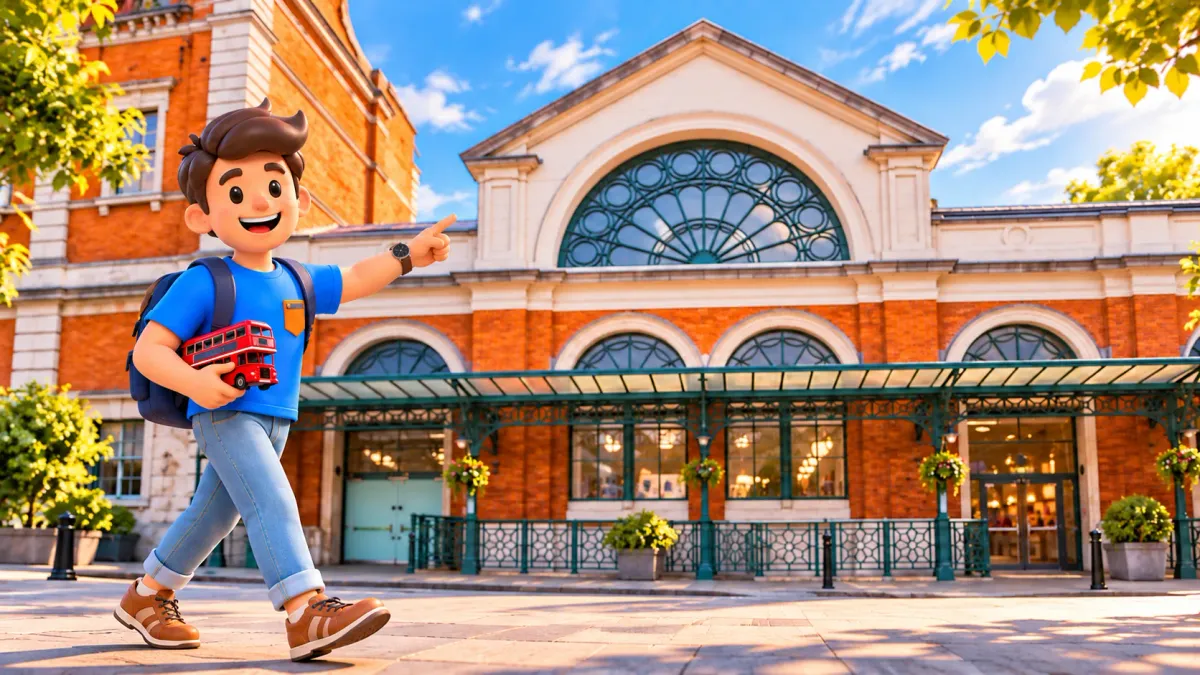
For a family half-day in central London, make the London Transport Museum your main visit and keep the rest of Covent Garden small: lunch, the Piazza, a short look through the Market Building and the Actors’ Church portico from outside. Allow about four and a half hours. This gives children a substantial indoor experience without turning the afternoon into another long sightseeing circuit.
The museum is in Covent Garden, not at its separate Depot in Acton. Children under eighteen enter free, but everyone needs a timed entry ticket. Adults also need the appropriate Annual Pass. For the morning plan below, check the Unlimited option rather than assuming an Off Peak pass covers arrival at ten.
Build the outing around one shared interest
A child who notices every red bus or follows the coloured lines on a transport diagram already has a way into this museum. Vehicles, the people who worked with them and the design of everyday journeys connect London’s history to something recognisable. You do not need to explain the entire transport system before visiting. Start with a simple question: how did people get around before the journeys you make today?
Try RoadMe to prepare the whole family trip more conveniently around your interests, dates, budget and pace. The app develops a personal itinerary, helping a substantial museum visit fit naturally alongside shorter walks and time to rest.
Choose a few things together before setting out. One child may want to look at old vehicles, another to try an interactive activity, while an adult may enjoy posters and design. These are useful priorities, not a checklist everyone must complete. A successful visit can leave interesting galleries for another time, particularly when enthusiasm begins to turn into hunger.
A four-and-a-half-hour plan
- 09:45–10:00: arrive at the museum. Find the entrance, prepare your tickets and allow for the entry process.
- 10:00–12:00: a selected museum visit. Include any time in All Aboard within these two hours.
- 12:00–12:45: lunch. Use the museum café if its menu and seating suit your family.
- 12:45–13:15: the Piazza. Enjoy the outdoor change of scene and any suitable performance happening then.
- 13:15–13:55: market and church exterior. Allow twenty minutes for each, including the small connecting movements.
- 13:55–14:15: reserve. Use these twenty minutes for delays, another pause or an earlier finish.
The total is 270 minutes, starting at the museum and ending around the Piazza. Travel from your accommodation, finding a station afterwards and waiting for transport are additional. The outdoor stops are close together; this is not four hours of continuous walking. Times are planning estimates, not measured queue forecasts or a promise of an available ten o’clock admission slot.
Ordinary museum gallery hours are ten until six daily, with last admission at 17:15 according to the current opening page. Check your actual date and booking calendar before travelling. Morning is chosen here to keep lunch at a familiar point in the day. It is not a claim that mornings are quieter: the museum itself recommends afternoons for a potentially calmer visit.
Sort out the two parts of admission
For adults, an Annual Pass and a free timed entry ticket perform different jobs. The pass covers admission under its conditions; the timed ticket specifies a visit. Even an existing passholder needs the latter. Under-eighteens do not need an Annual Pass, but they still need a free timed ticket. Include every child when arranging the visit rather than adding only paying adults.
The Unlimited Annual Pass is the relevant general option for this morning outline. The cheaper Off Peak pass has restrictions, including weekday entry after two on eligible dates. It does not make this ten o’clock plan valid. Compare the current conditions before paying, especially around school holidays. An annual validity period also does not remove the need to arrange each visit correctly.
Keep special tours and the Acton Depot separate. The Depot is in another part of London and opens for designated visits and events; it is not an additional gallery beside the Covent Garden entrance. Similarly, do not treat a general museum plan as a reservation for a particular workshop. Scheduled family sessions have their own dates and arrangements.
Find a story among the vehicles
Inside, use the signs and staff advice to choose your route through the galleries. The collection connects more than two centuries of transport with the changing city. Begin with a contrast that a child can see: horse-drawn transport and the vehicles that followed it. The historical horse displays use models, so this is a museum encounter, not an animal activity.
Ask what a passenger might notice first: where to sit, how to get aboard or how many people could travel together. These questions keep the history close to ordinary life. Adults can read a little more while children compare shapes and spaces. You do not need to turn every label into a lesson or stop at every vehicle to understand that London’s journeys changed.

For older children, Future Engineers offers a different direction, with activities around operating and understanding transport. The museum also lists a bus-cab interactive and a free stamper trail. Pick what is available and appealing rather than promising every simulator in advance. Some equipment may be occupied or temporarily unavailable. Hands-on displays do not mean every historic object may be touched or climbed upon.
The trail can support the visit, but collecting marks should not become its only purpose. If a child is absorbed by one display, let that interest last. If a queue feels longer than the activity is worth to your family, choose another part of the collection. The two-hour allowance is for a selection, not a claim to see the entire museum.
All Aboard belongs inside the museum time
All Aboard is designed for children aged zero to seven, with play areas on the ground and first floors. Its miniature transport settings encourage roles such as driver, mechanic or river captain. It also includes a baby area. The value is imaginative play linked to the museum’s subject, rather than another attraction requiring a journey across town.
No separate booking is required for this play zone during a museum visit; that does not cancel the timed admission requirement for entering the museum. Follow staff directions and the arrangements operating on the day. For siblings of different ages, avoid building the whole visit around an area that only fits the younger child. Agree on an older child’s preferred gallery or activity too.
Leave room for play within the two hours. Adding a long play session after treating those hours as an exhaustive gallery tour would move lunch and the outdoor finish considerably later. If play is the main pleasure, reduce the number of displays. If a child is finished sooner, an early meal is more useful than making everyone stay until the clock reaches noon.
Make lunch a real pause
The museum café above the main entrance serves drinks, sandwiches, soups and hot food, with ordinary opening hours of ten to five. Check the menu, dietary requirements and actual seating before settling on it. Forty-five minutes is a reasonable allowance for a simple meal, not a booked table or a guarantee that service will fit a tight onward reservation.
Families can ask about facilities such as high chairs and bottle warming. If you bring a packed lunch, confirm which designated picnic area is available on your date: visitor pages describe the arrangements differently, and you should not assume every indoor seat permits your own food. Keep water and a small suitable snack accessible, while respecting the rules beside the exhibits.

Use this pause to decide whether the short outdoor section still appeals. A family ready for fresh air can continue around the square. A tired child does not need a second museum to justify the day. If lunch takes longer, use the reserve and shorten browsing rather than rushing everyone through food to preserve an arbitrary sequence.
Keep the Piazza and market easy
After lunch, step into the Piazza and enjoy the change from displays to a working neighbourhood. A street performance may offer a pleasant shared stop if one is taking place and its sound and audience suit your child. No particular act or performance time belongs to this itinerary. Watch from the audience area, keeping circulation clear, and leave when your family has had enough.
Give the Market Building a short look afterwards. Charles Fowler’s building opened in 1830, providing a simple link between the history indoors and the city outside: both transport and market buildings organise the movement of people. Choose one covered passage or a small stretch of stalls. Browsing does not require buying a souvenir, and individual businesses keep their own hours.
A useful family game is to spot one repeated architectural shape and one object made by hand, if the open stalls offer that opportunity. Keep it light. This is a brief change of attention after the museum, not a test. Avoid promising a specific stall, seasonal decoration or food treat based on an old photograph of the square.
A small architectural surprise before finishing
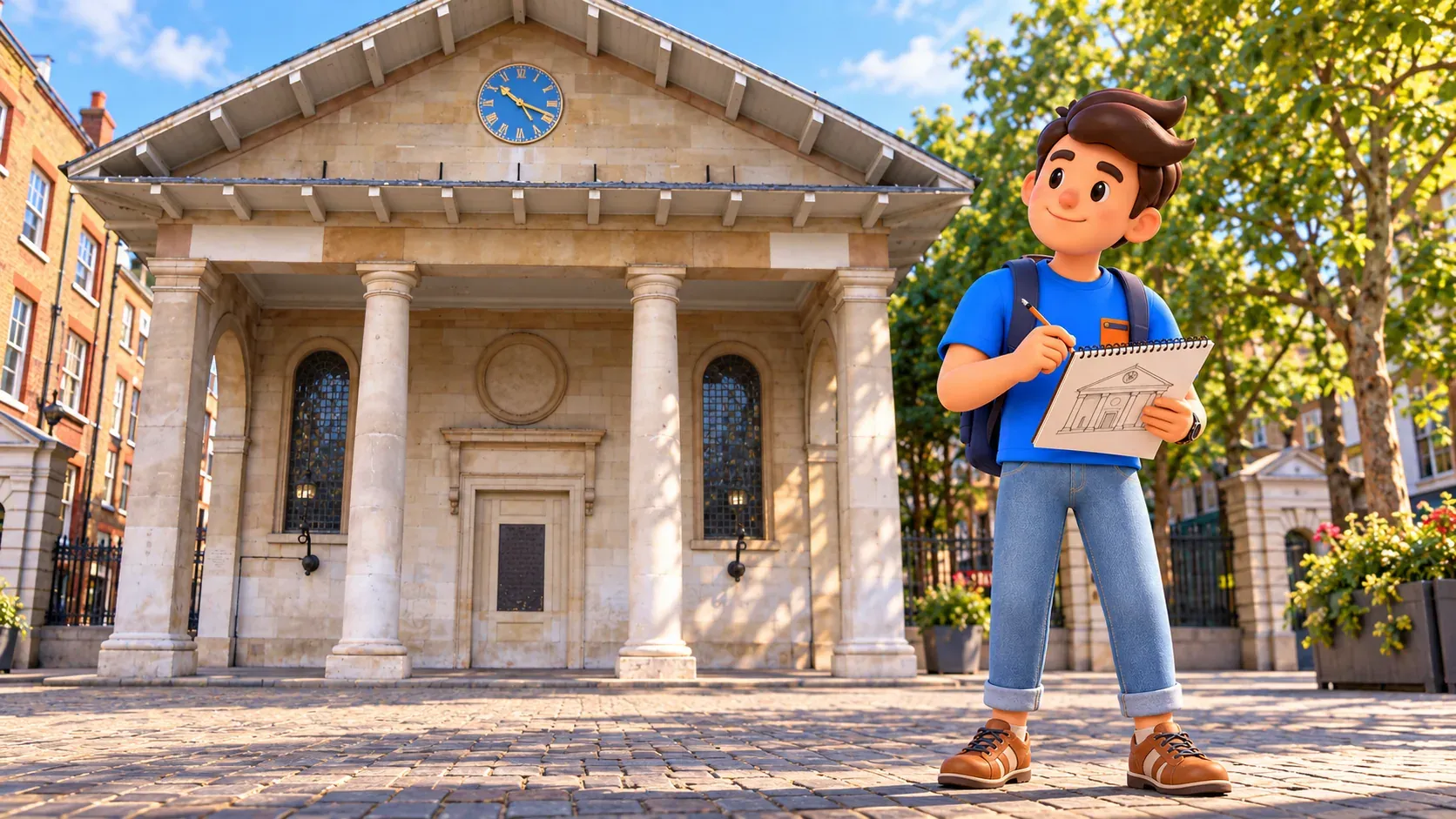
On the western side, look at St Paul’s Church, also known as the Actors’ Church. This is the Covent Garden church, not St Paul’s Cathedral in the City. Inigo Jones’s church was completed in 1633. The apparent door facing the Piazza beneath its portico is a false one, a consequence of the altar’s position changing the intended entrance arrangement.
That detail gives children a short puzzle to discuss without another interior visit. The main plan stays outside. Church and garden access can change for services, weddings, memorials and events, so an open-looking frontage does not promise an available shortcut. Finish around the Piazza after this pause; the journey to your chosen onward transport remains separate.
With a buggy, check current facilities as well as the journey. The museum provides buggy parking and a cloakroom, but current notices include lift outages and temporary toilet arrangements. Ask staff which route and facilities are working. Nearby Covent Garden station should not be assumed to provide a fully step-free journey just because it has lifts. Crowds and historic paving also affect the outdoor pace.
With RoadMe, it is easier to develop a personal programme for the whole trip around the interests your family actually shares. Try the app to give museum days, outdoor experiences and quieter pauses a useful place across your London stay.
For a different day with more walking and no museum visit, our two-hour walk from Trafalgar Square to Covent Garden offers an alternative. Do not automatically add it to this half-day. Today already has a clear centre: transport history explored together, a proper meal and a small piece of London enjoyed outdoors.