
Hanbok Rental in Seoul: What Is Included and How to Choose

Hanbok rental in Seoul is a service package, not simply a price attached to a pretty outfit. The useful comparison includes the clothing category, fitting, accessories, hair, rental clock, deposit and return conditions. A low headline can become a different purchase once you choose the actual clothes and extras.
Start with how you want to spend the time: a short cultural experience, photographs, or a relaxed visit wearing the outfit. This guide explains what to ask before paying, using a clearly identified shop example and official palace dress guidance checked on 27 October 2026. It is not a ranking of rental shops or a ready-made sightseeing route.
Compare the complete service before choosing a shop
For the visit around the rental, try RoadMe: in supported destinations the app develops a personal trip plan around your interests and pace. It is much easier to organise the day in the app than connect scattered recommendations yourself.
Two apparently similar offers can describe different things. One may include a complete outfit and basic accessories, while another separates clothing tiers, hair styling or special headwear. Ask which category the displayed price buys and whether the garments you are looking at belong to it. Compare the final selection rather than an entry-level advertisement.
| Part of the service | Question to ask | Why it matters |
|---|---|---|
| Clothing | Which complete outfit and style category are included? | The design you choose may have different terms |
| Fitting | How many changes can I try? | Extra fittings may be charged |
| Accessories and hair | What is basic, and what costs extra? | A bag or simple hair help is not a full photo package |
| Time | When does the clock start and when must I return? | Changing and waiting reduce usable time |
| Deposit | How much cash and what ID are required? | It is separate from the rental fee |
What you are renting: a complete hanbok
Hanbok is traditional Korean clothing, with both traditional and modernised forms. The official palace guidelines describe the basic combination as an upper garment, jeogori, with a skirt or trousers. The skirt is commonly called chima and the trousers baji. The components need to work together as clothing, not merely as props held for a photograph.
Check the full outfit on your body before leaving. Can you sit, raise your arms and take a comfortable step? Does the hem stay clear enough for your movement? Ask staff to adjust the fit and explain fastenings. Clothing that looks good standing still can become awkward over several hours if the length or waist is wrong.
Do not select solely by a model photograph. Available sizes and the fit of a particular garment matter more than a generic promise of a broad collection. Contact the shop in advance for a size or requirement that is important to you, especially for children or anyone who may need more time and support while changing.
Keep footwear practical for the surfaces and time you expect to walk. A decorative accessory does not compensate for shoes that make movement uncomfortable. Ask which footwear, if any, is included and whether you can use your own. Avoid assuming that everything shown in a promotional photograph comes with the basic rental.
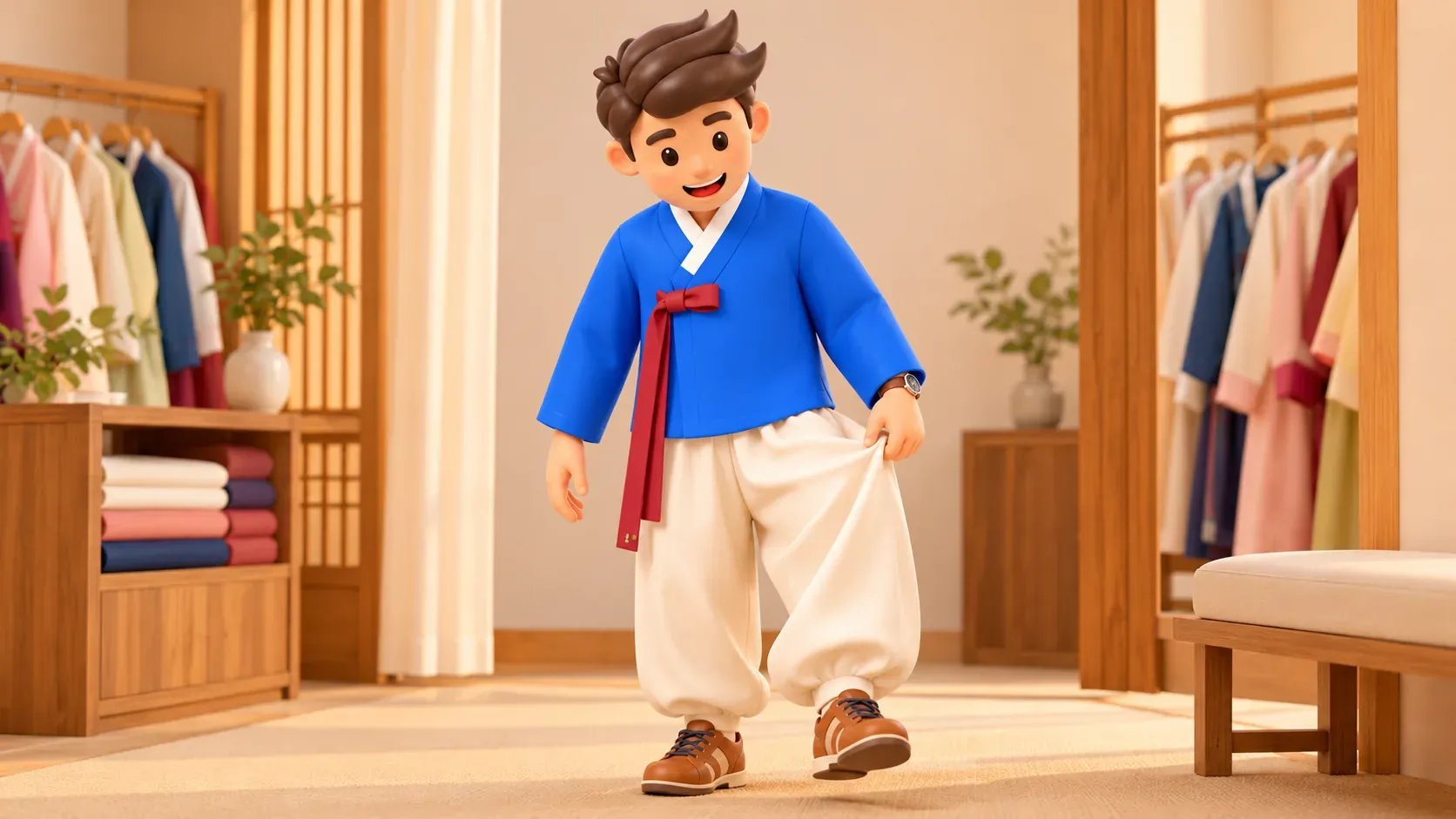
A price example: read it as one shop’s offer
Oneday Hanbok’s current published information gives a four-hour rental at KRW 24,000 and a full-day rental at KRW 32,000. These are examples from that provider, not an average for Seoul or a promise of the lowest available price. Confirm your chosen date, product and any extras before paying.
The provider lists basic hair accessories, daenggi ribbons, bags and underskirts as included. Selected special accessories are KRW 4,000 extra. Its FAQ describes simple hair help as free, but says it does not provide makeup services. A basic hairstyle should not be mistaken for a professional hair-and-makeup session.
Check whether “full day” means return by a stated shop deadline rather than a rolling 24 hours from collection. The same provider lists a separate overnight product, illustrating why those labels should not be treated as identical. Ask for the actual return time to be confirmed when you rent.
Other shops and booking platforms can structure packages differently. A voucher needs to identify the branch, clothing tier, duration, included accessories and redemption conditions. Compare that exact product with a direct-shop quote, rather than assuming two offers with the word hanbok cover the same service.
Fitting time and the rental clock
Oneday’s FAQ says that choosing and putting on the outfit usually takes around 30–40 minutes, longer when busy. Treat that as its planning guidance, not a measured guarantee for every shop. A four-hour booking does not necessarily mean four relaxed hours outside after all choices, changing and hair arrangements.
Ask when the rental period begins: check-in, fitting, payment or departure from the shop. Then confirm what happens if a queue delays you. The answer should come from the actual provider or package. Do not assume an online appointment eliminates waiting or reserves every design you saw in the gallery.
Choose a small number of practical preferences before arriving: colour family, outfit type, comfortable length and budget. This makes selecting easier without requiring you to decide the exact garment in advance. The real stock and fit still control the result, and an attractive colour may not be available in the right size.
For the shop example, two fittings are included and further fittings cost extra; a fitting charge may apply if you try outfits and then cancel the rental. Ask about that condition before changing. Trying on should be an informed step in the purchase, not a surprise charge discovered when you decide to leave.
Accessories, hair and photographs are separate decisions
Request a clear distinction between included accessories and special items. A bag, ribbon, underskirt, traditional hat and decorative headpiece can sit in different categories. Check that every selected piece is recorded when you leave, particularly when several people in the group choose similar small accessories.
Ask what the hair service actually involves and whether the staff can work with your current length or style. Simple help and a full salon appointment are different services. If you have a personal requirement, contact the shop first instead of assuming the advertised package applies equally to every hair type and length.
Photography also needs its own agreement. Renting an outfit does not automatically include a photographer, edited files or a reserved location. The Oneday site describes outdoor photography as a separate booking. If you want a session, confirm its duration, meeting point, deliverables and what happens in poor weather.
For your own photographs, allow time without blocking paths or entering restricted spaces. The experience need not become a race between locations. A few comfortable stops and a calm return can give you a better visit than fitting too many photographs into a rental period that already includes changing.
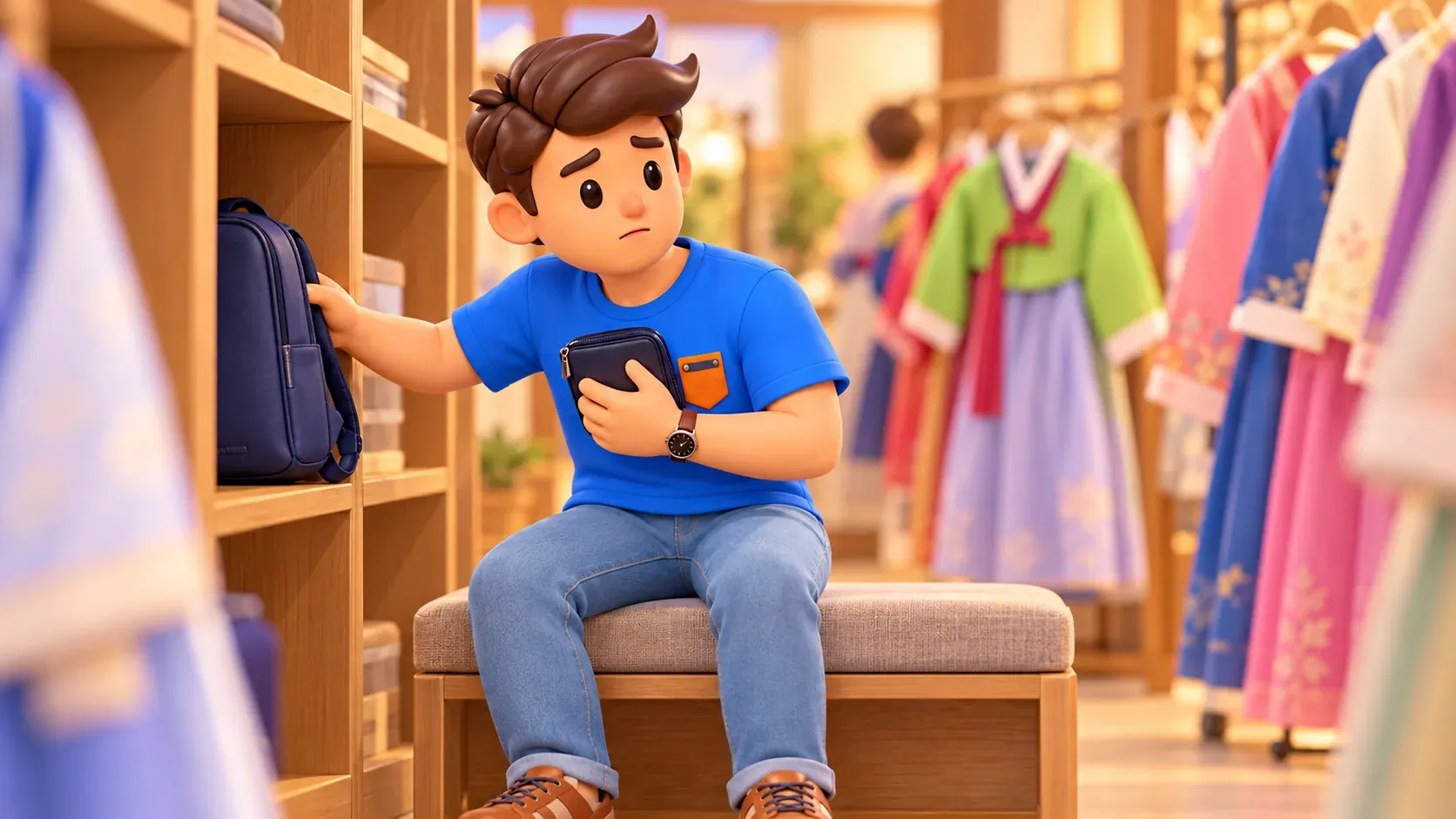
Deposit and passport: establish the arrangement in advance
The rental fee pays for the service; a deposit is money held against the provider’s return conditions. Oneday’s current FAQ asks for ID and a cash deposit. For overseas visitors it describes one passport per group plus KRW 10,000 per person, or an image of the passport plus KRW 50,000 per outfit.
Those are that shop’s published arrangements, not a rule for every Seoul rental business. If you do not want to leave an original passport, confirm the accepted alternative before booking and again before handing anything over. Do not rely on an alternative mentioned on an old aggregator page if the shop has not agreed to it.
Check who holds the document, how it will be returned and what record you receive for the deposit. Ask about cash requirements and refund procedure. A rental charge payable by card does not mean the deposit can also be paid by card; the shop example specifically requires the deposit in cash.
A refundable deposit is not an unconditional promise of receiving everything back after any damage or missing accessory. Check the garment at collection and ask staff to note existing marks. Keep the selected pieces together and allow a few minutes for the return inspection rather than treating the deadline as the moment to reach the street.
Keeping your own belongings while wearing hanbok
Oneday advertises free storage during the rental and tells guests to keep valuables with them. Ask how storage works at your chosen shop, which bags it can take and when access ends. Do not assume a small locker will hold a large suitcase or that rental storage remains available after closing.
Carry essentials in something manageable. Confirm that the included bag can hold your phone and what you need, without relying on large pockets in the garment. Keep the return address and booking details accessible, especially if your normal clothing and bag remain at the shop.
For finding the correct doorway and returning from another area, use the actual Korean address or saved map place. Our guide to NAVER Map addresses and transport explains how to avoid confusing similar place names. The return journey is part of the rental period, not an afterthought.
Free palace admission: the clothes must meet the rules
The Royal Palaces and Tombs Center publishes free-admission guidelines for hanbok wearers, covering both traditional and modernised hanbok. The basic requirement is a jeogori together with an appropriate skirt or trousers. An overcoat worn by itself is not a complete qualifying outfit.
The guidance explicitly excludes a jeogori paired with jeans and hanbok lower garments paired with a T-shirt. A loose interpretation by a rental shop cannot replace the site’s admission decision. Keep the outfit worn properly and follow staff instructions instead of treating a costume label as a guaranteed entry pass.
Free general admission does not mean every special visit, programme, reservation or separately ticketed area is included. Check the current information for the palace and activity you actually intend to visit. Renting clothes also does not change an attraction’s opening day or create availability for a sold-out programme.
Decide whether the rental itself is worth its cost to you. Renting a whole outfit only to avoid an admission charge is a different decision from wanting the clothing experience and photographs. Compare the complete rental, time and extras with your own priorities instead of assuming the admission benefit automatically makes it economical.
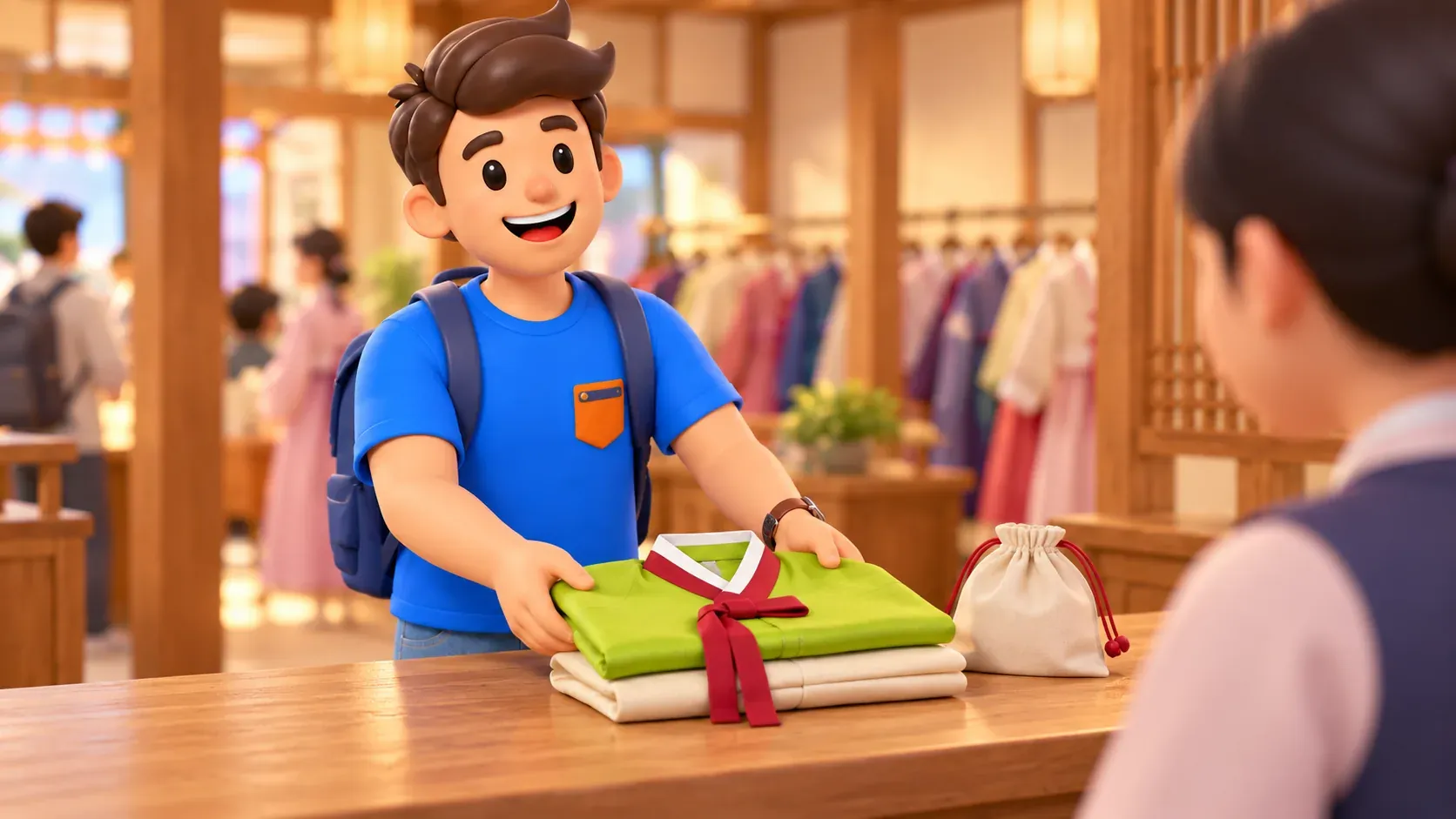
Weather and respectful use of the clothing
Ask about layers before fitting. Oneday recommends a light, thin top in summer and thin warm layers in winter, warning that bulky or high-neck clothing can sit awkwardly underneath. Comfort and fit should be checked together; do not assume a rental outfit itself provides all the warmth you need.
In wet weather, ask staff to adjust the hem so it does not drag. The shop’s ability to rent in rain is not a guarantee that every fabric can be treated carelessly. Confirm any weather-related rescheduling conditions before paying for a tightly timed package or a separate photo session.
At heritage sites, follow the restrictions on access, smoking and conduct, keep noise down and avoid damaging buildings or grounds. Korea Tourism Organization’s visitor guidance stresses those points alongside proper hanbok wearing. Photographs should fit the place rather than require other visitors to move out of public paths.
Return conditions: leave enough time for the last stage
Confirm the return deadline, where to change and how late charges are calculated. Oneday says early return does not refund unused time, and late return without notice brings an additional charge as well as extra rental time. If delayed, contact the shop promptly rather than assuming silence preserves the original price.
Return the full set of accessories as well as the clothes. Check small bags, ribbons and headwear before leaving the last location. Wait for the inspection and return of the agreed deposit and ID. A rushed departure is how a small accessory or document gets left behind after an otherwise pleasant experience.
For a realistic total, separate the rental fee, chosen extras, cash held as a deposit and any other purchases. Our travel budget guide explains this distinction. Deposit cash affects what you need available that day even when it is returned and is not a final trip expense.
For the rest of your visit, open RoadMe and let the app develop a personal sightseeing plan around your interests and pace in supported destinations. Keeping a coherent programme in the app is much more convenient than rebuilding each part from separate notes.
Questions to settle before paying
Confirm branch and entrance, complete outfit, fit, rental start, return time, included accessories, hair service, deposit, ID and any fitting charge. If a palace visit matters, check its current conditions separately. That short conversation turns a vague package name into a service you can actually compare.
Does rental include professional photographs?
Only when the specific package says so. Clothing, simple hair help and a separate photographer are different services.
Can I wear just the hanbok top with jeans for free entry?
The official guidance excludes that combination. You need the qualifying upper and lower garments worn appropriately.
Is the deposit the final cost?
No. It is held separately under the return conditions. Compare the rental and extras as expenses, and prepare the required deposit through the method the shop accepts.


