First time in Hong Kong: which neighbourhoods to explore
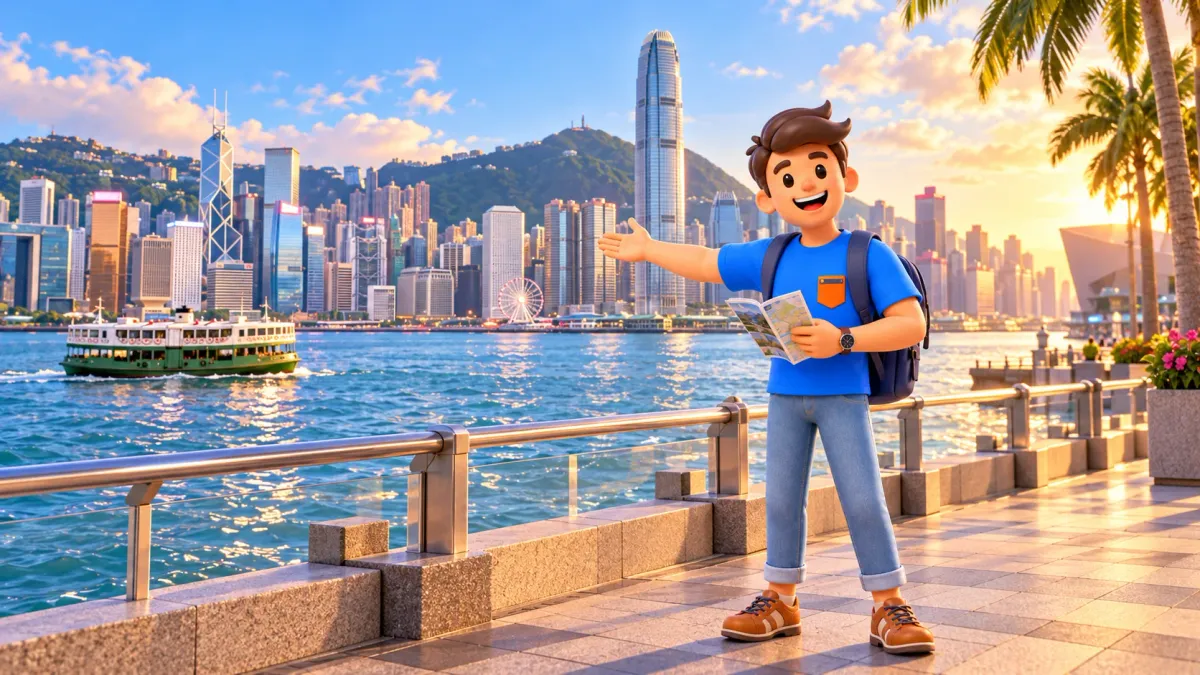
For a first visit to Hong Kong, start with three different experiences: the city around Victoria Harbour, a walk through older neighbourhoods, and one quieter outing beyond the business centre. Central and Tsim Sha Tsui make a useful beginning. Add the Peak, a temple-and-garden visit or an island according to your interests and the time available.
The challenge is connecting appealing places into a comfortable trip. Skyscrapers, monasteries, museums and fishing communities belong to different parts of Hong Kong. They fit easily into one saved list, but each needs a different amount of time and energy. This guide helps you choose neighbourhoods and understand which experiences belong together, without trying to catalogue every attraction.
Choose the kind of trip you want
Ask what you most want to remember: the skyline, smaller streets, contemporary art, religious architecture or island life. For a short stay, two main interests are enough to shape a rewarding visit. Keep other places as possible additions, rather than making every free hour answer to another compulsory stop. The result is easier to enjoy and easier to adapt.
A useful starting point is one substantial visit and one walking area per day. Pair a museum with its waterfront, a temple complex with a garden, or Central with an evening around the harbour. A major museum, a Lantau excursion and a theme park each deserve a substantial block of time. Treating them as quick stops usually makes the rest of the day feel rushed.
It is more convenient to turn these ideas into a personal trip plan in RoadMe: the app builds a day-by-day programme around your dates, interests and pace. Try setting the kind of experience you want, so your saved places become a route that fits you.
Allow for lunch, finding the correct entrance and simply wanting to stay somewhere longer. If every visit depends on finishing the previous one unusually quickly, the day contains too much. Removing one area before you leave is often more useful than trimming every experience once you arrive. A little unallocated time is a practical part of a good itinerary.
Central and Sheung Wan: different layers of the city
Central suits travellers who want the recognisable business-city skyline alongside evidence of an older Hong Kong. HSBC and the Bank of China Tower offer striking examples of modern architecture, while the former Supreme Court changes the scale of the street. Between stops, look at passages, steps and the way buildings respond to the hillside. The connections can be as revealing as the landmarks.
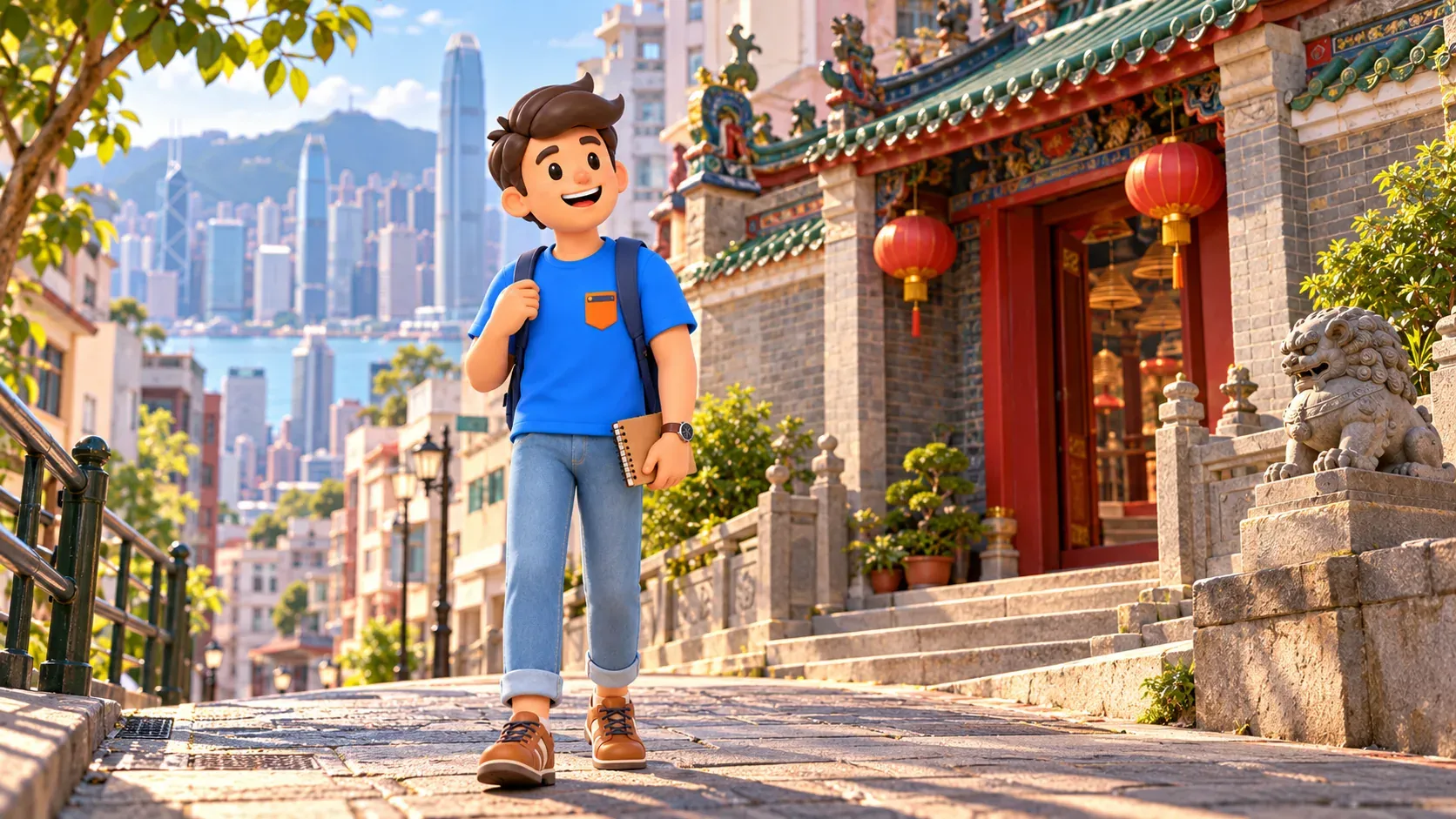
Sheung Wan adds a more intimate atmosphere. Man Mo Temple, PMQ and the streets around Hollywood Road make a good introduction to tradition, design and everyday city life. Man Mo is associated with the gods of literature and martial valour. PMQ's cultural role follows its earlier use as police married quarters. A small amount of background helps you notice more without turning the walk into a history lecture.
Choose a handful of anchors for your first outing rather than every interesting building in both neighbourhoods. If you spend longer inside a museum or at PMQ, shorten the next walking section. Neighbouring streets on a hillside can demand more effort than their map distance suggests. Comfortable shoes and a manageable pace matter more than completing every lane you saved.
Tsim Sha Tsui: an approachable harbour walk
Tsim Sha Tsui is a useful introduction to Hong Kong's waterfront. The Star Ferry pier, Clock Tower, Cultural Centre and promenade give the walk clear reference points. The Clock Tower survives from the former Kowloon–Canton Railway station, connecting today's waterfront to the area's earlier transport history. You can appreciate that connection through an exterior stop; this plan does not depend on entering the tower.
Continue beside the water at your own speed. Sculptures of Bruce Lee and Anita Mui introduce the city's film culture, but the promenade works equally well as a place to watch the opposite shore. The open space changes your relationship with the skyline. Rather than looking upward between buildings, you can see how the towers form groups along the harbour.
If a museum appeals, choose one: the Hong Kong Museum of Art, the Space Museum or another suitable institution nearby. They offer different kinds of visits. Decide whether your priority is a waterfront walk with a few stops or a substantial museum visit followed by a shorter outing. That choice prevents a pleasant afternoon from becoming a competition between closing times.
The Peak: give the panorama its own time
The Peak helps explain Hong Kong's geography: the water between the shores, the concentration of buildings and the green slopes immediately behind them. Sky Terrace 428 is a specific viewing platform on top of the Peak Tower. Its name refers to its elevation above sea level. It is one way to experience the area, rather than another name for the entire Peak.
Lugard Road and the Lion's Pavilion offer different viewing experiences. Your preference depends on how much you want to walk, the conditions and the time available. One traveller may be happy with a viewing platform; another may prefer a longer hillside walk. If visibility is poor, move the panorama to another suitable part of your trip instead of following the original order at any cost.
Leave space for the journey up, waiting and walking once you arrive. Avoid placing the Peak between several visits with fixed admission slots. An evening view can be memorable, but a particular hour cannot guarantee clear conditions. Also remember that reaching the upper area does not make every further path equally easy. Choose the walk itself as carefully as the transport.
West Kowloon: art with room to breathe
Choose West Kowloon if you want to give art a meaningful place in your trip while spending time beside the water. M+ explores visual culture, including art, design and moving images. The Hong Kong Palace Museum offers a different emphasis on Chinese artistic heritage. These are substantial, distinct museum experiences. You do not need to see both during one short visit to the district.
Let your interests and the current programme decide. After one museum, leave time for the Art Park and waterfront. This creates a comfortable rhythm: a focused indoor visit followed by an open-ended walk. For a group with mixed interests, that balance can work better than moving directly from one major collection to another. Nobody has to rush through the museum merely to complete a pair.
West Kowloon and the Tsim Sha Tsui waterfront are separate walking blocks. Both can belong to your trip, but sharing a shoreline does not make all their entrances close together. Plan the actual journey to your chosen museum and the route afterwards. This matters particularly when another booking follows the visit or the group needs a shorter day.

Temples and gardens: choose the right scale
Man Mo Temple fits naturally into a shorter Sheung Wan outing. For a more self-contained, quieter visit, consider Chi Lin Nunnery and neighbouring Nan Lian Garden. Timber architecture, water, rocks and carefully arranged planting create a different scale of experience from the business districts. The pleasure comes from slowing down and looking, rather than quickly collecting the next location.
Wong Tai Sin offers another introduction to the city's religious life. It is in a different part of Kowloon, so combining it with Chi Lin needs enough time for the connection and both visits. These are active religious places. Follow local instructions, leave worshippers space and check where photography is permitted. A respectful, unhurried visit is more rewarding than treating every hall as a photo stop.
The Big Buddha and Po Lin Monastery on Lantau require a different planning commitment. Think of them as an outing with transport, an ascent and time within a larger complex. During a short stay, choose between that excursion and additional city neighbourhoods according to your interests. A famous landmark is a strong possibility, but it does not have to become the same compulsory day for every visitor.
Islands: choose one outing with a different mood
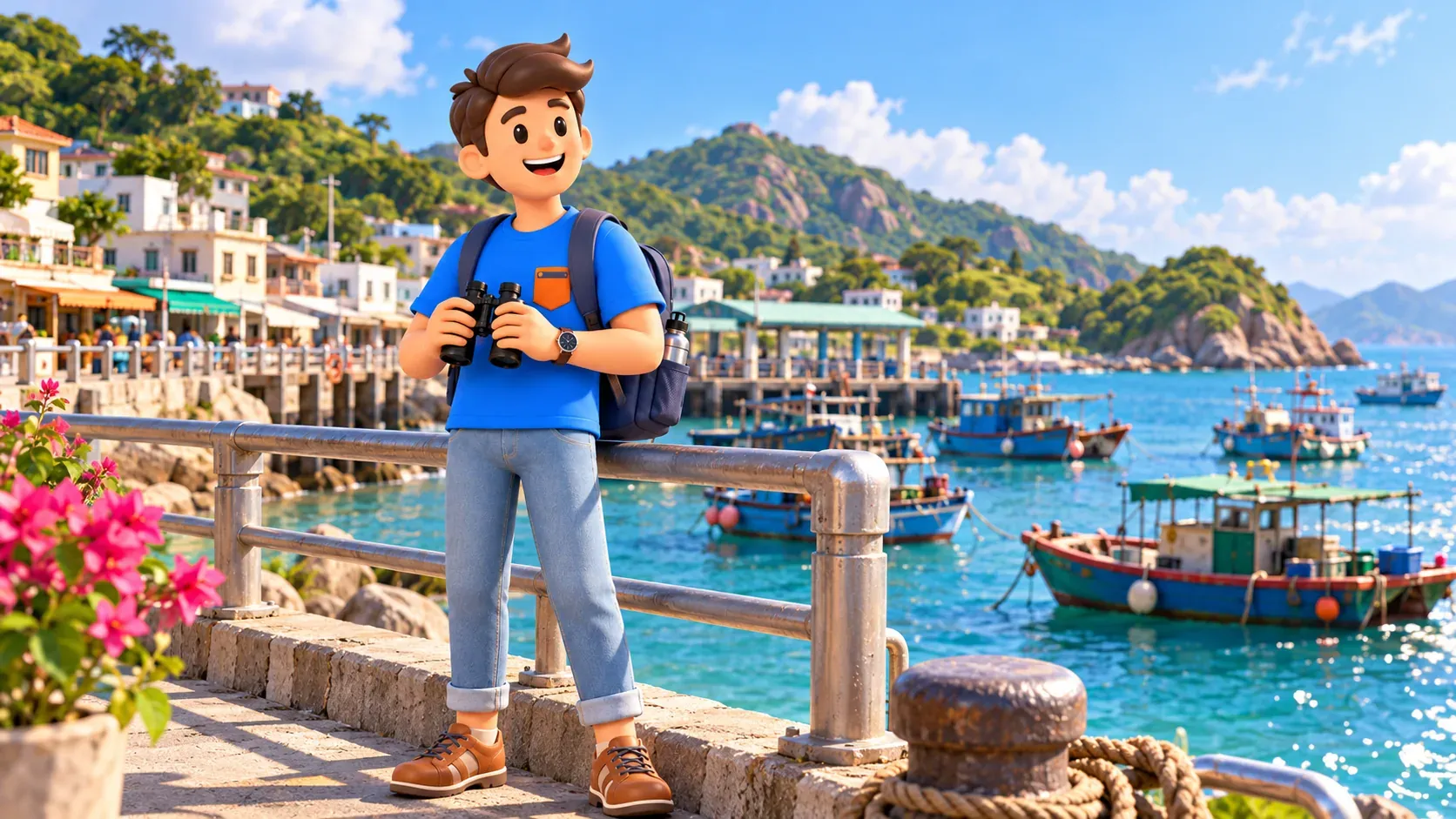
Cheung Chau, Peng Chau, Lamma and Yim Tin Tsai introduce other sides of Hong Kong. Cheung Chau can combine Pak Tai Temple with an island walk. Peng Chau brings together Tin Hau Temple and the former Fook Yuen leather factory. Lamma offers a fishing-community theme, while Yim Tin Tsai connects salt-making with island heritage. Choose the activity that appeals, rather than the island with the longest checklist.
For a first visit, one island is usually a more comfortable plan than several ferry journeys in a day. Each outing includes reaching the pier, waiting and returning. Check the return arrangements before setting off, then match the walking distance to the weather and your energy. The word island says little about how long a particular trail is or how much climbing it involves.
Tai O on Lantau also deserves its own consideration. Its bridges, temples and fishing-community setting form a distinct outing. Combining it with Ngong Ping only makes sense after assessing the connections and the available time. For a relaxed first trip, choosing one direction can leave you with a stronger experience than spending the day travelling between two well-known names.
Turn your choices into a day-by-day plan
With one day, begin with Central and Tsim Sha Tsui and save distant excursions for another visit. With three days, you could separate an urban walk, the Peak with another neighbourhood, and a museum or temple day. Five days creates room for Lantau and an additional island outing. These are planning examples, not a fixed schedule or a promise that every combination suits everyone.
Families may want fewer transfers and one main activity each day. Architecture enthusiasts can give Central and older neighbourhoods more time; art lovers can prioritise museums. If nature matters most, give it a proper day instead of adding a short stop between urban visits. The same length of stay can support very different trips, and that flexibility is part of Hong Kong's appeal.
Planning that personal itinerary is more convenient in RoadMe, which organises visits by day around your interests, pace and budget. Try building your programme there to connect the neighbourhoods into a coherent trip and spend less of your walking time on organisation.
Before leaving, confirm the main attraction's opening arrangements, any reservation requirements and the journey to the correct entrance. Keep a nearby alternative for rain or a shorter day. Start with what genuinely interests you, and let a rewarding place take a little longer than expected. A useful first itinerary gives you direction while leaving enough room to enjoy the city you actually find.