What to See in the Dolomites: Lakes, Valleys and Mountain Sights
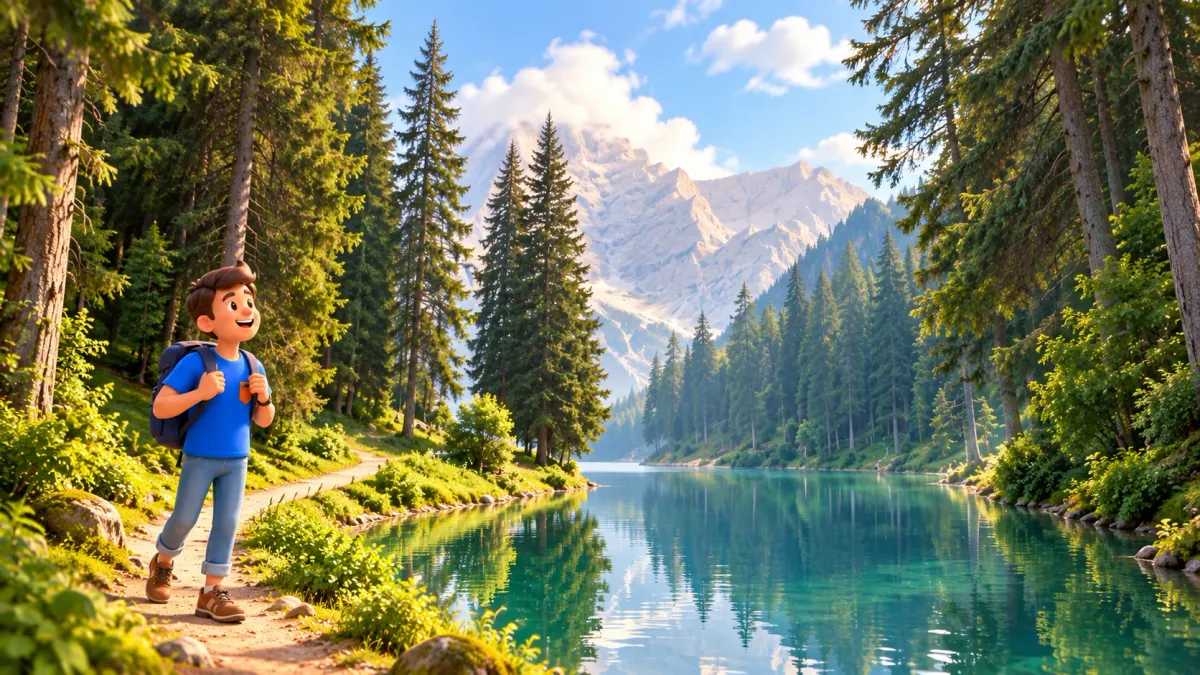
For a first visit to the Dolomites, choose the landscape experience before choosing a list of famous names. Lake Braies and Lake Carezza suit a lakeside visit; Alpe di Siusi offers open pasture scenery; Seceda brings high ridges and dramatic cliffs; the Tre Cime area needs a separate mountain-access plan. These choices differ in effort, transport and season.
You do not need to see every celebrated viewpoint to understand the region. Pick a valley or neighbouring area that supports the experiences you want, then verify the particular roads, lifts and paths. This is a guide to choosing places, rather than a fixed driving circuit or a promise that every popular trail is easy.
Choose between lakes, meadows, ridges and valleys
The Dolomites are not one compact park with one entrance and one set of visitor rules. The UNESCO property, inscribed in 2009, consists of nine component areas. Its pale cliffs, towers and broad rock faces preserve an important geological record, including ancient carbonate platforms formed in marine environments.
That history explains part of the scenery's appeal: abrupt rock walls rise above gentler forests and pastures. You can appreciate that contrast from a valley or lakeside as well as from a high trail. A first trip does not have to become a mountain-endurance test.
| What you want most | Places to compare | The practical distinction |
|---|---|---|
| Water framed by mountains | Braies and Carezza | Shore access, protected boundaries and seasonal transport |
| Open meadows with broad views | Alpe di Siusi | Lift calendar, road restrictions and the chosen walking distance |
| A dramatic high ridge | Seceda in Val Gardena | Height, exposure, lift access and weather |
| Recognisable rock towers | Tre Cime / Drei Zinnen area | Reaching the starting point is not completing the mountain walk |
| A quieter valley-focused visit | Fischleintal and the villages of the eastern area | Choose the valley experience rather than assuming an easy summit approach |
For the city stays around your mountain holiday, try RoadMe: in supported cities, the app prepares a complete personal programme around your dates, interests and pace. Organising those days there is more convenient than fitting every saved recommendation together, while mountain access and trail conditions remain checks with the relevant local operators.
Lake Braies: a lake visit and a full circuit are different choices
Lake Braies is also called Pragser Wildsee. It lies in the Fanes-Sennes-Prags Nature Park, beneath the imposing Seekofel, known in Italian as Croda del Becco. The dark woodland, pale rock wall and water create the familiar composition without requiring you to turn the visit into a long-distance hike.
Decide whether you want a short visit near the arrival area or the complete lakeside circuit. They are not equivalent for mobility or effort. The official information describes a wider forest path on one side and a path with ascents and steps on the other. Do not label the whole circuit suitable for every wheelchair or pushchair.
The lake visit itself is free according to the local visitor information, but transport, parking and optional boat hire are separate matters. Paying for parking is not a lake entrance ticket. A boat appearing in photographs also does not guarantee a rental service on your date.
Seasonal access rules matter. In summer 2026, the valley had daytime traffic regulation from 1 July to 15 September, with specified permits or reservations. The current late-October notice says those valley restrictions are no longer in force, apart from the separate Plätzwiese toll-road situation. Do not apply a summer booking rule throughout the year.
The local site says summer regulation will return in 2027, with details to follow in spring. That does not confirm the same future dates or conditions. Check the notice for your own visit before making a parking or bus purchase.
Bus 442 links the lake with Dobbiaco/Toblach and Villabassa/Niederdorf. Current off-season information and regulated summer booking procedures differ. Check the actual timetable and ticket rules rather than assuming a guest card or ordinary bus ticket works identically in every period.
Lake Carezza: colour, geology and a protected shore
Lake Carezza, or Karersee, sits beneath the Latemar massif in the Eggental area. Its appeal is the combination of woodland, mountain reflection and changing green-blue water. Local tradition calls it the Rainbow Lake, adding a cultural layer to a visit that can otherwise become just a photo stop.
The lake is fed by underground springs, and its level changes with weather and season. A photograph taken with high water is not a promise of the same shape, depth or colour when you arrive. A lower level is not a reason to cross a boundary to recreate a particular composition.
Carezza is a protected natural monument: swimming and crossing the surrounding fence are prohibited. Use the permitted viewpoints and paths. The local operator also prohibits drone flying here; a wide mountain setting should not be interpreted as automatic permission to launch.
The visitor information describes barrier-free access through the pedestrian passage to the viewing platform and circular path. Confirm the passage and visitor-centre arrangements for your date and needs, especially outside their operating hours. Distinguish reaching the lake area from relying on every facility being open.
Carezza can be reached by public transport. It is worth comparing that option with limited parking rather than assuming a car is essential for a lakeside visit. A short visit here can be satisfying on its own; it need not become the first stop of an exhausting cross-region checklist.
Alpe di Siusi: choose a meadow experience, not a summit promise
Alpe di Siusi, also called Seiser Alm, is a high pasture landscape within the protected Schlern-Rosengarten area. Open grassland and distant rock groups create a different experience from a narrow lakeshore or exposed ridge. It is a useful candidate when the landscape matters more than reaching a high summit.
The plateau is not flat in every direction. Choose the actual path, ascent and return arrangement instead of treating all meadow walks as equally gentle. An outing between nearby viewpoints and a demanding mountain tour can start in the same broad area without being interchangeable.
The access road is normally restricted to private vehicles between 09:00 and 17:00 while the lift operates. A parking reservation does not remove that restriction. The official rules include particular arrangements for accommodation guests, registered disability access and periods between lift seasons, so a blanket statement that no car may ever enter is also wrong.
Since the 2026 summer season, the P1 Spitzbühl and P2 Compatsch parking system requires advance online reservations under the published rules. If you intend to drive, check both permission to use the road and availability of the correct parking product. Those are related but separate questions.
The Seis/Siusi cable car is an alternative, and its published 2026 summer season runs to 2 November. That does not mean every lift on the plateau runs until the same day. Check the exact lift you need, its final descent and the link back to your accommodation.
Seceda: a high ridge with an easier ascent option
Seceda in Val Gardena is known for the sharp Odle/Geisler formations and the contrast between steep cliffs and gentler southern meadows. The local explanation connects the Ladin name Odles with needles, an apt way to notice the shape of those peaks. This is one of the region's clearest differences between a dramatic view and the difficulty of the path used to reach it.
The summit area is around 2,519 metres high. Lifts can shorten the ascent, but they do not remove mountain weather or exposure. Walking up from the valley is a different undertaking: the official Ortisei approach involves a substantial ascent and requires good fitness.
Choose the exact arrival station and the walking section you want. Reaching Seceda from Ortisei and reaching the wider area through Col Raiser are not instructions to be mixed casually. A cable-car ticket is not evidence that every viewpoint lies next to its top station.
The current ridge information distinguishes the principal views from a further eastern section towards Panascharte, where access arrangements apply. Do not assume that following the ridge farther is necessary to see the well-known panorama, or that a saddle mentioned in an old walking description is currently open.
If you are new to hiking, use the questions in our guide to choosing and preparing for a first day hike. Match the actual surface, ascent, exposure and return to your group, rather than borrowing the word easy from a photograph caption.
Tre Cime and Fischleintal offer different kinds of days
Tre Cime di Lavaredo, also called Drei Zinnen, is the famous group of three rock towers. The crucial first choice is whether you want to approach the high mountain area for a walk or enjoy a valley-focused day nearby. Transport to a trailhead is not a completed mountain excursion.
Reaching Rifugio Auronzo through the access system and walking around the peaks are separate tasks. Count the whole outing, including the return journey, and examine the particular trail before committing. Popularity and maintained access do not make every mountain circuit appropriate for every visitor.
The current official shuttle page says the Dobbiaco–Tre Cime service will start again in summer 2027, with further information to follow. It does not provide a confirmed 2027 timetable. Old summer 2026 departure dates should not be copied into a future booking plan.
For access by car, use the current Auronzo road and parking information. A paid road, parking availability and any booking condition should be checked together. Do not rely on an older account that recommends simply arriving early and paying a historic toll at the barrier.
Fischleintal, or Val Fiscalina, near Sesto/Sexten, offers a valley setting with woods and mountain scenery. Choosing that experience can be a deliberate preference, rather than a failed attempt to reach a more famous destination. Longer routes from the valley into high terrain remain separate hikes, not a short substitute for motor access.
The wider eastern area includes Dobbiaco/Toblach, San Candido/Innichen and Sesto/Sexten. These names help when comparing accommodation and transport. Save both language versions, because booking systems, signs and timetables may use different forms for the same place.
Choose a base using the journey you can repeat
For Seceda-focused plans, examine Val Gardena and its villages. For Alpe di Siusi, compare the relevant valley lift and plateau access. For Braies and the eastern mountain area, look carefully at the Puster Valley connections and nearby villages. The best base is the one that supports your actual priorities.
Do not judge distance by a straight line across the mountains. Road connections, passes, bus changes and the final lift can turn nearby-looking pins into a long transfer. Check door-to-door travel for the journeys you expect to repeat, including the way home after a walk.
A car can provide flexibility, but it does not guarantee legal access or a parking space. Public transport can work well for particular valleys and lifts, but the last return may constrain the day. Neither choice removes the need to examine your dates and accommodation location.
Before booking a remote property, establish which services are open and how you will reach them. A quieter base can be attractive if you want its surroundings; it is less useful if you spend each day trying to cross the region to another valley.
Match the season to the experience, not the image
Summer walking, autumn colours and winter snow are different visiting formats. A summer trail photograph does not establish access in spring snow or late-autumn ice. Likewise, an operating village does not mean the lift above it or the mountain hut you planned to use is open.
In late October, distinguish the remaining services from those already closed for the season. The different lift calendars around Alpe di Siusi illustrate why one regional label is not enough. For next year's visit, wait for the relevant operator's actual dates rather than converting this year's calendar into a guarantee.
Keep a lower-level alternative that you genuinely want: a permitted lakeside visit, village time or a suitable valley walk. If conditions invalidate the high plan, choosing another experience is part of good planning. It should not depend on improvising a difficult descent after the final lift has gone.
For protected areas and booking distinctions, our guide to checking permits and visitor rules helps separate admission, transport reservations and activity permissions. The Dolomites' different local managers do not share one universal reservation system.
Keep the surrounding city days comfortable with RoadMe, which builds a complete personal programme in supported cities according to your interests and pace. Try arranging the whole trip with time for rest, while checking each mountain outing's conditions and transport separately.
A good first visit connects wanted scenery with realistic access: lake, pasture, ridge or valley, in conditions that suit the group. Choose fewer places well and leave room to enjoy their different character. The lasting value is understanding the landscape, not completing every name on a list.