Cinque Terre villages: differences, beaches and where to stay
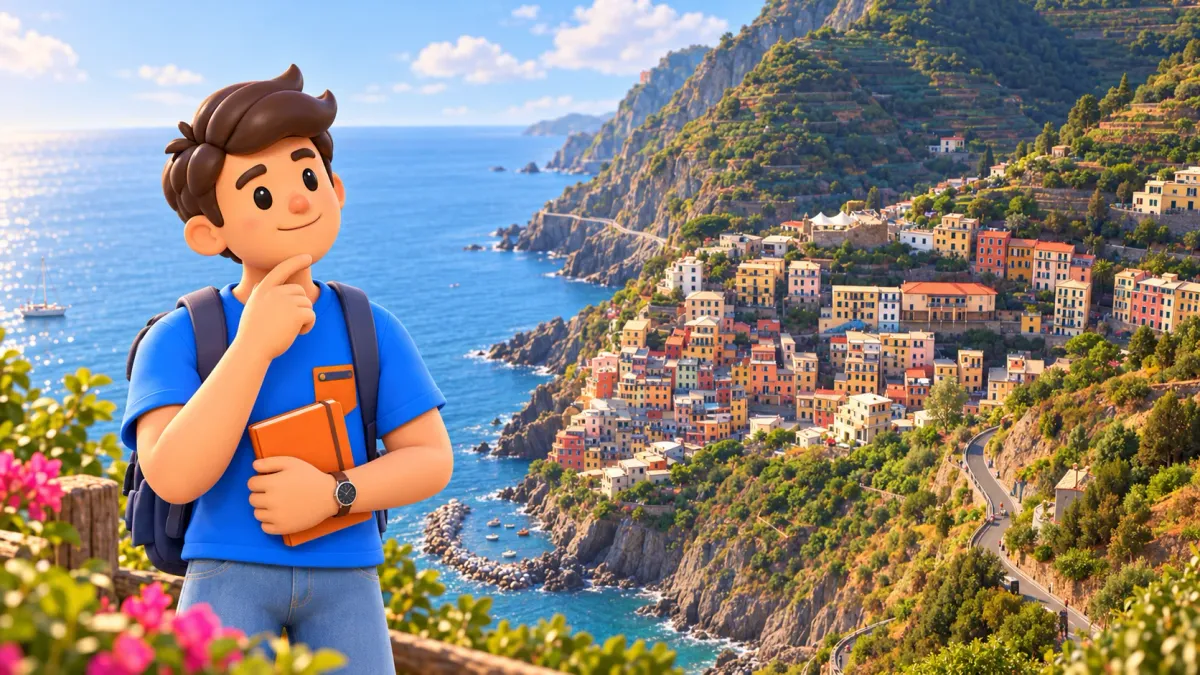
Choose between the Cinque Terre villages by the kind of visit you want, not by looking for a single winner. Monterosso is a useful starting point for a beach-focused stay; Vernazza for a compact harbour setting; Corniglia for an elevated village above the sea; Manarola for houses rising from a rocky waterfront; and Riomaggiore for a steep, colourful settlement leading down towards its small harbour.
All five belong to the same stretch of Ligurian coast, but access to the sea, gradients and the journey from the station differ. A village that suits a short visit may be less suitable as your overnight base. This guide compares those decisions rather than setting out a timed circuit through all five.
Five villages, five different practical choices
From west to east, the villages are Monterosso al Mare, Vernazza, Corniglia, Manarola and Riomaggiore. The order helps you understand their position on the coast; it does not tell you how many you should visit. Start with your main interest and one constraint, such as carrying luggage, avoiding repeated climbs or wanting time beside the water.
Preparing the trip is more convenient in RoadMe: the app develops a personal travel plan around your interests, dates and preferred pace. Try starting with the experiences you care about, so a beach, village visit or cultural stop gets enough time instead of becoming another rushed stop.
| Village | Reason to consider it | Practical question |
|---|---|---|
| Monterosso | Beach areas and a seafront as well as an old centre | Which part is your accommodation in? |
| Vernazza | A compact harbour and historic waterfront | Does your room require a climb above the harbour? |
| Corniglia | An elevated settlement with sea views | How will you get from the station to the village? |
| Manarola | Colourful houses, a rocky shore and terraced surroundings | Are you expecting a view or a conventional beach? |
| Riomaggiore | Vertical streets and a small harbour setting | How steep is the approach to your particular address? |
The harbour photograph and the hotel listing often show different parts of the same village. Locate both before booking. “Sea view” describes what you can see from the property, not how easily you can reach the water, station or restaurants. Likewise, “central” does not establish a level approach or a room without stairs.
Do not use the number of villages as the main measure of a successful visit. Each additional stop introduces a station exit, a walk, a wait and another decision. Choosing fewer places can leave room to notice architecture, agricultural terraces and everyday life rather than spending the available time moving between platforms.
What the landscape explains about the villages
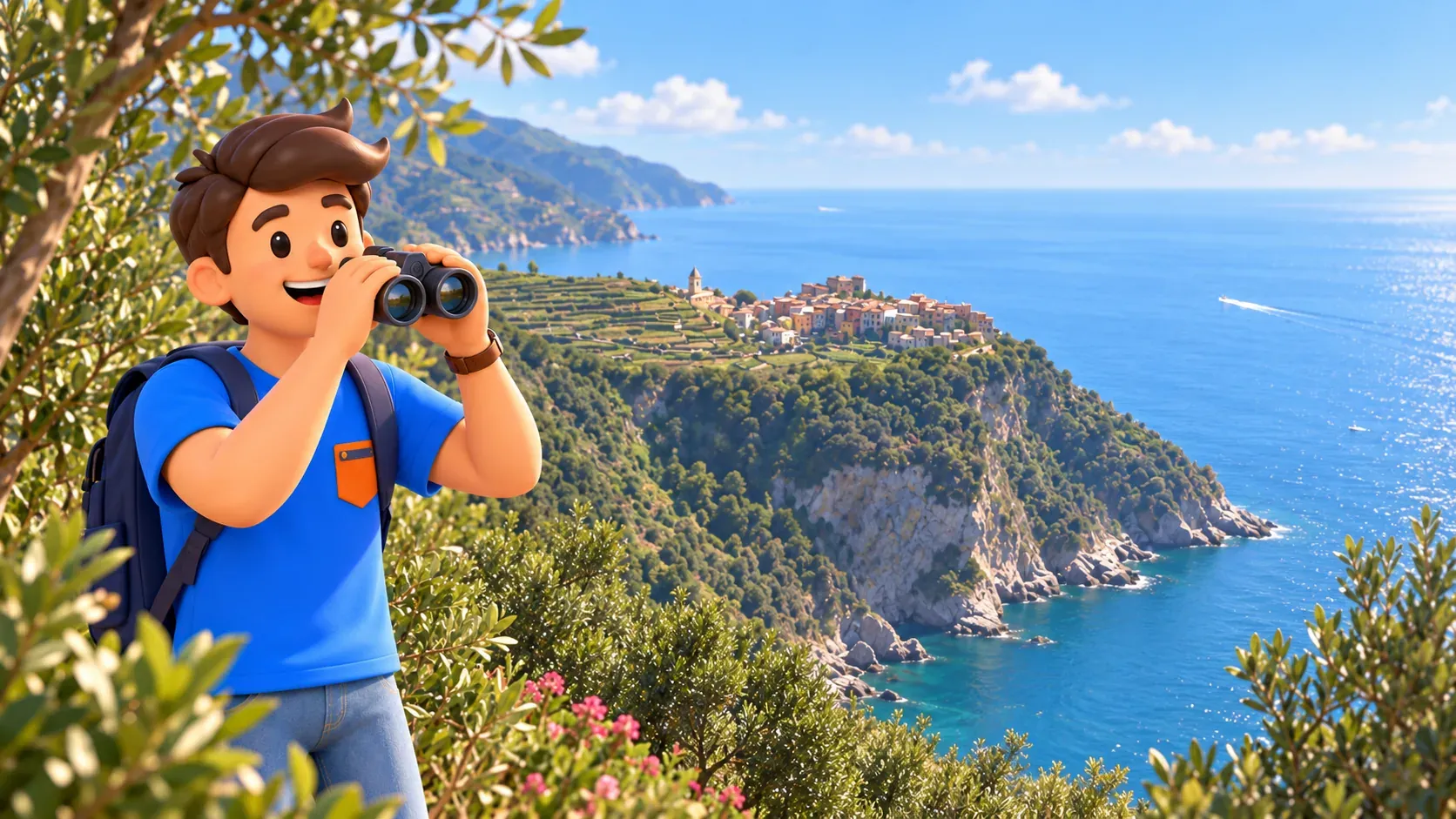
The Cinque Terre scenery is partly a working landscape. Generations shaped steep slopes into narrow cultivated terraces supported by dry-stone walls, with vines and olive trees among the characteristic crops. The walls help retain the ground and manage water, and require maintenance. They are not decorative steps or convenient places to sit for a photograph.
The area forms part of the UNESCO World Heritage site inscribed in 1997, together with Porto Venere and the islands named in that designation. Its value extends beyond painted façades: compact settlements, cultivation and difficult terrain belong to the same story. Looking uphill behind a harbour helps explain why streets are narrow and why a short horizontal distance can involve substantial climbing.
This context also changes how to visit. Stay on public routes, keep access to homes clear and respect cultivated land. A gate beside a vineyard is not an invitation to enter. If you want a closer understanding of the terraces, choose a suitable permitted activity or guided visit rather than stepping over a wall to recreate a photograph.
Monterosso and Vernazza: two different waterfronts
Monterosso: compare the beach area and the old centre
Monterosso is worth examining first when a proper beach setting is central to your plans. The Fegina side has a seafront and beach facilities, while the old centre offers another part of village life. They are not interchangeable locations on an accommodation listing. Check where the property sits relative to the station, beach and the part you want to use most.
Do not turn “more convenient waterfront” into “the whole village is flat”. Rooms and paths can still involve slopes or stairs. Ask about the exact approach with luggage and the floor of the accommodation. For children or someone who needs regular breaks, the ability to return easily to the room may matter more than a dramatic view from above.
A beach visit also needs its own checks: the specific area open on your date, whether you want a managed facility or a public section, and the sea conditions. A photograph showing rows of loungers does not establish that they are included with your hotel or that the same facilities operate outside their season.
Vernazza: a small harbour with a steep village behind it
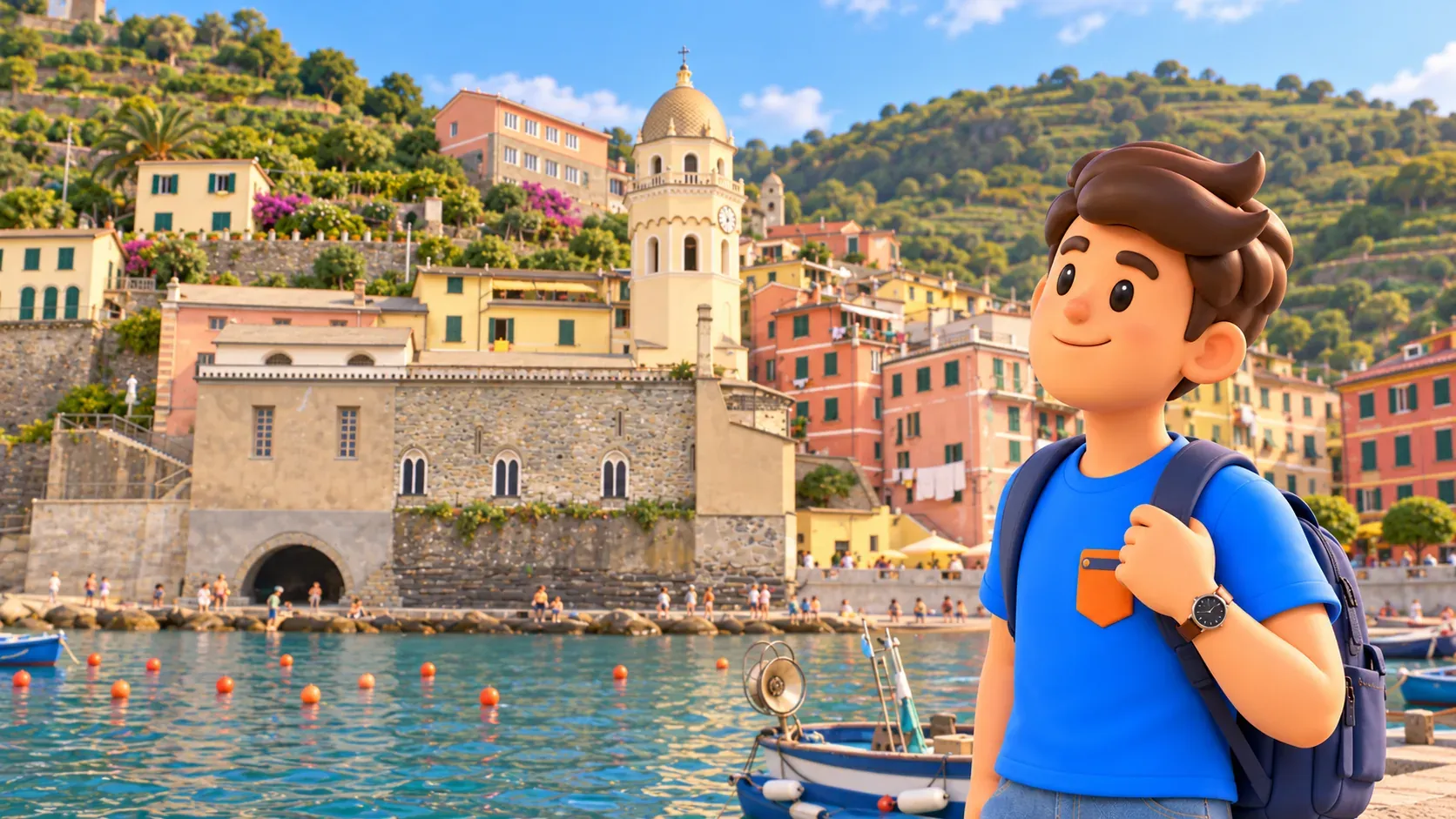
Vernazza concentrates much of its familiar image around the harbour, waterfront buildings and the church of Santa Margherita. The small scale makes it appealing for observing the relationship between houses and sea. It does not create the same beach experience as Monterosso, nor does it remove the climbs beyond the waterfront.
The National Park records Vernazza as a fortified maritime settlement in medieval chronicles. That history helps explain a village shaped by protection as well as access to the sea. Look at the position of the buildings and the shelter of the harbour rather than treating the waterfront as a purpose-built resort promenade.
For an overnight stay, inspect the route to the actual room. A property described as “in Vernazza” may be well above the harbour or reached through narrow stairs. Ask whether the entrance, reception and room are in the same building. A shorter walk from the station can be more useful than a more central-looking pin on a booking map.
Corniglia, Manarola and Riomaggiore: elevation matters
Corniglia: the village is above the station and sea
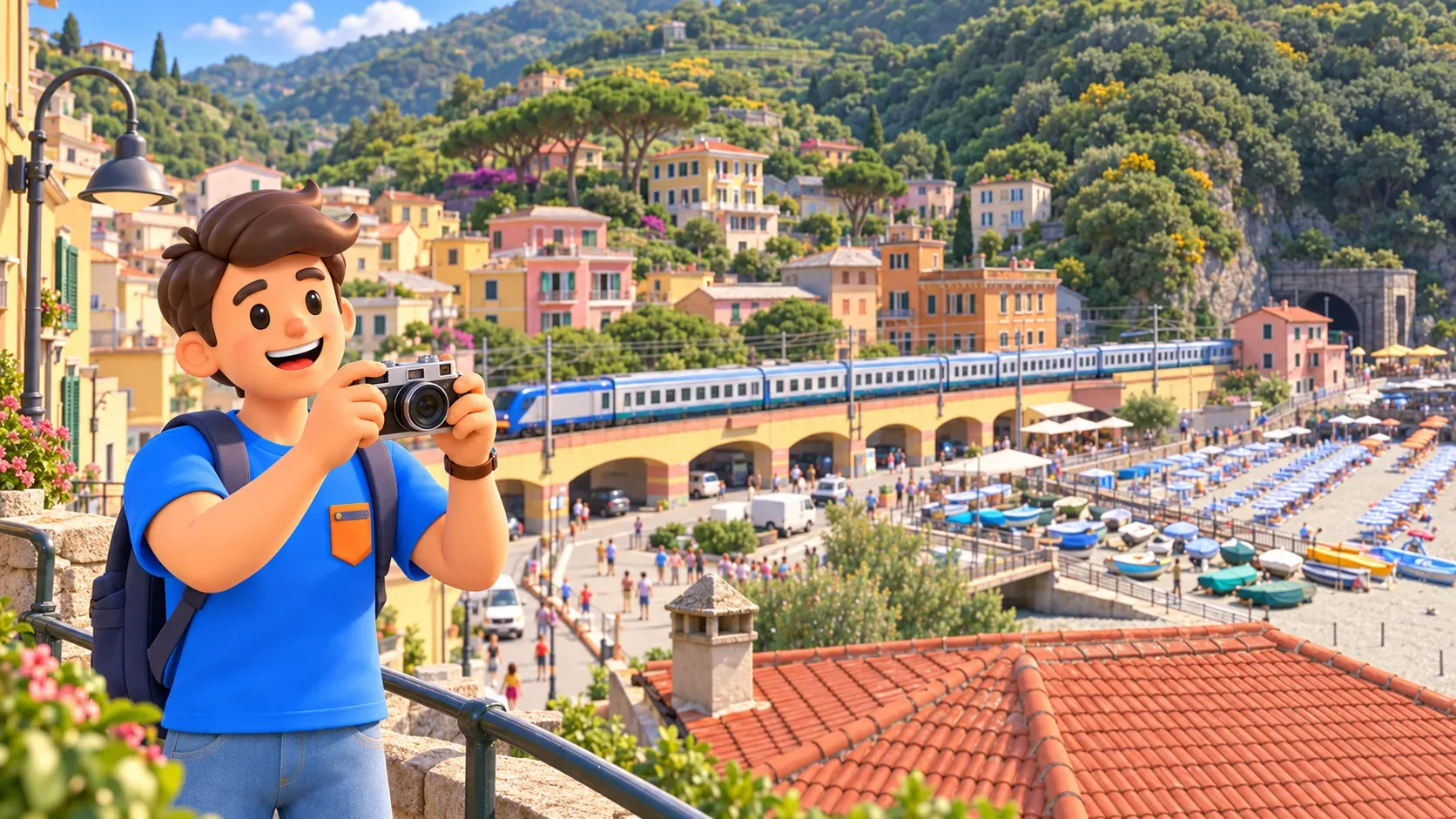
Corniglia stands on a high headland rather than immediately around a waterfront harbour. The railway station is below the settlement. Reaching the village involves the long Lardarina staircase or the road approach; investigate the current local shuttle if you want to avoid the stairs. The train stopping at Corniglia does not mean you step directly into its main streets.
This makes Corniglia a different choice for anyone seeking an elevated village atmosphere and views. It also creates a practical task for luggage, tired legs or a late arrival: establish the usable connection at the time you will arrive. A shuttle described in a guide is not evidence of a departure waiting for every train.
If a boat trip is part of your plans, check the actual landing list rather than assuming a service connects every village entrance. Corniglia’s position above the coast is the key distinction. Plan access to the settlement explicitly, and do not confuse seeing a headland from the water with being delivered into the village.
Manarola: a rocky waterfront and houses on the slope
Manarola suits a visit centred on the relationship between colourful houses, rock and cultivated hillside. Its familiar waterfront is not a long sandy beach. A photograph with people by the water does not establish easy swimming access, a supervised bathing area or a place to spread out for an entire beach day.
Give yourself time to look beyond one viewpoint. The pattern of houses climbing the slope and terraces behind them is part of the place’s identity. You can appreciate that without entering private land or searching for an exposed position beyond a barrier. For photography, choose a permitted place and leave room for others to pass.
When comparing rooms, examine the gradient from the station to the entrance and what “sea view” means for that category. A high room can offer an attractive outlook while demanding a climb each time you return. If you expect afternoon breaks at the accommodation, weigh that repeated effort before choosing by the view alone.
Riomaggiore: a vertical settlement with a small harbour
Riomaggiore’s tall, coloured houses occupy a steep setting between terraced slopes. Its main streets and waterfront belong to different levels of the village. It can appeal when you want that compact, vertical character and access by rail, but the convenience of the station does not establish the convenience of every room.
Ask for the route to the exact address rather than to “Riomaggiore centre”. Establish whether you will use a street, a staircase or another access arrangement. For a late arrival, confirm where keys are collected and whether the host meets you. A room above the harbour can have a very different approach from one near the station connection.
The nearby Via dell’Amore is a named attraction with its own access conditions; it is not proof that every coastal path is open or that a general village visit includes every walking service. If that particular experience matters, check its reservation and entry requirements separately from your choice of overnight base.
Choose an overnight base using the actual room
For accommodation, separate the village decision from the property decision. First select the kind of setting you want. Then compare real offers using the entrance, stairs, check-in arrangements and the services you need. No village name guarantees quiet, low prices, a lift or an uninterrupted sea view.
Compare the total for everyone over the whole stay, including the applicable cleaning charges, local taxes and any parking or transport you will actually use. Do not assume that an apartment is cheaper than a hotel or that a room outside the five villages saves money after daily travel. Look at the current offers on your dates, not an unsupported average.
Our guide to choosing a hotel, apartment or hostel helps you compare what is being booked and which services are included. In the Cinque Terre, add one especially useful question: what will carrying your bag from the arrival point to the room involve?
La Spezia and Levanto can be considered as bases outside the five villages when their rail connections and accommodation suit your trip. This means travelling in and out rather than sleeping within a village. Compare that trade-off honestly: it can fit some plans without being automatically cheaper, quieter or more convenient for every traveller.
RoadMe makes it easier to turn your interests and preferred pace into a personal trip plan before choosing accommodation. Try using that plan to judge where you will want to spend time, so the overnight base supports your holiday instead of dictating it.
Transport and walking are separate decisions
The railway connects the five villages, with La Spezia and Levanto useful gateways. Check the actual service for your date, including engineering work and the last train you intend to use. Short rides do not remove time spent reaching the platform or leaving the station. Not every train shown on a main-line board necessarily serves every local stop.
Read the conditions of your ticket before boarding. A single ticket and a rail-inclusive Cinque Terre Card are different products, and a trekking card is not automatically a train pass. Use the operator’s instructions for validation or activation. Our article on public transport tickets, zones and validation explains the distinction without assuming one rule works everywhere.
Ferries offer a different view from the sea, but depend on the seasonal timetable and sea conditions. Check the stops, direction and return departure before buying. Keep a rail-based alternative if the boat is cancelled; do not make an essential evening connection depend on calm water.
A line drawn between neighbouring villages is not necessarily an easy coastal stroll. Paths differ in gradient, surface, exposure and current access. Select a walk for your ability and check the National Park’s live information or an information point. Follow closure notices even if an old map still shows the path.
For trails, the Park requires closed shoes with a sculpted, non-slip sole. Beach footwear is not suitable for turning a village visit into an unplanned hike. Bring what the chosen walk needs and use marked paths. You can enjoy the villages without committing to a demanding walk between them.
Season, weather and the final choice
Choose dates around the experience you want. A beach-focused stay needs different conditions from a visit centred on architecture and village life. Outside the main season, confirm accommodation, restaurant and transport availability rather than treating summer photographs as a year-round service promise. A quieter-looking calendar date does not guarantee empty streets.
Weather can change the visit substantially. Sea conditions affect boats, and alerts or individual restrictions can close trails. Check official notices for the specific day. A valid ticket or an attractive forecast from earlier in the week does not override a closure or establish safe access to the water.
Before booking, write down your main interest, the amount of climbing you accept and the arrival arrangement you can use. Shortlist two suitable villages, then compare actual accommodation or transport options. This produces a practical choice without needing a claim that one village is universally the most beautiful.
The strongest choice is the one whose setting and practical demands fit the time and energy you have. Check transport, accommodation access and official notices again close to departure; the villages’ character is lasting, while the services and conditions of a particular visit can change.